

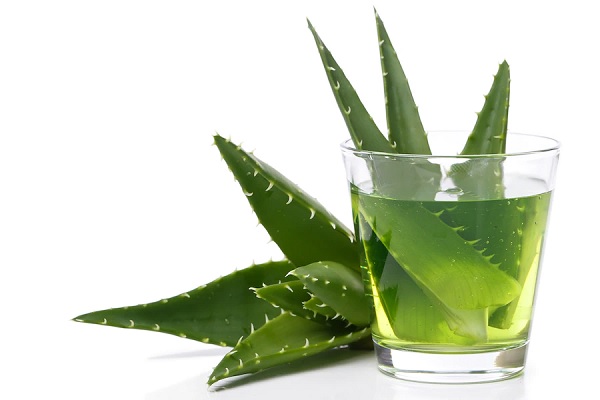
Aloe vera is a multipurpose plant-based component. It provides a ton of great advantages for the hair and scalp. Making your own homemade aloe vera hair treatment is simple and inexpensive. The amazing skin-care benefits of that plant are well-known across the world. But there is a side to this gooey gel—hair health. In this post, we will talk about Benefits Of Aloe Vera on Your Hair.
Experts assert that aloe vera can

-
- Alleviate a dry or itchy scalp
- Sanitize greasy hair
- Consolidate brittle hair
- Sun protection for your hair
- Enhance hair growth

The main active compounds found in aloe vera that provide its hair and skin benefits include:
-
- Aloe vera gel – The clear gel inside the leaves has moisturizing, healing, and soothing properties due to compounds like polysaccharides and gibberellins.
- Aloesin – an antioxidant that has anti-inflammatory effects.
- Aloe emulsion – Has antibacterial and antifungal effects to fight infections.
- Aloin – found in the latex of aloe leaves. Has laxative effects when consumed orally.
The Benefits of Aloe Vera for Hair

Since 1750 BC, people have used those plants for various purposes. Aloe vera comes in more than 450 different species. It is a succulent shrub that thrives in hot, arid environments. Regular use of aloe vera can transform dull, damaged hair and give it a healthy shine. It cleanses hair follicles, removes excess oil, and soothes irritation on the scalp. Aloe vera is an excellent conditioner that leaves hair soft and more manageable without weighing it down.
When shopping for aloe vera hair products, look for ones made with pure, organic aloe vera gel. Avoid products with a lot of extra fillers and chemicals. You can also make DIY aloe hair masks and treatments at home.
Here are some easy aloe vera hair recipes to try

- Aloe and honey mask: Mix 2 tablespoons of aloe gel with 1 tablespoon of honey. Apply to clean, damp hair and leave on for 30 minutes before rinsing.
- Aloe and olive oil treatment: Whisk together 2 tablespoons aloe gel, 2 tablespoons olive oil, and the juice from 1 lemon. Apply to hair and scalp and leave on overnight. Rinse out in the morning.
- Aloe and avocado hair cream: Blend together flesh of 1 avocado, 3 tablespoons of aloe gel, and 1 tablespoon of almond oil. Smooth evenly through hair as a leave-in conditioner.
Proteolytic enzymes in aloe vera heal dead cells on your scalp. It makes the hair lustrous and silky and works greatly as a conditioner. It encourages hair growth, alleviates scalp irritation, minimizes dandruff, and conditions the hair.
Revitalizes the hair with nutrients, giving it suppleness and minimizing breakage. Its composition is similar to that of keratin. Keratin, the main protein in hair, comprises oxygen, amino acids, carbon, and trace amounts of nitrogen, hydrogen, and sulfur.
The benefits of aloe vera for hair health include

- Strengthens hair and reduces breakage
- Soothes dry, itchy scalp
- Balances pH level of scalp
- It cleans hair and unclogs follicles
- Increases moisture retention in hair
- Stimulates hair growth
- Prevents fungal and bacterial scalp infections
- Protects hair from UV damage
- Delays early graying
- Reduces dandruff
It helps with various skin issues, including acne, burns, and wounds. Aloe may help with diabetes, inflammatory bowel disease, hepatitis, and other conditions. It is also eaten and used in drinks. Aloe vera’s mixture of chemicals and essential compounds can cause diverse effects. However, this can result from its numerous characteristics and active components. There needs to be more research on its advantages.
While aloe vera has many benefits, it may cause allergic reactions or interactions in some people. Do a patch test before widespread use. Also, be cautious when using aloe vera if you take the following medications:
- Diuretics – Can increase potassium loss
- Laxatives – Can cause dehydration or electrolyte imbalances
- Diabetes medications – Can lower blood sugar levels
- Digoxin (Lanoxin) – Can increase absorption; monitor levels
- Sevoflurane (Ultane) – Can cause blood sugar spike
These are some of the benefits for hair
- Boosts hair strength. Numerous nutrients and active compounds found can strengthen the hair. Along with fatty and amino acids, it is a good source of vitamins A, B12, C, and E, which contribute to the health of hair follicles.
- Regulates oily hair. Contains enzymes that dissolve fats, thus removing excess oil from your hair.
- Soothes a scratchy scalp. A prevalent inflammatory skin ailment that affects the scalp is seborrheic dermatitis. Dandruff, scaly spots, and red skin are the side effects of this condition. Can greatly lessen itching and scaliness, according to research.
- Protection against UV harm. According to a study, drinking fresh can shield you from the sun’s ultraviolet (UV) rays. UV rays can make the hair harsh and less elastic, causing it to lose its sheen and color and break. The kind of hair you have affects how much UV protection you get.
- Hair growth. Although some claim that aloe vera promotes hair growth, science does not support this. However, scientists think aloenin, a molecule in the plant, is a key element in encouraging hair growth, as seen in persons with the hair-loss condition known as alopecia. You can use it to strengthen hair, reduce breakage, and promote growth.
Using Aloe Vera: Some Advice

Is a natural substance that offers a wealth of advantages. Growing it in a vegetable garden or balcony is the greatest way to enjoy it without worrying about additional chemicals. Taking care of an aloe plant requires little effort, but the rewards are plentiful.
Aloe vera gel is available in shops. To avoid additional additives like alcohol and scents, look for products made entirely of aloe vera. Aloe vera leaves can also be used to extract the gel. The leaves are available in some natural food stores, or you can grow them indoors. Here’s how to get the gel out of an that plant:
- Take one of the plant’s leaves off. Select the plant’s outermost, older, thicker leaves.
- Allow the yellow latex to run off the leaf. Throw away the latex.
- Wash the leaf.
- You should cut off the spiky ends with a sharp knife.
- To peel the leaf, cut it lengthwise using a knife or peeler.
- Scoop the transparent gel or cut it out.
Although raw aloe vera gel doesn’t keep for very long, you can freeze it or keep it in the refrigerator for up to a week in a sealed container. Treating the scalp and hair. You can apply the fresh gel to your scalp and hair. Work it into the hair, scalp, and ends using your hands. Apply castor oil and rub it in to help keep the moisture in. After applying the aloe vera, wait around 30 minutes before rinsing.
What Dangers May Arise from Using Aloe Vera on Your Hair?

Aloe vera is a plant known for its many health and beauty benefits, especially in hair care. However, its use is not without risk and it is important to be aware of the potential hazards that may be associated with its application to the hair. Below are some of the main risks associated with the use of aloe vera on the hair. First, although aloe vera is generally safe for most people, some may experience allergic reactions. These reactions may manifest as itching, redness, swelling or rashes on the scalp. It is advisable to perform a patch test before using any product containing aloe vera to make sure you are not allergic to the plant. People with sensitive skin or a history of allergies should be especially careful when using aloe vera products.
Another potential risk of using aloe vera on hair is scalp irritation. Although aloe vera has soothing and anti-inflammatory properties, excessive use can cause irritation. This is especially true if used in combination with other harsh chemicals, such as hair dyes or straightening treatments. The combination of aloe vera with these products can increase the sensitivity of the scalp and cause irritation or even dermatitis.
Various components
In addition, it is important to note that not all products labeled “aloe vera” are pure. Many commercial products contain other ingredients that can be harmful to the hair. These additional ingredients can counteract the benefits of aloe vera and cause damage to the hair. Therefore, it is crucial to read product labels and opt for products that contain pure aloe vera or as few additives as possible. Excessive use of aloe vera can also have negative effects. Although aloe vera is known for its moisturizing properties, overuse can lead to excess moisture in the hair. This can make the hair too soft and difficult to manage. In addition, excess moisture can weaken the hair structure, making it more prone to breakage and damage. It is important to use aloe vera sparingly and not over-apply.
Another aspect to consider is the possible interaction of aloe vera with certain medications. Although this is more relevant for internal consumption of aloe vera, it may also be a factor to consider in its topical use. Aloe vera may interfere with the action of some medications, decreasing their effectiveness or potentiating their side effects. Therefore, it is advisable to consult a health professional before using aloe vera if you are under pharmacological treatment.


Responsable – CAPIL SOLUTIONS. S.L
*Términos y condiciones
Finalidad – Dar respuesta a las solicitudes de información, y poder enviarle nuestras publicaciones, promociones de productos y/o servicios, gestionar los comentarios en el blog
Derechos Arco - Acceder, rectificar y suprimir los datos, así como otros derechos, como se explica en la información adicional.
info@capilclinic.us
Legitimación – Consentimiento
Destinatarios – No se cederán datos a terceros salvo obligación legal
Política de privacidad – Puede consultar nuestra política de privacidad aquí
*Política de privacidad