

Our hair isn’t autonomous, and achieving the desired thickness, length, texture, luster, and beauty requires certain factors. These factors include massaging the scalp, using essential oils, minimizing exposure to heat, reducing hair coloring, and adopting gentler styling techniques, among others. If you’ve diligently followed these practices but haven’t seen substantial improvements. It could be due to a restricted diet hindering your hair’s growth. Hair, much like other parts of the body, relies on essential nutrients to flourish. Biotin for hair is one of the B vitamins.
If this situation applies to you, you must enhance your diet, focusing on biotin-rich foods. Biotin offers numerous advantages for your hair and contributes to its overall well-being. If you’re curious about the impact of biotin on your hair. This article will comprehensively explore biotin for hair, its associated benefits, and the mechanisms behind its effectiveness.
Biotin for Hair: How it Works?
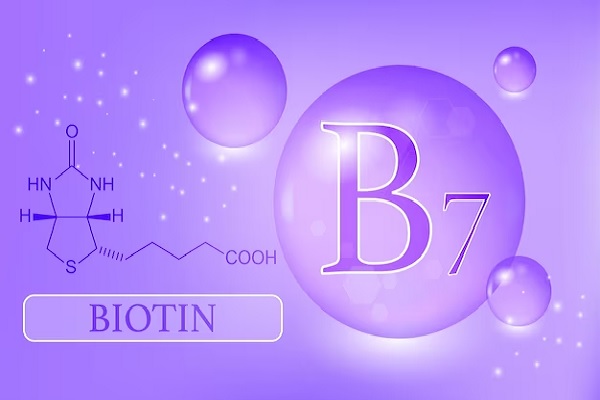
Like a symphony of vital nutrients, biotin is intricate in bolstering the body’s multifaceted functions. This unassuming B vitamin is a linchpin in the body’s energy production, acting as a catalyst in transforming food and nutrients into the vital energy needed for diverse bodily processes. The quantity of biotin we incorporate into our diets is directly proportional to the energy reservoir available for our bodily functions, making it a nutrient of paramount importance.
Among these crucial functions, biotin is significant in nurturing the growth of lustrous and healthy hair. If you grapple with hair-related challenges, it may be an early sign of insufficient biotin levels in your system. Biotin is not just a passenger but the conductor orchestrating the symphony of healthy hair growth. While the exact link between biotin deficiency and hair loss remains an area of ongoing research, a growing body of evidence underscores the pivotal role of biotin in preserving and enhancing hair health.
Where can I get Biotin for hair?
As biotin’s popularity continues to ascend, it is imperative to acknowledge its multifaceted benefits. This has spurred a wave of interest among individuals seeking to incorporate adequate biotin into their daily routines. While the human body does not possess the capacity to synthesize biotin autonomously, it can be procured from a variety of sources.
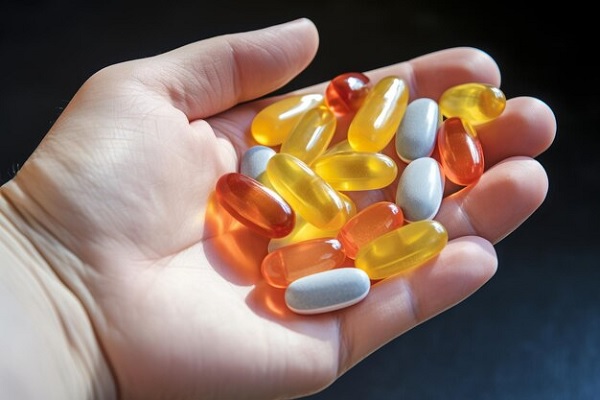
These sources encompass dietary choices, supplements, and pills, each offering a gateway to this indispensable nutrient. Before we delve deeper into these sources, let’s explore how biotin intricately weaves its magic to enhance the well-being of your hair.
Benefits of Biotin for Hair
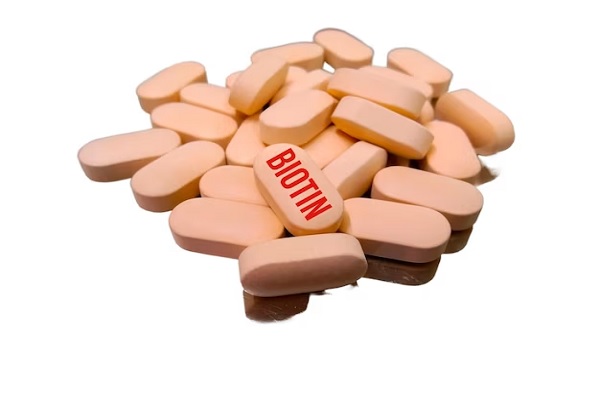
Biotin, also known as vitamin B7, has numerous benefits for hair health. It supports the production of keratin, a protein that makes up the majority of our hair, skin, and nails. Biotin may help improve hair strength, reduce hair breakage, and promote overall hair health. Additionally, it can contribute to the maintenance of healthy hair and may play a role in combating hair thinning or loss. Let’s see in detail the benefits of biotin for hair.
Optimized Nutrient Processing
Biotin plays a crucial role in breaking down various nutrients derived from the food you consume. This nutrient breakdown is a vital precursor to their efficient distribution throughout your body, ensuring optimal functioning. Among the nutrients involved are carbohydrates, proteins, and fats, all of which are integral to the health and vitality of your hair. To maintain the luster of your locks, it is imperative to have an ample supply of biotin, as these nutrients rely on it for their metabolism.
Nurturing Natural Oil Production
The secret to luscious locks doesn’t solely lie in the essential oils you apply; your hair possesses its innate oil factory known as sebum. Sebum is the natural oil responsible for moisturizing your hair, leaving it luxuriously smooth and shiny. It is essential to note that washing your hair daily is discouraged, as it may strip away the precious sebum, which is highly beneficial for your hair’s health. The production of sebum and the conversion of panthenol into this nourishing oil are intricately linked to the presence of biotin.
Keratin, the Foundation of Strong and Lustrous Hair
Your hair draws strength and enduring radiance from a keratin structural protein. Without a sufficient reservoir of keratin, your hair would lack the fundamental building blocks required for its structural integrity. Biotin plays a pivotal role in preserving and storing keratin. That ensures that your hair remains resilient and brilliantly lustrous. This dynamic duo of biotin and keratin is your hair’s ultimate ally.
A Guardian of Hair Health
Biotin assumes the role of a protective guardian for your hair. It acts as a shield, warding off premature hair loss and frustrating breakage. While some degree of hair loss is natural, excessive and untimely breakage can be a red flag indicating a potential biotin deficiency. Biotin swoops in to fortify your hair strands, rendering them robust and resilient, safeguarding them from the perils of breakage, and ensuring the longevity of your locks.
Reduction of Scalp Inflammation
Biotin isn’t just a key player in hair aesthetics; it also serves as a potent ally in combating scalp inflammation, commonly known as folliculitis. This inflammation often stems from fungal or bacterial infections. An adequate level of biotin in your body acts as a natural defense mechanism against these irritants. This way, it minimizes scalp inflammation and keeps your scalp healthy and comfortable.
What Amount of Biotin Should You Get?
In the quest for healthy hair and to ward off biotin deficiency, it is recommended that adults aim for a daily intake of 30 micrograms of this vital nutrient. On the other hand, expecting and nursing mothers can safely increase their daily biotin intake to up to 35 micrograms. However, it’s important to note that biotin alone won’t work any magical transformations when used for hair growth. It typically takes several months before noticeable changes become evident.
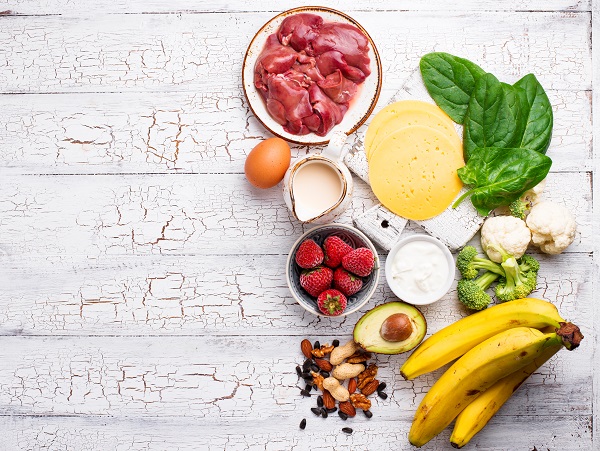
Biotin can be obtained from dietary sources such as eggs, nuts, and certain vegetables or in the convenient form of tablets, pills, and supplements. Regardless of your chosen source, exercising prudence in its consumption is vital.
What are the risks of Biotin?
Excessive intake can result in adverse consequences even when dealing with highly beneficial nutrients. In simpler terms, overloading on biotin can give rise to a variety of potential risks and side effects, some of which are outlined below-
Upset Stomach
When people consume an excessive amount of biotin, they may encounter stomach discomfort such as nausea and cramping. This discomfort can be an indicator of consuming more biotin than the body needs, leading to potential adverse effects.
Skin Irritations or Rashes
Excessive consumption of biotin can result in adverse effects on the skin, including the development of rashes and itchiness. These symptoms can cause discomfort and may also be visually unappealing.
Altered Insulin Levels
Elevated levels of biotin in the body have the potential to affect insulin release, impacting the regulation of blood sugar levels. This could create challenges for individuals with diabetes or other insulin-related concerns. It may also disrupt the normal functioning of insulin in the body and affect blood sugar control.
Kidney-Related Issues
Excessive intake of biotin may exert strain on the kidneys, potentially contributing to kidney issues or discomfort. Consuming too much biotin could lead to problems with kidney function or cause discomfort in the kidneys.
Nausea
In certain situations, an excessive intake of biotin may lead to prolonged feelings of nausea. It affects the overall well-being of individuals.
Diarrhea
Excessive intake of biotin can potentially result in gastrointestinal discomfort, typically presenting as diarrhea. This can cause significant inconvenience and discomfort.
Abdominal Cramps
Consuming too much biotin can lead to abdominal cramping. It can cause significant discomfort and interfere with regular daily activities.
Therefore, while biotin is undoubtedly beneficial when consumed appropriately, it is crucial to be mindful of the intake to avoid the potential side effects and complications associated with its overuse.
Which Foods are Sources of Biotin?
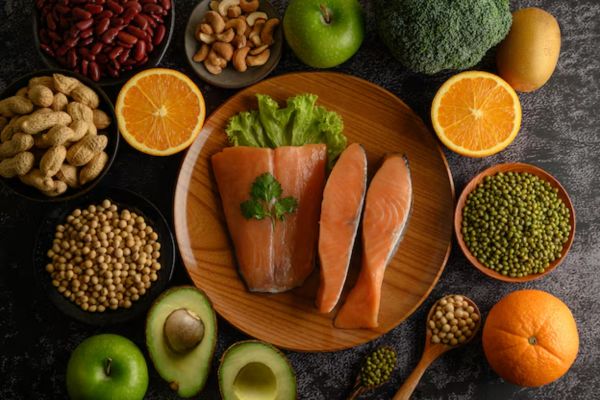
If you’re not inclined to take pills or supplements, you can enrich your diet with natural sources of biotin to support your hair health. Here’s a more detailed breakdown of biotin-rich foods:
Boiled Egg Yolk
Enjoying cooked egg yolk can provide you with a substantial 10 micrograms of biotin. Eggs are a great source of biotin and offer various other essential nutrients.
Lentils
Lentils are a fantastic plant-based source of biotin, offering approximately 23 micrograms per serving. They are also rich in protein and fiber, making them a healthy addition to your diet.
A quarter cup of Almonds
Almonds are a great source of biotin, containing 1.5 micrograms per serving. In addition to biotin, they also provide healthy fats, including monounsaturated fats, as well as essential nutrients such as vitamin E, magnesium, and manganese. Almonds make for a delicious and nutritious snack that can contribute to a well-rounded diet.
Three-quarters of a cup of Soybeans
Soybeans offer a fantastic plant-based option for increasing biotin intake. They provide a substantial 9.3 micrograms of this important nutrient. In addition to being a great source of biotin, soybeans are also a complete protein source, containing all the essential amino acids that the body needs. Furthermore, they are rich in a variety of other essential nutrients, making them a valuable addition to a balanced diet.
Half a cup of Sweet Potatoes
Sweet potatoes are a fantastic source of biotin, providing 2.4 micrograms of this essential nutrient to your diet. In addition to their delicious taste, sweet potatoes are also rich in various vitamins and dietary fiber, making them a valuable addition to a healthy diet.
Three ounces of Beef Liver
Beef liver is an excellent source of biotin. It provides a substantial 30.8 micrograms. Additionally, it is packed with a diverse range of vitamins and minerals that contribute to overall health and well-being.
One Medium Avocado
Avocados are a great source of biotin, containing approximately two micrograms of this essential nutrient. In addition to biotin, avocados are also packed with healthy fats, fiber, potassium, and vitamins such as C, E, and K. Due to their nutrient-rich profile, these creamy fruits are known for their potential benefits for the skin, hair, and overall health.
A quarter cup of Sunflower Seeds
Sunflower seeds are a tasty snack and provide 2.6 micrograms of biotin. They are also a good source of healthy fats and minerals.

In summary, it’s essential to recognize that various factors, including infections, medications, stress, and alopecia can influence hair thinning and slow hair growth. To truly benefit from an increased biotin intake, addressing the root causes of these issues is crucial. Once you’ve resolved these underlying problems, you can incorporate these biotin-rich foods into your diet to promote healthier and more vibrant hair.


Responsable – CAPIL SOLUTIONS. S.L
*Términos y condiciones
Finalidad – Dar respuesta a las solicitudes de información, y poder enviarle nuestras publicaciones, promociones de productos y/o servicios, gestionar los comentarios en el blog
Derechos Arco - Acceder, rectificar y suprimir los datos, así como otros derechos, como se explica en la información adicional.
info@capilclinic.us
Legitimación – Consentimiento
Destinatarios – No se cederán datos a terceros salvo obligación legal
Política de privacidad – Puede consultar nuestra política de privacidad aquí
*Política de privacidad