

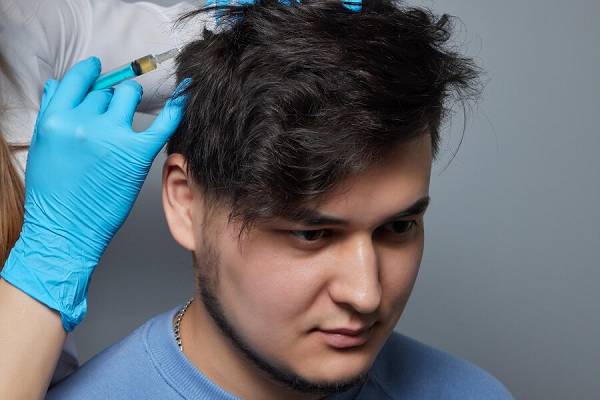
When delving into discussions surrounding alopecia, it’s a common misconception to exclusively associate its effects with the adult population. Despite its prevalence among adults, alopecia is a condition that knows no age boundaries, evoking similar distress regardless of one’s position on the age spectrum. The intricate nature of alopecia necessitates a meticulous approach when exploring treatments for its correction. In this article we will talk about How To Treat Alopecia in Young People.
This complexity translates into a comparable challenge in finding effective remedies for young individuals, akin to the hurdles faced by adults. However, the silver lining lies in the fact that the complexity of the issue doesn’t render solutions impossible. For parents seeking guidance or young individuals navigating the landscape of alopecia treatments, this platform serves as an optimal resource. Here, we unveil comprehensive methods for addressing alopecia, drawing from expert recommendations and professional analyses. Before delving into the intricacies of treatments, let’s embark on an exploration of the multifaceted causes contributing to alopecia in the younger demographic.
You may also like: Alternatives To Hair Transplant
Causes of Alopecia in Young People
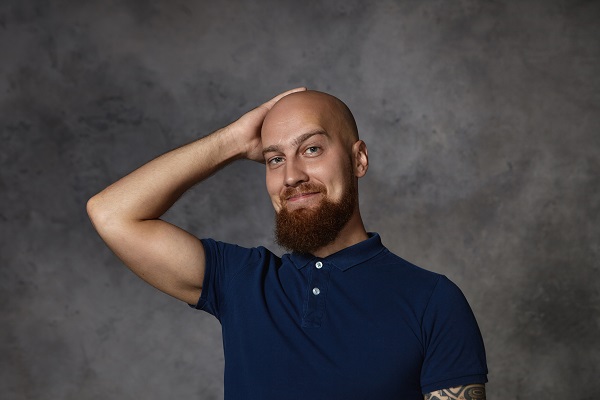
Various factors contribute to hair loss in young individuals, each with its unique implications:
Genetic Predisposition
The foremost cause of alopecia lies in one’s genetic makeup. If two or more family members share a history of hair loss, it indicates a genetic predisposition for the condition. Termed as androgenetic alopecia, or male/female pattern baldness, this hereditary influence manifests differently. In males, it often presents as a receding hairline in the shapes of U, M, or V, while in females, it results in a gradual thinning, particularly around the hair parting.
Malnutrition’s Impact on Hair Health
Beyond the perception of malnutrition solely as insufficient food intake, it encompasses an imbalance in nutrition. Whether due to excessive or inadequate food consumption, malnutrition can adversely affect hair health. Essential nutrients like vitamins, niacin, biotin, zinc, selenium, iron, and folic acid, crucial for overall health, are also integral for maintaining healthy hair. Deficiencies in these nutrients can lead to alopecia, underscoring the intricate connection between diet and hair health.
Consequences of Aggressive Hair Treatments

The experimental nature of youth often extends to their choices in hair treatments, sometimes without full consideration of potential consequences. Regular use of intense treatments such as coloring, excessive heat styling, and various chemical applications can overwhelm the hair’s natural resilience. Whether employed individually or in combination, these practices weaken the structural integrity of the hair, making it susceptible to breakage. Persistent hair breakage becomes a precursor to alopecia, emphasizing the importance of balanced hair care practices.
Thyroid Disorders Unveiled
The intricacies of thyroid conditions manifest in a dichotomy, profoundly influencing the state of one’s hair. On one hand, hyperthyroidism emerges as an excess production of thyroid hormones, while on the other, hypothyroidism signifies an inadequate production of these crucial hormones. Left untreated, both scenarios contribute to the unwelcome effects of hair thinning and increased brittleness.
Distinguishing these conditions without professional guidance proves challenging. A comprehensive approach involves a meticulous examination through specialized testing. The pivotal blood test meticulously analyzes hormone levels, unveiling whether they are harmoniously balanced, excessively generated, or inadequately produced. This diagnostic process becomes the compass guiding effective intervention for optimal thyroid health and, consequently, improved hair conditions.
Diagnosis of Alopecia in Young Individuals

Accurately diagnosing alopecia in young individuals involves a thorough examination that encompasses various diagnostic methods. The diagnostic process comprises the following detailed steps:
Physical Examination
A physical examination is a fundamental aspect of alopecia diagnosis. Dermatologists meticulously inspect the scalp, hair, and surrounding areas to assess the extent of hair loss, pattern distribution, and the presence of any underlying skin conditions. This hands-on evaluation aids in determining the initial visual cues and characteristics of the alopecia, providing valuable insights for further investigation.
Medical History Assessment
Gathering a comprehensive medical history is crucial in understanding the context and potential triggers of alopecia. Dermatologists delve into the patient’s personal and family medical history, exploring factors such as autoimmune disorders, hormonal imbalances, nutritional deficiencies, and any recent illnesses or stressful events. This detailed historical analysis helps identify potential contributing factors and guides the diagnostic process.
Blood Tests
In-depth diagnostic investigation often involves blood tests to assess various markers related to alopecia. These tests may include analyses for thyroid function, hormonal levels, iron levels, and markers of autoimmune activity. Blood tests provide valuable information about systemic conditions that may be influencing hair loss, allowing for a more targeted and precise diagnosis.
Scalp Biopsy
For a comprehensive understanding of the underlying causes of alopecia, a scalp biopsy may be recommended. This procedure involves the removal of a small tissue sample from the scalp for microscopic examination. The biopsy helps identify any inflammatory or scarring processes affecting the hair follicles and provides insights into the specific type of alopecia present. This detailed analysis aids in tailoring an effective treatment plan based on the underlying pathology.
By incorporating these detailed diagnostic measures, healthcare professionals can not only confirm the presence of alopecia but also gain a deeper understanding of the contributing factors. This comprehensive approach allows for a more personalized and targeted treatment strategy to address the specific needs of young individuals experiencing hair loss.
How To Treat Alopecia in Young People
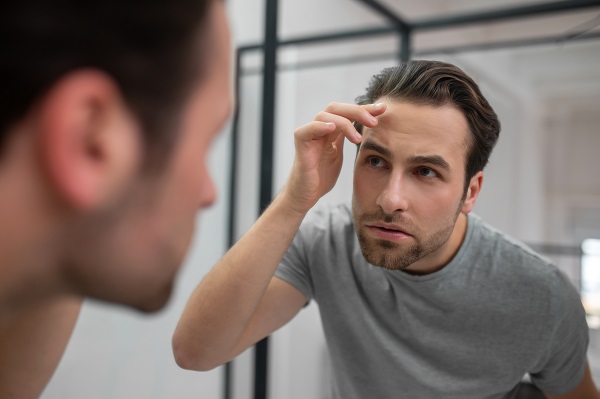
While alopecia is a definite condition, its impact varies among individuals, necessitating a nuanced exploration of diverse treatment options. Two notable treatments with distinct mechanisms are:
Tailored Immune Stimulation
Topical immunotherapy emerges as a well-tested and trusted approach for alopecia. This method involves the precise application of specialized ointments to the scalp, activating the immune system and thereby triggering hair regrowth. Chemical agents like dinitrochlorobenzene and diphencyprone are integral to this process. It’s imperative to emphasize that this treatment demands the expertise of a professional dermatologist for proper administration, ensuring adherence to specific protocols.
While generally effective, individual responses may vary, underscoring the importance of consulting with a dermatologist to tailor the approach to one’s unique needs.
Blood Circulation Enhancement
Minoxidil, a widely recognized treatment for alopecia, offers a more accessible option for affected scalp areas. Unlike topical immunotherapy, it can be self-administered without the need for a dermatologist. Its fundamental function lies in promoting hair growth by augmenting blood flow to all follicles, including those less active. Consistency in application is pivotal for sustained and noticeable results. While some users report enhanced efficacy when combining minoxidil with corticosteroid medications, the standalone use of minoxidil remains a promising avenue worthy of comprehensive exploration.
Corticosteroid Infusions for Alopecia
The application of corticosteroids, delivered through injections, stands as a pivotal method in combating the impact of inflammatory agents that assail the process of hair growth. When individuals grappling with alopecia find themselves subjected to recurring assaults from their own immune system—events that detrimentally influence the health of their hair—corticosteroid injections emerge as a formidable line of defense. Precisely administered to the locus of hair loss, these injections serve the dual purpose of thwarting immune system attacks on hair follicles and fostering the conducive conditions for the sprouting of new hair.
This particular therapeutic intervention typically assumes a prime position among the initial courses of treatment recommended for alopecia. Importantly, the administration of corticosteroids necessitates the expertise of a dermatologist. Despite the existence of transient side effects, their impact tends to abate shortly after the injection, making it a valuable albeit nuanced remedy.
Nutritional Optimization for Hair Regrowth
Understanding the intricate link between malnutrition and alopecia underscores the significance of enhancing one’s diet with specific nutrients tailored to support hair growth. The expeditious regrowth of hair is contingent upon maintaining a delicate equilibrium in the consumption of these vital nutrients. Striking this balance is not merely beneficial but imperative for the effective contribution of these nutritional elements to the intricate process of hair regrowth.
Abandoning Aggressive Hair Treatments
In the quest for a renewed and resilient mane, a pivotal strategy involves treating your hair with unparalleled kindness. This extends beyond routine care to a conscientious avoidance of harsh treatments. Steering clear of practices such as frequent and aggressive dyeing, the excessive use of heat styling tools, tightly pulled-back hairstyles, and other potentially deleterious treatments becomes a proactive form of intervention. In essence, the cessation of these practices functions as a therapeutic measure, affording your hair the breathing space necessary for rejuvenation.
How To Talk To Your Child About Alopecia
Approaching the topic of alopecia with your child requires sensitivity, openness, and a supportive attitude. Here’s a guide on how to talk to your child about alopecia:
- Choose an Appropriate Setting: Find a quiet and comfortable space where you can have an uninterrupted conversation. This setting allows your child to feel secure and more willing to open up.
- Use Age-Appropriate Language: Tailor your language to your child’s age and comprehension level. Explain alopecia in simple terms, avoiding medical jargon. Consider using metaphors or comparisons that your child can relate to.
- Emphasize that It’s Not Their Fault: Ensure your child understands that alopecia is not something they caused or could have prevented. Emphasize that it is a medical condition, similar to other health issues.
Concluding
While the allure of home-based remedies persists, a judicious course of action involves entrusting the management of alopecia to seasoned professionals. The oversight of a qualified doctor or dermatologist not only ensures a methodical and informed approach to hair regeneration but also precludes the need for a trial-and-error pursuit of solutions. This professional guidance guarantees a focused and targeted strategy, increasing the probability of achieving the desired outcome in the battle against alopecia.


Responsable – CAPIL SOLUTIONS. S.L
*Términos y condiciones
Finalidad – Dar respuesta a las solicitudes de información, y poder enviarle nuestras publicaciones, promociones de productos y/o servicios, gestionar los comentarios en el blog
Derechos Arco - Acceder, rectificar y suprimir los datos, así como otros derechos, como se explica en la información adicional.
info@capilclinic.us
Legitimación – Consentimiento
Destinatarios – No se cederán datos a terceros salvo obligación legal
Política de privacidad – Puede consultar nuestra política de privacidad aquí
*Política de privacidad