

Excessive engagement in hairstyling practices has the potential to inflict harm upon hair follicles and roots, leading to the unwelcome consequences of hair thinning and, in severe instances, irreversible baldness. The utilization of diverse styling methods, an array of tools, and exposure to an assortment of chemical treatments may yield detrimental effects on the scalp, prompting the question of whether the act of styling itself is a catalyst for baldness. In this article we will talk about Can Styling Your Hair Cause Baldness?
Ironically, individuals who exhibit the utmost concern for their hair’s well-being, adopting meticulous hair care routines, often find themselves particularly vulnerable to the adverse impacts of the myriad hair products available in the market. The indiscriminate use of these products can result in hair becoming not only frizzy, but also fragile and thin, consequently diminishing its overall appeal. Over prolonged periods, such mistreatment may even bring about a complete cessation of hair growth.
Furthermore, it is crucial to recognize that the lifestyle one leads and the specific hairstyling practices adopted can directly contribute to the onset of baldness. Improper styling techniques, when coupled with other lifestyle factors, emerge as significant contributors to hair loss, a prevailing factor in the development of baldness. Therefore, a mindful and informed approach to hair care is imperative to safeguard its health and forestall the potential onset of balding.
Problems That Can Styling Your Hair Cause Baldness
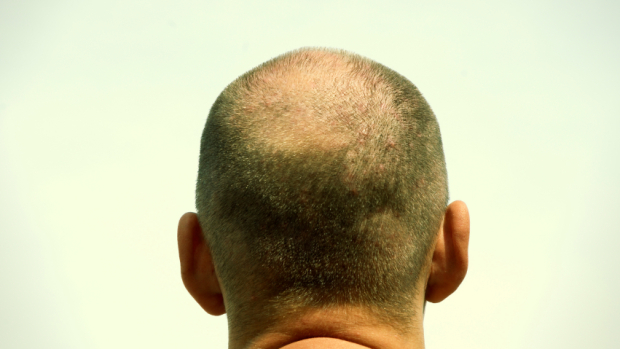
Excessive Hair Pulling
Excessive hair pulling is a primary contributor to avoidable hair loss. When you constantly subject your hair to styles that involve substantial pulling, you place undue stress on the hair follicles, significantly elevating the risk of experiencing hair loss. This issue is particularly prevalent among individuals who choose specific hairstyles, including:
- Elaborate Plaits and Braids: Styles that involve intricate weaving and braiding, when done too tightly and frequently, can contribute to hair pulling and subsequent stress on the follicles.
- Cornrows: The tight, close-to-the-scalp nature of cornrows, especially when maintained for extended periods, can lead to chronic tension on the hair, potentially resulting in hair loss.
- Tightly Drawn Ponytails: Opting for ponytails that are pulled very tightly can cause stress on the hair follicles over time, making them more susceptible to shedding.
- Hair Extensions: While hair extensions can enhance your hairstyle, their weight and the method of attachment can contribute to constant pulling on your natural hair, increasing the risk of hair loss.
Individuals who adopt this approach may observe that it contributes to maintaining the natural state of their hair. Instead of firmly and tightly pushing it backward, allow the hair to rest in a more relaxed manner. If it feels like it’s pulling on your hair, there might be excessive pressure. This habit could lead to issues if you observe a considerable hair loss during your shower.
Utilizing Heat Styling Tools
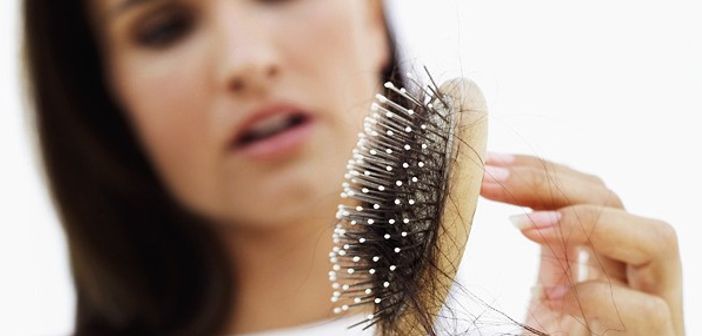
A prevalent practice among many individuals is the incorporation of heat styling tools into their hair care routines, such as the ubiquitous flat irons or curling irons. When employed occasionally, these tools are unlikely to inflict significant damage on your hair. However, subjecting your hair consistently to elevated temperatures, especially at high heat levels, can lead to irreparable harm to its structural integrity.
Over time, this prolonged exposure to heat may render the hair brittle, causing it to either fall out or break off. The consequential effect is not only increased brittleness but also the emergence of fine strands riddled with numerous split ends. To mitigate this potential outcome, it is advisable to refrain from frequent heat application and grant your hair the necessary time to recuperate, thereby averting the pervasive issues of hair thinning and breakage.
Chemical Impact on Hair Health
Another common but potentially detrimental styling practice involves the extensive use of chemical products on the hair. A prominent example is the application of chemical relaxers or perms, which are known for their transformative effects. Employing these chemical-laden products and associated styling procedures with moderation and infrequency can significantly diminish the likelihood of experiencing substantial hair loss.
This cautious approach proves especially beneficial for individuals grappling with fine or thinning hair. By judiciously managing the application of chemical treatments, one can strike a balance between achieving desired transformations and safeguarding the overall health and thickness of the hair. On the flip side, subjecting your hair to dye or excessive chemical treatments poses a potential threat of significant hair loss. In such situations, reducing the frequency of these treatments becomes the sole remedy. Fortunately, numerous measures suggested by hair experts can be implemented to minimize harm to the hair follicles and scalp.
These measures encompass
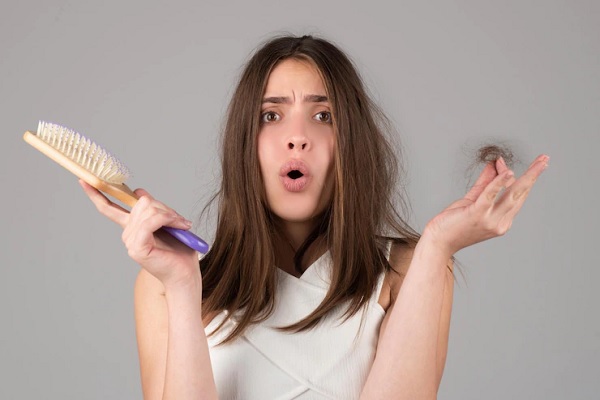
Steering Clear of Hair Dryer Damage
Dermatologists emphasize the importance of opting for a gentler approach when drying your hair, suggesting the use of a towel rather than subjecting it to the intense heat emitted by electric hair dryers. Despite assertions from the hair dryer industry about the safety of their products, the reality is that exposing your hair to hot air and prolonged heat can result in detrimental effects on the hair follicles, ultimately leading to a noticeable thinning of the hair.
Caution in Combing Wet Hair
It is strongly advised to exercise caution when dealing with wet hair due to its increased fragility compared to dry hair. The act of combing wet hair has the potential to not only cause hair breakage but also to rip strands directly from the scalp, inflicting further damage to the hair follicles and pores. However, if your hair boasts a natural curl, a more strategic approach involves brushing it while it is still damp.
The rationale behind this lies in the fact that naturally curly hair is less prone to tangling during the brushing process when it retains some moisture. Whether your hair is straight or curly, it is imperative to handle it with care, avoiding any forceful actions that might lead to the pulling of hair from the scalp. Such practices, if not heeded, can result in significant harm to both the hair and the delicate scalp beneath.
Avoid Unnecessary Fixation on Extended Styling
When selecting a hair care product, be cautious of those boasting about their enduring grip, as they may not be the optimal choice for the health of your hair. While a small amount of gel is acceptable for styling, using an excessive amount to sculpt your hair into a desired shape can, over time, strip away its natural texture and thickness.
After applying styling products, it is advisable to limit combing to minimize the risk of hair breakage. Continuous combing can lead to follicle damage, potentially resulting in hair loss over the long term.
Exercise Caution with Hair Grooming
Excessive combing not only poses the risk of creating an undesirable “comb-over” appearance but also has broader implications for hair health. Whether your hair is wet or dry, it’s essential to resist the temptation to excessively brush or comb throughout the day. Adopting a more measured approach to styling, where you avoid constant manipulation, can contribute to the overall well-being and appearance of your hair. Remember, less frequent styling attention often yields more favorable results.
Factors that Increase the Risk of Hair Loss from Styling
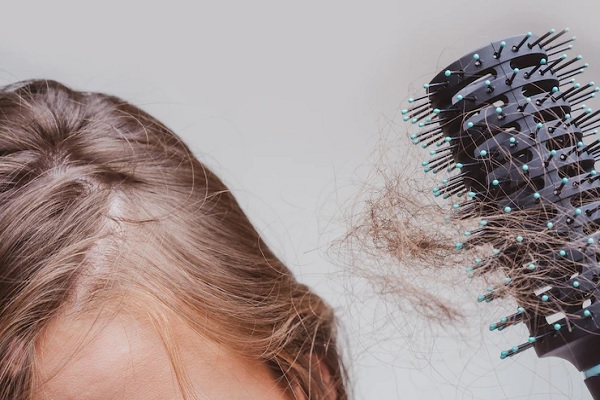
Various factors contribute to the risk of hair loss associated with styling:
- Hair Type Variability: Individuals with fine, straight hair face a higher likelihood of experiencing hair loss due to styling compared to those with thick, curly hair. The inherent fragility of fine hair makes it more susceptible to damage from various styling practices.
- Styling Frequency Matters: The frequency of styling sessions plays a pivotal role in determining the risk of hair loss. Those who style their hair more frequently are at an increased risk, as the repetitive actions involved can strain and weaken the hair strands over time.
- Overall Hair Health Considerations: The general health of your hair significantly influences the likelihood of styling-induced hair loss. Individuals with well-nourished and healthy hair are less prone to experiencing issues related to styling. Conversely, individuals with compromised hair health face an elevated risk, as weakened hair is more susceptible to damage during styling procedures.
- Heat Exposure: Excessive use of heat styling tools, such as flat irons and curling wands, can contribute to hair loss. Prolonged exposure to high temperatures can weaken the hair shaft, making it more prone to breakage and thinning. It’s essential to use heat styling tools judiciously, incorporate heat protectants, and allow your hair sufficient time to recover between styling sessions to minimize the impact of heat-induced hair damage.
Conclusion
If you find yourself experiencing hair loss, it’s crucial to proactively address the issue to prevent further complications. Engage in a conversation with your hairstylist to explore innovative hairstyling techniques that eliminate the need for tight hair ties, minimizing the risk of hair damage from excessive pulling. Exercise caution to avoid overstyling your hair, as this can contribute to increased hair loss. Instead, prioritize a hair care routine that focuses on providing the necessary attention and nourishment. Consider incorporating gentle, nourishing products into your routine and adopting hairstyles that promote a healthier environment for your hair. By taking these measures, you can actively contribute to the well-being of your hair and mitigate the impact of hair loss.


Responsable – CAPIL SOLUTIONS. S.L
*Términos y condiciones
Finalidad – Dar respuesta a las solicitudes de información, y poder enviarle nuestras publicaciones, promociones de productos y/o servicios, gestionar los comentarios en el blog
Derechos Arco - Acceder, rectificar y suprimir los datos, así como otros derechos, como se explica en la información adicional.
info@capilclinic.us
Legitimación – Consentimiento
Destinatarios – No se cederán datos a terceros salvo obligación legal
Política de privacidad – Puede consultar nuestra política de privacidad aquí
*Política de privacidad