

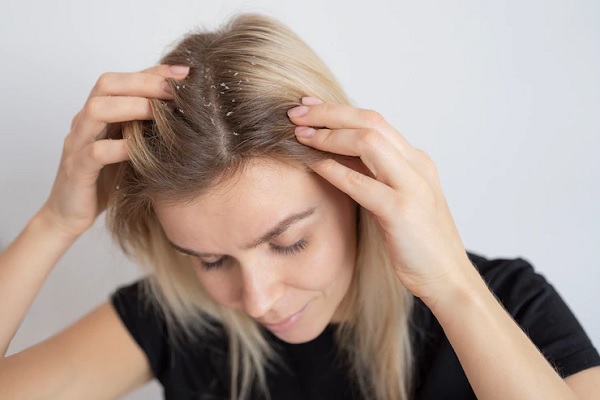
Seborrheic alopecia, commonly referred to as dermatitis, is a persistent and multifaceted skin disorder characterized by inflammation, scaliness, and greasiness in affected areas. This dermatological condition is intricately linked to the overproduction of sebum, a viscous and oily fluid secreted by the sebaceous glands. The surplus sebum, in turn, triggers symptoms such as persistent inflammation and the development of scaly, greasy patches on the skin. In this article we will talk about What is Seborrheic Dermatitis?
Notably, these areas often manifest discomfort through itching, particularly on the scalp, making it a primary target for this condition, sometimes leading to the occurrence of dandruff. Medically, this variant is known as seborrheic dermatitis, a skin ailment influenced by diverse factors including genetic predisposition and immune system anomalies. Remarkably, seborrheic dermatitis itself does not typically result in hair loss. However, a noteworthy caveat exists: excessive scratching, a common response to the discomfort associated with the condition, can inflict damage upon the hair follicles, potentially leading to hair loss over time.
Furthermore, the escalated production of sebum, a characteristic feature of seborrheic dermatitis, creates an environment conducive to the proliferation of the fungus Malassezia. This particular strain of yeast is ordinarily present on the skin of the vast majority of individuals. However, when its growth becomes uncontrolled, it can induce irritation, thereby impeding the natural growth of new hair in the surrounding area. In essence, the intricate interplay of sebum overproduction, follicular damage from scratching, and the influence of Malassezia contribute to the complex nature of seborrheic alopecia.
The Factors That Lead To Seborrheic Dermatitis

Seborrheic dermatitis is rooted in the presence of Pityrosporum ovale, a yeast-like fungus that exists in the bodies of virtually everyone. Ordinarily, the immune system effectively regulates this fungus, preventing its spores from becoming active under normal circumstances. However, specific conditions can disrupt this balance, allowing the fungus to thrive and triggering the onset of seborrheic dermatitis. This fungal culprit sustains itself by feeding on the secretions produced by sebaceous glands. Given the dense concentration of hair follicles and sebaceous glands on the scalp and face, these areas become frequent battlegrounds for seborrheic dermatitis. The condition tends to manifest prominently in these regions due to the favorable environment for fungal growth.
In adverse settings, the body’s usual control mechanisms falter, enabling the unbridled spread of the fungus responsible for seborrheic dermatitis. This loss of control leads to the simultaneous emergence of symptoms associated with both the fungal infection and the dermatological disorder. Understanding this intricate relationship sheds light on the complex interplay between the immune system, fungal activity, and the manifestation of seborrheic dermatitis.
In What Ways Seborrheic Dermatitis Does It Lead To Hair Loss?

An excess of oil on the scalp has the potential to induce inflammation and irritation, culminating in acute itching—a prominent symptom associated with seborrheic dermatitis and, consequently, hair loss. The act of scratching the scalp, prompted by this discomfort, can inflict damage upon the hair follicles. This damage, in turn, disrupts the natural growth of hair, ultimately contributing to hair loss. It’s essential to note, however, that hair loss resulting from seborrheic dermatitis is a relatively uncommon occurrence and is generally amenable to treatment. On an alternative note, this hair loss phenomenon could also be linked to the proliferation of Malassezia yeast. In instances where a substantial quantity of this particular yeast is generated, and the associated condition goes unaddressed, it can escalate into irritation, leading to additional harm to the hair follicles.
Much like the connection between increased oil production and hair loss, the augmentation of Malassezia production can exert a similar impact on hair health. The intricate interplay of these factors underscores the importance of addressing both excess oil and Malassezia overgrowth to maintain a healthy scalp and mitigate the risk of hair loss.
Telltale signs and symptoms of Seborrheic Dermatitis

Seborrheic dermatitis exerts a detrimental impact on the natural hair production process facilitated by hair follicles, specifically targeting the scalp. This condition stems from the overactivity of sebaceous glands, leading to an excess of oil on both the skin and hair follicles.
The manifestations of seborrheic dermatitis encompass a range of symptoms, including:
Dry and Scaly Skin
The disorder contributes to the development of dry and scaly patches on the skin, creating an uneven and uncomfortable texture.
Flaking Skin
One of the noticeable effects is the occurrence of flaking skin. Wherein small, thin pieces of skin may peel away, causing further discomfort.
Greasy Splotches on the Surface
The overproduction of oil results in greasy splotches appearing on the surface of the head, affecting the overall appearance and texture of the skin.
Itchy Scalp
Seborrheic dermatitis often leads to persistent itching on the scalp. Causing discomfort and an urge to scratch, which can exacerbate the condition.
Dandruff
The disorder contributes to the formation of dandruff. Characterized by the shedding of small, white or yellowish flakes from the scalp.
Scalp Irritation and Redness
The scalp becomes irritated and may exhibit redness, adding to the visual and sensory impact of seborrheic dermatitis.
Discoloration of the Skin
The affected areas may undergo discoloration, presenting variations in pigmentation due to the inflammatory nature of the condition.
Skin Inflammation
Seborrheic dermatitis causes inflammation of the skin, intensifying the discomfort and altering the normal state of the affected areas.
Thinning of the Hair
A concerning consequence of this condition is the thinning of the hair. Indicative of the adverse impact on the health and vitality of the hair follicles.
Hair Loss
Severe cases may lead to hair loss, a significant concern for individuals experiencing the progression of seborrheic dermatitis.
Understanding these detailed symptoms is crucial for effectively addressing. And managing the impact of seborrheic dermatitis on both the scalp and overall hair health.
What Kind Of Treatment Is There For Seborrheic Dermatitis?

Seborrheic dermatitis presents a range of treatment options, requiring a bit of experimentation to discover the most effective approach. Often, a combination of different methods yields the best results. Initially, your healthcare provider might recommend exploring over-the-counter (OTC) remedies. If these prove inadequate, the next step involves considering prescription medications.
Among the prescription options are products containing corticosteroids, available in various forms such as shampoos, ointments, and creams. These medications, including hydrocortisone, fluocinolone, desonide, and clobetasol, play a pivotal role in reducing inflammation associated with seborrheic dermatitis. However, it’s crucial to exercise caution, as prolonged use (more than two weeks at a stretch) may lead to undesirable side effects like skin thinning. Despite this limitation, corticosteroids have the additional benefit of promoting hair growth in the affected regions.
Gels, Creams, and Shampoos Infused with Antifungal Properties
In cases of seborrheic dermatitis escalating to more severe stages. Medical experts may advocate the application of specialized medications enriched with either ketoconazole or ciclopirox.
Exploring Antifungal Treatment Modalities
When conventional measures such as topical corticosteroids and antifungal drugs fail to yield the desired results. Your healthcare practitioner may proffer an alternative in the form of oral antifungal medications. However, it’s crucial to note that these oral treatments are generally considered a final recourse. Employed only in instances where the severity of the conditions demands an escalated intervention. This cautious approach arises from the elevated risk associated with potential adverse effects and drug interactions linked to oral antifungal medications. The reserved use of these oral remedies underscores their deployment as a last line of defense against persistent and severe fungal infections.
Products available in the market that feature calcineurin inhibitors exhibit effectiveness. And a reduced likelihood of side effects when compared to corticosteroids in topical creams and lotions. Notable examples include the inclusion of pimecrolimus and tacrolimus. Nevertheless, it’s important to note that in 2006, the FDA recommended restricting their usage due to potential carcinogenic elements. For an accessible remedy, over-the-counter solutions are prevalent for addressing seborrheic dermatitis on the scalp, specifically through medicated shampoos designed to combat dandruff. When searching for suitable items, pay attention to those incorporating various components. Such as pyrinthione zinc, selenium sulfide, ketoconazole, and salicylic acid.
Discover on Amazon a variety of shampoos designed to address dandruff concerns, featuring the mentioned ingredients. If your seborrheic dermatitis is mild, you might not have to rely on medicated shampoo for an extended period, possibly just a few weeks. It’s advisable for those with lighter hair to steer clear of selenium sulfide due to its capacity to alter the color of light-colored hair.
Will I Be Able To Regrow My Hair?

The transient hair loss stemming from seborrheic dermatitis. Whether triggered by persistent scratching or an overabundance of fungal growth, is a reversible condition. As the inflammation in the scalp subsides and the accompanying itchiness diminishes. A restorative process initiates, leading to the regrowth of hair.
Timeline for Recovery
In the case of newborns, seborrheic dermatitis typically resolves spontaneously within the age range of 6 to 12 months. However, an interesting pattern emerges with a potential recurrence during puberty in some instances. With hormonal fluctuations identified as a possible contributing factor.
In the adult population, the natural resolution of seborrheic dermatitis without therapeutic intervention remains a viable scenario. Nevertheless, a substantial number of individuals encounter recurrent flare-ups spanning several years. To effectively manage and prevent these episodes, the implementation of proactive measures becomes crucial. Utilizing antidandruff shampoos and other preventive treatments emerges as a practical approach in not only addressing but also precluding outbreaks associated with this dermatological condition.
Conclusion
Seborrheic dermatitis, a commonly occurring skin ailment, frequently manifests on the scalp. The condition, marked by inflammation and persistent scratching, can occasionally lead to a temporary loss of hair in affected individuals. However, the good news is that once the dermatitis is addressed, whether through readily available over-the-counter medications or prescribed treatments, the process of hair regrowth is initiated.
If you find yourself grappling with seborrheic dermatitis. And notice the distressing symptom of hair loss, taking proactive measures is crucial. Scheduling an appointment with your primary care physician is recommended. In this consultation, your healthcare provider can not only diagnose. And confirm the presence of seborrheic dermatitis but also collaborate with you in formulating a comprehensive treatment strategy.


Responsable – CAPIL SOLUTIONS. S.L
*Términos y condiciones
Finalidad – Dar respuesta a las solicitudes de información, y poder enviarle nuestras publicaciones, promociones de productos y/o servicios, gestionar los comentarios en el blog
Derechos Arco - Acceder, rectificar y suprimir los datos, así como otros derechos, como se explica en la información adicional.
info@capilclinic.us
Legitimación – Consentimiento
Destinatarios – No se cederán datos a terceros salvo obligación legal
Política de privacidad – Puede consultar nuestra política de privacidad aquí
*Política de privacidad