

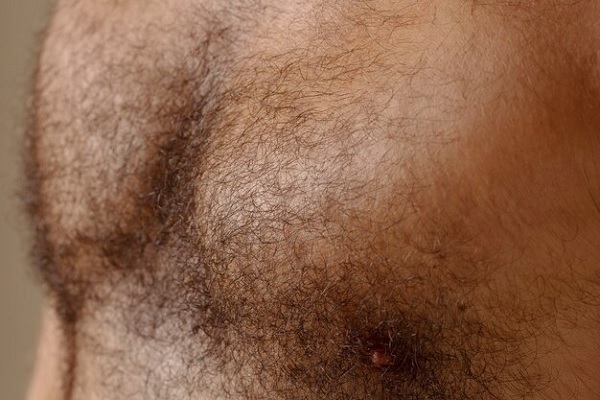
A body hair transplant (BHT) is a surgical practice in which follicles are removed from a region of the body, usually the chest, back, or legs, and transplanted into the scalp to help restore hair growth. This procedure is usually performed on people with male pattern baldness, who may have limited hair available on the scalp for transplantation.
Body hair is generally thicker and thicker than scalp hair, and transplanted hair may not blend as perfectly as scalp hair. However, body hair transplantation may be a good option for those who have a limited number of donor hair available on their scalp.
Methods Of Body Hair Transplant

There are several methods used for body hair transplantation, including:
Follicular Unit Transplantation
In this method, a strip of skin is removed from the donor site (usually the chest, back, or legs) and then the hair follicles are removed and transplanted into the recipient area (usually the scalp).
Follicular Unit Extraction
In this method, individual hair follicles are extracted from the donor site using a small drilling tool and then transplanted to the recipient site.
Direct hair implantation
In this method, hair follicles are extracted with a small drilling tool and then immediately transplanted to the recipient area with a special implantation tool.
FUE Microphone
It is similar to FUE but with smaller punches that are used to extract hair from the donor site and transplant it to the recipient area.
Keep in mind that the choice of method will depend on the specific needs of the person and the experience and expertise of the surgeon performing the procedure.
Difference Between Scalp Hair And Body Hair

Texture
Scalp hair is generally finer and softer than body hair. Body hair is usually thicker and thicker. This is due to the fact that the hair on the scalp is exposed to the elements and is more delicate. Body hair, on the other hand, is thicker and coarser because it has to protect the body from external factors.
Growth rate
Scalp hair usually grows more slowly than body hair. The average scalp hair growth rate is about 0.5 inches per month, while body hair grows at a faster rate of about 0.9 inches per month.
Density
Scalp hair is usually more densely packed than body hair. This is because the scalp has a higher number of hair follicles per square inch than other parts of the body.
Hair and body hair can vary in color
The scalp hair can be different shades of brown, black, blonde, red, etc. But body hair is usually darker in color, as it is exposed to less sunlight.
Longitude
Scalp hair can grow much longer than body hair. Scalp hair can grow up to several feet long, while body hair usually grows to a much shorter length. This is because scalp hair has a longer growth cycle.
Purpose
Scalp hair has the primary purpose of protecting the scalp from the sun and cold, while body hair has the primary purpose of providing warmth and insulation.

Curl pattern
Scalp hair can have a variety of curl patterns, from straight to curly, while body hair is usually straight. This is because scalp hair is exposed to more environmental factors that can affect your curl pattern.
Diameter
Scalp hair is usually thinner in diameter than body hair. This is because scalp hair is exposed to more environmental factors that can affect its diameter.
Transplant Success Rate
Scalp hair is considered a better choice for hair transplantation because it has a higher success rate and a more natural-looking result compared to body hair. This is due to the fact that scalp hair is more similar to the hair that is already present on the scalp, which makes it more likely to blend smoothly.
Maintenance
Scalp hair may require more maintenance, such as regular haircuts and trimmings, to keep it looking healthy and well-groomed. Body hair, on the other hand, may not require as much maintenance.
Aging
Scalp hair tends to thin and grey with age, while body hair can retain its thickness and color for longer. This is because the hair on the scalp is exposed to more environmental factors that can affect its color and thickness.
Growth cycle
Scalp hair has a growth cycle of 2 to 7 years, while body hair has a growth cycle of 3 to 12 months. This is because scalp hair goes through more growth and rest cycles than body hair, allowing it to grow longer.
It is important to note that these generalizations may not apply to everyone, and there may be variations in hair characteristics between people and also body hair characteristics may be different depending on the area of the body from which it is taken.
Advantages Of Body Hair Transplantation To Scalp
There are several potential advantages of using body hair for transplantation to the scalp:
- More donor hair: For people with male pattern baldness, there may be little hair available on the scalp for transplantation. Body hair can provide an additional source of hair for transplantation, increasing the total amount of hair that can be transplanted.
- Natural-looking results: Using body hair for transplantation can create a more natural-looking hairline. Body hair tends to be thicker, coarser, and darker than scalp hair, which can cause it to stand out less when transplanted to the scalp. This can help create a more natural-looking hairline that blends seamlessly with your existing scalp hair.
- Suitable for people with limited hair on their scalp: For people who have little hair available on their scalp, body hair transplantation may be a good option. Since the body has more hair than the scalp, using body hair can increase the total amount of hair that can be transplanted, which helps to create a fuller head of hair.
- No linear scar: The FUE method of body hair transplantation does not leave a linear scar in the donor area, unlike the FUT method, as it only involves the extraction of individual follicles without removing a strip of skin. This can help make the procedure more discreet and the recovery process faster.
Disadvantages of hair transplantation with body hair

Hair transplantation using body hair, although it may be a viable option for some people, has several disadvantages that are important to consider. Here are some of the main disadvantages:
Differences in hair texture and appearance
Body hair and scalp hair have different characteristics in terms of texture, thickness, and growth cycle. Body hair tends to be thicker, curly, and with a shorter growth cycle compared to scalp hair. This can result in an uneven and unnatural appearance after transplantation.
Pain and discomfort during extraction
Body hair removal can be more painful and cause more discomfort than scalp hair removal. Donor areas of the body, such as the chest, back, or legs. May be more sensitive and prone to irritation and pain during and after the procedure.
Risk of scarring
Body hair removal can leave visible scars in donor areas. Although modern transplant techniques, such as follicular unit extraction (FUE), minimize scarring, scars can still be more noticeable on the body than on the scalp.
Lower survival rate of transplanted hair
Body hair may have a lower survival rate after transplantation compared to scalp hair. This is due to differences in the structure and growth cycle of body hair. Which can make it more difficult for transplanted follicles to adapt and grow on the scalp.
Less predictable results
Due to differences in texture and growth cycle. The results of a hair transplant with body hair may be less predictable and consistent. This can lead to an uneven appearance and the need for additional procedures to achieve the desired result.
Increased cost and time of the procedure
Body hair transplantation can be more expensive and time-consuming than a traditional scalp hair transplant. Removing body hair is a more laborious process and may require more sessions to obtain the necessary number of follicles.
Risk of transplanted hair loss
There is a risk that the transplanted body hair will fall out after a year or two. This is because body hair has a different growth cycle and may not adapt well to the new scalp environment.
Possible postoperative complications
As with any surgical procedure, hair transplantation with body hair can have post-operative complications. These can include infections, inflammation, swelling, and redness in the treated areas.
Need for specific post-operative care
Post-operative care is crucial to the success of a hair transplant. In the case of using body hair, care may be more complex and require more attention to ensure that the transplanted follicles adapt and grow properly.
Limitations on the amount of hair available
The body hair available for transplantation may be limited, especially in people with little or low-quality body hair. This can restrict the number of follicles that can be transplanted and affect the final result.
Conclusion
body hair transplant is an innovative technique that offers an alternative solution for those seeking to restore their hair. However, this option has both advantages and disadvantages that must be carefully considered.
On the one hand, the use of body hair can be beneficial for people with a limited amount of scalp hair. Providing an additional source of follicles for transplantation. In addition, body hair can be useful for improving density in specific areas of the scalp, achieving a fuller, more natural look.
However, there are several significant disadvantages. The main one is the difference in texture and growth cycle between body hair and scalp hair. Body hair tends to be coarser and curlier, which can result in an uneven and less natural appearance. In addition, the survival rate of transplanted body hair may be lower. Which may require additional procedures to achieve the desired results.
Another aspect to consider is the risk of scarring in the donor areas of the body. As well as pain and discomfort during removal. The process of body hair removal is more laborious and can be more costly and time consuming than a traditional scalp hair transplant.
In conclusion, although hair transplantation with body hair may be a viable option for some people. It is crucial to carefully evaluate the advantages and disadvantages before making a decision. Consulting with a hair transplant specialist and discussing all available options is essential to ensure the best possible results. The choice of this technique should be based on a clear understanding of its limitations and realistic expectations about the results.


Responsable – CAPIL SOLUTIONS. S.L
*Términos y condiciones
Finalidad – Dar respuesta a las solicitudes de información, y poder enviarle nuestras publicaciones, promociones de productos y/o servicios, gestionar los comentarios en el blog
Derechos Arco - Acceder, rectificar y suprimir los datos, así como otros derechos, como se explica en la información adicional.
info@capilclinic.us
Legitimación – Consentimiento
Destinatarios – No se cederán datos a terceros salvo obligación legal
Política de privacidad – Puede consultar nuestra política de privacidad aquí
*Política de privacidad