

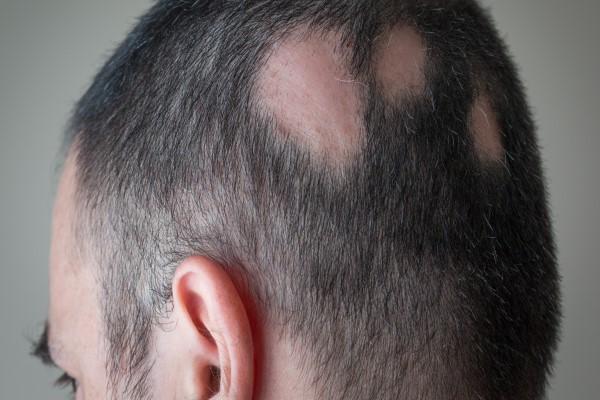
Alopecia areata, a relatively common autoimmune disorder, can be a distressing condition for those affected. This condition leads to unpredictable hair loss, resulting in round. Smooth patches on the scalp or other body parts where hair usually grows. It’s so annoying that people suffering from this want to know how to stop alopecia areata from spreading.
While the exact cause of alopecia areata remains unknown, it is thought to involve the immune system mistakenly attacking hair follicles, inhibiting their ability to produce hair. Though not life-threatening, the emotional and psychological impact of hair loss can be significant, making it essential to understand how to stop alopecia areata from spreading.
How to stop Alopecia Areata from spreading
If you want to stop alopecia areata from spreading, you will need medical treatments. You also need lifestyle adjustments and consistent self-care. Consulting a dermatologist or hair loss specialist is crucial for creating a personalized treatment plan. Below are some strategies to help manage and potentially prevent the spread of alopecia areata:
1- Corticosteroids
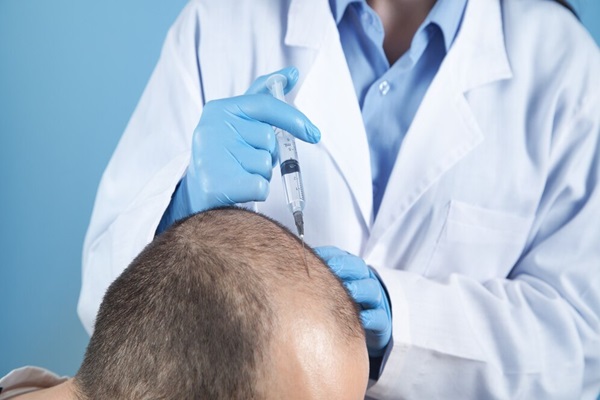
Corticosteroids are potent anti-inflammatory drugs used to treat conditions like arthritis and carpal tunnel syndrome. They can also help manage alopecia areata. Treatment options include corticosteroid injections or oral corticosteroids.
2- Corticosteroid injections
Corticosteroid injections are considered highly effective for patchy hair loss. A study with 101 patients experiencing patchy hair loss revealed that over 80 percent experienced hair regrowth within approximately 12 weeks of treatment.
These injections are administered every four to six weeks, with visible hair regrowth occurring after around four weeks of consistent treatment. Minor discomfort from the injection may occur, and some individuals may notice temporary depressions in the skin, which usually fade over time.
4- Oral Corticosteroids
While injections generally provide a more potent and targeted approach to treatment, oral corticosteroids like prednisolone present a valuable alternative. These oral medications can be especially advantageous in situations where injections may not be feasible due to patient preferences, medical conditions, or logistical challenges.
Additionally, the convenience of taking medication by mouth might make it a more appealing choice for those who are averse to needles or have difficulty accessing injection sites.
5- Topical Treatment
Minoxidil, commonly known as Rogaine, can help maintain hair growth after other treatments have initiated regrowth. This medication stimulates hair growth by encouraging hair follicles to enter the anagen (growth) phase of the hair growth cycle.
Research shows that using minoxidil for 48 weeks can increase total hair count by up to 18 percent. Additionally, some participants reported noticeably thicker hair, highlighting its potential effectiveness in promoting hair growth. Other topical treatments, such as topical corticosteroids, function similarly to corticosteroid injections by reducing inflammation around the hair follicles.
6- Enzyme inhibitor
Apart from minoxidil, there’s another FDA-approved treatment for alopecia areata. Olumiant, a Janus kinase (JAK) inhibitor, was recently approved for severe alopecia areata in adult patients. The drug blocks specific enzymes, effectively reducing inflammation. Side effects of Olumiant may include headaches, acne, high cholesterol, stomach pain, urinary tract infections, and fatigue.
7- Phototherapy
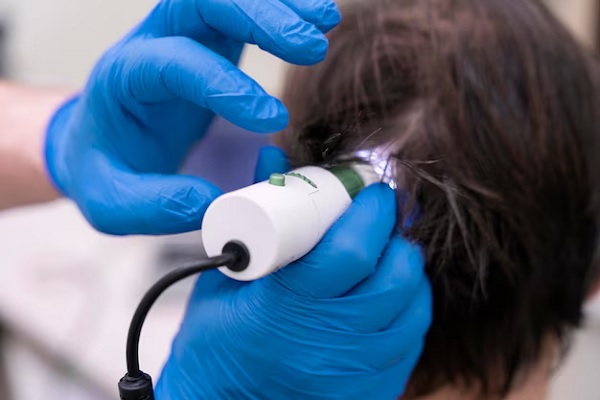
Phototherapy uses controlled exposure to ultraviolet (UV) light, specifically UVB, as a medical treatment. This approach targets affected areas of the skin to reduce inflammation and regulate the immune response behind various conditions.
By using UVB light, phototherapy stimulates healing and promotes hair growth in areas where it has been inhibited. Commonly used for conditions such as psoriasis and alopecia, this non-invasive method offers patients a way to improve skin health and effectively restore hair vitality.
What is Alopecia Areata?
Alopecia areata is an autoimmune disorder that causes the immune system to attack healthy hair follicles, leading to hair loss in small, circular patches. It can affect any area of the body, though it most commonly appears on the scalp and beard. The condition can develop suddenly and may come and go over time.
There are several types of alopecia areata. Patchy alopecia areata is the most common form, where small, coin-sized bald spots appear on the scalp or body. Alopecia totalis occurs when hair loss spreads across the entire scalp, leaving it completely bald. Alopecia universalis, the most severe form, causes the loss of all body hair, including eyebrows, eyelashes, and other areas. Understanding these variations is essential to determine the best approach to manage and potentially stop alopecia areata from spreading.
Why Alopecia Areata spreads
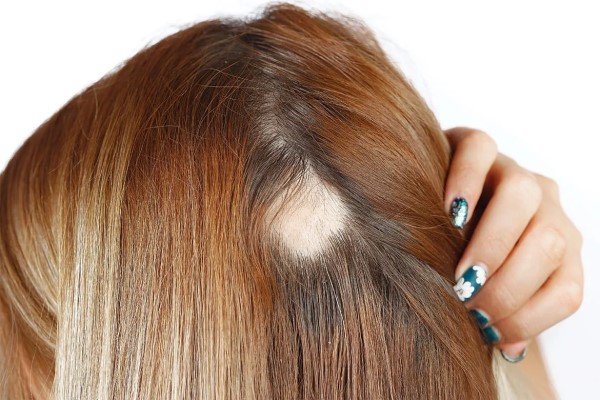
Alopecia areata can spread due to a mix of internal and external factors that influence the immune system and overall hair health. While genetics often play a role, environmental and lifestyle triggers such as stress, poor nutrition, or other autoimmune conditions can worsen the situation. When the immune system becomes overactive, it mistakenly targets hair follicles, causing inflammation and halting hair growth. Over time, this process can lead to the expansion of existing bald patches or the appearance of new ones in different areas of the scalp or body.
Emotional stress is one of the most common triggers, as it can alter the body’s immune response and accelerate the spread of alopecia. Likewise, deficiencies in key nutrients like iron, zinc, or vitamin D may weaken hair follicles and make them more vulnerable. Understanding these triggers helps in developing a personalised plan to stop alopecia areata from spreading and to encourage healthier regrowth.
| Cause | How it triggers hair loss | Typical pattern |
|---|---|---|
| Stress | Alters the immune response | Patchy spread |
| Autoimmune disorders | Attack follicles | Circular patches |
| Nutrient deficiency | Weakens follicles | Diffuse loss |
How to stop alopecia areata from spreading: Effective ways to control the spread
Besides medical treatments, you can also explore natural remedies available at home to support hair health. Additionally, adopting healthier routines can benefit both your hair and overall well-being. Simple lifestyle changes may complement other treatments, like PRP treatment, enhancing results and promoting long-term health.
Nutrition and Diet
A well-balanced diet rich in essential vitamins and minerals is vital for promoting healthy hair. To support hair growth, include nutrient-dense foods such as biotin sources (eggs, nuts, and whole grains) and iron sources (leafy greens like spinach and lean meats such as chicken). In addition, include zinc sources (beans, nuts, and whole grains), and Omega-3 fatty acids (fatty fish like salmon and plant-based options like flaxseeds). Incorporating these foods into your meals can greatly enhance hair vitality and support growth.
Scalp Care
Maintaining a healthy scalp requires keeping it clean and free from irritants while avoiding excessive friction or trauma. Use gentle, nourishing hair care products designed to be mild on both the scalp and hair. Avoid tight hairstyles that pull and strain hair follicles. Also, limit the use of heated styling tools like blow dryers and curling irons, which can cause additional stress.
Regular Follow-ups
Regular dermatologist visits are essential for monitoring your skin condition and tracking treatment progress. These check-ups enable timely adjustments to your treatment plan, ensuring it stays tailored to your changing needs. This approach helps maximize effectiveness and supports ongoing skin health.
Stress management
Stress is widely recognized as a potential catalyst for flare-ups of alopecia great. To mitigate the risk of exacerbating this condition, it is crucial to adopt effective stress management strategies. Engaging in relaxing activities such as deep-breathing exercises, mindfulness meditation, or gentle yoga can create a calming refuge amidst daily pressures.

Additionally, seeking professional support through therapy can provide valuable coping mechanisms and emotional relief, ultimately contributing to a greater overall sense of well-being and potentially preventing the progression of hair loss associated with stress.
Types of Alopecia Areata
Alopecia areata presents itself in various forms, each with its unique characteristics and severity. It has different types, each varying in severity and appearance. Understanding these types can help with proper diagnosis and treatment.
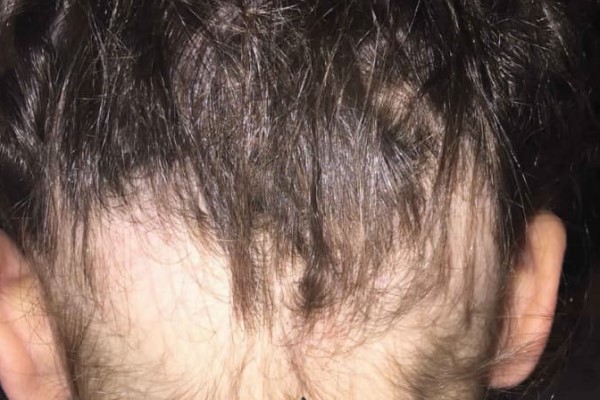
Alopecia Areata Patchy
Alopecia areata, in its most common form, causes sudden, distinct patches of hair loss on the scalp. These bald areas are well-defined, typically circular, and sharply contrast with the surrounding hair. The patches can vary significantly in size; some are small and subtle, while others are larger and more prominent.
Furthermore, bald spots often appear in multiple areas across the scalp, creating an unpredictable pattern of hair loss. This variability forms an irregular mosaic of hair and baldness, adding complexity to the condition.
Alopecia Areata Totalis
Alopecia areata, in its most common form, causes sudden and noticeable hair loss in patches on the scalp. These bald spots are well-defined and circular, contrasting with the surrounding hair. The size of these patches varies widely; some are small and subtle, while others are large and draw attention.
Additionally, bald spots often develop in multiple areas on the scalp, forming an unpredictable pattern of hair loss. This irregular distribution creates a mosaic of hair and baldness, making the condition more complex.
Alopecia Areata Universalis
Alopecia areata universalis is the most severe form of hair loss. It results in complete hair absence across the body. This condition affects the scalp and also leads to the loss of eyebrows and eyelashes. All other body hair is also affected, leaving individuals entirely hairless.
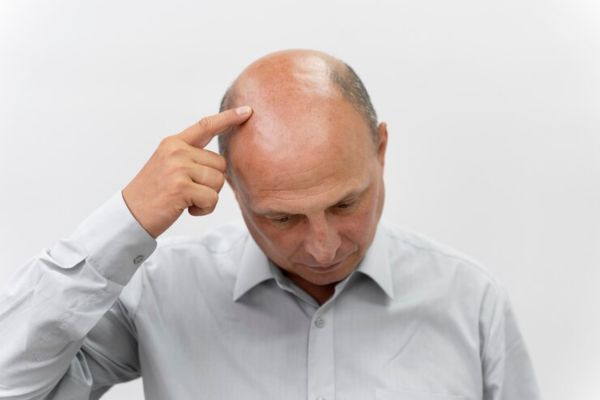
Regaining full hair coverage can be a difficult and lengthy process. It often requires a combination of treatments and a great deal of patience, as the hair follicles may take time to recover and resume normal function.
Ophiasis-pattern Alopecia Areata
This less common variant of hair loss forms a distinctive band-like pattern around the sides and back of the head. Unlike other types, it tends to be more resistant to treatment, making it particularly challenging to manage effectively. The gradual thinning creates a noticeable outline, which can be frustrating for those affected, as standard therapies often provide limited results.
Chronic relapsing-remitting Alopecia Areata
For some individuals, hair loss can be a complex and moving journey, marked by cycles of shedding and regrowth. At times, hair may thin or fall out in noticeable patches, only to be followed by periods of rejuvenation as new strands emerge. This unpredictable pattern often creates uncertainty and distress. The ebb and flow of the experience can be challenging.
Faq’s
Is alopecia areata contagious?
No, alopecia areata is not contagious. It is an autoimmune condition in which the body attacks its own hair follicles. You cannot catch it from someone else, and it does not spread through touch, sharing combs, or other everyday contact. Genetics and immune system factors play a much larger role than external exposure.
Can hair regrow after patch loss?
Yes, hair can often regrow after patchy hair loss caused by alopecia areata. The regrowth may be temporary or permanent, and it can vary in thickness and colour. In some cases, the hair returns naturally without treatment, while in others, medical interventions like corticosteroids or topical solutions can help stimulate regrowth.
What foods help strengthen follicles?
Eating a nutrient-rich diet can support hair follicle health. Foods high in protein, iron, zinc, omega-3 fatty acids, and vitamins A, C, D, and E are particularly beneficial. Examples include eggs, nuts, leafy greens, fatty fish, and berries. While diet alone cannot cure alopecia areata, it can help strengthen hair and support overall scalp health.
Conclusion
Stopping alopecia areata from spreading requires a combination of early intervention, healthy lifestyle habits, and appropriate medical treatments. By managing stress, maintaining a nutrient-rich diet, and seeking professional care, it’s possible to slow or even halt the progression of hair loss. Medical options such as corticosteroids, PRP therapy, and minoxidil can further support regrowth and protect vulnerable follicles. Understanding the triggers and patterns of alopecia areata empowers you to take control and preserve hair health.


Responsable – CAPIL SOLUTIONS. S.L
*Términos y condiciones
Finalidad – Dar respuesta a las solicitudes de información, y poder enviarle nuestras publicaciones, promociones de productos y/o servicios, gestionar los comentarios en el blog
Derechos Arco - Acceder, rectificar y suprimir los datos, así como otros derechos, como se explica en la información adicional.
info@capilclinic.us
Legitimación – Consentimiento
Destinatarios – No se cederán datos a terceros salvo obligación legal
Política de privacidad – Puede consultar nuestra política de privacidad aquí
*Política de privacidad