


Hair loss is a common concern for people of all ages and genders, often impacting self-esteem and overall well-being. While there are various factors that can contribute to hair loss, such as genetics, hormonal changes, and lifestyle choices, one element that has gained increasing attention in recent years is zinc. Zinc, a vital micronutrient essential for numerous bodily functions, is believed to play a crucial role in maintaining healthy hair and preventing hair loss. In this article we will talk about Zinc for Hair Loss.
We will explore the connection between zinc and hair loss, examining the scientific evidence, recommended dietary sources, and potential benefits of zinc supplementation in promoting hair growth and overall hair health. Whether you’re struggling with hair loss or simply looking to maintain your luscious locks, understanding the role of zinc in this process is a crucial step towards achieving your hair goals.
Benefits of Zinc in Hair Growth
Zinc, a trace mineral that is vital for overall health, is increasingly recognized for its role in promoting hair growth and preventing hair loss. Here are some of the key benefits of zinc when it comes to hair growth:
Supports Hair Follicle Health
Zinc is crucial for maintaining the health of hair follicles, which are tiny structures in the skin that produce hair. It helps in cell division and DNA synthesis, both of which are essential processes for healthy hair growth.
Balances Hormones
Hormonal imbalances can contribute to hair loss, especially in conditions like androgenetic alopecia (male and female pattern baldness). Zinc can help regulate hormone levels, particularly dihydrotestosterone (DHT), a hormone associated with hair loss.
Boosts Immune Function
A healthy scalp is essential for hair growth, and zinc is known for its immune-boosting properties. It helps prevent scalp infections and inflammation, creating an optimal environment for hair follicles to thrive.
Reduces Telogen Effluvium
Telogen effluvium is a condition characterized by excessive hair shedding. Zinc can help reduce the duration and severity of this condition by promoting hair follicle recovery.
Enhances Nutrient Absorption
Zinc plays a role in the absorption of other essential nutrients, such as iron and biotin, which are also important for healthy hair. Ensuring adequate zinc levels can indirectly support hair growth by optimizing nutrient uptake.
Antioxidant Protection

Zinc acts as an antioxidant, protecting hair follicles from oxidative stress and free radical damage, which can contribute to hair thinning and loss.
Accelerates Hair Regrowth
In cases of hair loss due to various factors, including nutrient deficiencies, zinc supplementation has been shown to help accelerate hair regrowth when taken as part of a balanced diet.
While zinc is undoubtedly beneficial for hair growth, it’s essential to maintain an appropriate balance. Excessive zinc intake can lead to adverse effects. Therefore, it’s crucial to consult a healthcare professional or a registered dietitian to determine your specific zinc needs and whether supplementation is necessary.
How can Zinc Supplement Stop Hair Loss?
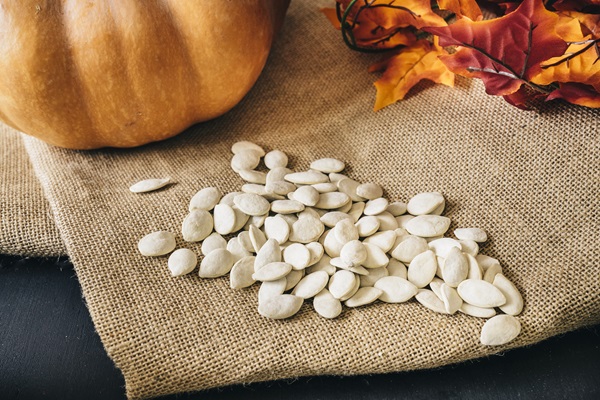
Zinc supplements can potentially help stop hair loss in individuals who have a zinc deficiency or whose hair loss is related to zinc imbalances. Here’s how zinc supplements may have an impact:
Correcting Zinc Deficiency: If you are deficient in zinc, supplementing with this mineral can help bring your zinc levels back to normal. A deficiency in zinc can contribute to hair loss, so addressing the deficiency may halt or slow down the shedding of hair.
Balancing Hormones: plays a role in regulating hormones, including dihydrotestosterone (DHT), a hormone associated with hair loss, especially in conditions like androgenetic alopecia. By restoring hormonal balance, zinc supplementation may reduce hair loss caused by hormonal imbalances.
Enhancing Follicle Health: is essential for the health of hair follicles, the structures in your skin that produce hair. Adequate zinc levels can support the proper function of these follicles, promoting healthier and stronger hair growth.
Reducing Telogen Effluvium: Telogen effluvium is a condition where excessive hair shedding occurs due to various factors, including nutritional deficiencies. Zinc supplements can help reduce the duration and severity of this condition by promoting the recovery of hair follicles.
Boosting Immune Function: has immune-boosting properties that can help maintain a healthy scalp. A healthy scalp is crucial for optimal hair growth, as it prevents scalp infections and inflammation, both of which can contribute to hair loss.
It’s important to note that while zinc can be beneficial for hair health and may help prevent hair loss in cases of deficiency or imbalances, it is not a one-size-fits-all solution. The effectiveness of zinc supplementation depends on the underlying cause of hair loss. If your hair loss is due to factors other than zinc deficiency, such as genetics or medical conditions, zinc supplements alone may not provide a significant improvement.
Food that Supplies Zinc
A vital nutrient obtained from our diet, plays a crucial role in preventing sudden hair loss. This connection between zinc and our hair follicles highlights the significance of dietary intake over topical treatments. Below are plant-based foods, known as Phyllites, that enhance zinc absorption and contribute to improved hair growth.
Mighty Mushrooms
Shiitake mushrooms, rich in vitamin D, can provide up to 7 percent of your daily zinc needs. Incorporating these mushrooms into your diet can effectively combat zinc deficiency and reverse balness. Moreover, their consumption can fortify your immune system and support bone health.
Spinach
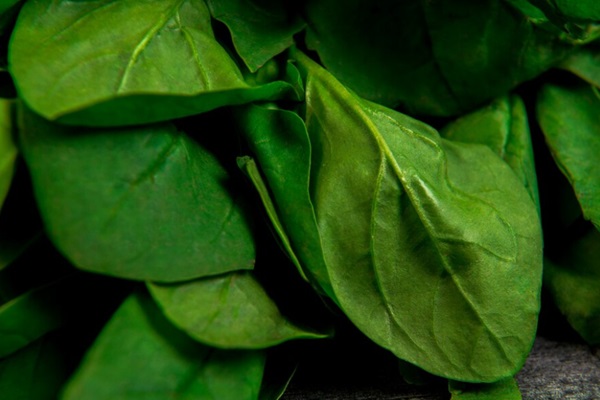
Regular consumption of spinach, containing approximately 0.16 grams of zinc, can significantly stimulate hair growth. Additionally, spinach contributes to elevated iron levels, further enhancing hair texture and promoting healthy hair growth.
Legumes
Including legumes like lentils in your diet, which are both high in protein and zinc, can accelerate hair growth and improve hair texture. These plant-based foods not only offer ample zinc but also provide essential nutrients that boost immunity and support gut health. For instance, 100 grams of chickpeas provide around 1.5 milligrams of zinc.
Pumpkin Seeds
Don’t underestimate the power of pumpkin seeds. A single serving contains around 2 grams of zinc, making them a potent remedy for hair loss while promoting the growth of new hair. These seeds also offer essential nutrients that strengthen your immune system, making them a valuable addition to your diet.


Responsable – CAPIL SOLUTIONS. S.L
*Términos y condiciones
Finalidad – Dar respuesta a las solicitudes de información, y poder enviarle nuestras publicaciones, promociones de productos y/o servicios, gestionar los comentarios en el blog
Derechos Arco - Acceder, rectificar y suprimir los datos, así como otros derechos, como se explica en la información adicional.
info@capilclinic.us
Legitimación – Consentimiento
Destinatarios – No se cederán datos a terceros salvo obligación legal
Política de privacidad – Puede consultar nuestra política de privacidad aquí
*Política de privacidad