

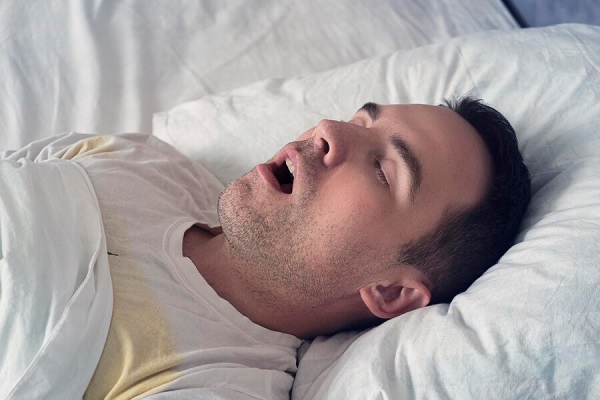
The effects of sleep apnea go far beyond feeling tired and groggy in the morning. People who suffer from this condition often experience a number of secondary problems. Including marital problems, weight gain, and decreased cognitive functioning. In addition, studies have found that the prolonged effects of sleep apnea can even trigger the onset of genetic traits such as androgenetic alopecia. It is also known as male or female pattern baldness. In this post you will find the answer to whether Sleep Apnea Cause Alopecia.
Given the undeniable relationship between added stress and living with sleep apnea. It’s no wonder that many people wonder if sleep apnea can cause hair loss. In this article, we’ll explore the various factors that can contribute to hair loss and examine the correlation between alopecia and sleep apnea.
Does sleep apnea cause alopecia?
Although there is no direct causal relationship between alopecia and sleep apnea. There is enough evidence to establish a correlation between the two conditions. It is normal for humans to lose hair on a daily basis as new hair grows to replace it. The process is controlled by a person’s circadian rhythm, or internal clock.
A 2014 study found a link between circadian rhythm consistency and tissue integrity of regenerated stem cells. The prolonged disruption of the sleep-wake cycles of the animals tested influenced their hair follicles. These findings raise further concerns about the link between sleep deprivation and human hair loss.
The secretion of melatonin, which is sometimes used as a topical solution for hair loss, is affected by the sleep-wake cycle. Melatonin secretion occurs during normal sleep hours. But it can be disrupted by irregular sleep-wake cycles or prolonged exhaustion, both of which are hallmarks of sleep apnea.
Obstructive sleep apnea and hair loss

Obstructive sleep apnea is the most common form of the condition and is characterized by relaxation of the throat muscles. This blocks the passage of air, causing snoring and a decrease in oxygen levels in the blood. The brain senses the tension of the breath and wakes the sleeping person for a moment. A pattern that can be repeated more than 30 times per hour each night.
This disruption worsens over time, leading to ongoing burnout and, in some cases, neurobiological “cost” or “sleep debt.” The cycle of sleep deprivation and hair loss is initiated by the disruption of sleep. This creates additional strain on family, work, and personal life, which in turn contributes to hair loss.
Stress as a link between sleep apnea and alopecia
The link between sleep apnea and hair loss is complex, with several different factors at play. There are several ways that sleep apnea can cause hair loss, but the most common mechanisms involve stress. Stress is one of the main contributors to hair loss, and when combined with chronic sleep deprivation caused by sleep apnea, it can lead to a variety of hair-related problems.
One way that sleep apnea causes hair loss is by putting hair follicles into a dormant or dormant state. When hair follicles are in this state, they are not actively producing new hair, which can lead to a buildup of hair that eventually falls out during a future wash or styling. This is one of the most common forms of hair loss associated with sleep apnea.
Another way sleep apnea causes hair loss is through psychosomatic responses. Stress can cause people to engage in destructive behaviors, such as pulling at their hair or eyebrows. This condition is known as trichotillomania and is a way for some people to cope with negative feelings. It can lead to significant hair loss and can be difficult to treat.
Finally, intense stress can also create an immune system response that attacks hair follicles. This is seen in conditions such as alopecia areata, which is an autoimmune disorder that causes hair loss on the scalp and other parts of the body. This type of hair loss can be particularly distressing and difficult to treat.
What causes hair loss?

Hair loss can have a variety of causes, including:
- Family genetics: Male/female pattern baldness is the most common cause of hair loss.
- Hormonal and medical conditions: Pregnancy, thyroid problems, and alopecia areata can cause hair loss.
- Health medications and supplements: Certain medications and supplements used to treat conditions such as high blood pressure, arthritis, and cancer can cause hair loss.
- Hairstyles and treatments: Certain hairstyles and treatments, such as hot oil treatments, can put a lot of pressure on the scalp and hair follicles.
- Traumatic events or ongoing stress: A traumatic event or ongoing stress can also cause hair loss.
A sleep study published in 2017 found a number of connections between repeated sleep disruption and short- and long-term health problems. The stress caused by ongoing discomfort can accelerate the appearance of genetic traits, such as androgenetic alopecia.
Remedies for sleep apnea
- Maintain a healthy weight: Doctors often advise patients who have sleep apnea to reduce their weight. The airways may remain open, and the symptoms of sleep apnea may be lessened by maintaining a healthy weight. According to research, moderate weight loss in obese people may prevent the need for respiratory surgery or prolonged CPAP therapy.
- Try yoga: your energy levels will increase, your heart will be strengthened, and your sleep apnea will improve with regular exercise. Yoga can specifically strengthen the respiratory muscles and promote oxygen flow.
- Modify your sleeping position: Even if it’s a minor adjustment, changing your sleeping posture can help with sleep apnea problems and improve your sleep quality.
Treatments for Alopecia
Alopecia is a condition that impacts millions of people globally. It can have a significant impact on the self-esteem and quality of life of those who suffer from it. Fortunately, there are a variety of treatments available that can help slow hair loss and, in some cases, promote hair growth. Below are the most common and effective treatments for alopecia.
Drugs
Minoxidil
Minoxidil is a topical medication that is applied directly to the scalp. It is available without a prescription and is used in both men and women. It works by prolonging the hair growth phase and increasing the size of hair follicles. Results may vary, but many users experience a reduction in hair loss and moderate growth after several months of continuous use.
Finasteride
Finasteride is an oral medication that is mainly used in men to treat androgenetic alopecia. It works by inhibiting the enzyme 5-alpha-reductase, which converts testosterone into dihydrotestosterone (DHT), a hormone that contributes to the miniaturization of hair follicles. Finasteride can help stop hair loss and, in some cases, promote hair growth. However, it is not suitable for women of childbearing age due to its possible side effects.
Dutasteride
Similar to finasteride, Dutasteride is a 5-alpha-reductase inhibitor, but it is more potent and blocks both forms of the enzyme. It is used in cases of more severe androgenetic alopecia and may be an option for those who do not respond well to finasteride.
Therapies
Low-Level Laser Therapy (LLLT)
Low-level laser therapy is a non-invasive treatment that uses laser light to stimulate hair follicles and promote hair growth. It is believed to improve blood circulation in the scalp and increase energy production in the hair follicle cells. LLLT devices are available for use at home and in specialty clinics.
Platelet-Rich Plasma (PRP)
Platelet-rich plasma treatment involves the removal of a small amount of blood from the patient, which is then processed to concentrate the platelets. This concentrated plasma is injected into the scalp, where platelets release growth factors that can stimulate hair follicles and promote hair growth. This treatment has shown promising results in clinical trials and is becoming increasingly popular.
Microneedling
Microneedling is a procedure that uses a device with fine needles to create micro-perforations in the scalp. These micro-perforations can stimulate collagen production and improve the absorption of topical products such as minoxidil. In addition, it has been shown that microneedling can activate stem cells in hair follicles, promoting hair growth.
Surgical Procedures
Hair Transplant
Hair transplantation is an effective option for those with advanced alopecia. This procedure involves removing hair follicles from a donor area of the scalp and implanting them in the areas affected by alopecia. There are two main methods: follicular unit extraction (FUE) and follicular unit transplantation (FUT). FUE is less invasive and leaves minimal scarring, while FUT may be more suitable for larger volume transplants.
Scalp Reduction
Scalp reduction is a surgery that involves removing bald areas from the scalp and stretching the areas with hair to cover the affected parts. This procedure is less common than hair transplantation and is usually used in combination with other treatments.
Care & Products
Shampoos & Conditioners
The use of specific shampoos and conditioners for hair loss can complement other treatments. These products typically contain ingredients such as biotin, caffeine, ketoconazole, and saw palmetto, which can strengthen hair and improve scalp health.
Nutritional Supplements
Maintaining a balanced diet full of nutrients is crucial for healthy hair. Supplements containing B vitamins, vitamin D, iron, zinc, and omega-3 fatty acids may be beneficial for those who experience hair loss due to nutritional deficiencies.
Styling Products
Using the right styling products can help improve the appearance of fine or thinning hair. Volumizing products, such as mousses and sprays, can give the appearance of thicker, fuller hair. It is important to avoid products that contain alcohol or harsh ingredients that can damage the hair.
Alternative Therapies
Essential oils
Some essential oils, such as rosemary oil, peppermint oil, and lavender oil, have been traditionally used to promote hair growth. These oils can improve blood circulation in the scalp and have anti-inflammatory properties. However, it is important to dilute them properly and perform a patch test before use to avoid allergic reactions.
Acupuncture
Acupuncture is a technique in traditional Chinese medicine that involves inserting thin needles into specific areas of the body. Some studies suggest that acupuncture can improve blood circulation and reduce stress, which could have a positive effect on hair health. Although scientific evidence is limited, some patients find benefits in this therapy.
Diet & Lifestyle
Maintaining a healthy lifestyle is critical to hair health. Reducing stress, getting enough sleep, and maintaining a balanced diet can have a positive impact on the prevention and treatment of alopecia. Avoiding tobacco and excessive alcohol consumption is also important, as these habits can negatively affect hair health.
Conclusion
The relationship between sleep apnea and alopecia is a topic of growing interest in medical research. Sleep apnea, characterized by repeated interruptions in breathing during sleep, can lead to a number of health problems, including chronic stress and hormonal imbalances. These factors, in turn, can contribute to hair loss or alopecia.
Chronic stress associated with sleep apnea can increase cortisol levels, a hormone that, in excess, can negatively affect hair follicles. In addition, the intermittent hypoxia (lack of oxygen) that occurs during episodes of apnea can affect blood circulation, including to the scalp, which could weaken hair follicles and cause them to fall out.
In summary, although the direct relationship between sleep apnea and alopecia still requires further investigation, underlying mechanisms such as chronic stress and hypoxia suggest that sleep apnea may be a contributing factor to hair loss in some people. It is important to address both problems comprehensively to improve overall health and quality of life.


Responsable – CAPIL SOLUTIONS. S.L
*Términos y condiciones
Finalidad – Dar respuesta a las solicitudes de información, y poder enviarle nuestras publicaciones, promociones de productos y/o servicios, gestionar los comentarios en el blog
Derechos Arco - Acceder, rectificar y suprimir los datos, así como otros derechos, como se explica en la información adicional.
info@capilclinic.us
Legitimación – Consentimiento
Destinatarios – No se cederán datos a terceros salvo obligación legal
Política de privacidad – Puede consultar nuestra política de privacidad aquí
*Política de privacidad