


As more people look for solutions to hair loss, hair transplants have become a popular choice for restoring natural growth. A common concern is, “Does a hair transplant hurt?” Understandably, many patients want to know what to expect in terms of pain before making a decision.
Most procedures cause only mild discomfort, as local anaesthesia and prescribed medication make hair grafting pain manageable. Clinics in Turkey often use advanced technology to reduce recovery discomfort, while London hair transplant clinics are recognised for high standards and experienced specialists who focus on patient comfort.
Choosing the right clinic plays a major role in the overall experience and results. Reviews of hair transplant surgery in Turkey and London frequently highlight pain levels, aftercare, and satisfaction, helping patients set realistic expectations. Ultimately, whether you choose London or Turkey, understanding how a hair transplant works and what recovery involves can ease anxiety and support a positive outcome.
How can I prepare for the hair transplant hurt?
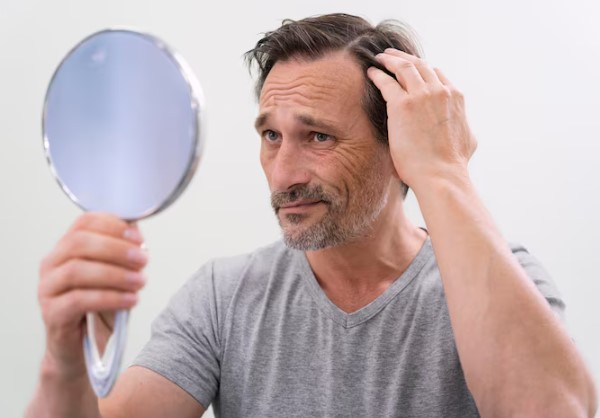
Preparation is key to minimizing pain during a procedure. It is important to carefully adhere to all pre-operative instructions provided by your surgeon. This may involve abstaining from blood thinners, alcohol, and smoking in the days leading up to the procedure.
Additionally, it is advisable to arrange for a responsible individual to drive you home after the procedure and to assist you during the initial stages of your recovery. These preparations can greatly contribute to a smoother and more comfortable recovery experience.
Start your hair transformation now!
Are there ways to manage pain after a hair graft?
Yes, effective pain management strategies post-surgery involve following your surgeon’s prescription for pain medications and using them as directed. It’s also beneficial to apply ice packs to the affected area to reduce swelling.
Following all post-operative care instructions provided by your surgeon is crucial for a smooth recovery. (Source: PubMed) Furthermore, maintaining an elevated head position while resting can help alleviate discomfort during the initial recovery phase.
How does a hair transplant work?
If you wonder “how does hair transplant work?”, it works by redistributing healthy hair follicles from a donor site to a recipient area, ensuring natural and permanent results. While many people wonder “does a hair transplant hurt?”, the procedure is generally well tolerated under local anaesthesia with only mild discomfort.
A hair transplant involves moving hair follicles from a donor area, usually at the back or sides of the head, to a recipient area where hair is thinning or missing. The success of the procedure depends on the surgeon’s skill, the technique chosen, and the quality of the donor’s hair. (Source: NHS UK)
Main techniques: FUE and FUT
There are two main methods: Follicular Unit Extraction (FUE) and Follicular Unit Transplantation (FUT). FUE extracts individual follicles, leaving minimal scarring and offering faster recovery. FUT removes a strip of scalp, enabling the transplantation of a larger number of grafts in one session but with a slightly longer healing time.
Pain and discomfort concerns
Concerns about whether a hair transplant hurts are common. Thanks to modern techniques, pain is minimal and easily managed. Most patients describe the experience as mildly uncomfortable rather than painful, especially when proper aftercare is followed.
The step-by-step process
The full procedure involves several stages: consultation, scalp evaluation, hairline design, follicle harvesting, graft preparation, and implantation into the recipient area. After the operation, transplanted hair sheds before regrowth begins around the third or fourth month. Full results typically appear within 12 months, delivering natural and long-lasting outcomes.
Schedule a consultation with a hair transplant specialist
Hair transplant pain: Does it hurt?

The level of pain involved in a hair transplant depends on the technique used and the patient’s pain threshold. The procedure itself is performed under local anesthesia, which is injected into the scalp to numb the area. This means that patients will be awake during the procedure but should not feel any pain.
Does FUE hair transplant hurt?
FUE hair transplants are known to be less painful than FUT hair transplants. The procedure is performed under local anesthesia, and patients typically do not experience pain during the process. However, some mild discomfort may arise during the healing phase, including itching or a sensation of tightness in the scalp. This discomfort is manageable and usually temporary, resolving within a few days post-surgery. It is one of the reasons many patients opt for FUE over other methods.
Does FUT hair transplant hurt?
FUT hair transplants are known to be more painful than FUE hair transplants. The technique involves removing a strip of hair-bearing skin, which can increase post-operative pain. Even though the surgery is conducted under local anesthesia, patients may feel more significant discomfort during recovery compared to FUE. The area from which the strip is removed can remain sore for several days. Still, this pain can be managed effectively with medication prescribed by the surgeon.
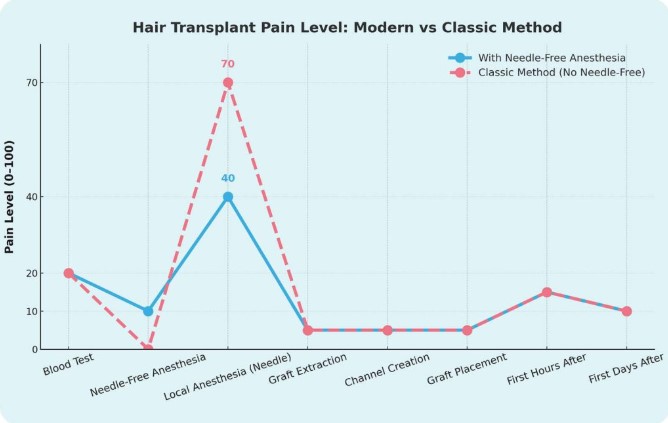
Hair transplant techniques
Both FUE and FUT have their advantages and considerations. The choice between the two techniques often depends on the patient’s specific needs, preferences, and the expertise of the hair transplant surgeon. Understanding whether hair transplant hurt is essential before making a decision.
Remember that it’s very important for individuals considering hair transplantation to consult with a qualified and experienced professional to determine the most suitable approach for their unique circumstances.
Follicular Unit Extraction (FUE)
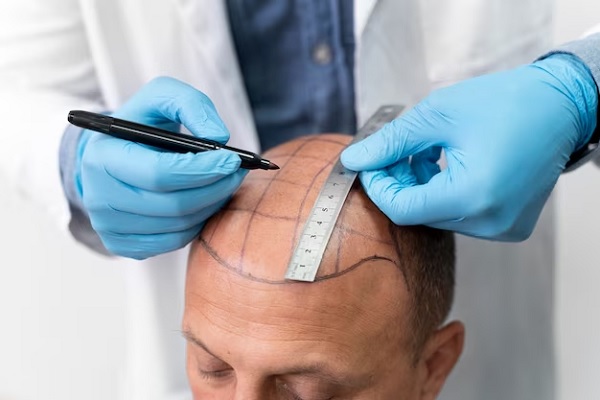
This is a minimally invasive hair transplant technique that involves extracting individual hair follicles from the donor area using a specialized punch tool. These follicles are then transplanted into the recipient area where hair growth is desired. (Source: PMC)
FUE is known for leaving minimal scarring, as the small incisions made during the extraction process heal quickly and are virtually undetectable. This makes FUE an attractive option for individuals seeking a natural-looking result without the appearance of visible scarring. Hair transplant pain concerns are often minimized with this method due to the less invasive nature of the procedure.
Follicular Unit Transplantation (FUT)
On the other hand, Follicular Unit Transplantation (FUT) involves removing a narrow strip of hair-bearing skin from the donor area, typically located at the back or sides of the scalp. This strip is then carefully dissected into individual hair follicles under a microscope before being transplanted into the recipient area.
While FUT can yield excellent results, it does leave a linear scar at the donor site. However, this scar can often be concealed by surrounding hair, especially for individuals with longer hair. When researching options, many patients explore the best hair transplant in Turkey for trusted expertise and modern techniques.
Hair transplant hurt: How to avoid it?
Experiencing discomfort after a hair transplant is common, but it shouldn’t be severe or long-lasting. It’s important to understand the causes and take steps to reduce pain and protect your new grafts during recovery. Here’s a breakdown of why pain may occur and what you can do to prevent it.
Using a local anesthetic
A local anesthetic is applied during both FUE and FUT hair transplant procedures to numb the treatment area completely. This ensures patients remain comfortable and pain-free during the entire surgery. After the anesthetic wears off, patients may feel some tenderness or sensitivity. However, the discomfort is usually mild and subsides quickly.
Using pain-relieving medications

Pain-relieving medications such as ibuprofen or acetaminophen are often recommended after surgery. These help alleviate any pain or swelling that might occur during the initial recovery phase. Patients are also advised to avoid strenuous physical activity in the first few days. Doing so reduces the risk of irritation and promotes faster healing with less discomfort.
Compare the best clinics with no obligation
FAQ’s
Does a hair transplant hurt during the procedure?
Most patients report only mild discomfort during a hair transplant. Local anesthesia is used to numb the scalp, which prevents significant pain. You may feel slight pressure or pulling, but the process is generally well tolerated.
How painful is a hair transplant after surgery?
After the procedure, some tenderness, swelling, or mild soreness is common. The discomfort usually lasts a few days and can be managed with prescribed pain relievers. Most patients return to normal activities within a week.
Does FUE hair transplant hurt more than FUT?
Both Follicular Unit Extraction (FUE) and Follicular Unit Transplantation (FUT) involve local anesthesia, so pain during surgery is minimal. FUE often leads to less post-operative discomfort and faster healing compared to FUT, which requires stitches.
Is a hair transplant more painful than other cosmetic procedures?
Hair transplants are generally less painful than many cosmetic surgeries because they are minimally invasive. Patients often compare the sensation to dental work under local anesthesia rather than major surgery.
How long does the pain last after a hair transplant?
Mild pain or tightness can persist for 2 to 5 days after the procedure. By the end of the first week, most patients feel little to no discomfort. Following aftercare instructions helps speed up recovery.
Can I avoid pain during a hair transplant?
Yes, the procedure is performed under local anesthesia, which blocks pain signals. Communicating with your surgeon about your comfort level ensures you stay relaxed. Some clinics may also offer mild sedatives for extra ease.
Does hair transplant hurt when hair starts to grow back?
When new hair begins to grow, some patients feel minor itching or tingling in the scalp. This is a normal part of the healing process and not usually painful. Using recommended shampoos and care products helps reduce irritation.
Conclusion

Does a hair transplant hurt? Most patients are surprised by how little pain they feel. Local anaesthesia numbs the scalp, so the procedure is virtually painless. Some pressure or tingling may occur, but discomfort is minimal.
FUE typically causes mild soreness, while FUT may involve slightly more sensitivity due to the incision. Any post-surgery pain is short-lived and manageable with over-the-counter medication. Most people return to normal activities within a few days. With proper aftercare, including rest and keeping the scalp clean, recovery is smooth and discomfort fades quickly.
Whether you’re worried about hair transplant pain or simply want natural-looking results, our clinic is here to help. Visit capilclinic.us today to learn more and take the first step toward restoring your hair with confidence.


Responsable – CAPIL SOLUTIONS. S.L
*Términos y condiciones
Finalidad – Dar respuesta a las solicitudes de información, y poder enviarle nuestras publicaciones, promociones de productos y/o servicios, gestionar los comentarios en el blog
Derechos Arco - Acceder, rectificar y suprimir los datos, así como otros derechos, como se explica en la información adicional.
info@capilclinic.us
Legitimación – Consentimiento
Destinatarios – No se cederán datos a terceros salvo obligación legal
Política de privacidad – Puede consultar nuestra política de privacidad aquí
*Política de privacidad