


Hair straightening treatment is famous for those seeking sleek, straight locks. While curly and wavy hair can be stunning, some prefer straighter hair’s elegance and simplicity. This treatment is ideal whether you want to maintain straight hair regularly or temporarily tame your curls for a special occasion.
Various straight hair treatments are available, each catering to different hair types and needs. Understanding these options lets you select the best method for your desired look. Whether it’s a long-term solution or a quick fix, finding the proper treatment ensures a smooth and polished style.
Types of hair straightening treatment
Hair Relaxation Treatment
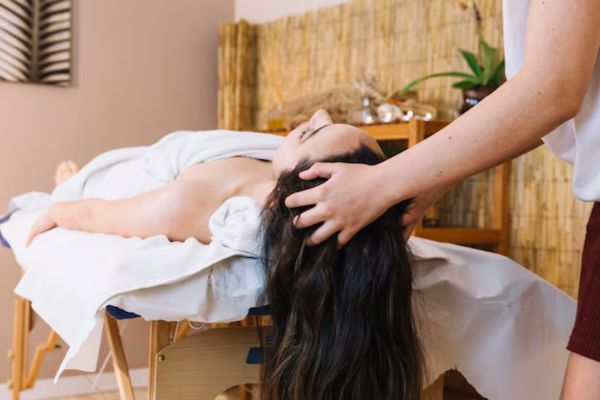
A hair relaxation treatment uses chemicals to break down the bonds in curly hair, resulting in a straighter texture. The stylist applies a relaxer cream to the hair, which is left on for a specified time based on the client’s hair type. This process typically takes two to three hours, depending on the hair’s thickness and length.
After rinsing out the relaxer cream, the stylist blow-dries and flat-irons the hair to lock in the straightness. This final step ensures a sleek, smooth finish until the hair grows out or undergoes another treatment. Hair relaxation is ideal for those seeking long-lasting straightness.
Japanese Straightening
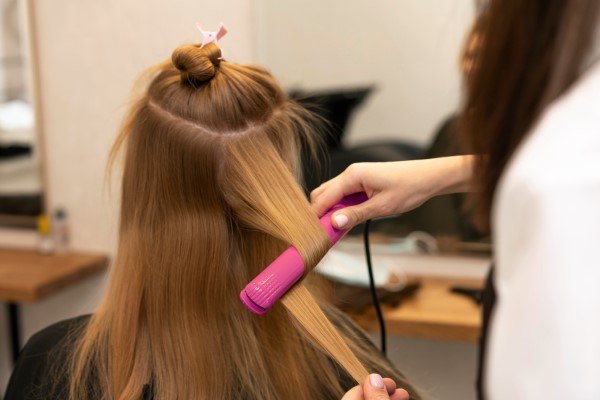
Japanese straightening offers a more intensive approach than hair relaxation treatments. Depending on hair length and thickness, the process can take up to six hours. A stylist applies a chemical solution that breaks down the bonds in the hair, altering its natural texture. After rinsing, the hair is flat-ironed at a high temperature, ensuring a sleek, straight appearance.
Unlike hair relaxation, which offers temporary results, Japanese straightening permanently changes the hair’s texture. As a result, even new hair growth will remain straight. This treatment is ideal for those seeking a long-term solution for smooth, straight hair with minimal maintenance.
Straightening hair with a flat iron
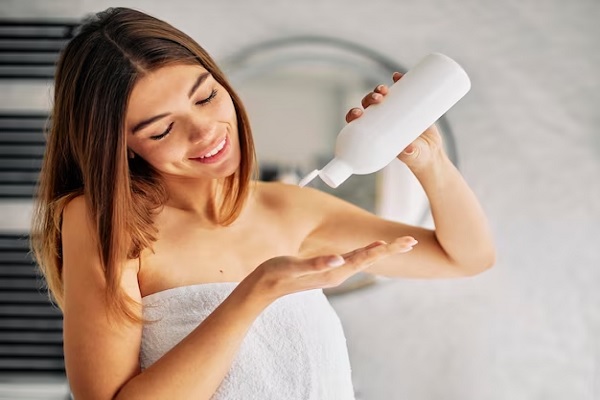
Using a flat iron provides a popular, temporary solution for straightening hair. This method involves passing the flat iron over small sections of hair, allowing the heat to break down hydrogen bonds in the strands. The result is smooth, straight hair that can be achieved quickly and easily, making it a convenient option for at-home styling.
While flat ironing offers immediate results, frequent use can damage the hair due to the high heat involved. To prevent dryness and breakage, it’s important to use heat protectants and avoid excessive flat ironing. For those looking for a quick fix, this method is effective but requires proper care.
Natural treatments of hair straightening
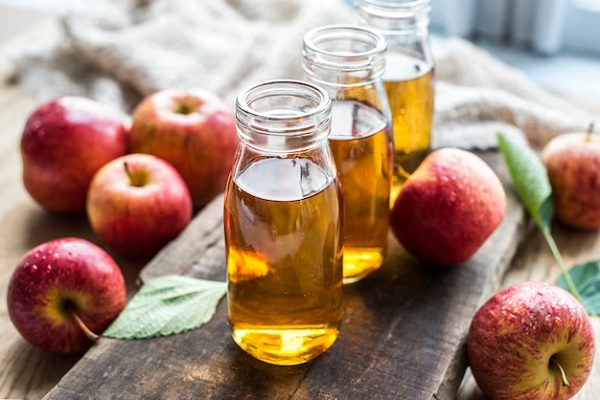
For those who prefer to avoid chemical treatments, natural methods offer an alternative for straightening hair. Using ingredients like coconut milk, olive oil, and egg whites, these methods help relax and smooth the hair. By applying these mixtures, individuals can achieve straighter, softer hair without exposing it to harsh chemicals, making it a gentler option for those with sensitive or damaged hair.
However, it’s important to note that natural straightening methods may not provide the same long-lasting or intense results as chemical treatments. The effectiveness varies depending on an individual’s hair type, texture, and overall condition. While some may experience noticeable results, others may find the effects more subtle and temporary.
Keratin Treatment
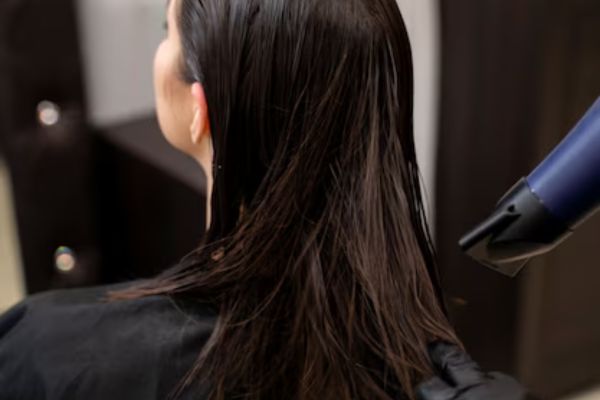
A keratin treatment provides a popular semi-permanent solution for straightening hair by coating it with a keratin-infused solution. This treatment penetrates the hair cuticle, smoothing out frizz and creating a sleek, straight appearance. After applying the solution, the stylist uses a flat iron or similar heat tool to seal in the keratin, which further straightens the hair and enhances its smoothness.
This treatment can last up to six months, offering a long-lasting option for those looking to reduce styling time and manage their hair more effectively. In addition to straightening, keratin treatments improve the overall health and appearance of the hair, leaving it smoother, shinier, and more resilient.
How to choose a straightening technique?
Choosing the proper straightening technique largely depends on your hair type, the condition of your hair, and your personal preference. Here are some factors to consider when choosing a straightening technique:
- Hair type: Your hair can play a significant role in determining the best straightening technique for you. For instance, if you have thick, coarse hair, you may require a stronger technique than someone with thin or fine hair.
- Hair condition: If your hair is damaged or fragile, you may need to choose a gentler straightening technique to avoid further damage.
- Desired results: Consider what kind of look you want to achieve. Do you want pin-straight hair, or do you prefer a looser, more natural-looking style?
- Budget: Different straightening techniques have different costs associated with them. Consider your budget when choosing a technique.
- Time commitment: Some straightening techniques may take longer to achieve than others. If you’re short on time, you may want to choose a technique that can be done quickly.
Dos And Don’ts of Hair Straightening Treatment
To ensure the best results and maintain your hair’s health after undergoing a hair straightening treatment, there are some important dos and don’ts to follow. Here are some tips to help you care for your hair:
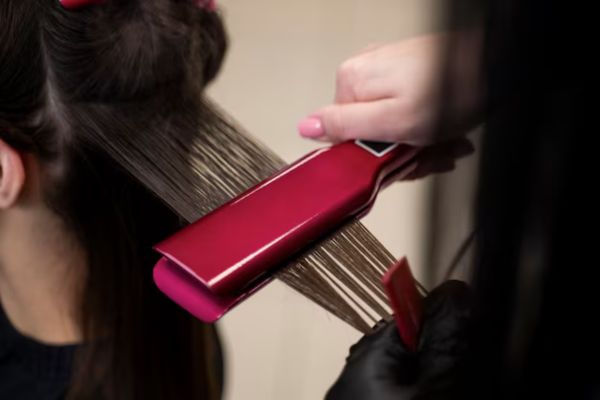
Dos
Wait before washing your hair
After undergoing a straightening treatment, it is crucial to observe a waiting period before washing your hair in order to ensure that the treatment sets ineffectively. This waiting period is particularly important for keratin and Japanese straightening treatments, where it is recommended to wait for a minimum of 72 hours before washing your hair. This extended waiting time allows the hair cuticles to fully absorb the treatment, ultimately leading to longer-lasting and more effective results.
For other types of straightening treatments, it is generally advised to wait at least 48 hours before washing your hair to achieve the best outcome. This waiting period is designed to allow the treatment to fully penetrate the hair cuticles and deliver the desired straightening effect. By patiently waiting for the recommended period of time before washing your hair, you can ensure that the straightening treatment effectively transforms your hair and delivers the desired results.
Use argan oil
After getting a straightening treatment for your hair, following a good hair care routine is essential to maintain its health and shine. One effective way to do this is by incorporating argan oil into your hair care regimen. Argan oil is rich in vitamins, minerals, and antioxidants that can help nourish and moisturize your hair, leaving it shiny and feeling soft.
To use argan oil after a straightening treatment, start by applying a small amount to the palms of your hands and then gently work it through your hair, focusing on the ends and any areas prone to dryness or frizz. Avoid applying too much oil; a little goes a long way, and you don’t want your hair to look greasy. In addition to its moisturizing properties, argan oil can also help protect your hair from heat styling and environmental damage. It forms a protective layer around the hair shaft, helping to shield it from potential harm.
Use good quality shampoo and conditioner
To care for chemically treated hair, choose shampoos and conditioners designed to provide extra moisture and nourishment. These products typically include ingredients that replenish lost moisture, repair damaged hair and protect color and texture. Avoid products with harsh sulfates and parabens, as they strip natural oils and cause further damage. When washing, be gentle to prevent breakage. Instead of scrubbing, massage the shampoo into your scalp and rinse thoroughly with lukewarm water. Afterward, apply conditioner generously to the mid-lengths and ends, leaving it on for the recommended time for deep nourishment before rinsing.
Use a wide-toothed comb for detangling and styling. Unlike brushes, which can pull and break hair, wide-tooth combs prevent damage. Their wider spaces between the teeth minimize pulling and snagging, making them ideal for delicate hair. This tool helps you manage and style your hair while reducing the risk of breakage, ensuring healthier, more manageable strands.
Use a leave-in conditioner
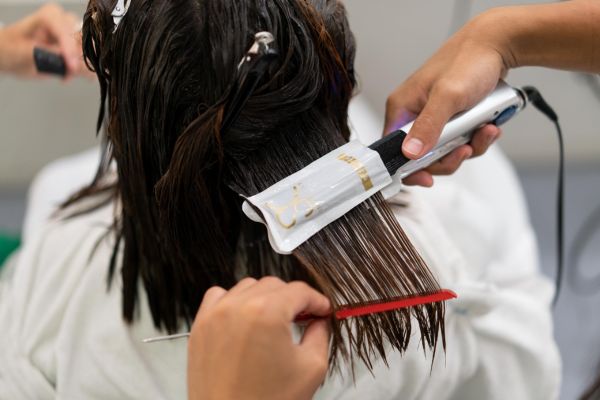
After exposing your hair to chemical treatments like coloring or perming, it is essential to use a leave-in conditioner to maintain moisture and protect against damage. Chemical treatments often strip your hair of its natural oils, leaving it dry, brittle, and more susceptible to breakage. A leave-in conditioner helps replenish the moisture lost during these processes, ensuring your hair remains hydrated and less prone to damage.
By regularly applying a leave-in conditioner, you can infuse your hair with essential nutrients that restore its natural balance. This not only improves its overall health but also enhances its shine and vibrancy. The conditioner creates a protective barrier, preventing further damage and leaving your hair feeling soft, nourished, and revitalized.
Get a hair spa done once a month
A hair spa treatment offers a luxurious and rejuvenating experience that revitalizes your hair from root to tip. This treatment focuses on deep conditioning, restoring moisture, shine, and softness to your hair. It can effectively repair damaged hair, reduce frizz, and promote a healthier, more balanced scalp. The combination of nourishing ingredients and specialized techniques works to strengthen your hair, making it smoother and more manageable.
Along with these benefits, a hair spa treatment often includes a soothing scalp massage to enhance blood circulation, which can reduce stress and promote relaxation. By nurturing both your hair and your scalp, the treatment improves overall hair health and vitality. Afterward, you’ll notice your hair looking and feeling incredibly nourished, revitalized, and full of life.
Trim your hair every three months
Scheduling regular trims with your hairstylist is essential for maintaining your hair’s health and appearance. Trimming your hair consistently helps prevent split ends, which can lead to frizzy, damaged strands. By removing these damaged sections, your hair will stay healthier and appear more polished. Regular trims also help control the shape of your hairstyle, ensuring that it stays fresh and well-groomed.
In addition to improving the overall look, frequent trims promote hair health by eliminating dry, brittle ends. This process allows hair to grow stronger and more resilient, reducing the chances of breakage. With each trim, hair can continue to thrive, looking and feeling its best.
Eat a protein-rich diet
Consuming enough protein from both plant-based sources, like legumes, nuts, and seeds, and animal-based sources, such as lean meats, fish, and dairy, plays a key role in promoting optimal hair growth. Protein delivers the necessary building blocks for strong and healthy hair, supporting its structure and resilience. Including diverse sources of protein in your meals ensures you get a broad range of nutrients that contribute to overall hair health.
Incorporating a variety of protein-rich foods into your diet helps meet your body’s needs for this vital nutrient. By balancing plant- and animal-based options, you can provide your hair with the support it needs to grow thicker and stronger. Additionally, regular consumption of high-quality protein can help prevent hair thinning, breakage, and damage.
Eat green vegetables

Green leafy vegetables like spinach, kale, and broccoli provide essential vitamins A and C, along with minerals such as iron and calcium. These nutrients play a vital role in promoting hair growth and nourishing the scalp, ensuring strong and healthy hair. Including these vegetables in your diet supports hair health by delivering the nutrients your follicles need to thrive.
Staying hydrated is equally important for maintaining healthy hair and scalp. Drinking plenty of water helps balance moisture levels, preventing dryness and flakiness in the scalp. Hydration also aids in transporting essential nutrients to the hair follicles, promoting growth and strengthening hair from the roots.
Get enough sleep
Adequate sleep plays a crucial role in maintaining overall health and directly impacts hair health. When you consistently sleep well, your body undergoes essential repair and rejuvenation processes that support healthy hair growth. This helps prevent hair loss and reduces damage, making sleep an important factor in hair care.
Increased blood flow to the scalp during sleep delivers nutrients and oxygen to hair follicles, promoting stronger and more vibrant hair. Additionally, proper rest helps regulate hormones that affect hair growth and health. Prioritizing quality sleep not only boosts general well-being but also ensures your hair remains strong and resilient.
Don’ts
Tie your hair
When styling your hair, it’s best to refrain from tightly tying it, as this can result in the formation of dents and crimps that may prove to be stubborn to smooth out. Over time, the tightness of the tie can leave a lasting impression on your hair, causing undesirable texture and shape.
Pull your hair behind your ears
Similarly, repeatedly pulling your hair behind your ears or securing it tightly with hair accessories can cause dents, creases, and crimping in your hair, which may affect its appearance and texture.
Expose your hair to humidity
Exposing your hair to humidity can cause it to frizz, become unruly, and lose its style. Humidity causes the hair to absorb moisture from the air, leading to swelling of the hair shaft and disrupting the style. This can be especially problematic for individuals with curly or wavy hair, as it can lead to loss of definition and increased frizz. Additionally, excessive exposure to humidity can also weaken the hair, making it more prone to breakage. Using anti-humidity hair products and protective hairstyles can help minimize the impact of humidity on your hair.
Use hair accessories
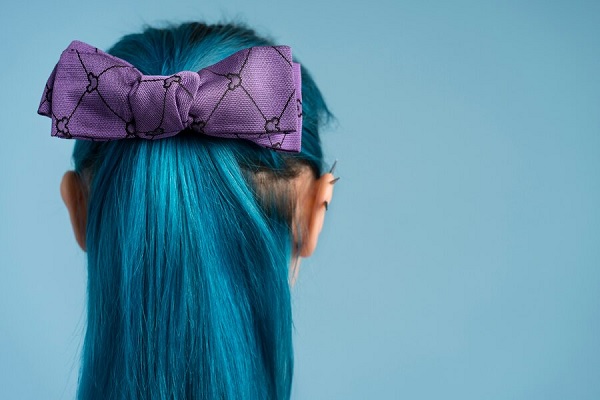
To maintain the health and appearance of your hair, it’s advisable to avoid using hair accessories, such as headbands or clips, that can cause dents or pull on your hair. These accessories can create unwanted creases and put stress on your hair, potentially leading to breakage or damage over time. Instead, consider opting for hair accessories that are designed to be gentle on your hair, such as wide fabric headbands, silk scrunchies, or spiral hair ties. These alternatives are less likely to leave marks or cause strain on your hair, helping to preserve its natural texture and prevent unnecessary breakage.
Use hot styling tools
To maintain the health of your hair, it is recommended that you refrain from using hot styling tools such as curling irons or straighteners for a minimum of one week following the treatment. Excessive heat can cause further damage to chemically treated hair, so it’s important to allow sufficient time for the hair to recover and regain its strength.
Faq’s
How long do hair straightening treatments last?
The longevity of hair straightening treatments varies by type. Chemical treatments like Japanese straightening can last permanently, while keratin treatments typically last 3-6 months. Temporary methods, such as flat ironing, last until the next wash.
Can hair straightening treatments damage my hair?
Yes, certain treatments can cause damage, especially those involving harsh chemicals or excessive heat. It’s essential to choose the right treatment for your hair type and follow aftercare instructions to minimize damage.
Are there any side effects to consider?
Some potential side effects of hair straightening treatments include dryness, breakage, and allergic reactions to chemicals. It’s important to perform a patch test and consult with a professional stylist to choose the safest option for your hair.
Conclusion
Hair straightening treatments offer a range of options for achieving sleek, straight hair, whether temporarily or permanently. By understanding the different methods available, you can choose the best one for your hair type and desired results. Remember to follow proper care guidelines to maintain your hair’s health and ensure a lasting, polished look. Embracing the right treatment will enhance your style while keeping your locks healthy and vibrant.


Responsable – CAPIL SOLUTIONS. S.L
*Términos y condiciones
Finalidad – Dar respuesta a las solicitudes de información, y poder enviarle nuestras publicaciones, promociones de productos y/o servicios, gestionar los comentarios en el blog
Derechos Arco - Acceder, rectificar y suprimir los datos, así como otros derechos, como se explica en la información adicional.
info@capilclinic.us
Legitimación – Consentimiento
Destinatarios – No se cederán datos a terceros salvo obligación legal
Política de privacidad – Puede consultar nuestra política de privacidad aquí
*Política de privacidad