

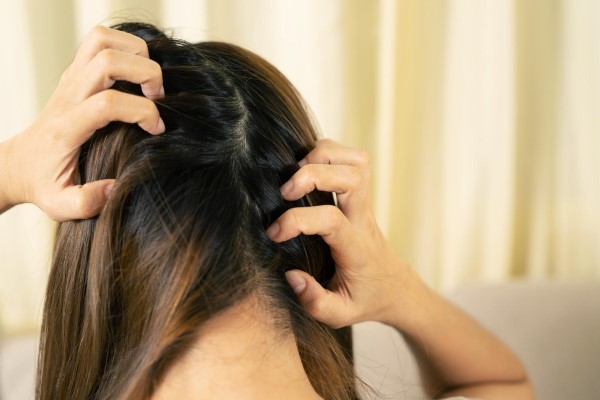
Folliculitis decalvans is an uncommon yet serious form of folliculitis, characterized by inflammation of the hair follicles, predominantly affecting the scalp area. This condition can lead to irreversible hair loss due to scarring, and if left untreated, it may result in permanent baldness.
This article aims to provide a comprehensive overview of folliculitis decalvans, detailing its causes, symptoms, diagnosis, and a range of treatment options available. By doing so, we hope to enlighten people dealing with this condition, their families, and healthcare professionals about the nature and implications of this disorder.
What is folliculitis decalvans?

Folliculitis decalvans is a chronic inflammatory scalp condition that destroys hair follicles and causes scarring hair loss. It primarily affects post-pubertal males, though cases in females and children have also been reported.
While the exact cause remains unknown, experts consider it an autoimmune disorder where the immune system mistakenly attacks hair follicles. This leads to the formation of pus-filled lesions, tender nodules, and eventually fibrosis or scarring of the follicles.
Diagnosis and evaluation
Diagnosing folliculitis decalvans typically involves a combination of clinical assessment, laboratory tests, and, in some cases, a skin biopsy.
Clinical assessment
During the initial evaluation, the healthcare provider will perform a thorough physical examination, focusing on the scalp and any hair loss or inflammation areas. They may also gather a detailed medical history, including any previous scalp conditions or treatments.
Laboratory tests
Depending on the clinical presentation, the surgeon may order various laboratory tests, such as:
- Culturing fungal samples: A doctor collects biological samples from affected areas such as skin, nails, or bodily fluids. Technicians then place these samples in a specialized culture medium designed to promote fungal growth. After that, they incubate the samples under carefully controlled conditions. Once they notice growth, a microscopic examination is carried out to identify the specific type of fungus present. This method is crucial for diagnosing a range of fungal infections, including athlete’s foot, ringworm, and systemic mycoses.
- Performing bacterial cultures: This procedure involves collecting samples from areas suspected of bacterial infection, which may include wounds, sputum, blood, or urine. Laboratory technicians cultivate these specimens using selective media designed to promote the growth of specific bacteria while suppressing others. Following an incubation period, they analyze the resulting colonies for distinctive characteristics that may indicate specific bacterial strains. Additional tests, such as sensitivity testing, can also be performed to identify the most effective antibiotics for treatment. This helps to accurately diagnose bacterial infections that may cause symptoms like fever, inflammation, or localized pain.
- Carrying Out Blood Tests: This process involves drawing blood samples to analyze various parameters that reveal important information about medical conditions. Technicians test for complete blood counts (CBC), inflammatory markers, and specific immune responses. Blood tests can also detect anomalies in white blood cell counts or antibodies indicating ongoing infections or autoimmune disorders. This way, doctors will understand potential disorders affecting the immune system and guide the creation of a personalized treatment plan for the patient.
Skin biopsy

In some cases, a skin biopsy may be necessary to confirm the diagnosis of folliculitis decalvans. This involves taking a small sample of the affected skin for microscopic examination. The biopsy can help differentiate folliculitis decalvans from other types of scarring alopecia and provide information about the specific pathological changes occurring in the hair follicles.
Who can get Folliculitis Decalvans?
Folliculitis decalvans primarily affects post-pubertal males, making them the most commonly affected demographic. This chronic inflammatory condition often presents in young adults and can lead to significant hair loss due to follicle destruction and scarring. While men are more frequently diagnosed, women and children can also develop this condition, although such cases are less common.
The exact reasons for the differing prevalence rates among genders remain unclear, but hormonal differences may play a role in its development. Anyone with a predisposition to autoimmune disorders may be at a higher risk of developing it. Additionally, people with a family history of similar conditions or those with compromised immune systems may be more susceptible.
What causes Folliculitis Decalvans?
The symptoms of this type of Folliculitis can vary from mild to severe, with the potential to significantly impact the patient’s quality of life. The most common symptoms are:
- Formation of pustules and crusts around the hair follicles: This refers to the development of small, raised bumps filled with pus (pustules) that can appear around the hair follicles. These bumps may eventually crust over as they dry out, indicating an inflammatory or infectious process in the skin.
- Itching, burning, or pain in the affected area: These sensations often accompany skin conditions. Itching can be a result of irritation or inflammation. On the other hand, burning or pain may indicate deeper issues, such as infection or severe inflammation in the area surrounding the hair follicles.
- Scarring alopecia (permanent hair loss): This is a form of hair loss where inflammation leads to damage to the hair follicles, resulting in scars. Unlike other types of hair loss, this is permanent because the damaged follicles can no longer produce hair.
- Tender, swollen, or warm scalp: These symptoms suggest inflammation in the scalp. Tenderness indicates sensitivity, swelling is a result of increased fluid in the tissues, and warmth can be a sign of an active inflammatory process, often associated with infection or significant irritation.
Other possible symptoms
The presence of pus indicates an infection, often due to bacteria. Fluid drainage can occur when lesions break open and is a sign that the body is attempting to fight an underlying infection or inflammation.
Increased sensitivity to hair care products and styling techniques can result from inflammation or irritation of the scalp. That makes the skin more reactive to products like shampoos, conditioners, or even styling tools. If the wrong products are used, this can lead to discomfort or worsening of the condition.
What are the consequences of Folliculitis Decalvans?

Various consequences may arise from this condition, which can significantly impact individuals. These repercussions could manifest in numerous ways, affecting both physical and mental well-being, social interactions, and overall quality of life.
- Permanent hair loss: Folliculitis decalvans is a condition that can severely damage hair follicles, often resulting in irreversible hair loss in affected areas of the scalp.
- Scarring: As the condition advances, it may lead to noticeable scarring on the scalp. This scarring not only contributes to further hair loss but can also result in raised, bumpy, and discolored patches on the affected skin.
- Recurrence: Folliculitis decalvans is known for its chronic nature, with individuals frequently experiencing relapses even after receiving treatment. Many patients endure cycles of hair loss followed by regrowth, only to find that the condition flares up again.
- Psychological impact: The experience of hair loss can profoundly affect an individual’s mental health, often leading to diminished self-esteem, feelings of depression, and heightened anxiety.
- Infection: In more severe instances, folliculitis decalvans may precipitate secondary infections, such as cellulitis or abscesses. These complications can necessitate medical intervention, including hospitalization and the administration of intravenous antibiotics.
- Spread to other parts of the body: Although rare, there are cases where folliculitis decalvans can extend beyond the scalp, affecting other areas such as the face, chest, and back.
It is essential to seek medical attention if you suspect you have folliculitis decalvans or any other scalp disorder to prevent the condition from worsening and to reduce the risk of complications.
How to treat Folliculitis decalvans?
Treating this condition can be difficult, as the condition tends to recur despite appropriate therapy. Various treatment modalities have been used to manage this condition, with varying degrees of success.
Antibiotics
Oral antibiotics, such as clindamycin, rifampin, and minocycline, are commonly used to treat it. These antibiotics target the Staphylococcus aureus bacterium and help reduce inflammation. Patients may need long-term antibiotic therapy, often lasting several months or even years, to control the condition.
Topical Treatments
Topical antibiotics, antiseptics, and corticosteroids can be used to manage milder cases of Folliculitis Decalvans or to complement systemic antibiotic therapy. These treatments can help reduce inflammation, itching, and bacterial colonization.
Surgical Interventions

In cases where this chronic inflammatory scalp condition has resulted in extensive scarring and hair loss, surgical interventions, such as hair transplantation, may be considered. Yet, the success of these procedures is highly dependent on the complete resolution of the underlying inflammation.
Isotretinoin
Doctors use isotretinoin, a vitamin A derivative, to treat severe and recalcitrant cases of Folliculitis Decalvans. This medication regulates hair follicle growth and differentiation, reducing inflammation and infection. However, using isotretinoin may lead to several side effects, including dry skin, mucous membrane irritation, and potential teratogenicity.
Immunomodulators
Immunomodulatory therapies, such as biologics and Janus kinase (JAK) inhibitors, have shown promise in the treatment. These medications target specific components of the immune system, reducing inflammation and tissue damage.
Faq’s
Can Folliculitis Decalvans be cured?

At this time, there is no absolute cure for the condition. However, effective management strategies can significantly alleviate symptoms and minimize the risk of scarring.
Is Folliculitis Decalvans contagious?
No, it is not contagious. This condition is classified as an autoimmune disorder, meaning that it arises from the immune system mistakenly attacking the body’s own tissues. It is important to note that it cannot be spread from one individual to another, as it does not originate from infectious agents or transmission.
What lifestyle changes can help manage Folliculitis Decalvans?
Ensuring proper scalp cleanliness, steering clear of potential irritants, and adhering to a healthcare professional’s prescribed treatment plan can significantly enhance the management of the condition.
Conclusion
Folliculitis decalvans is a challenging scalp condition with the potential for irreversible hair loss and scarring. Though currently incurable, various treatments, including antibiotics, topical therapies, and immunomodulators, can help manage symptoms and minimize complications.
Early diagnosis and consistent treatment are essential for controlling inflammation and preventing progression. Seeking medical attention promptly and adhering to a specialist’s guidance can improve outcomes and help individuals maintain scalp health, ultimately reducing the emotional and physical impact of this chronic condition.


Responsable – CAPIL SOLUTIONS. S.L
*Términos y condiciones
Finalidad – Dar respuesta a las solicitudes de información, y poder enviarle nuestras publicaciones, promociones de productos y/o servicios, gestionar los comentarios en el blog
Derechos Arco - Acceder, rectificar y suprimir los datos, así como otros derechos, como se explica en la información adicional.
info@capilclinic.us
Legitimación – Consentimiento
Destinatarios – No se cederán datos a terceros salvo obligación legal
Política de privacidad – Puede consultar nuestra política de privacidad aquí
*Política de privacidad