

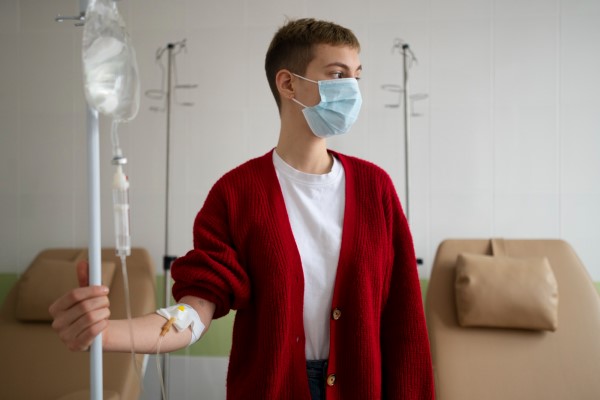
The significance of our hair often escapes us until we confront the prospect of its departure. When cancer enters the picture and chemotherapy becomes a necessity, the looming specter of hair loss becomes all too real. Both men and women grappling with cancer find themselves dreading this particular aftermath, as it serves as a conspicuous emblem of their condition and, therefore, their hair loss due to chemotherapy.
Hair loss due to chemotherapy, for many, acts as an inadvertent announcement to the world of their cancer battle. The fear of unveiling this private information to others often eclipses other potential complications arising from chemotherapy, like hair loss. Yet, by candidly addressing these concerns with your cancer care team and mentally preparing for the likelihood of losing your hair, you can navigate this arduous side effect of treatment with greater resilience.
Why does hair loss due to chemotherapy happen?

Chemotherapy medications are potent remedies that target rapidly dividing cancer cells. Unfortunately, they also affect other rapidly dividing cells in your body, including the ones responsible for hair growth. Chemotherapy-induced hair loss can occur not only on the scalp but also on various parts of your body, such as eyelashes, eyebrows, armpits, and pubic areas.
The extent of hair loss can vary, ranging from mild thinning to complete baldness. Different chemotherapy drugs have varying tendencies to cause hair loss, and the dosage administered can also play a role. Discuss your prescribed medication with your doctor or nurse; they can provide insights into what you should expect.
Can hair grow back after chemotherapy?
The positive aspect to note is that, in most instances, hair loss due to chemotherapy tends to be a temporary condition. This means that while many patients may experience significant thinning or complete loss of hair during their treatment, their hair often begins to regrow after the therapy concludes.
What you should expect about hair loss during chemotherapy

One of the most common side effects of chemotherapy is temporary hair loss or thinning. This is because chemotherapy drugs are meant to target rapidly dividing cells, like cancer cells, but they don’t differentiate between healthy cells and cancer cells. Hair follicles are among the fastest-dividing cells in the body, so the drugs often affect them, too.
The amount and location of hair loss can vary depending on the specific chemo drugs, dosage, and whether they’re taken orally or injected. Most people will generally experience some hair thinning within 2-3 weeks of starting chemotherapy. With subsequent treatments, the hair loss due to chemotherapy will progress until most or all of the hair on the scalp and body falls out.
Some people lose their hair gradually, while others lose it in handfuls. The hair may also change texture during chemo and become dry, brittle, or lighter in color. Losing hair due to chemotherapy can understandably be distressing from an aesthetic and self-image perspective.
Hair loss journey during chemotherapy
One of the most common side effects of chemotherapy is hair loss. Unfortunately, as the powerful drugs travel through the body to attack cancer cells, they do not distinguish between healthy and diseased tissue. The rapidly dividing hair follicle cells are one of the first structures to be affected.
Hair loss is an early sign that chemotherapy is working effectively. For many, the gradual thinning and hair loss is a visible reminder of the battle raging inside. Watching strands disappear down the shower drain can be physically and emotionally distressing, but it’s a sign that the treatment is doing its job.
But the chronology of hair loss also tells a story of hope. By knowing what to expect, patients and their loved ones can feel more prepared and less alarmed by the changes. Although it is an adjustment, it’s important to remember that hair loss is a temporary side effect. It does not have to mean a loss of courage or spirit. This, too, will pass like any wave that washes away the effects of treatment.
How much time does hair take to grow back after chemotherapy?
Typically, hair begins to regrow within three to six months after treatment is completed, although it may initially be a different color or texture.
Timeline of hair loss during chemotherapy
For many patients, no new hair growth occurs until chemotherapy is completed. Once treatment ends, hair will regrow gradually over several months. The new hair may be thinner or a different texture initially. However, we can divide this process in parts according to the weeks of treatment.

Weeks 1-2
Hair may start to thin gradually, leading to a subtle decrease in volume. In some cases, it may fall out in small, isolated patches, creating a noticeable change in the hair’s overall appearance. This initial shedding often goes unnoticed at first, as the loss tends to be minor and can blend in with the existing hair.
Additionally, people may experience a sensation of sensitivity or tingling on the scalp, which can indicate underlying changes in hair follicles or skin health. This heightened sensitivity might vary in intensity, potentially causing discomfort or awareness of the scalp that wasn’t present before.
Weeks 2-3
As time progresses, you may observe an increase in hair loss, particularly noticeable when brushing or washing your hair. You might find strands falling out more frequently than before. It leads to concerns about thinning. This thinning may be especially prominent in areas around the front hairline and the crown of your head.
There is where the hair might appear significantly less dense. Each brushing session could reveal more hair caught in the bristles, highlighting the gradual changes happening to your hair’s overall volume and health.
Weeks 3-4
As the condition advances, individuals will begin to experience significant hair loss, with an increasing number of strands falling out daily. This gradual process can lead to a sense of alarm as hair becomes more sparse. By the end of the fourth week, most patients will have a noticeable thinning across their entire scalp.
That creates a uniform appearance of reduced density. The once full head of hair may now reveal distinct patches of scalp, signaling a dramatic change in their hair’s overall health and volume.
Weeks 4-6
The hair loss will reach its final stages, leaving behind only a scattering of short, wispy fibers that cling tenuously to the scalp. The once vibrant and full head of hair will now be completely stripped away, revealing the smooth, unadorned surface of the scalp beneath, with its subtle variations in color and texture.
The remaining strands of hair will be thin, brittle and fragile, and will fall effortlessly at the slightest jolt, like autumn leaves falling to the ground. This stark contrast illustrates not only a physical change, but also an emotional one. It marks the end of a long chapter. The scalp can be fully visible in many areas. Brushes and shower drains will pick up whole handfuls of hair.
Weeks 6-8

The hair loss process will approach its final stage, culminating in an appearance where only a handful of short, sparse fibers remain scattered across the scalp. The once thick mane will be entirely gone, exposing the skin beneath in its entirety, revealing the natural color and texture of the scalp.
Any remaining strands of hair, thin and fragile, will fall away with minimal effort, succumbing easily to a gentle breeze or a light touch. This transformation leaves a stark contrast between the previous fullness of hair and the current sparse state, highlighting the delicate nature of what little is left.
Faq’s
How long until my hair grows back after chemo ends?
Regrowth begins 2-3 months after treatment completion on average, though it can take 6-12 months fully. The new hair may be thinner/different texture at first before returning to normal over time.
Is there any way to prevent hair loss from chemo?
No, unfortunately, hair loss cannot be prevented, as chemo targets all rapidly dividing cells. Scalp cooling/cold caps can reduce hair loss for some but are not always effective or available.
What can I do about hair regrowth itching/discomfort as it returns?
Gentle scalp massages can work wonders in alleviating irritation, promoting both relaxation and blood circulation. Applying aloe vera gel offers a soothing, cooling effect that can relieve discomfort and hydrate the scalp. Consider using cooling scarves or hats, which can provide immediate relief in the warmer months or during flare-ups.
What should I do if itching does not stop?
If the itching becomes severe, over-the-counter anti-itch creams may provide the necessary relief. Remember, some irritation is a normal part of the hair growth process and often signifies new hair budding beneath the surface. With time, as your hair grows longer, these sensations are likely to diminish. However, if you experience persistent discomfort or worsening symptoms, it’s wise to consult a healthcare professional for tailored advice.
Conclusion

While the experience of hair loss can be deeply unsettling, gaining a clear understanding of its progression can empower patients. This knowledge can alleviate some of the anxiety surrounding the inevitable changes they may face. It’s crucial to keep in mind that hair loss is often a temporary phase; in the majority of cases, hair will fully regrow once treatment concludes.
There is hope beyond the loss of hair—both in terms of completing the treatment journey and witnessing the joyful resurgence of new growth. Approaching hair loss armed with information and bolstered by the support of a compassionate community can transform this challenging experience into a more manageable one, filled with resilience and optimism.


Responsable – CAPIL SOLUTIONS. S.L
*Términos y condiciones
Finalidad – Dar respuesta a las solicitudes de información, y poder enviarle nuestras publicaciones, promociones de productos y/o servicios, gestionar los comentarios en el blog
Derechos Arco - Acceder, rectificar y suprimir los datos, así como otros derechos, como se explica en la información adicional.
info@capilclinic.us
Legitimación – Consentimiento
Destinatarios – No se cederán datos a terceros salvo obligación legal
Política de privacidad – Puede consultar nuestra política de privacidad aquí
*Política de privacidad