

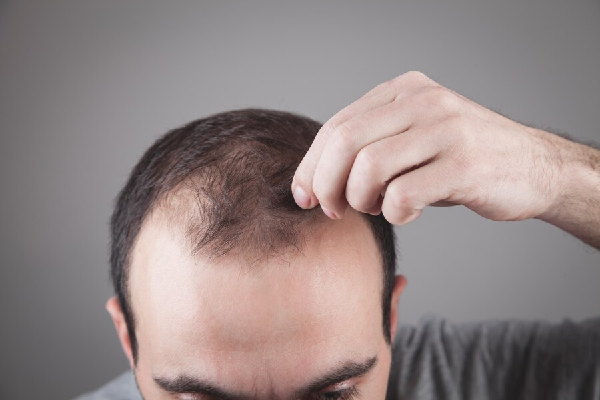
Passed down through generations, a tapestry of old wives’ tales has woven itself around the topic of hair loss and thinning hair. These narratives, ingrained in cultural lore, often stand as myths posing as truths, their perpetuation contributing significantly to the already pressing concern of hair loss. Within the realm of this issue, the discourse primarily gravitates towards a medical examination of these myths and facts. Through a careful exploration of the intricacies surrounding hair loss, the dialogue seeks to unravel the complexity of the problem within the context of contemporary reality. Understanding the nuances of these myths and their impact on popular culture becomes crucial in addressing the multifaceted dimensions of the pervasive issue of hair loss.
Truth Behind Common Hair Loss Myths and Misconceptions
The Myth
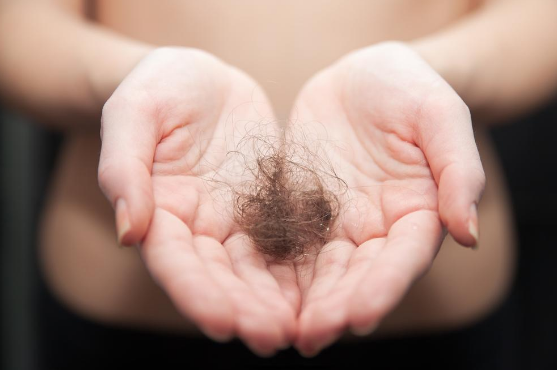
In Indian tradition, a prevalent belief suggests that shaving one’s head, commonly referred to as tonsuring, can serve as an effective remedy for hair loss. However, it is imperative to delve into the details and dispel this notion, as scientific evidence does not support its efficacy. Contrary to the belief, there is a notable risk of infection associated with tonsuring, particularly when inadequate attention is given to using appropriate shaving blades.
While the cultural significance of tonsuring is deeply rooted, it is crucial to distinguish between traditional practices and scientifically validated solutions for addressing hair loss. This exploration emphasizes the importance of informed choices and the consideration of evidence-based approaches in managing concerns related to hair health.
The Myth
Thinning, breakage, loss, and damage are interchangeable terms in the realm of hair care.
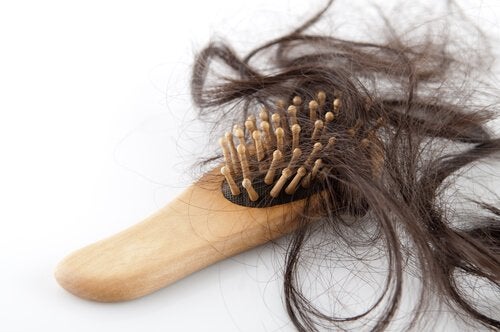
It’s imperative to distinguish between these terms. Hair fall, for instance, specifically refers to the natural shedding of individual hair strands from the head or body. On average, people experience the loss of approximately fifty to one hundred strands daily, constituting a normal part of the hair growth cycle. A distinct condition, often labeled as androgenic alopecia or pattern baldness, characterizes what we commonly refer to as hair loss. In contrast to hair thinning, which reflects a reduction in the density of individual strands or the overall number of strands, hair loss implies the complete absence of hair on the head or body.
Adding another layer of complexity, the term “hair breakage” delves into the mechanical stressors that serve individual hair strands. This stress can arise from actions like excessive pulling, twisting, dyeing, or even the detangling of wet hair. Understanding these nuances is vital for implementing effective and targeted hair care practices tailored to each unique aspect of hair health.
The Myth
The prevailing belief suggests that combatting hair loss can be achieved through the adoption of at-home remedies and unconventional medical approaches. Unfortunately, many individuals inadvertently inflict damage on their hair by engaging in typical home-based treatments, despite the absence of medical validation for such practices. It is strongly recommended to seek advice from a specialist before initiating any self-administered treatment.
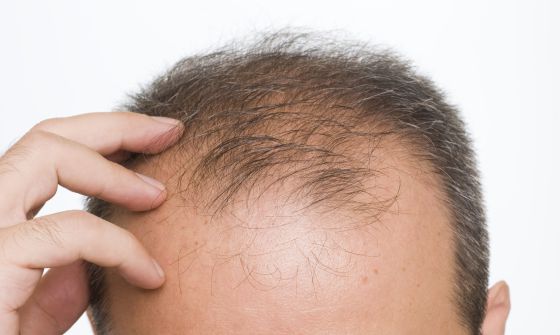
Scientifically, there is a notable absence of credible evidence supporting the notion that these domestic treatments possess the capability to stimulate hair growth or impede thinning. Moreover, it is crucial to recognize that the root cause of hair loss often lies in specific underlying health concerns. Addressing these health issues should take precedence before contemplating any additional cosmetic interventions. Prioritizing the treatment of underlying health conditions is a fundamental step toward effectively managing hair loss.
The Myth
Hair loss only affects individuals after they reach a particular age.
Contrary to the widespread belief that hair loss is a concern exclusive to the elderly, it’s essential to recognize the multifaceted nature of this phenomenon across various age groups. Beyond the confines of advancing years, hair loss manifests in pre-adults, adolescents, and even children due to a spectrum of contributing factors. In the realm of childhood, a notable cause is tinea capitis, commonly known as scalp ringworm. This fungal infection can trigger hair loss, emphasizing that age is not the sole protagonist in this narrative. Furthermore, alopecia areata, characterized by bald patches on the head, is another factor impacting children, highlighting the intricacies of hair health.
Transitioning to the adolescent phase, external stressors become significant players. Older kids may experience hair shaft damage due to external tension or pulling, illustrating that the roots of hair loss extend beyond the chronological age of an individual. This nuanced perspective challenges the prevailing notion that hair loss is a consequence solely associated with aging.
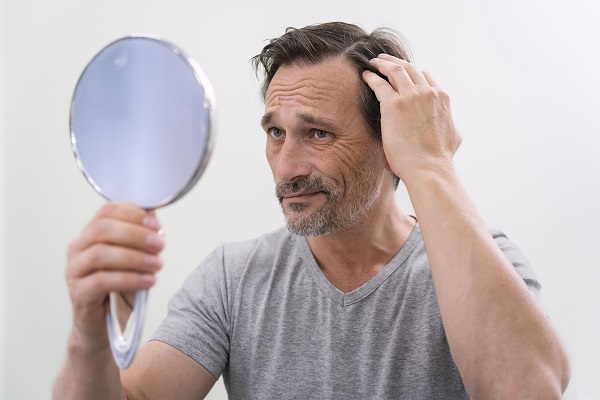
In essence, the canvas of hair loss is painted with a broad brush, affecting individuals at various life stages due to an array of underlying conditions. By understanding and acknowledging this complexity, we can foster a more comprehensive approach to addressing and managing hair loss concerns across diverse age groups.
The Myth
The Alleged Connection Between Over-Shampooing and Hair Loss
Contrary to popular belief, the notion that excessive shampooing can lead to hair loss and thinning hair lacks substantial evidence. It’s crucial to dispel this myth and delve into the details of proper hair care. There is no cause for concern regarding hair thinning if you adopt a gentle approach to washing your hair, using specifically recommended shampoos provided by a dermatologist. The key lies in understanding the appropriate products tailored to your hair type and following a personalized care routine. Consulting with a dermatologist ensures that your shampoo choice aligns with your scalp and hair needs, contributing to a healthy and vibrant mane.
In essence, the idea that shampooing is a direct culprit for hair loss oversimplifies the complex factors influencing hair health. By debunking this myth, we encourage a more nuanced understanding of hair care practices and emphasize the importance of individualized approaches for maintaining a thriving head of hair.
The Myth
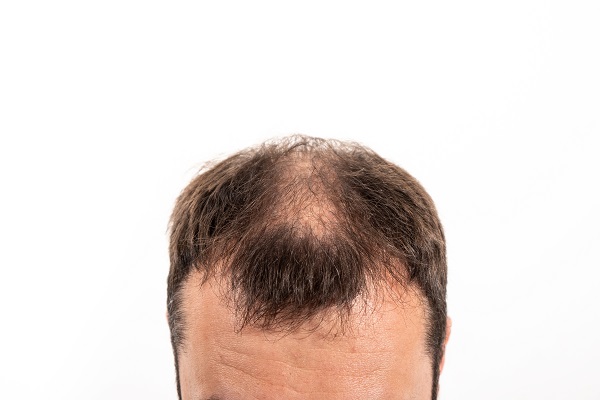
Claim that Birth Control Leads to Hair Loss in Women
The efficacy of oral contraceptive pills exhibits significant variations across different brands. It’s crucial to note that the influence on scalp hair growth is not a universal outcome. The potential connection between birth control and hair loss only arises when the contraceptive medication actively stimulates androgen levels. In the absence of this direct trigger, the impact on hair remains unrelated to the contraceptive itself. Thus, understanding the specific mechanisms at play with different contraceptive formulations is essential for a more nuanced perspective on this matter.
The Myth
Hair Regrowth and Stress-Related Hair Loss
False Belief: Non-prescription supplements promise to revive lost hair, but these easily available remedies may not impact hair follicles. Opting for effective treatments like platelet-rich plasma therapy (PRP) for hair is crucial, and additional medications can complement the hair regrowth process.
The Myth
Experiencing moderate stress can lead to significant hair loss.
Contrary to this notion, opting for hair transplants wouldn’t be a widespread solution. Hair loss, resembling the condition seen in women with telogen effluvium, might stem from heightened stress levels, such as those experienced during childbirth.
The Myth
Blaming a person’s hairstyle for hair loss
While traumatic alopecia is a prevalent condition, its applicability varies among individuals experiencing hair loss. Factors such as consistently pulling hair tightly, subjecting it to elevated levels of heat from styling tools like curling irons, or employing harsh chemicals like bleach can contribute to hair loss. It’s important to recognize that these actions may not be the sole culprits for everyone facing hair loss.
The Myth
Losing hair doesn’t always lead to complete baldness.
This notion is inaccurate, particularly in cases where hair loss is a consequence of transient situations, such as hormonal imbalances following childbirth. The hormonal shifts during this period can lead to temporary hair loss, extending for several months or even years. However, once the hormonal levels stabilize, the natural hair growth cycle resumes, and the shedding ceases. Understanding the nuanced nature of these processes is crucial for a more accurate perspective on hair loss and its potential outcomes.
The Myth
Hair Color Lead to Thinning and Hair Loss
There’s a common belief that regularly coloring your hair can make it thinner and fall out. However, the truth is, using hair color in moderation doesn’t impact the speed of hair growth. The real concern arises when excessive amounts of harsh chemical-based dyes are applied frequently, potentially compromising the hair’s nourishment. To ensure the health of your hair, it’s advisable to consult a dermatologist before using any cosmetic products.
Things To Keep in Mind
Experiencing hair loss is a common issue for both men and women. It’s typical to shed between fifty and a hundred hair strands every day. Certain medications, including antidepressants, blood thinners, blood pressure drugs, and chemotherapy prescriptions, are associated with potential hair loss. Scalp infections and inflammation can worsen hair loss. Genetic factors and hereditary traits also contribute to hair loss in some individuals.
For personalized advice on preventing or treating your specific hair loss, consulting a dermatologist is recommended. Factors like diet, lifestyle choices, and stress levels can influence the situation.
Conclusion
Dismiss the misleading notions regarding hair loss discussed in this article to safeguard your hair health. A significant portion of the population will inevitably face some degree of hair thinning or loss at various stages in their lives. It’s imperative to consult a dermatologist for a thorough examination and diagnosis to identify the underlying factors contributing to your hair loss. Rather than opting for cosmetic remedies prematurely, prioritize addressing the root issues through appropriate treatment. This proactive approach not only protects your hair but also ensures a more informed and effective strategy for sustaining its health and vitality.


Responsable – CAPIL SOLUTIONS. S.L
*Términos y condiciones
Finalidad – Dar respuesta a las solicitudes de información, y poder enviarle nuestras publicaciones, promociones de productos y/o servicios, gestionar los comentarios en el blog
Derechos Arco - Acceder, rectificar y suprimir los datos, así como otros derechos, como se explica en la información adicional.
info@capilclinic.us
Legitimación – Consentimiento
Destinatarios – No se cederán datos a terceros salvo obligación legal
Política de privacidad – Puede consultar nuestra política de privacidad aquí
*Política de privacidad