


The rising popularity of hair transplant for men reflects a growing demand for lasting solutions to male hair loss. Male pattern baldness affects nearly 50% of men by age 50, making effective treatments increasingly relevant. Thanks to medical advancements, regaining a fuller head of hair is now more accessible than ever—no longer a luxury reserved for celebrities or the wealthy. For instance, clinics in Turkey report treating thousands of male patients each year with consistently natural-looking results.
Understanding the different procedures is crucial before deciding on a hair transplant. Techniques like FUE hair transplants are prized for their minimally invasive approach and natural outcomes, while other methods may suit different hair types, budgets, or personal goals. Knowing how a hair transplant works helps set realistic expectations and ensures the best results.
Types of hair transplant for men
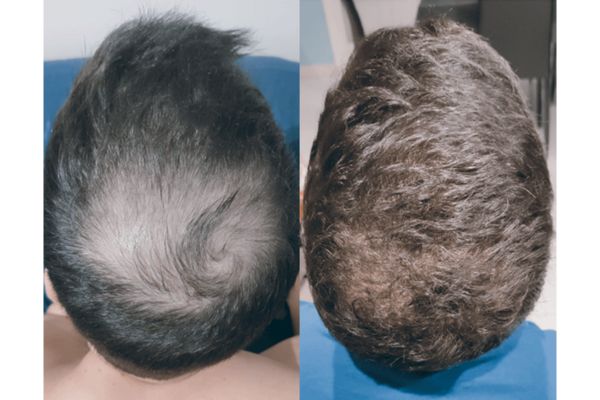
Choosing the right technique is essential for achieving the most natural-looking and lasting results. When considering a hair transplant for men, it’s crucial to evaluate all available options. Men facing hair loss must explore their possibilities with diligence, as this decision can significantly impact their self-image and confidence. Every method has distinct characteristics, making it crucial to understand these differences before proceeding. By doing so, men can feel more empowered and confident in their decision-making process.
The two most commonly used methods are Follicular Unit Transplantation (FUT) and Follicular Unit Extraction (FUE), widely recognised for their effectiveness. While other approaches exist, these two dominate most conversations in the field. Every technique comes with its own timeline for recovery, cost considerations, and anticipated outcomes. Thoroughly examining these factors is the foundation for a successful men’s hair transplant experience.
Follicular Unit Transplantation (FUT)
FUT stands as one of the most trusted methods in the realm of hair transplant for men. This traditional technique involves surgically removing a strip of scalp from the back of the head. The area serves as a donor site due to its resistance to hair loss and strong follicle quality. Technicians then dissect the strip into tiny grafts under a microscope to ensure precision. Each graft contains one to four follicles, which are placed into thinning or balding regions of the scalp.
A key benefit of FUT is the ability to harvest a large number of grafts during a single session. This makes it ideal for patients experiencing advanced male pattern baldness, who need extensive coverage. However, it is important to note that this procedure leaves a linear scar in the donor area. This can be a concern for individuals who prefer short haircuts or close shaves.
Recovery from FUT usually takes 10 to 14 days, a factor to consider when planning time off for healing. Despite its invasive nature, FUT can yield outstanding results when performed by a highly skilled surgeon. Proper consultation and planning are essential to ensure the outcome aligns with the patient’s expectations and lifestyle.
Follicular Unit Extraction (FUE)
FUE hair transplant presents a less invasive alternative, gaining popularity among those seeking natural results with minimal downtime. This technique involves removing individual follicles from the donor area using a circular punch tool. No linear incision is required, making the process cleaner and less likely to leave visible scars. After extraction, surgeons implant each follicle one by one into the affected areas.
The absence of a linear scar allows for greater flexibility in hairstyle options post-recovery. Additionally, the reduced trauma means patients experience less discomfort and heal faster than with FUT. The precision involved in FUE also enables natural-looking growth patterns, enhancing aesthetic outcomes. However, it’s important to recognise that FUE is more time-consuming and may not be suitable for those needing a high number of grafts.
Despite the longer sessions and potentially higher hair transplant expenses, many patients prefer FUE due to its refined approach and limited scarring. Those who prioritise a quicker return to daily life and minimal visual evidence of surgery often opt for this method. Consulting with a hair restoration specialist ensures the right fit based on individual goals and conditions.
Comparison between FUE and FUT
| Criterion | FUE (Follicular Unit Extraction) | FUT (Follicular Unit Transplantation) |
|---|---|---|
| Technique | Individual follicle extraction | Removal of a strip of scalp with follicles |
| Scarring | Tiny dot scars, barely visible | Linear scar at the back of the head |
| Recovery | Fast, 5–7 days | Slower, 10–14 days |
| Aesthetic results | Very natural, ideal for short hairstyles | Natural, but scar may limit hair styles |
| Surgery duration | Longer for large areas | Faster for covering large areas |
| Approximate cost | Higher due to time and precision | Generally more affordable |
Direct Hair Implantation (DHI)
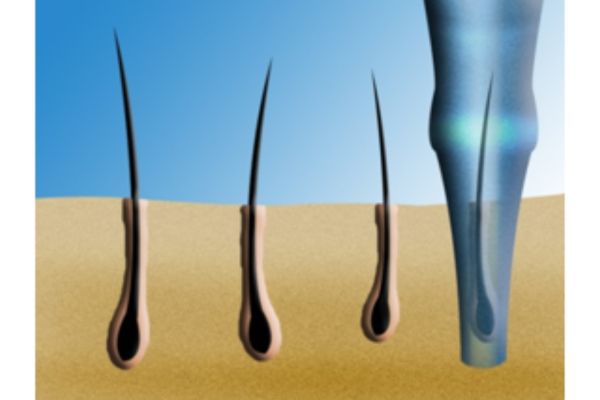
DHI takes the process a step further by using a specially designed tool called the Choi Implanter Pen. This instrument enables surgeons to extract and implant follicles in one seamless motion without making prior incisions. The tool enhances precision by allowing control over the angle, depth, and direction of implantation. This leads to higher success rates and more natural-looking results.
As a minimally invasive procedure, DHI results in less scalp trauma and quicker healing times. Bleeding is significantly reduced, and patients report lower levels of discomfort throughout recovery. However, the advanced technology and surgeon expertise required make DHI one of the most expensive methods available today. Its availability is also limited to clinics equipped with the necessary tools and training.
Patients interested in DHI should undergo a thorough evaluation with a qualified male hair transplant surgeon. Only an expert can determine if this method matches a patient’s hair loss stage and scalp condition. With its cutting-edge technique and superior control, DHI continues to grow in popularity among men seeking long-lasting, natural results.
By exploring FUT, FUE, and DHI hair transplant for men, individuals can find the most suitable approach for their specific hair restoration needs. Making an informed choice is the first step in reclaiming one’s appearance and self-confidence. The evolving landscape of procedures provides viable solutions for all levels of hair loss.
Robotic Hair Restoration
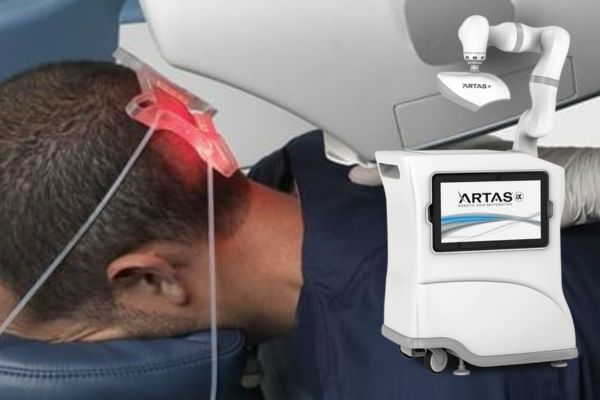
Robotic hair restoration is a cutting-edge development in the world of hair transplant for men. This advanced technique integrates robotics and artificial intelligence to enhance precision and improve overall outcomes. One of the most notable tools available today is the ARTAS robotic system, which is mainly used in FUE hair transplant procedures.
This system uses advanced imaging and intelligent algorithms to select the healthiest follicular units for extraction. As a result, it significantly reduces the chances of damaging surrounding follicles, preserving the integrity of the donor area. Additionally, the robotic approach increases speed and efficiency, allowing for quicker sessions with reduced strain on the medical team.
The biggest advantage is the consistent, natural-looking results produced through robotic accuracy. However, these benefits come at a higher cost compared to manual techniques. Men considering a hair transplant should carefully evaluate their options. The hair transplant technology represents an important advancement in male hair restoration, making it a promising option for those seeking long-term results. (Source: Johns Hopkins University)
Scalp Micropigmentation (SMP)

Scalp Micropigmentation (SMP) is not a surgical method, but it offers an effective alternative for men facing hair loss issues. This non-invasive procedure uses micro-needles to deposit pigment into the scalp, mimicking the appearance of hair follicles.
By creating the illusion of density, SMP helps camouflage thinning areas and bald spots. It’s ideal for men who are not candidates for traditional men’s hair transplant procedures or who prefer an immediate visual improvement. Moreover, the absence of surgery means no downtime or extended recovery periods, which appeals to many patients. (Source: NIH)
While SMP does not promote new hair growth or restore real hair, it provides a highly aesthetic solution for many. Because the pigments are cosmetic, the results may fade over time, requiring periodic touch-ups for maintenance. Even so, this approach can dramatically enhance appearance and boost self-esteem for those concerned with thinning hair.
Start your hair transformation now!
Hair transplant for men: Choosing the right clinic and surgeon
Choosing the right clinic for a hair transplant for men is one of the most important steps toward achieving natural and lasting results. With many clinics offering different levels of expertise, technology, and aftercare, the decision directly affects the success of the procedure. A trusted men’s hair transplant clinic should combine surgical precision with personalized care, guiding patients from the initial consultation to post-procedure recovery.
When selecting a clinic, men should evaluate the surgeon’s credentials, patient reviews, before-and-after galleries, and transparency about techniques and pricing. Clinics that focus on men’s hair restoration often understand male hair loss patterns more deeply and design treatment plans to match specific aesthetic goals. Modern facilities also provide detailed scalp analysis and density mapping to create tailored strategies for every patient.
A reliable clinic offering hair transplant for men will set realistic expectations and explain both surgical and non-surgical options. Understanding how the procedure works—especially the steps from graft extraction to implantation—helps patients make informed decisions. Today, the FUE hair transplant method is considered the gold standard due to its precision, minimal scarring, and natural-looking results.
Another key factor is the cost of a hair transplant for men, which varies depending on the clinic, surgeon, and individual treatment plan. Patients should always request a clear cost breakdown to avoid hidden fees and ensure the treatment fits within their budget.
How to prepare for a hair transplant for men procedure
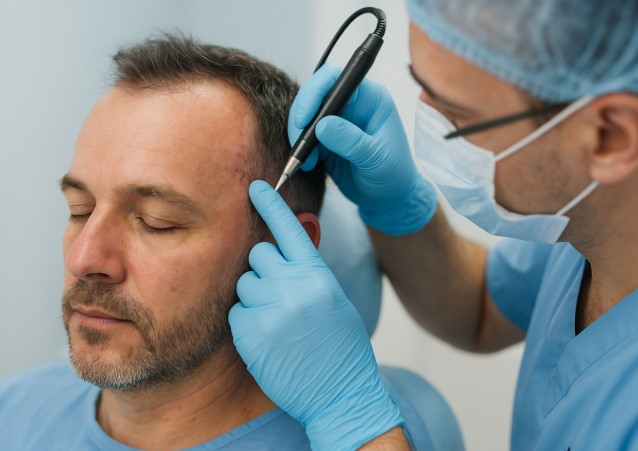
Preparation plays a significant role in the effectiveness of hair transplants for men. Before undergoing the procedure, it’s essential to follow specific guidelines set by your surgeon. These may include avoiding certain medications, refraining from alcohol or smoking, and maintaining a healthy scalp environment. (Source: AAD)
Preparing both your body and mindset can significantly improve surgical outcomes and reduce post-procedure complications. Most clinics advise patients to wash their hair thoroughly and avoid styling products in the days leading up to the surgery. Hydration, a nutrient-rich diet, and adequate sleep are also encouraged to support optimal healing. Discussing any medical conditions, allergies, or lifestyle habits in advance helps the medical team tailor the process safely.
Clear communication with the surgeon is vital. Understanding the procedure, recovery timeline, and post-op care ensures confidence and reduces anxiety. By entering surgery fully prepared, patients can set the stage for a smoother recovery and better long-term results. The FUE hair transplant method, often recommended by clinics, requires patients to follow strict pre-op and post-op protocols for maximum effectiveness.
When learning how does a hair transplant work, understanding the importance of preparation gives patients more control and assurance. Moreover, being informed about hair transplant expenses allows patients to plan realistically, avoiding financial surprises and ensuring that they invest wisely in a procedure that impacts both appearance and confidence.
Conclusion

Modern techniques in hair transplant for men are transforming how men address hair loss. Advanced procedures like FUE, DHI, and robotic hair restoration offer highly natural results, tailored to each individual’s hair pattern and scalp condition. These innovations not only improve the appearance of hair but also allow for customised treatment plans that consider hair density, growth direction, and long-term goals.
A professional-guided hair transplant for men can restore more than just hair—it rebuilds confidence and self-esteem. With continuous advancements in technology, procedures are becoming less invasive, more efficient, and quicker to recover from. Men worldwide are experiencing outstanding results, combining aesthetic improvement with lasting satisfaction. If you’re ready to take the next step, schedule a consultation with our specialists at Capilclinic and discover the advanced hair transplant method that will best suit your transformation.


Responsable – CAPIL SOLUTIONS. S.L
*Términos y condiciones
Finalidad – Dar respuesta a las solicitudes de información, y poder enviarle nuestras publicaciones, promociones de productos y/o servicios, gestionar los comentarios en el blog
Derechos Arco - Acceder, rectificar y suprimir los datos, así como otros derechos, como se explica en la información adicional.
info@capilclinic.us
Legitimación – Consentimiento
Destinatarios – No se cederán datos a terceros salvo obligación legal
Política de privacidad – Puede consultar nuestra política de privacidad aquí
*Política de privacidad