

Hair Transplant Results: Before | After
Hair Transplant with Guaranteed Results
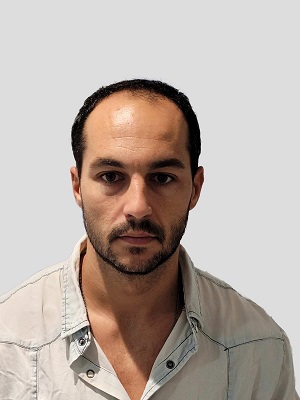
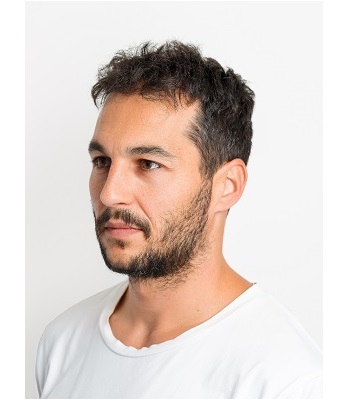
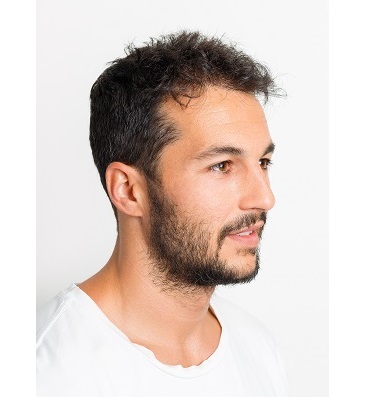
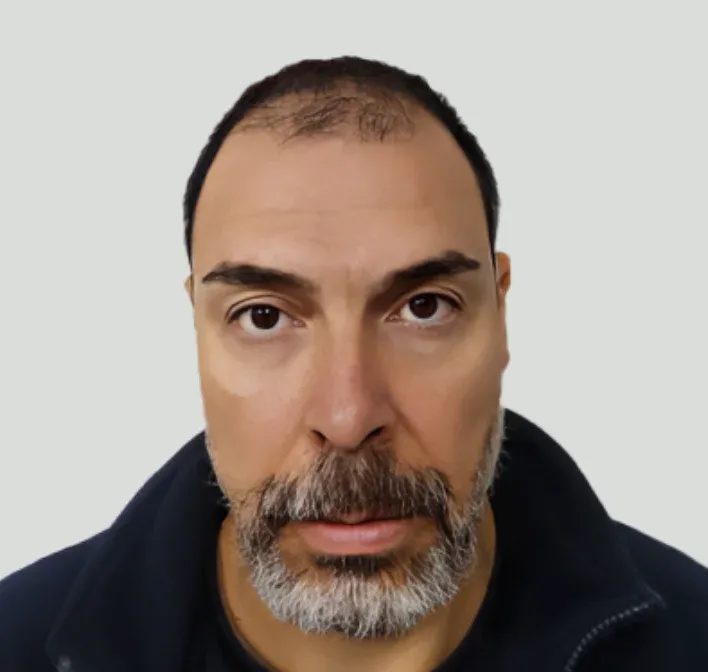
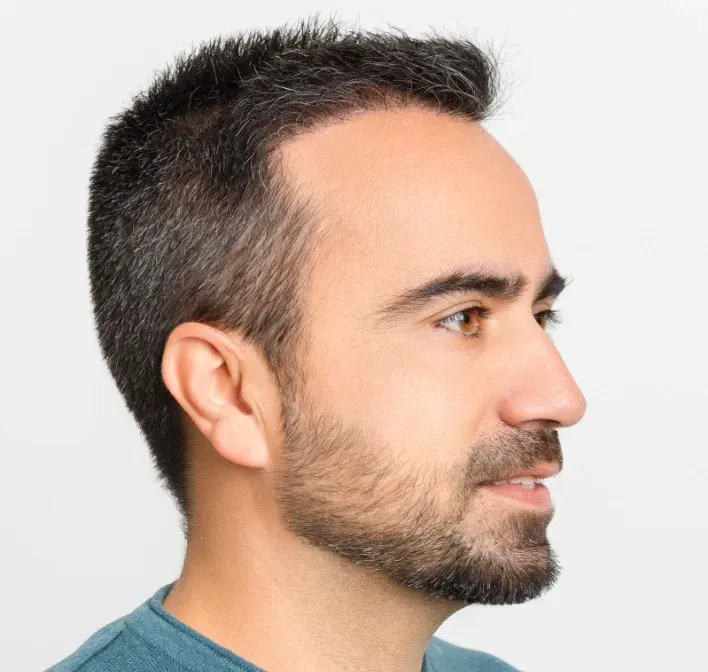
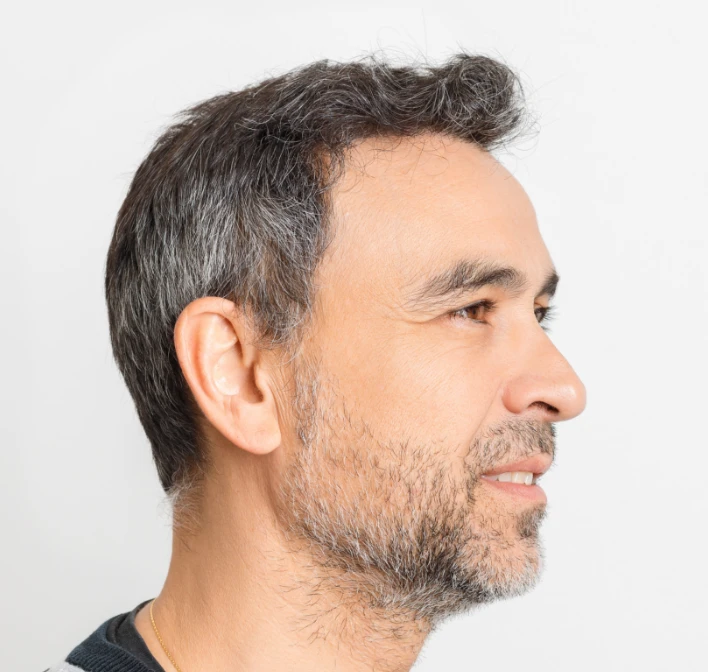
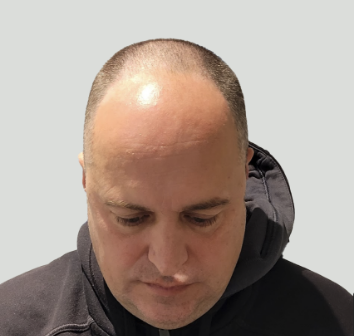
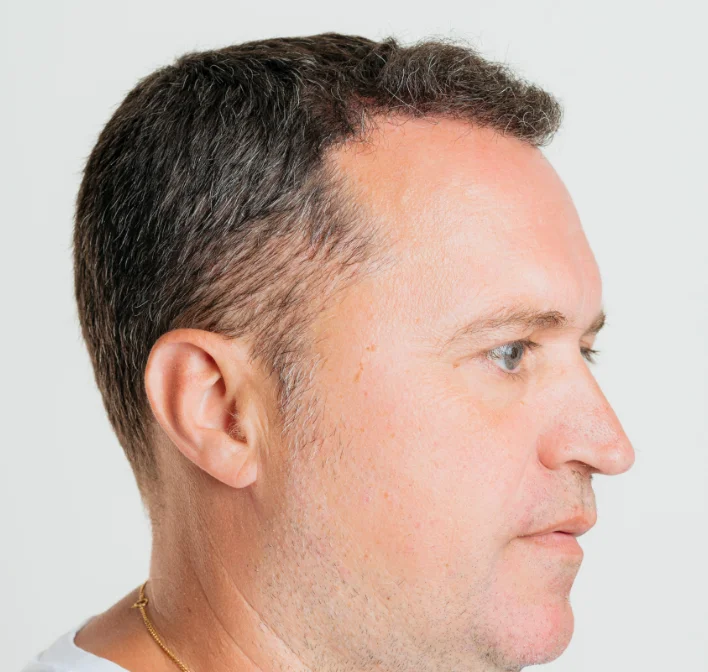
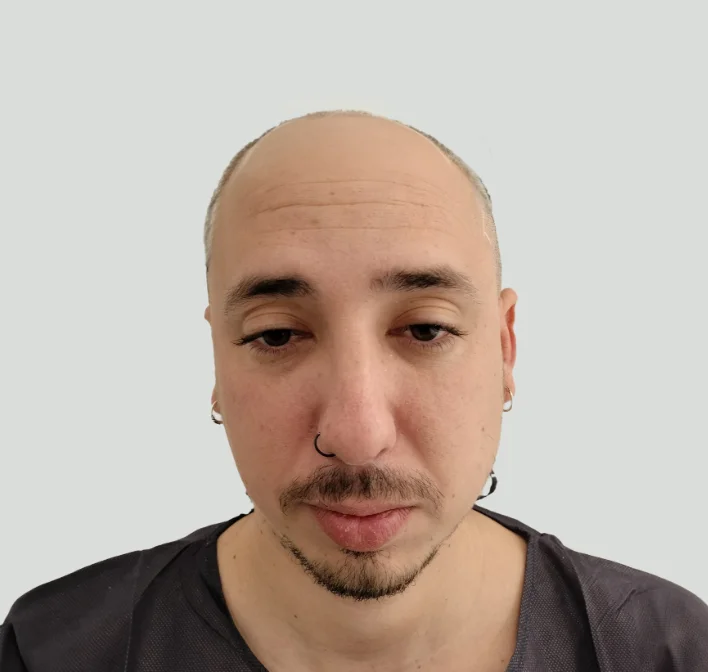
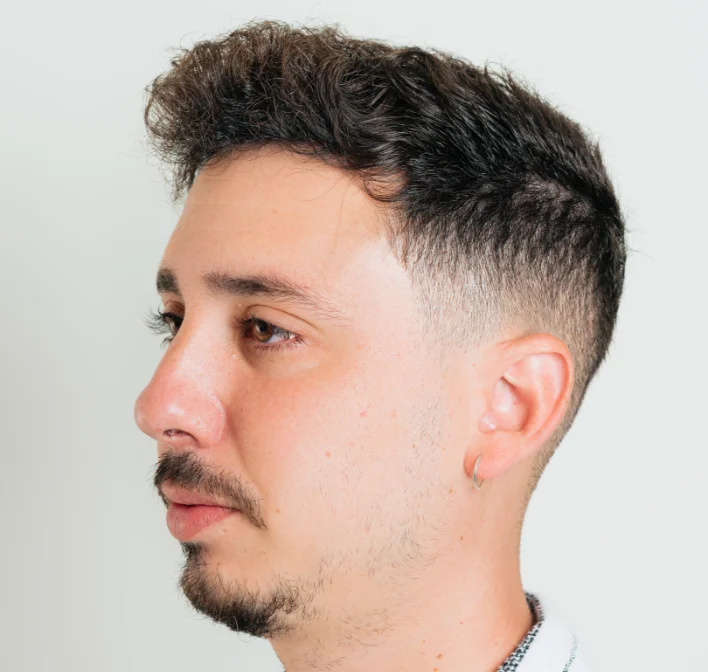
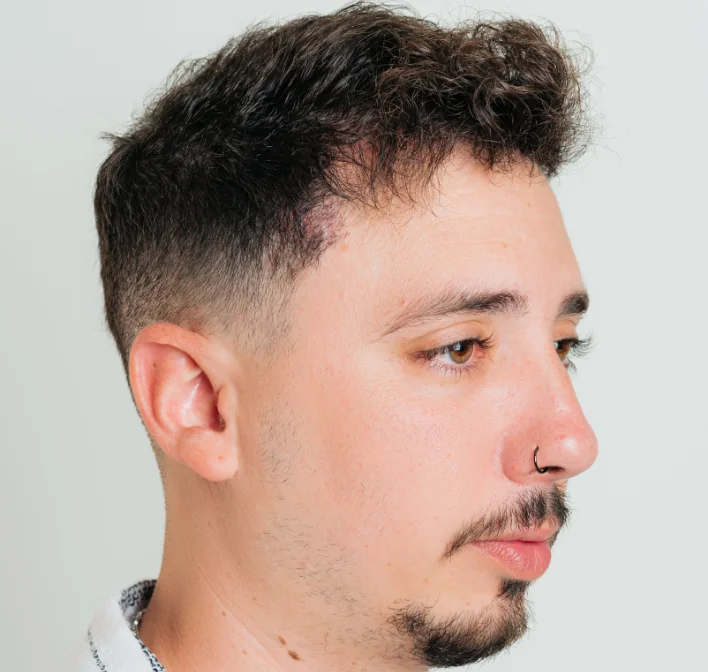
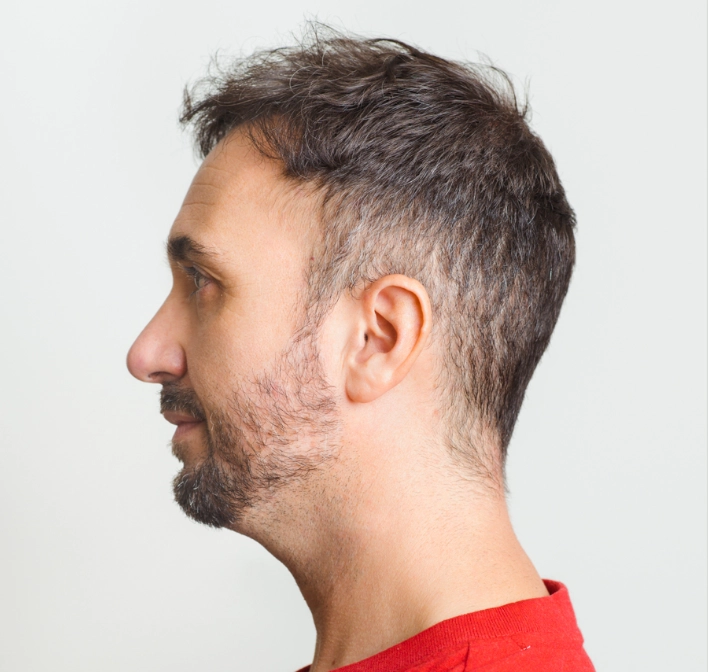
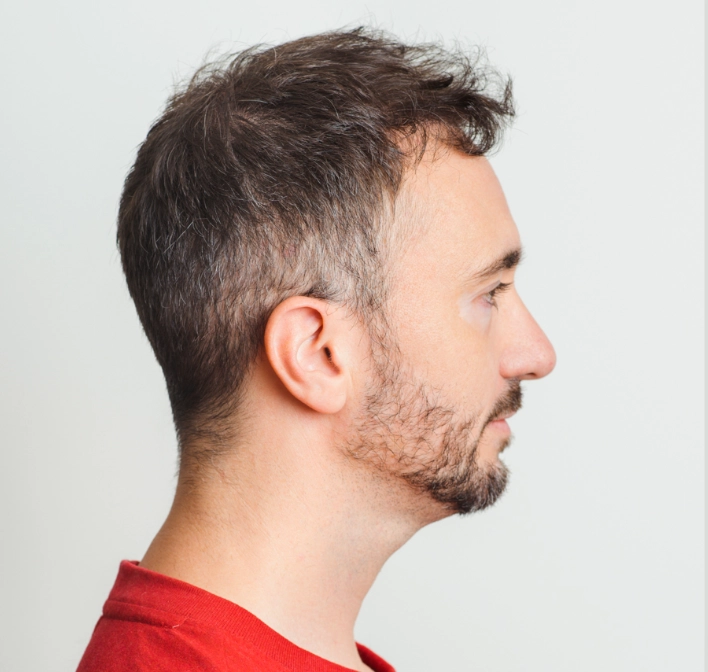
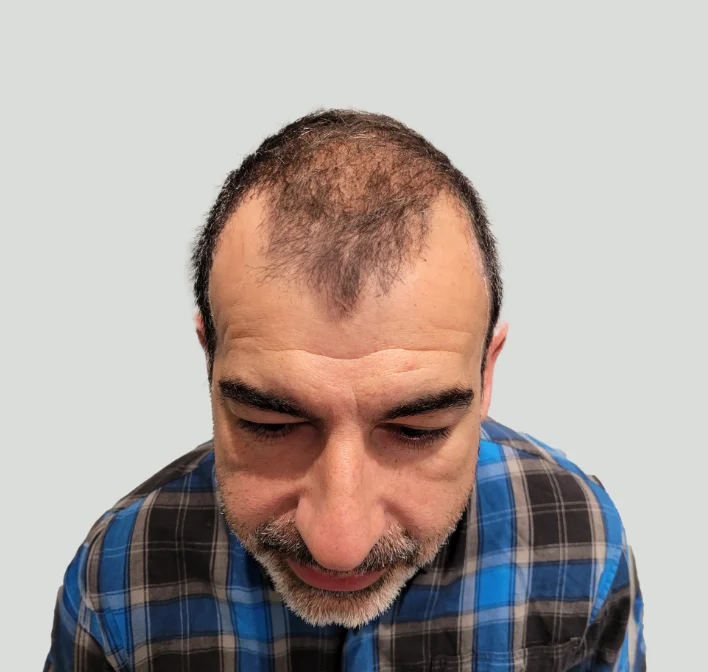
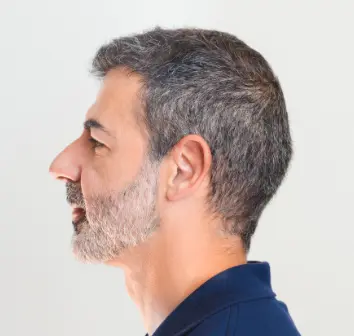
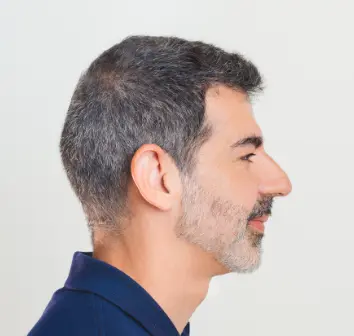
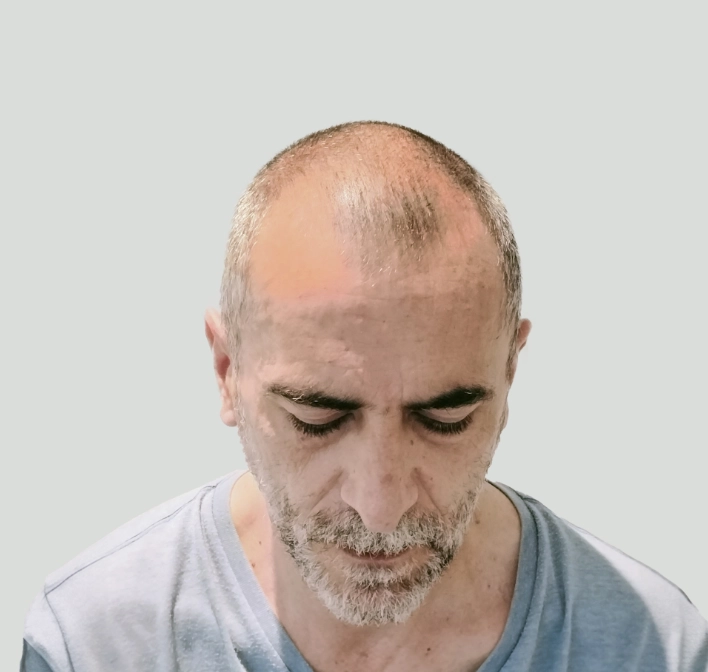
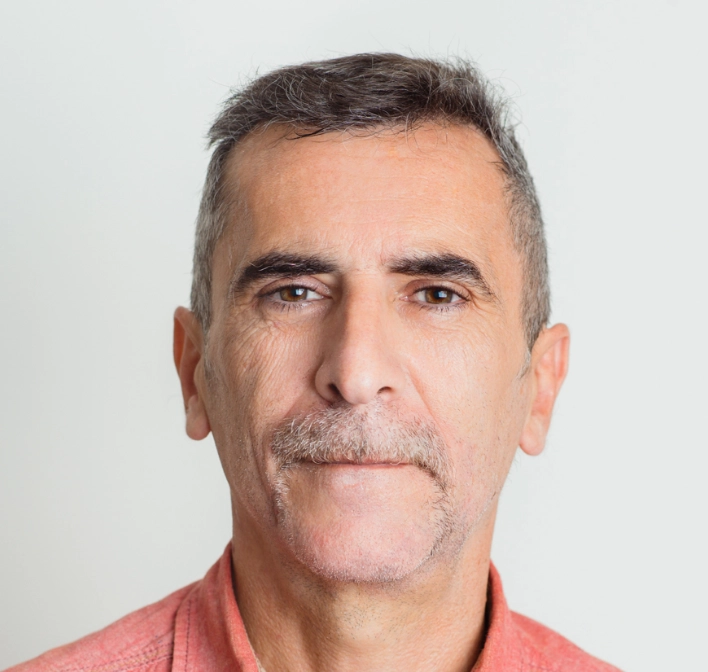
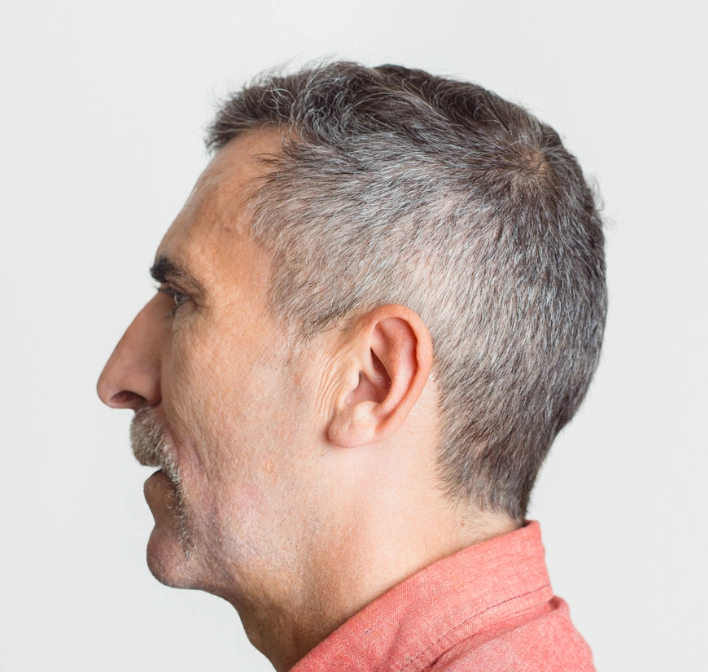
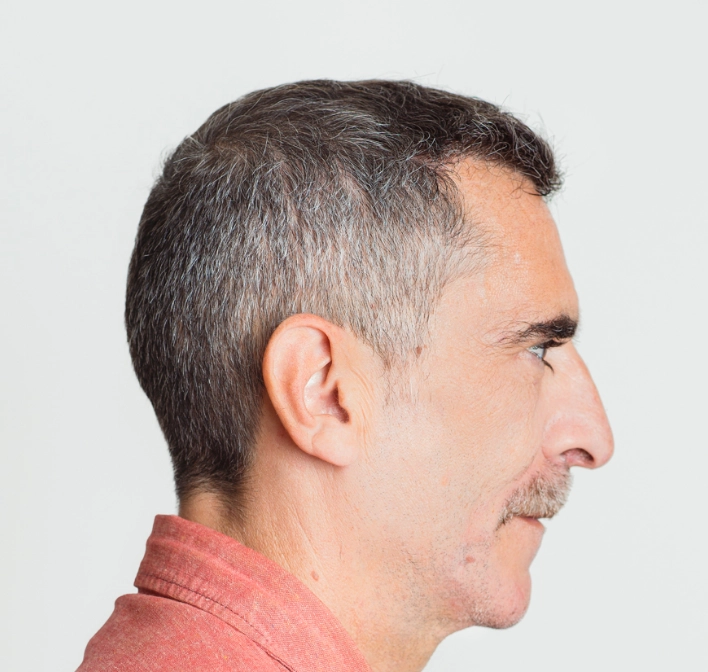
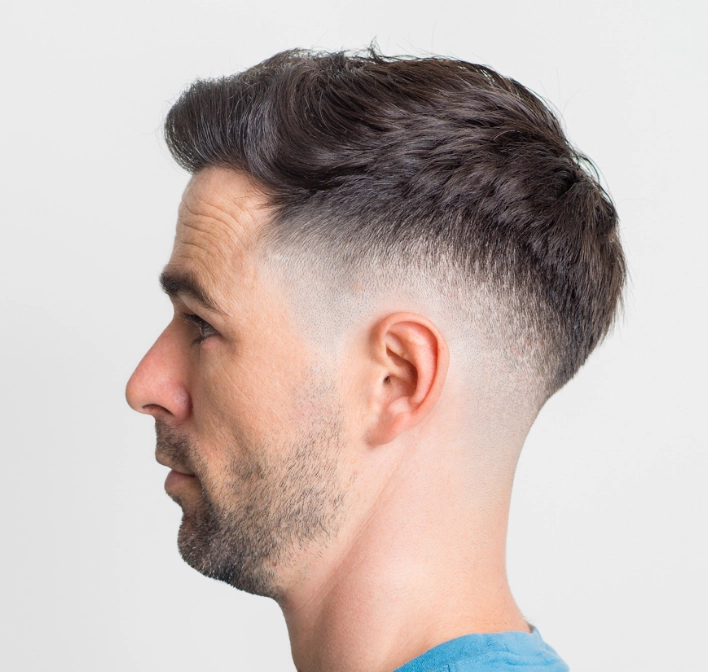
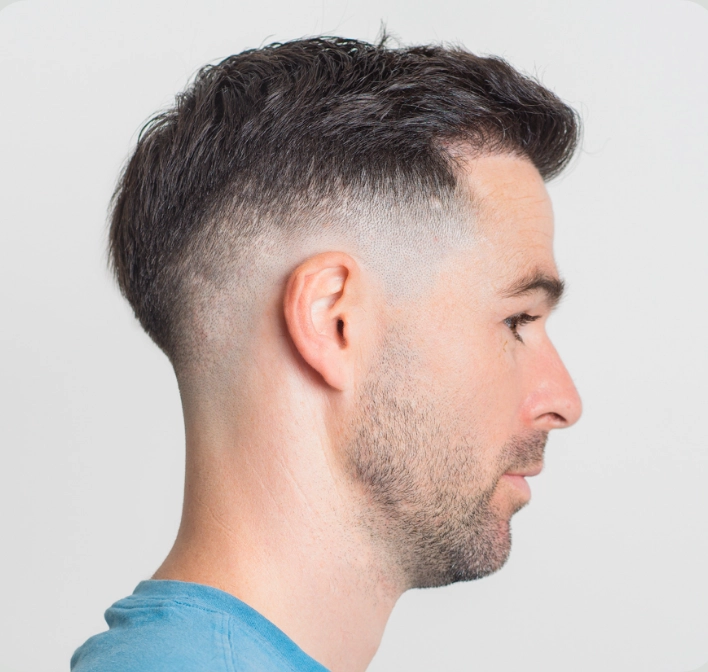
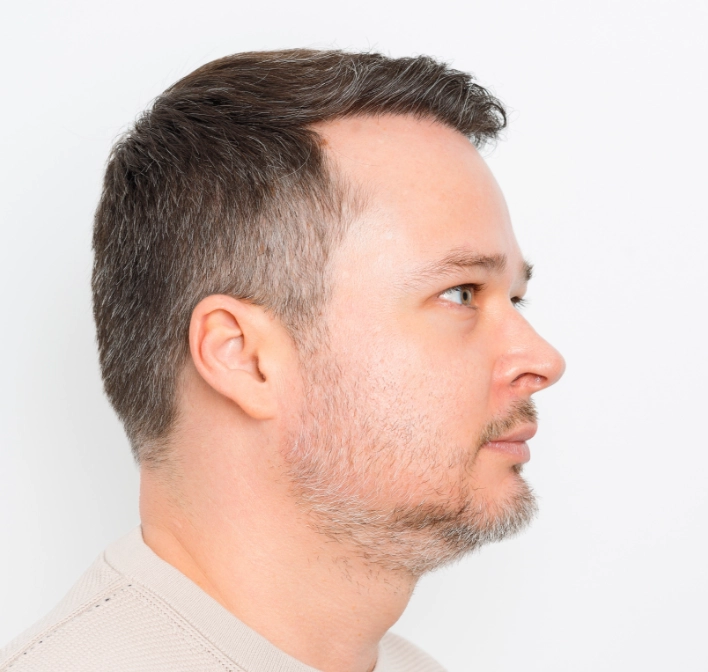
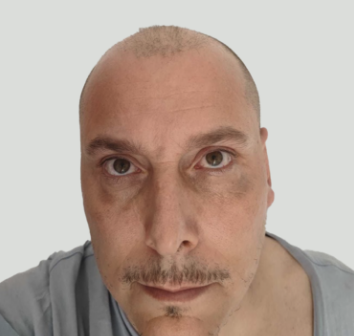
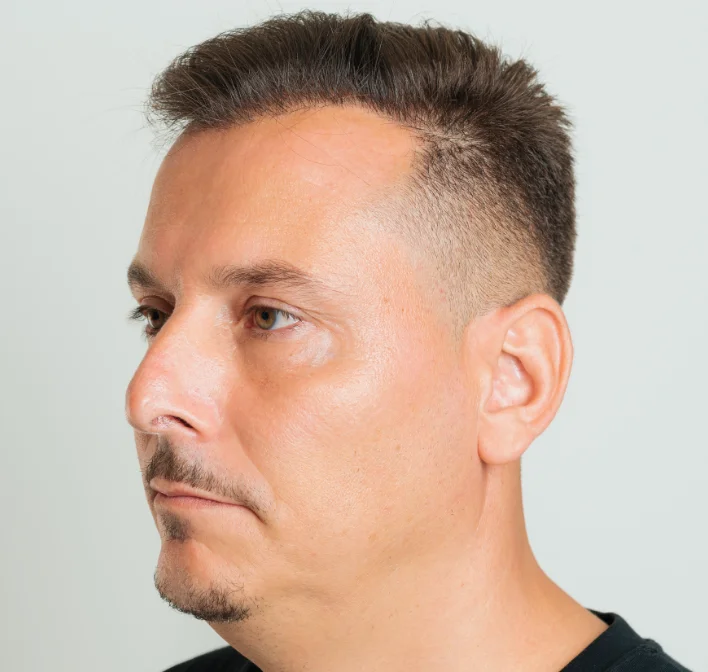
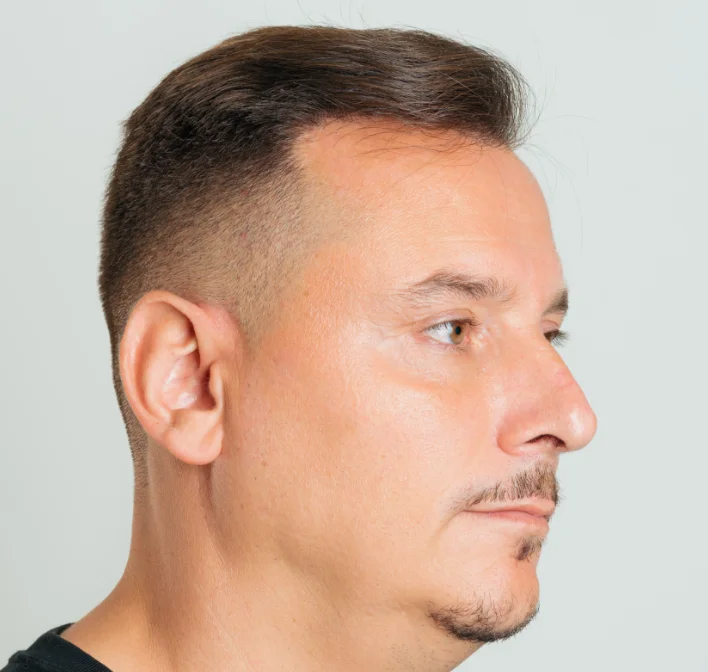
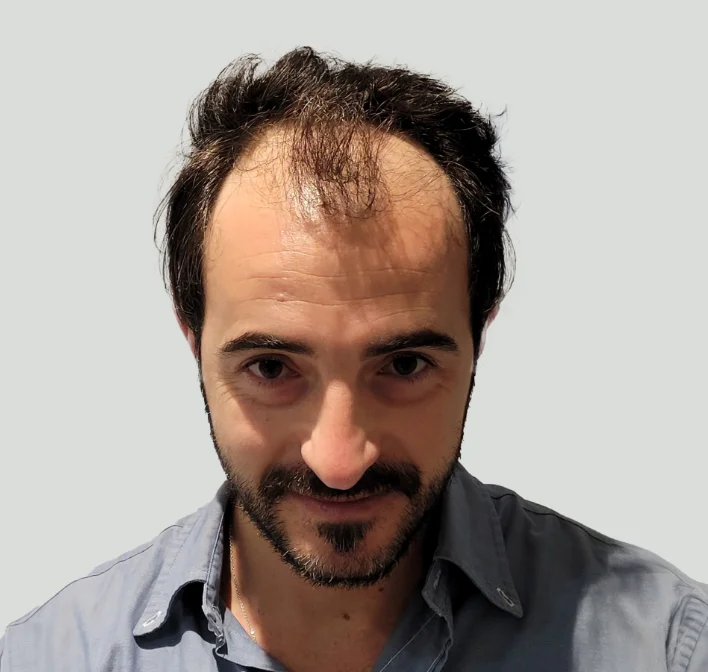
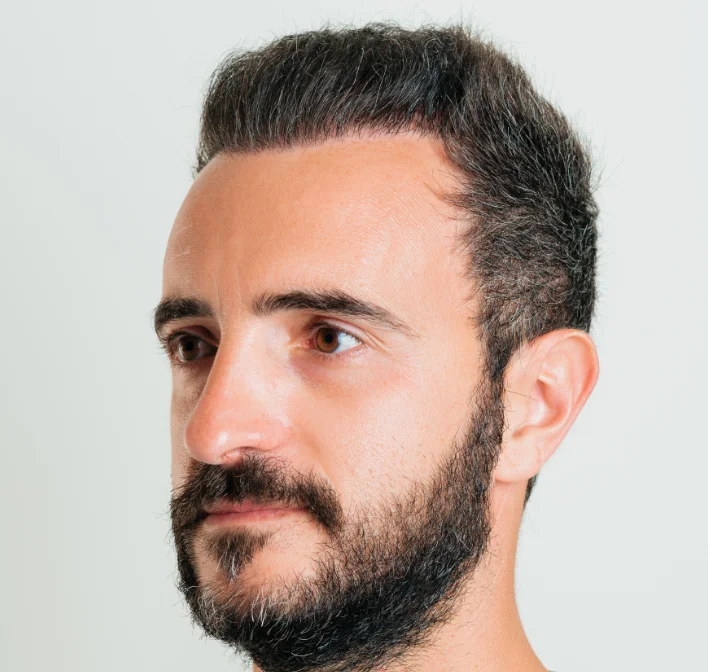
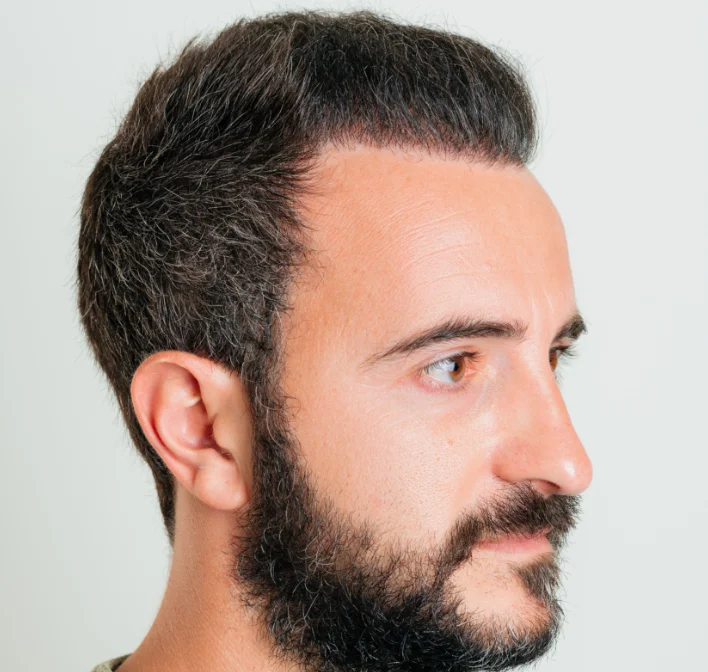
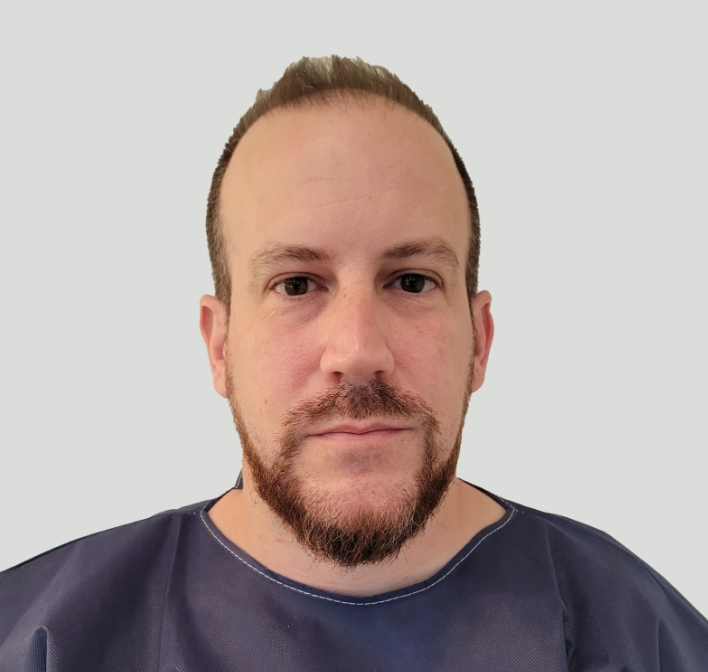
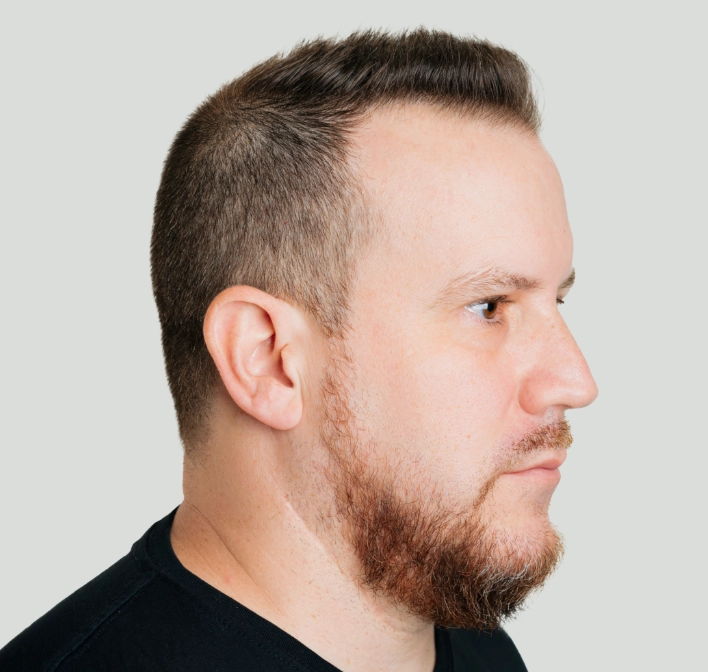
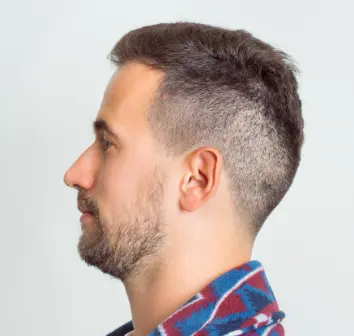
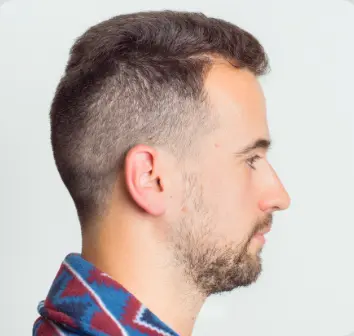
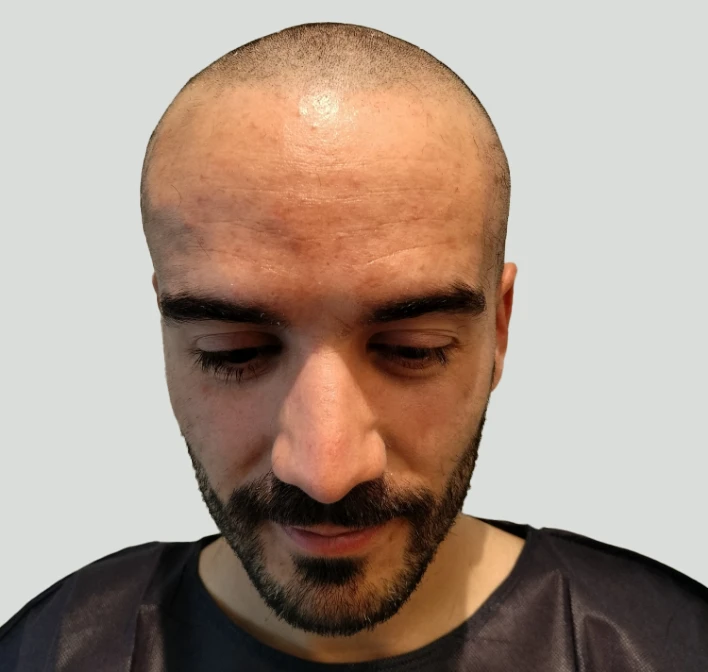
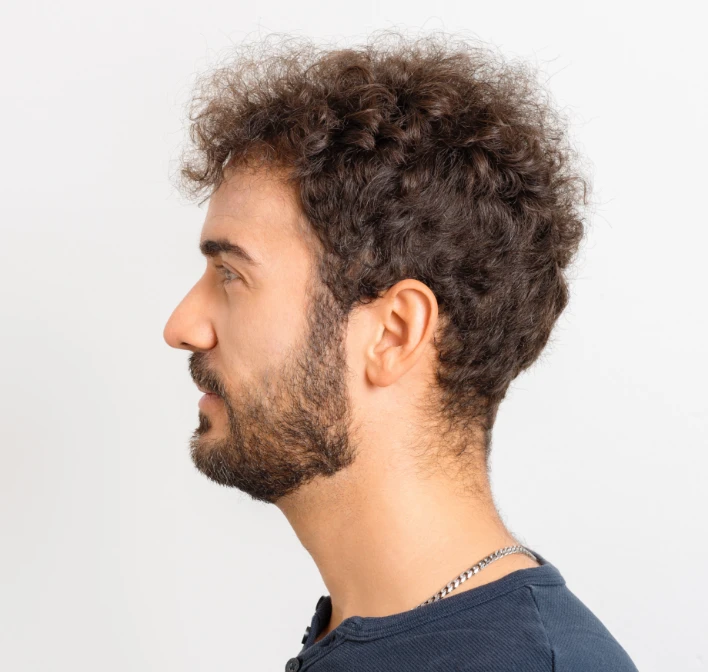
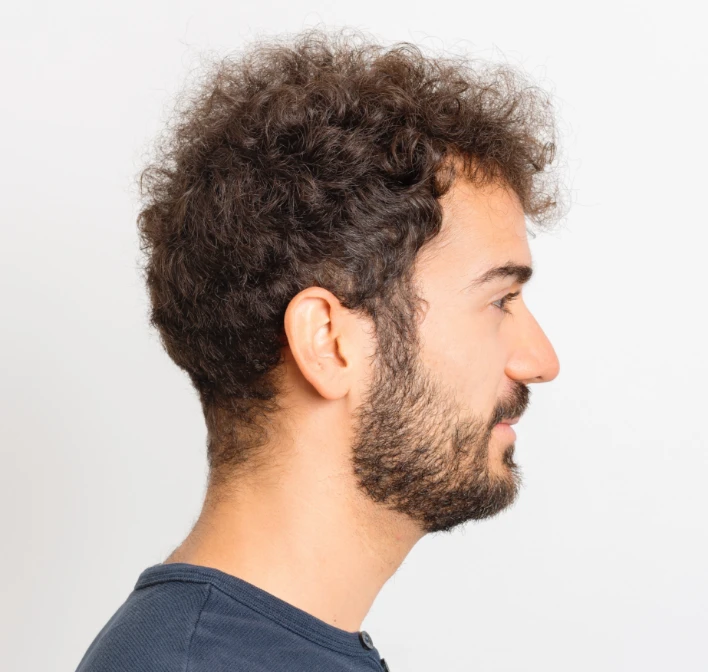
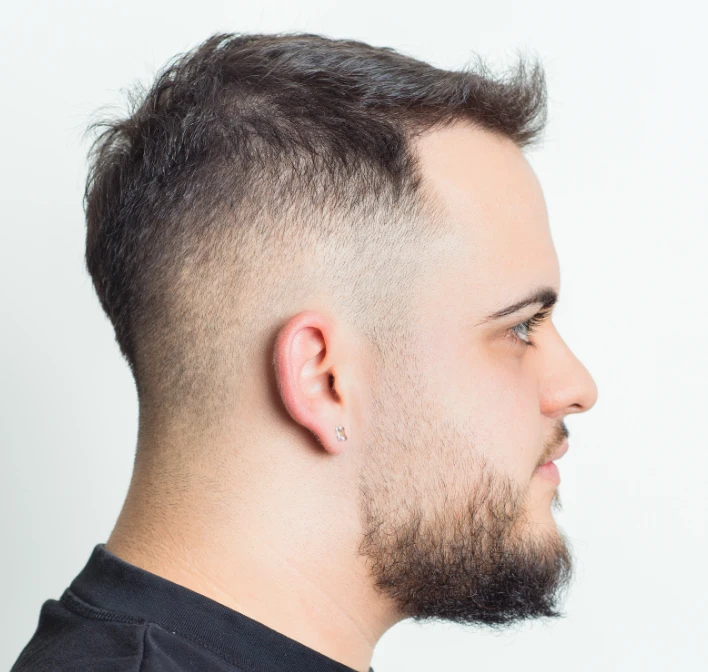
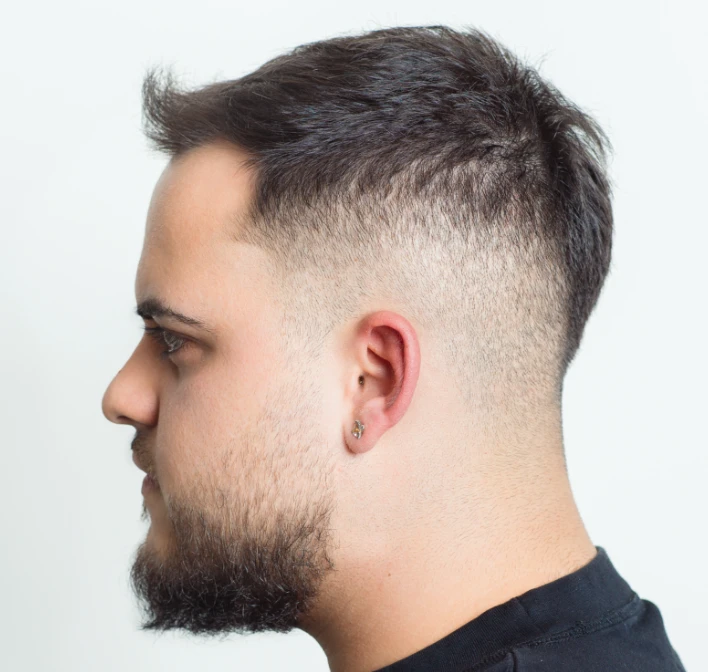
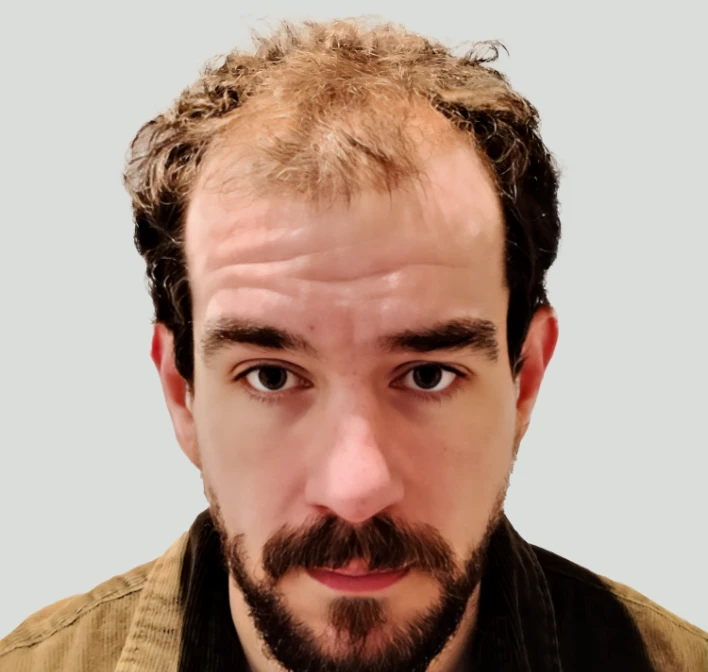
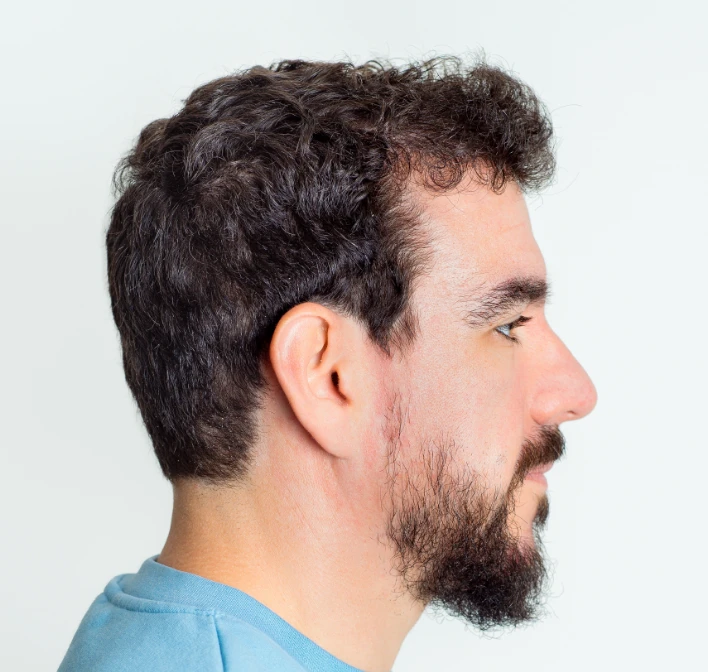
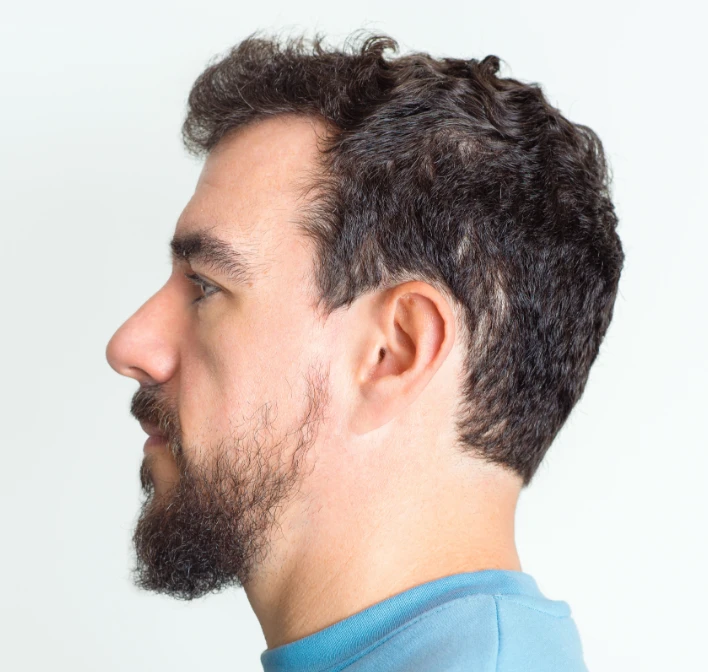
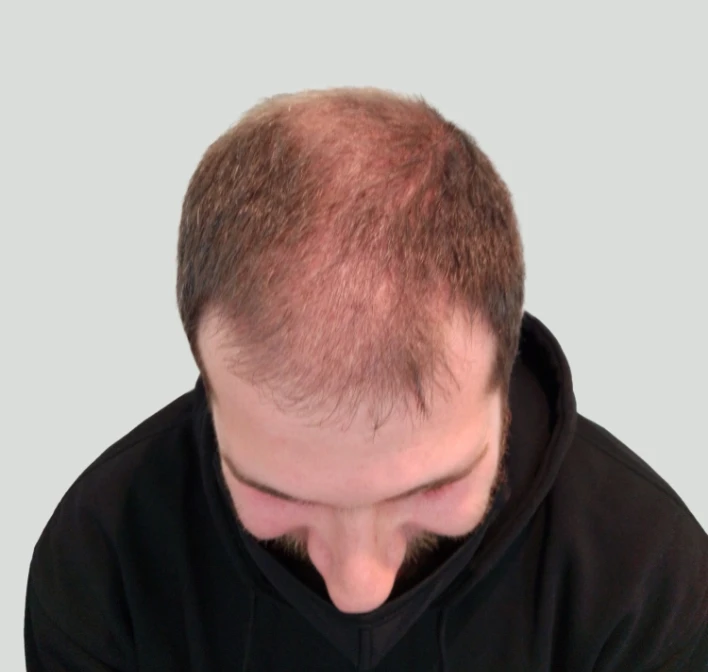
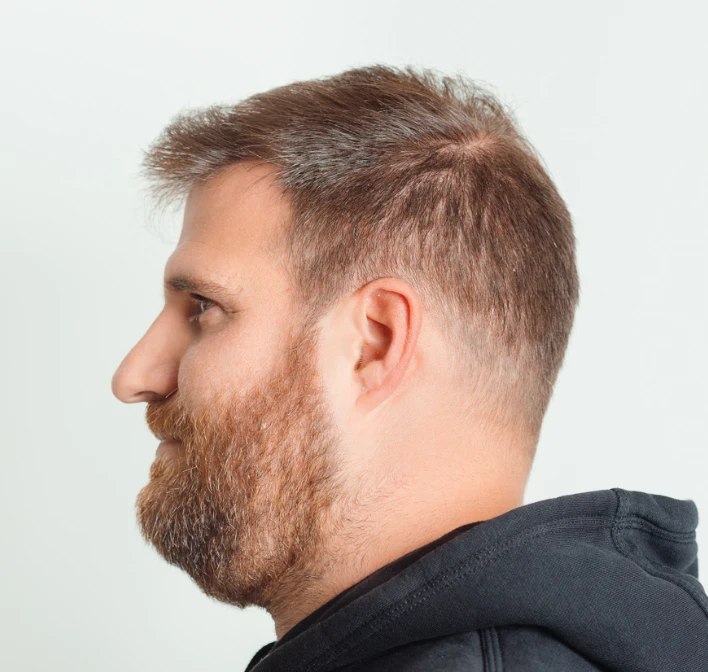
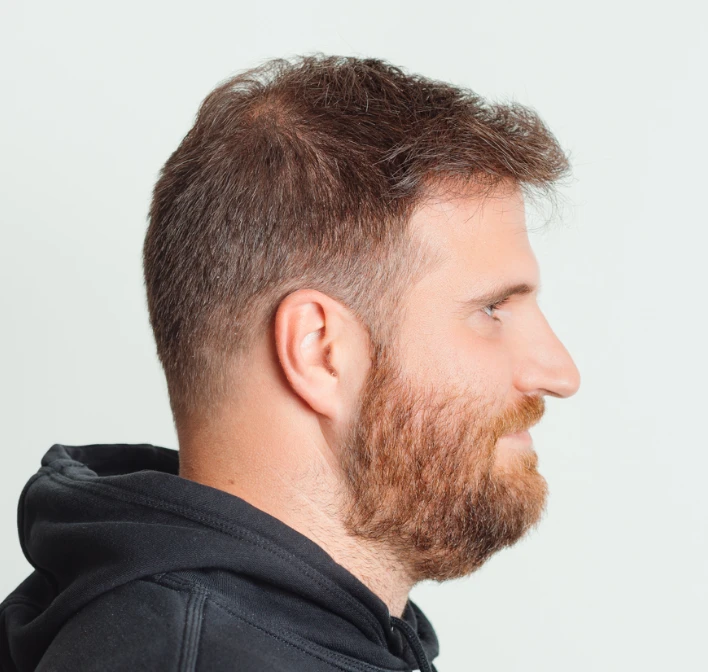
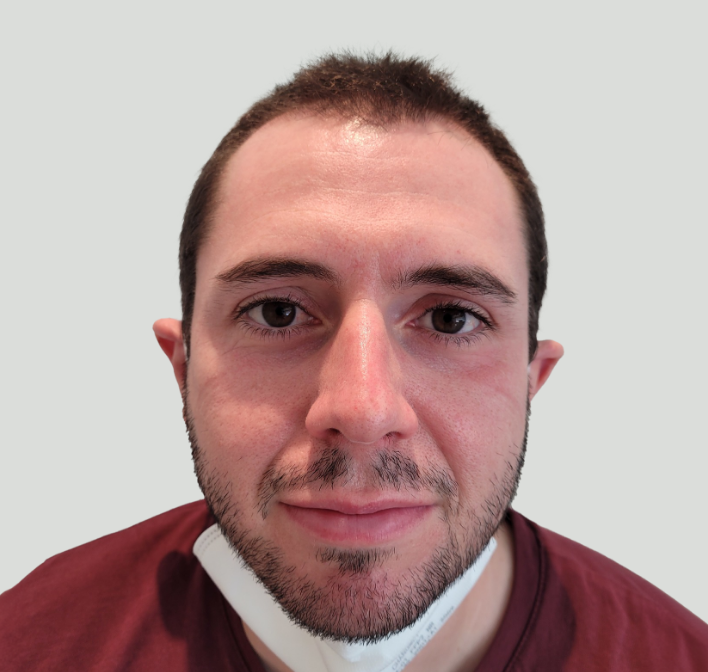
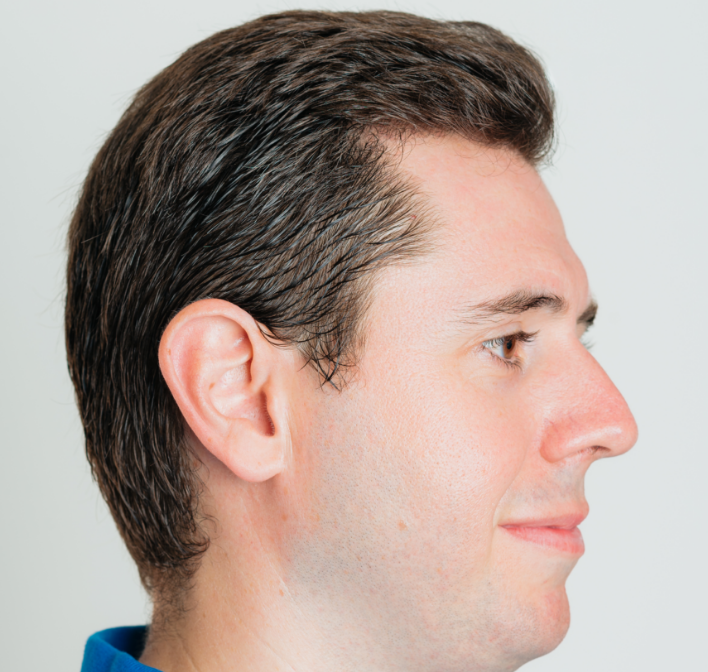
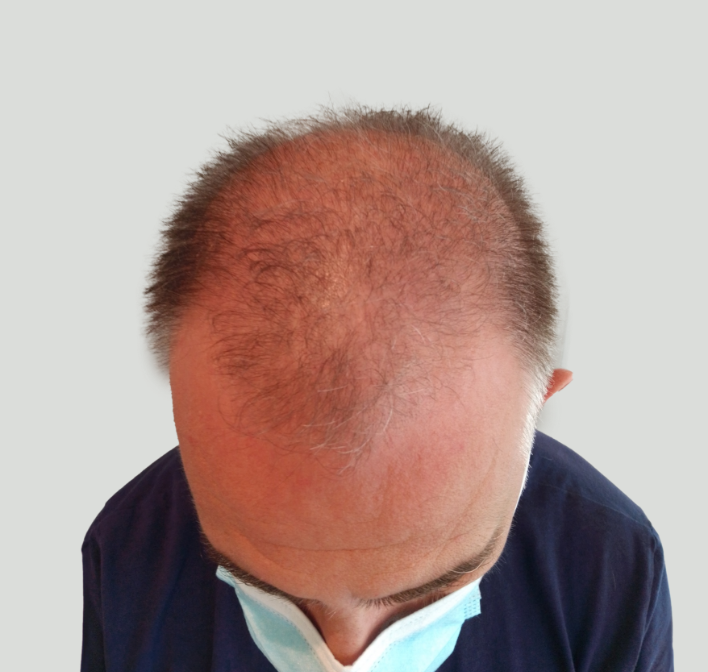
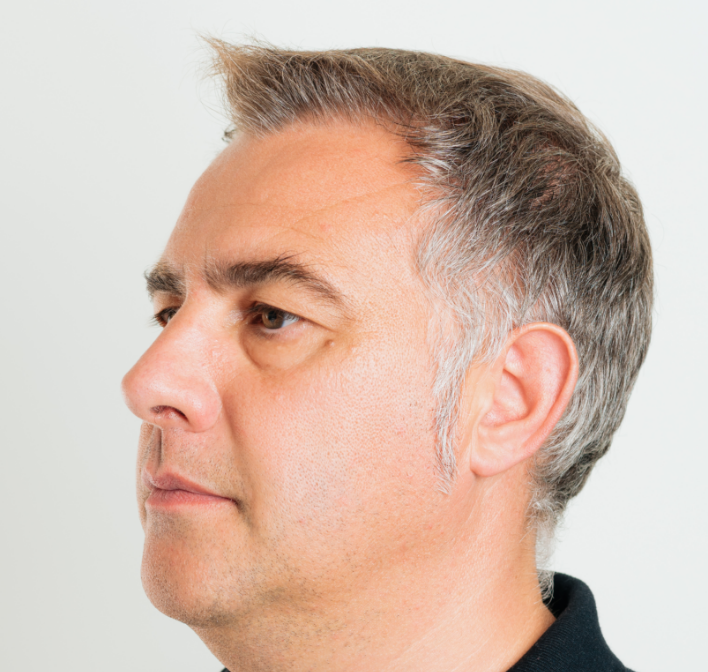
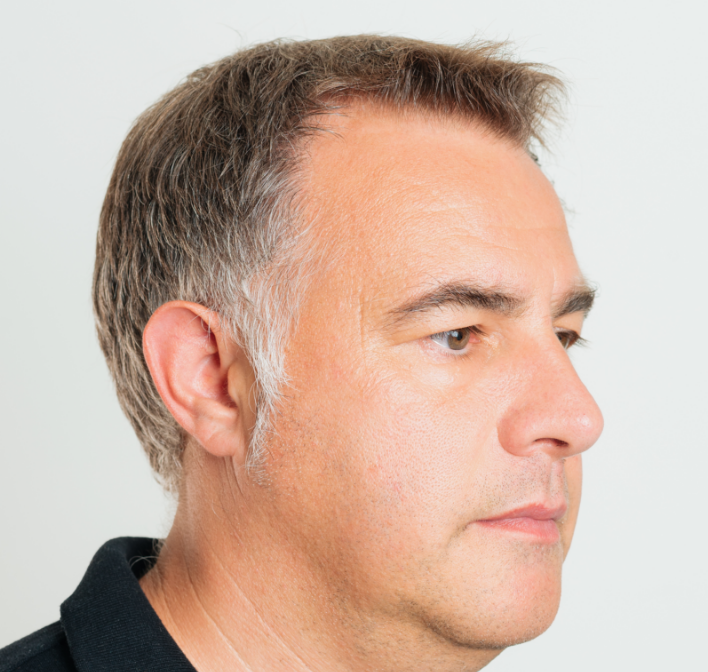
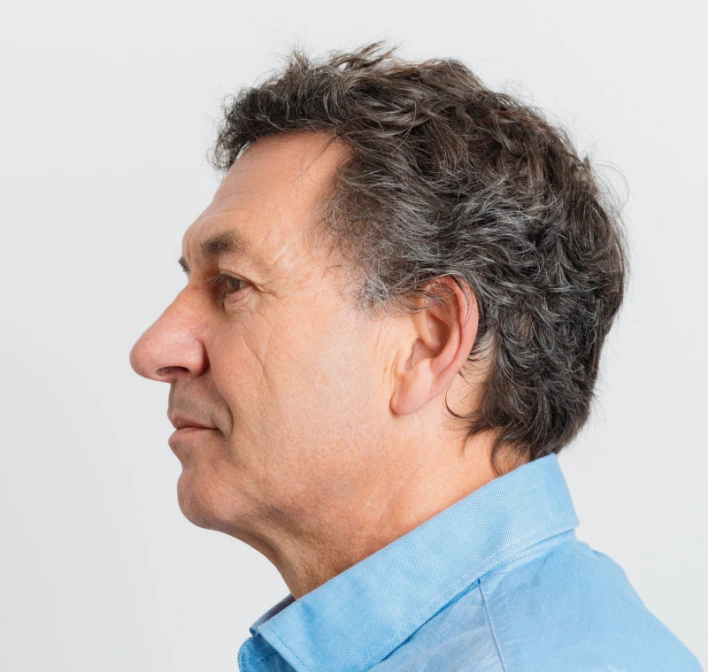
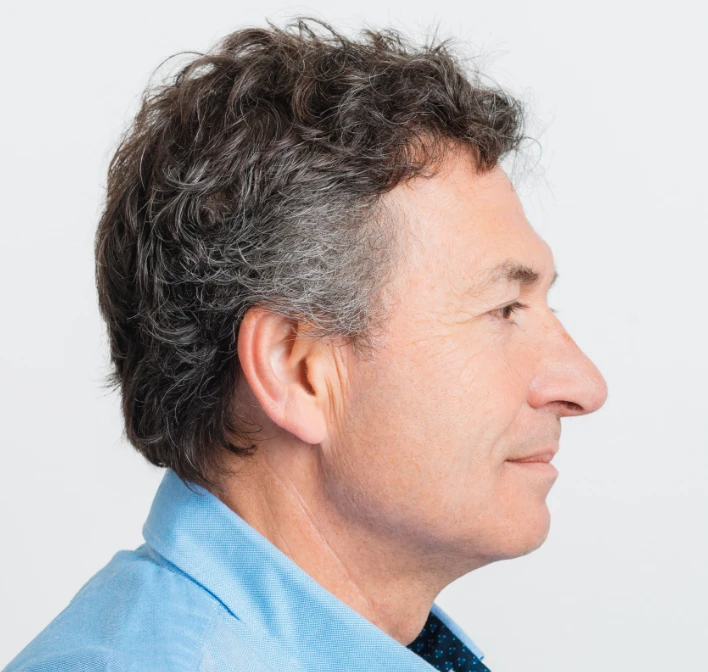
Results shown after 12 months from Capilclinic clients
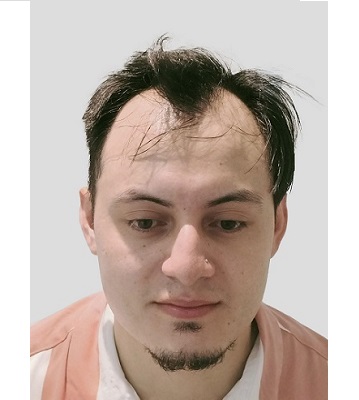

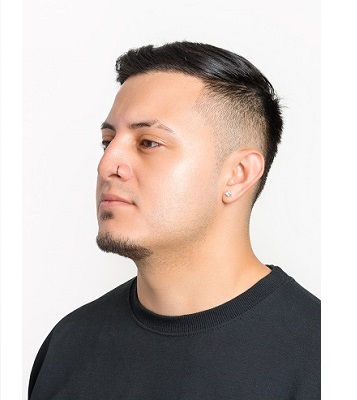
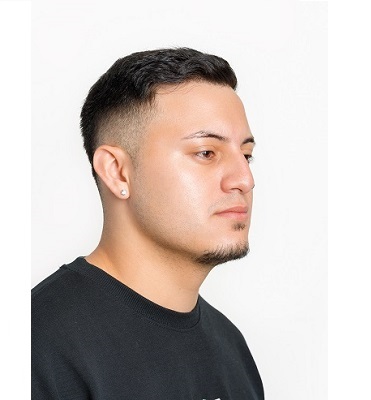
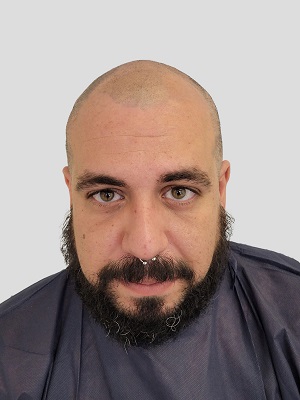
.jpg)
.jpg)
.jpg)



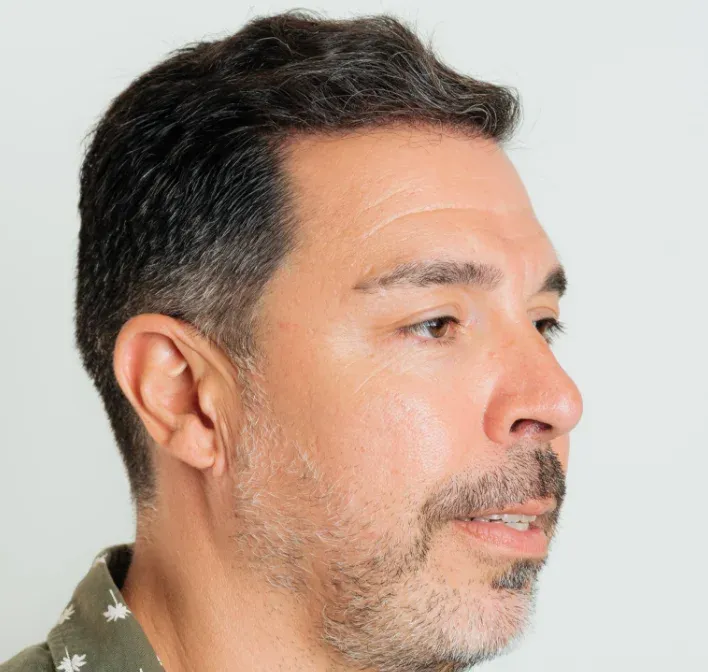
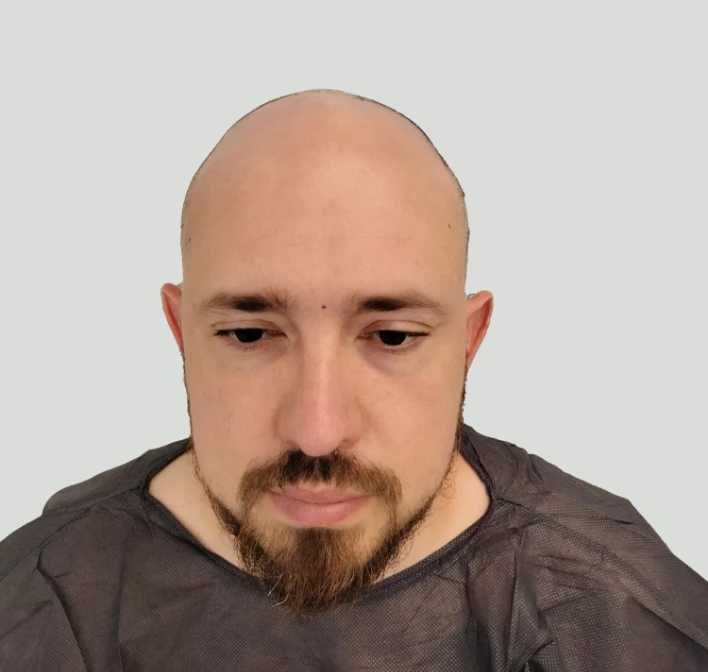


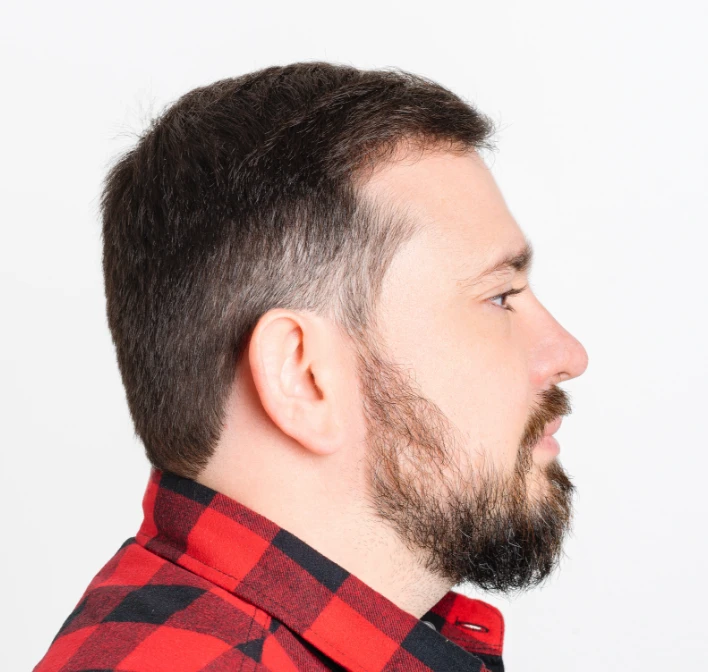


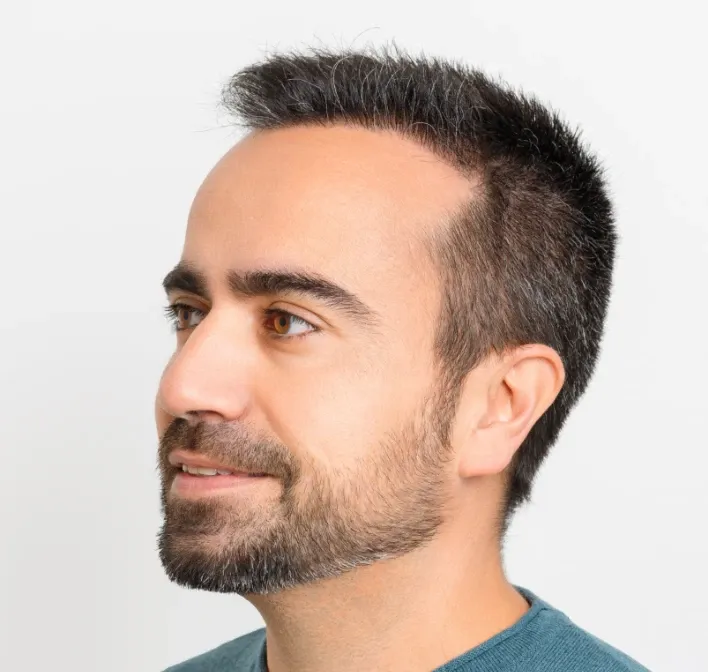






































Hair Transplant: Everything You Need to Know Before and After

When a patient decides to undergo a hair transplant, it’s common to have many questions. Hair loss often causes distress, and the sooner a solution is found, the better the outcome will be.
There’s no single answer regarding the ideal time for a transplant, since each case is unique. Contrary to popular belief, age is not the most important factor—rather, it’s the absence of conditions that could hinder the procedure, the availability of a good donor area, and hair density.
Although there’s no specific age required for a hair transplant, many specialists suggest waiting until around age 30. This allows time to assess hair loss progression and design a more effective treatment plan. In younger individuals under 25, hair loss may not yet be stabilized, making future hair patterns harder to predict.
One of the main drawbacks of undergoing a hair transplant at an early age is that hair loss can continue in untreated areas. To prevent this, doctors may recommend treatments like minoxidil or finasteride to stabilize hair loss before surgery.
Before any intervention, specialized clinics conduct thorough assessments to determine the root cause of hair loss. This diagnosis is essential for choosing the most appropriate technique and achieving the best results.
After the procedure, patients often still have questions—especially regarding hair growth, which varies from person to person. Since follicles are taken from genetically resistant areas, the transplanted hair will grow strong and naturally in its new location.
One of the key risks of undergoing a transplant too soon is continued hair loss in untreated areas, which could compromise the final result. To avoid this, specialists usually advise preliminary treatments with medications such as minoxidil or finasteride to help stabilize the hair loss before surgery.
In specialized clinics, patients undergo several diagnostic tests to determine the exact cause of their hair loss. This is crucial to identify the type of alopecia and select the most suitable treatment plan.
After the surgery, it’s normal for patients to have ongoing concerns about their progress. Everyone’s recovery and growth timeline is different.
Some individuals see results more quickly than others due to genetic factors. The biological information of the transplanted follicle remains unchanged, meaning it will retain its characteristics and continue to grow in its new location without being affected by alopecia.

Read more
When Can You See the Final Results After a Hair Transplant?

When it comes to seeing final results, the timeline varies per patient—it’s not an immediate process.
After surgery, the scalp goes through a healing phase where the follicles adapt to their new environment. During the first few weeks, it’s normal for transplanted hair to fall out. This is temporary and simply makes way for stronger, new growth.
Around the third month, new hair begins to grow during the anagen phase, which is the active growth stage of the follicle. As new strands appear, a fuller look starts to become visible.
New hair growth won’t be fully visible until around the fourth month. By the tenth month, patients can see almost final results. Between months six and nine, the pace of growth picks up. After one year, the full transformation will be evident, with uniform and natural results.
Read more
Are Hair Transplants Permanent or Temporary?

Hair follicles transplanted during the procedure are designed to be permanent. They will follow the natural cycle of growth and shedding, but won’t be affected by the pattern baldness that led to the transplant.
It’s worth noting that with age, some reduction in density is natural due to aging—not baldness. The hair will continue to grow in its new place as normal hair would.
The FUE technique isn't limited to the scalp—it’s also used for beard, eyebrows, and even body hair transplants. This approach has gained popularity as aesthetic trends evolve, and it's now a common offering in specialized clinics.
If you have any questions about this topic or any other, feel free to contact the Capilclinic team by phone or email. We’ll be happy to assist and provide all the information you need.
Read more

I want to be called

Leave us your phone number and we will call you as soon as possible. Hours: Mon to Fri from 10AM to 2PM and 4PM to 7PM
By continuing, you accept the privacy policy
Contact Us


Where would you like to get the transplant?*


Write to Us
Email: info@capilclinic.us
Call Us