


When dealing with hair loss, many people immediately think about surgery. A transplant is often seen as the main solution, but it is not the only one. Today there are several alternatives to hair transplant that are safe, less invasive, and more affordable. These treatments help slow down hair shedding, stimulate growth, and even improve the appearance of thinning areas without the need for surgery.
Hair loss can deeply affect self-esteem and confidence, but not everyone is ready for a surgical procedure. Some patients want faster recovery, lower costs, or simply a non-invasive path. Options like PRP hair treatment, scalp micropigmentation for thinning hair, or hair loss medications can be powerful tools for restoring a fuller, healthier look. In this article, we explore the best alternatives to hair transplant and explain which ones may suit your needs.
Why Choose a Hair Transplant?
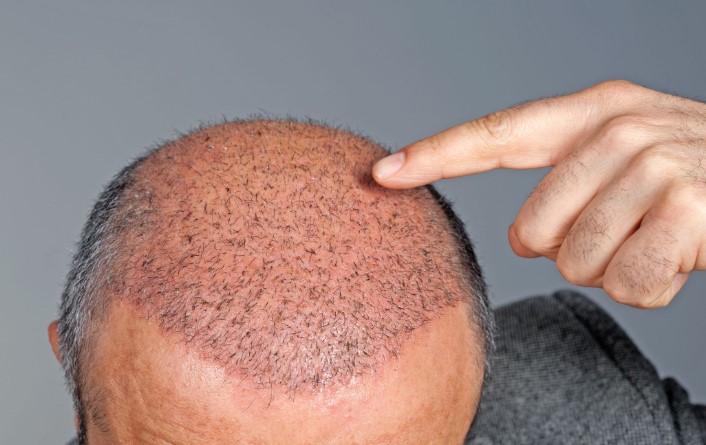
Hair transplants are widely known because they can create permanent and natural-looking results. For many patients, this procedure feels like a final solution to baldness.
Benefits of a Hair Transplant:
- Permanent results: Once transplanted, the hair usually resists future loss.
- Natural look: Skilled surgeons ensure the new hair blends perfectly.
- Effective for advanced baldness: Works even when other treatments cannot.
- One-time treatment: No need for daily medication if the surgery is successful.
- Boosts self-confidence: Restores not just your hair but also your self-image.
Limitations of a Hair Transplant:
- High cost: Not everyone can afford it.
- Recovery time: Patients need weeks to heal.
- Surgical risks: Infections, scars, or poor growth can occur.
- Not suitable for all: Some people do not have enough donor hair.
Because of these downsides, more and more people are looking for effective hair loss solutions without surgery.
What Are the Alternatives to Hair Transplant?
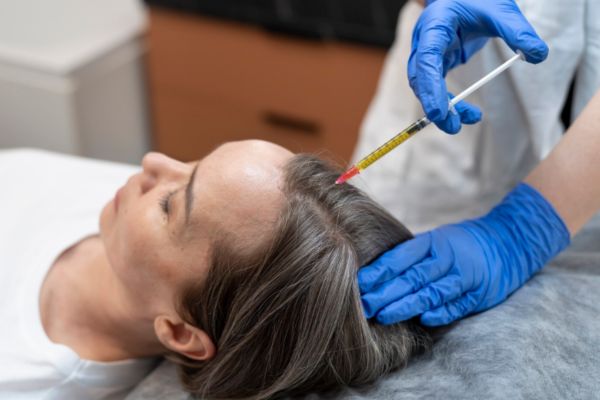
Modern science has created several non invasive hair restoration treatments. These options aim to slow down hair loss, reactivate weak follicles, or create the illusion of thicker hair. Some are medical, others cosmetic, and a few combine both approaches.
Steroid Injections for Hair Loss
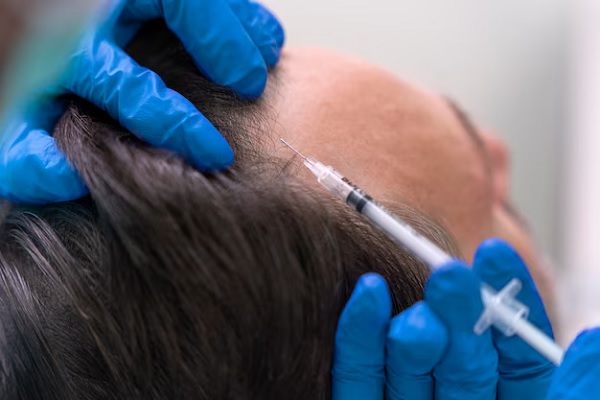
Steroid injections are often used for autoimmune conditions like alopecia areata. In these cases, the immune system attacks hair follicles. Steroids calm down the inflammation and give follicles a chance to grow again.
-
Best for: Patients with patchy hair loss.
-
Advantages: Quick application, good results for localized bald spots.
-
Drawbacks: Temporary solution; not useful for hereditary baldness.
Minoxidil: A Widely Used Topical Solution

Minoxidil is one of the most popular hair loss medications in the world. It comes as a lotion or foam applied directly to the scalp.
-
How it works: Improves blood flow, stimulates follicles, and keeps hair longer in the growth phase.
-
Best for: Men and women with thinning hair or early hair loss.
-
Evidence: Studies confirm its effectiveness for androgenetic alopecia (PubMed, 2015).
-
Drawbacks: Must be used continuously, otherwise the hair will fall again.
Finasteride: Blocking DHT for Male Hair Loss
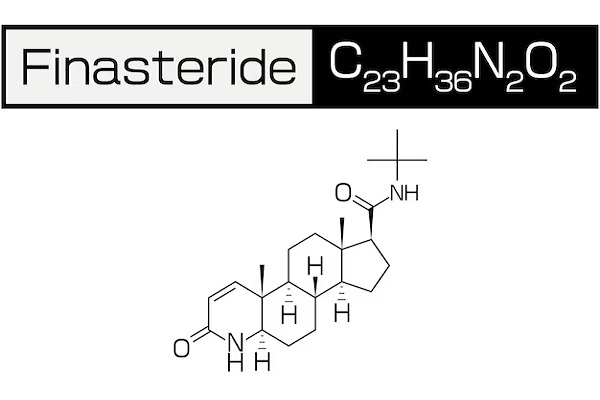
Finasteride is an oral drug that blocks DHT, the hormone responsible for male baldness.
-
How it works: Reduces DHT levels in the scalp and prevents follicle miniaturization.
-
Best for: Men with androgenetic alopecia.
-
Evidence: Clinical studies prove it slows down hair loss and helps regrowth (PubMed, 1998).
-
Drawbacks: Possible side effects like low libido. Not recommended for women.
Treating Scalp Conditions for Natural Regrowth
Sometimes hair loss is caused by scalp problems rather than genetics. Issues like seborrheic dermatitis, fungal infections, or psoriasis can damage follicles. Treating these conditions can restore growth naturally.
-
Options: Medicated shampoos, antifungal creams, antibiotics, or laser therapy for hair regrowth.
-
Advantage: Focuses on the root cause.
-
Drawback: Only effective if the scalp condition is the main trigger.
Other Popular Alternatives
-
PRP vs hair transplant: PRP uses your own blood plasma to stimulate follicles. It is safe, natural, and effective for early hair loss.
-
Scalp micropigmentation for thinning hair: A cosmetic tattoo that gives the look of thicker hair or a shaved head.
-
Natural remedies for hair loss: Oils, massages, and nutritional therapy can support overall scalp health.
Comparing Alternatives: Which Is Right for You?
| Treatment | Type | Best For | Pros | Cons |
|---|---|---|---|---|
| Minoxidil | Topical | Men & women, early thinning | Easy, affordable, proven | Must use daily |
| Finasteride | Oral | Men with hereditary loss | Stops DHT, regrowth | Side effects, men only |
| Steroid injections | Medical | Alopecia areata | Quick, effective for patches | Temporary, limited use |
| PRP treatment | Regenerative | Early to mid hair loss | Natural, safe, stimulates growth | High cost, multiple sessions |
| Scalp micropigmentation | Cosmetic | Severe thinning or baldness | Instant results, no surgery | Cosmetic only, no growth |
| Laser therapy | Device | Diffuse thinning | Non-invasive, home use | Requires consistency, variable |
Advantages of Alternatives to Hair Transplant
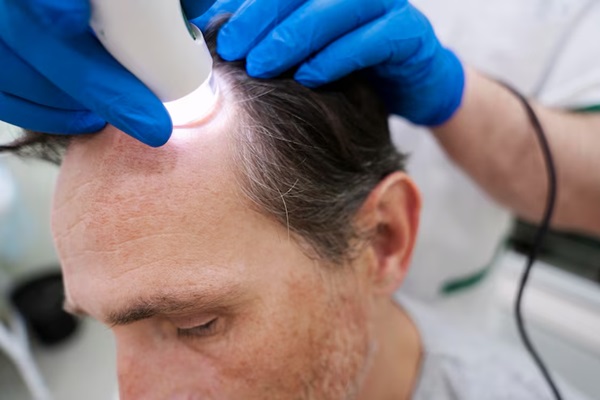
Non-Invasive and Convenient
Most alternatives do not involve cuts or stitches. Patients return to daily life right away. This is why non surgical hair restoration is so appealing.
Cost-Effective Options
While the cost of PRP treatment for hair loss can be high, it is still cheaper than surgery. Minoxidil and finasteride are very affordable compared to transplants.
Preventing Further Hair Loss
The real benefit of alternatives is prevention. Treatments like finasteride and minoxidil protect the existing hair and keep follicles active.
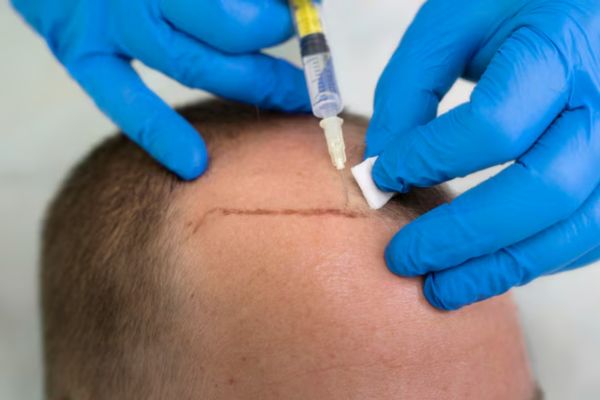
Reduced Risks and No Scarring
No surgery means no stitches, no scars, and fewer complications. Even cosmetic options like scalp micropigmentation for thinning hair are safe.
Combination Therapies for Enhanced Results
Doctors often suggest combining methods. For example: PRP with minoxidil, or laser therapy with finasteride. These effective hair loss solutions without surgery maximize the outcome.
FAQ’s

What is the best non surgical hair restoration treatment?
There isn’t a single “best” treatment for everyone. The most effective non surgical hair restoration option depends on the type and stage of hair loss, age, and overall health. For some patients, PRP hair treatment gives excellent results, especially in the early phases. Others see more improvement with medications such as minoxidil and finasteride. Cosmetic solutions like scalp micropigmentation are ideal for those with advanced thinning. The best choice often combines different therapies.
Can women use finasteride?
Finasteride is only approved for use in men because it works by lowering DHT, a hormone linked to male hair loss. For women, it is not recommended due to potential risks and lack of sufficient evidence on safety. Instead, women benefit more from treatments like topical minoxidil, PRP hair treatment, or even low-level laser therapy. These methods are effective and safe for female patients who want to address thinning hair without surgery.
How long does scalp micropigmentation last?
Scalp micropigmentation (SMP) is a cosmetic procedure that gives the illusion of fuller hair by tattooing tiny dots on the scalp. Results typically last between 3 and 5 years before fading. Over time, exposure to sun, skin type, and lifestyle habits can reduce the intensity of the pigments. Touch-up sessions are usually recommended to maintain the fresh look. SMP is a durable, non-invasive solution, but it requires maintenance to stay sharp and realistic.
Do natural remedies work for hair loss?
Natural remedies for hair loss—like essential oils, scalp massage, herbal supplements, or improved nutrition—can support scalp health and circulation. They may slow down shedding in mild cases, but results are often limited compared to medical treatments. These remedies work best when used as complementary therapies alongside proven solutions like minoxidil, PRP, or finasteride. While they rarely reverse advanced baldness, they can improve hair strength, thickness, and overall scalp condition in a gentle way.
What’s the difference between PRP and a hair transplant?
The main difference lies in the approach. PRP treatment uses the patient’s own blood plasma to stimulate weak follicles, encouraging natural regrowth. It works best for people in the early or moderate stages of hair loss. A hair transplant, on the other hand, is surgical and involves moving follicles from a donor area to bald spots. Transplants are more suitable for advanced baldness, while PRP is a non-invasive therapy focused on strengthening existing hair.
Conclusion
Hair transplants are powerful, but they are not the only option. Today, patients have access to a wide range of hair loss alternatives that are safe, effective, and affordable. From medications for hair loss in men and women to laser therapy for hair regrowth, or even cosmetic fixes like scalp micropigmentation, you can find a solution that fits your lifestyle.
If you are not ready for surgery, these non invasive hair restoration treatments can help you protect your hair, encourage regrowth, and improve your confidence. The best step is to consult a hair specialist who can guide you through the choices and design a personalized plan.
If you are considering a surgical option after exploring non-invasive methods, Capilclinic offers expert care, personalized guidance, and high-quality results. Take the first step toward restoring both your hair and your confidence—contact Capilclinic today.


Responsable – CAPIL SOLUTIONS. S.L
*Términos y condiciones
Finalidad – Dar respuesta a las solicitudes de información, y poder enviarle nuestras publicaciones, promociones de productos y/o servicios, gestionar los comentarios en el blog
Derechos Arco - Acceder, rectificar y suprimir los datos, así como otros derechos, como se explica en la información adicional.
info@capilclinic.us
Legitimación – Consentimiento
Destinatarios – No se cederán datos a terceros salvo obligación legal
Política de privacidad – Puede consultar nuestra política de privacidad aquí
*Política de privacidad