


Hair transplant procedures have gained remarkable popularity as a solution for individuals experiencing hair loss. This surge in interest is largely due to medical advancements that make the process highly effective, minimally invasive, and capable of achieving natural-looking, long-lasting results. Whether hair loss is caused by ageing, genetic factors, or medical conditions, its emotional and psychological effects can be profound.
A permanent solution for hair loss offers a permanent restoration method that significantly improves both appearance and self-confidence. People opt for this treatment for many reasons, ranging from male or female pattern baldness to thinning hair or a receding hairline. In some cases, it is chosen to cover areas affected by scars or injuries. FUE hair transplant has become one of the most popular techniques because it ensures quicker healing and leaves minimal visible scarring.
Unlike short-term fixes such as topical solutions or wigs, a capillary implant involves the relocation of your own growing follicles, which results in natural regrowth over time. Another critical factor patients consider is hair transplant expenses, which can vary significantly depending on the country and clinic.
Many people ask, how much is a hair transplant in Turkey, as this destination is known for offering high-quality procedures at more accessible prices. This affordability, combined with skilled surgeons and modern facilities, has turned Turkey into a global hub for surgical treatment for baldness. It’s also advisable to review hair transplant before and after galleries when choosing a clinic, as visual proof of success helps in making an informed decision.
What is a hair transplant and how does it work?
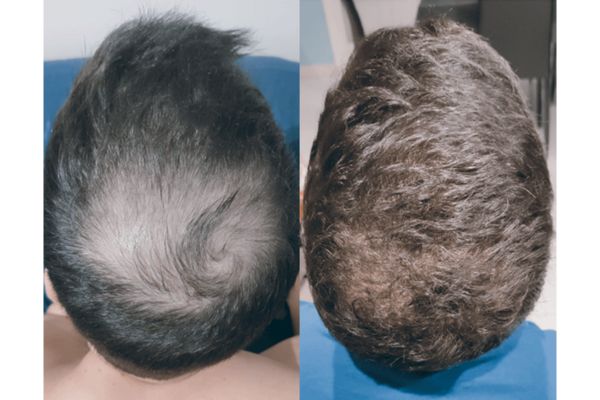
A hair transplant is a surgical technique that restores hair by moving healthy follicles from a donor area—usually the back or sides of the scalp—to areas affected by baldness or thinning. The transplanted hair is permanent and continues to grow naturally, as it retains its resistance to hair loss. This makes it a reliable solution for people seeking long-term hair restoration results without depending on ongoing treatments or medications.
The procedure typically starts with a comprehensive consultation, during which a specialist evaluates the extent of the patient’s hair loss, scalp health, and overall suitability for the treatment. If the individual is deemed a good candidate, a tailored plan is created. On the day of the procedure, local anaesthesia is applied to ensure comfort. The surgeon then extracts follicles—often using the minimally invasive FUE hair transplant technique—and prepares the recipient area for implantation.
Each graft is inserted with precision, taking into account the natural growth pattern and direction of the existing hair. This careful placement is essential to achieve a natural-looking result and a defined hairline. Following surgery, patients must follow a recovery routine that promotes healing and supports optimal growth.
Over the following months, the newly implanted hair begins to grow. Most individuals start noticing visible changes within three to four months, with full results appearing after about a year. A capillary implant not only restores hair but also improves confidence and self-image, making it a life-changing option for many facing hair loss.
What are the types of hair transplant techniques?
There are three main hair restoration surgery methods, each offering distinct advantages. The ideal technique depends on your hair loss severity, overall budget, and individual expectations. Understanding these methods helps you make an informed decision and plan for potential hair transplant expenses. Keep reading to explore how each option works and what makes them unique.
FUE (Follicular Unit Extraction)
FUE is considered one of the most advanced and minimally invasive procedures to restore hairline techniques currently available. Surgeons use a micro-punch tool to extract individual follicles from the donor area. Then, these follicles are meticulously implanted into thinning or bald regions of the scalp. This technique results in no visible linear scars, making it highly appealing to individuals who prefer short hairstyles.
Benefits of FUE
- Enjoy no visible linear scars, making it perfect for those who prefer short hairstyles.
- Experience a faster recovery time compared to other methods.
- Achieve a natural hairline thanks to precise follicle placement.
While FUE offers numerous advantages, it requires a skilled surgeon. Additionally, the process may take longer as each follicle is extracted individually.
DHI (Direct Hair Implantation)

DHI is a refined version of FUE that uses a special implanter pen for direct follicle insertion. This device eliminates the need for pre-made incisions, giving surgeons enhanced control over depth, angle, and direction. Because the follicles are handled less, the survival rate improves, resulting in a higher success rate.
Benefits of DHI
- Benefit from a quicker healing time than both FUE and FUT.
- Achieve a higher graft survival rate due to reduced handling of follicles.
- Experience dense, natural-looking results, especially along the hairline.
It’s important to note that DHI may be more expensive than other methods and requires an experienced surgeon to ensure optimal results.
FUT (Follicular Unit Transplantation)
FUT, also known as the strip method, involves surgically removing a thin strip of scalp from the donor site. The strip is then divided into individual follicular units for implantation. Although this method leaves a linear scar, it allows for the transplantation of a large number of grafts in a single session. FUT is ideal for patients with significant hair loss who need many grafts.
Benefits of FUT
- Ideal for patients facing advanced hair loss who need a significant number of grafts.
- Generally costs less than FUE or DHI.
- Delivers long-lasting, natural-looking results.
Despite its effectiveness, FUT requires a longer recovery period and may leave a visible scar, especially for those who favour short hairstyles.
Who is a good candidate for a hair transplant?

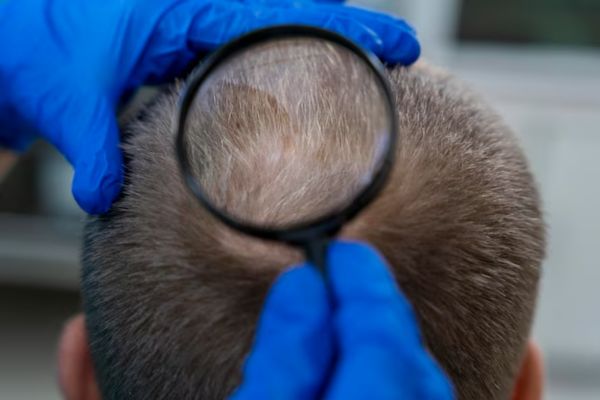
Not everyone experiencing hair loss qualifies for a hair replacement procedure. The procedure requires meeting specific conditions to ensure long-lasting, natural-looking results. Ideal candidates have stable hair loss and sufficient donor hair to support the procedure’s success.
1. Sufficient donor hair
A successful transplant depends on having healthy donor follicles, typically taken from the back or sides of the scalp. These areas are less affected by hair loss. Patients with significant baldness and sparse donor zones may not achieve their desired outcome. The thickness, quality, and availability of donor hair are crucial to the final aesthetic.
2. Stable hair loss pattern
Hair graftings are more effective when hair loss has stabilised. This ensures that the newly implanted follicles won’t be surrounded by thinning areas. Young individuals may experience progressive loss, requiring future interventions. Planning is essential to avoid patchy or uneven growth later.
3. Good health
Candidates should be in generally good health. Medical issues like uncontrolled diabetes, bleeding disorders, or autoimmune conditions can interfere with recovery. They may also limit graft survival. A full medical evaluation helps determine if the patient is fit for surgery and the healing process.
4. Realistic expectations
A surgical hair restoration can improve confidence and appearance, but it does not provide miraculous transformations. It enhances density rather than restoring a full head of hair. Patients must understand the scope and limits of the procedure. They should also be committed to post-operative care for optimal results.
5. Nonsmokers or willing to quit
Smoking can restrict blood flow to the scalp and severely reduce graft survival. For best results, patients are advised to stop smoking before and after surgery. This helps ensure proper healing and supports long-term hair growth.
If you’re asking how much is a hair transplant in Turkey, prices are often more affordable than in many Western countries. Clinics in Turkey offer packages that combine experienced surgeons, modern technology, and competitive costs, making the country a top destination for hair restoration.
How is the pre-hair transplant process?
A successful hair regrowth surgery starts with proper preparation. Taking the right steps before surgery ensures the best possible results and a smooth recovery. Here’s what to expect in the preparation phase.
Initial consultation with a surgeon
The first step is a consultation with a scalp transplant specialist. During this appointment, the surgeon will:
- Assess your scalp and hair type – They will examine the extent of your hair loss and the quality of your donor hair (usually taken from the back or sides of the head).
- Discuss expectations – The surgeon will explain what can realistically be achieved, ensuring you have a clear understanding of the results.
- Recommend the best technique – Depending on your hair loss pattern, the surgeon will suggest FUE, DHI, or FUT. They may also advise on additional treatments to support hair growth.
- Review medical history – Any existing health conditions, medications, or allergies will be discussed to minimise risks.
If you are a good candidate for the procedure, the clinic will schedule your surgery and provide detailed pre-operative instructions.
Pre-surgery instructions
To improve healing and ensure a smooth procedure, your surgeon will give you specific guidelines to follow before the transplant. These typically include:
Avoiding smoking and alcohol
- Smoking reduces blood flow to the scalp, which can slow healing and affect graft survival. You should stop smoking at least one to two weeks before surgery.
- Alcohol can thin the blood and increase the risk of bleeding during the procedure. Avoid alcohol for at least three days before surgery.
Stopping certain medications
- Blood-thinning medications (like aspirin or ibuprofen) should be stopped a week before surgery, as they can increase bleeding.
- Some supplements, including vitamin E, fish oil, and herbal remedies, should be avoided since they may interfere with healing.
- If you take prescription medications, consult your surgeon to see if any adjustments are necessary.
After the hair transplant surgery

Most patients find the procedure relatively comfortable and stress-free, as it’s performed in a sterile and well-equipped environment. After the anaesthesia wears off, you may experience some soreness or tenderness, but this can usually be managed with over-the-counter pain medication. Here are some tips for the aftercare process. Hair transplant before and after photos often reflect how closely patients follow these crucial recovery tips.
- Taking time off work – Most people need at least three to seven days to recover, depending on the technique used. Plan ahead to take time off if needed.
- Arranging transportation – Since mild sedation is often used during the procedure, you won’t be able to drive home. Arrange for someone to pick you up after surgery.
- Setting up a recovery space – Have soft pillows, gentle hair care products, and any prescribed medications ready at home. Sleeping with your head elevated for the first few nights can help reduce swelling.
IMPORTANT: These are just tips, your doctor will tell you exactly how to proceed.
How much time do hair transplants take?
The entire hair follicle transplantation procedure typically lasts anywhere from 4 to 8 hours. The duration depends on several factors, including:
- The number of grafts needed – More grafts generally mean a longer procedure.
- The method used – FUE may take longer due to the individual follicle extraction process, while FUT may be quicker but involves more preparation.
- The complexity of the hairline design – A more detailed hairline design may take longer to create for a more natural look.
It’s important to be patient during the procedure, as the surgeon will take the time to ensure everything is done with precision.
Conclusion
Hair transplant procedures have evolved significantly over the years, offering patients more effective, natural-looking results than ever before. With advancements in technology and techniques, individuals struggling with hair loss can now regain not only their hair but also their confidence. Choosing the right clinic and specialist plays a crucial role in achieving the best outcome, and understanding your options is the first step towards making an informed decision.
It’s important to remember that not all hair loss cases require surgical intervention. For some, non-surgical treatments may suffice. However, when a hair transplant is the most suitable solution, patients should prioritise safety, expertise, and the overall patient experience. From consultation to aftercare, every phase of the journey matters.
Many individuals delay taking action due to uncertainty or fear of unnatural results. But today’s techniques focus on precision and aesthetic harmony. When performed by skilled professionals, the transformation can be subtle yet deeply impactful. Ultimately, a successful procedure can enhance not just appearance, but overall well-being.
If you’re considering a hair transplant, now is the perfect time to explore your options with professionals who care. At Capilclinic, we’re committed to providing world-class treatments tailored to each patient’s needs. Visit capilclinic.us to learn more about our services and take the first step towards restoring your hair and confidence.


Responsable – CAPIL SOLUTIONS. S.L
*Términos y condiciones
Finalidad – Dar respuesta a las solicitudes de información, y poder enviarle nuestras publicaciones, promociones de productos y/o servicios, gestionar los comentarios en el blog
Derechos Arco - Acceder, rectificar y suprimir los datos, así como otros derechos, como se explica en la información adicional.
info@capilclinic.us
Legitimación – Consentimiento
Destinatarios – No se cederán datos a terceros salvo obligación legal
Política de privacidad – Puede consultar nuestra política de privacidad aquí
*Política de privacidad