


Getting a hair transplant can be life-changing, but understanding the process is essential. Whether you’re considering a FUE hair transplant or a hair transplant for men, the procedure requires precision and expert care. Though modern techniques reduce discomfort, they still involve incisions and healing. Knowing how does a hair transplant work prepares you for each step, from surgery to recovery. Patients often ask about hair transplant cost, which varies by clinic and country.
Choosing a skilled surgeon and following pre- and post-operative instructions are key to success. Covering the scalp during healing and maintaining hygiene are also important. This article outlines the entire process, including preparation, graft placement, and aftercare. By understanding how does a hair transplant work, you’ll be better equipped to achieve natural, lasting results.
How does a hair transplant work?
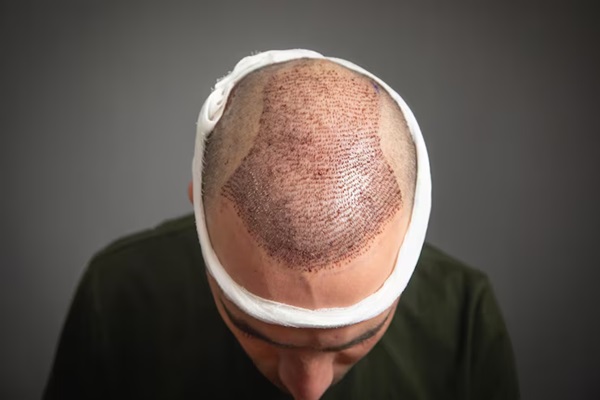
Understanding how does a hair transplant work starts with knowing the procedures involved. Hair transplantation relies on specific techniques that vary in approach and complexity. To comprehend how does a hair transplant work, you must explore the two primary methods: Follicular Unit Transplantation (FUT) and Follicular Unit Extraction (FUE).
The most common procedures in reputable clinics across the world include FUT and FUE. Of these, fue hair transplant is now the preferred option due to its effectiveness and minimally invasive nature. The process can take between 4 to 8 hours, depending on individual cases.
Book your hair transplant today!
Follicular unit extraction (FUE)
The FUE hair transplant method is widely accepted among specialists due to its precision and natural-looking results. (Source: PubMed) In this technique:
- Hair grafts are extracted from the back of the head, an area abundant in viable hair follicles.
- The surgeon creates small incisions in the balding area.
- The extracted hair grafts are then implanted into these incisions.
- The treated site is carefully cleaned to prevent infections and ensure proper healing.
Follicular unit transplantation (FUT)
Unlike FUE, FUT involves a slightly more invasive approach:
- A strip of skin is removed from the back of the head, providing a higher density of hair grafts.
- Individual grafts are extracted from the strip.
- Small incisions are made in the balding area, and the grafts are implanted.
- This method is most effective for hair transplant for men experiencing receding hairlines, though it may not be ideal for generalized hair loss.
The stages of hair transplant
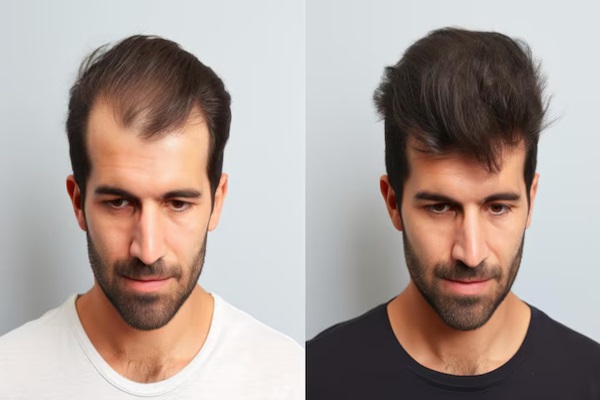
A hair transplant is not just a one-time procedure—it involves several distinct stages, each impacting the final results.
Pre-transplant preparations
Preparation is tailored to each individual. Surgeons provide instructions based on hair type, scalp condition, and medical history.
The first two weeks post-transplant
This phase is critical for healing. Patients may experience slight bleeding and temporary shedding, which are normal reactions to the procedure. —such as avoiding touching the transplanted area—can significantly enhance recovery.
Weeks 2-4 after surgery
By this point, visible healing takes place. Any initial scabbing disappears, and hair follicles stabilize. While washing your hair is permitted, it’s essential to use only recommended products and avoid harsh chemicals.
1-3 months after hair transplant
Hair shedding might still occur, but this is part of the body’s natural cycle. Some patients begin to notice new growth during this period, while others may require more time.
The next 3-6 months
This is when hair growth accelerates, and patients typically observe significant results. However, variations exist—some experience faster growth than others.
The final 6-12 months

The final phase of recovery and growth. By this point, how does a hair transplant work becomes evident through visible, natural hair growth. At this stage, you can return to a regular hair care routine, ensuring optimal results.
The two main hair transplant procedures
The most reputable clinics in the USA specialize in both FUT and FUE techniques, though fue hair transplant has become the preferred choice for many. These procedures typically require between 4 to 8 hours to complete.
Follicular Unit Extraction (FUE)
The FUE hair transplant method is widely recognized for its effectiveness and minimal invasiveness. This technique follows a precise process:
- The surgeon extracts hair grafts from the back of the head, an area rich in follicles.
- Tiny incisions are made in the recipient area.
- The grafts are carefully placed into these incisions.
- The treated area is cleaned post-procedure to prevent infections.
Follicular Unit Transplantation (FUT)
Unlike FUE, FUT involves a more traditional approach:
- A strip of skin is surgically removed from the back of the head.
- Individual grafts are extracted from the strip.
- The surgeon creates incisions in the balding area and implants the grafts.
- This method is particularly useful for hair transplant for men experiencing receding hairlines.
How to achieve the best hair transplant results
A successful transplant depends on a combination of factors, including preparation, execution, and post-operative care.
1- Choose an experienced surgeon
Selecting a qualified expert in hair restoration is crucial. Research their credentials, reviews, and case studies before proceeding.
2- Set realistic expectations
While hair restoration significantly enhances appearance, it won’t always replicate the hair density of youth. The goal is improvement, not perfection.
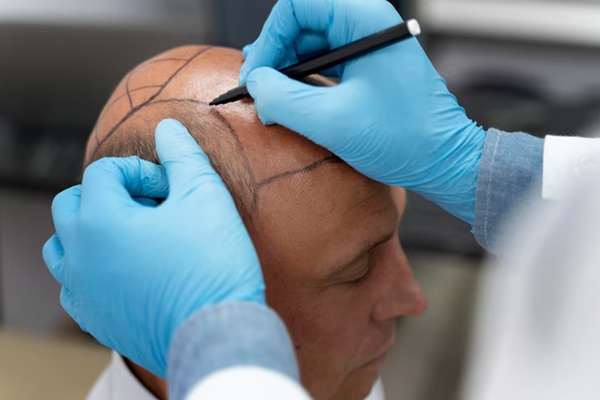
3- Consultation and planning
Discuss your desired results with your surgeon. They will tailor a treatment plan considering hairline design, density, and donor site viability. (Source: NCBI)
4- Donor area assessment
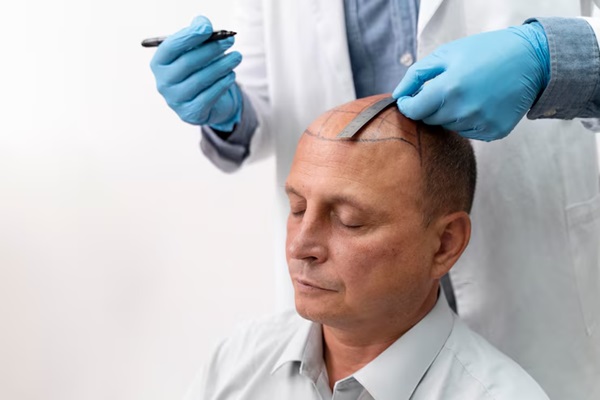
A successful how does a hair transplant work process relies on a healthy donor area with sufficient grafts.
5- Avoid over-harvesting
A skilled surgeon ensures the donor site remains viable by balancing coverage and preservation.
6- Hair transplant cost considerations
Factors such as technique, clinic location, and patient needs influence hair transplant cost.
7- Graft placement
Skillful placement of grafts is crucial for achieving natural-looking results. The angle, direction, and density of each graft should mimic the patient’s natural hair pattern. An experienced surgeon ensures that transplanted hair blends seamlessly with the existing follicles.
8- Donor area closure
In fue hair transplant, individual follicles are extracted without leaving a linear scar. However, in Follicular Unit Transplantation (FUT), meticulous donor area closure is essential to minimize scarring. One effective technique is trichophytic closure, which allows hair to grow through the scar tissue, making it less noticeable.
9- Post-operative care
Following proper post-operative care ensures the best results. Patients must carefully adhere to their surgeon’s instructions, including prescribed medications and hygiene practices. Avoid touching, scratching, or exposing the transplanted area to direct sunlight or harsh conditions to prevent complications.
10- Patience during the recovery process
It’s natural for transplanted hair to shed initially, but this is only temporary. Hair growth gradually resumes over the following months, with noticeable improvements occurring within 6 to 12 months. Understanding how does a hair transplant work includes acknowledging that final results take time. (Source: Clinical Dermatology Review)
11- Nutrition and healthy habits
A balanced diet rich in protein, vitamins, and minerals supports hair regeneration. Patients should also avoid smoking and excessive alcohol consumption, as these can hinder healing and affect hair transplant cost by requiring additional corrective procedures.
12- Stress management
Stress can contribute to hair loss, so maintaining mental well-being is beneficial. Incorporating relaxation techniques such as meditation and exercise can enhance overall recovery and prevent future hair thinning.
13- Follow-up appointments
Regular check-ups with the surgeon ensure proper healing and help address any concerns. These visits also allow for adjustments if necessary, ensuring that the transplant yields the best possible outcome.
14- Long-term hair care
Once the new hair has grown in, regular maintenance is essential. Washing, styling, and using recommended hair products will help preserve the results. Proper hair care ensures a lasting, natural look.
15- Professional assessments for long-term success
Periodic evaluations from a hair transplant specialist can provide insights into the ongoing health of the transplanted follicles and determine whether additional treatments are needed.
FAQs
What is a hair transplant and how does it restore hair?
A hair transplant is a surgical procedure that moves hair follicles from a donor area (usually the back or sides of the scalp) to areas affected by hair loss. The transplanted follicles continue to grow hair naturally in their new location.
What are the main techniques used in hair transplantation (FUT vs. FUE)?
There are two primary methods:
- FUT (Follicular Unit Transplantation): A strip of scalp is removed, dissected into follicular units, and implanted.
- FUE (Follicular Unit Extraction): Individual follicles are extracted directly from the donor area and implanted one by one.
FUE is less invasive and leaves minimal scarring.
How is donor hair selected and extracted for the procedure?
Donor hair is chosen from areas with dense, stable growth—typically the back or sides of the head. In FUE, follicles are extracted using a micro-punch tool. In FUT, a strip of scalp is surgically removed and dissected under a microscope.
What happens during the implantation phase of a hair transplant?
Tiny incisions are made in the recipient area, and the extracted follicles are carefully inserted at specific angles and densities to mimic natural hair growth. The procedure can take several hours depending on the number of grafts.
How long does it take to see results after a hair transplant?
Initial shedding of transplanted hair occurs within the first few weeks. New growth typically begins around 3–4 months post-surgery, with full visible results appearing between 9–12 months.
Are hair transplant results permanent and do they look natural?
Yes, results are generally permanent because the transplanted follicles are resistant to the hormone that causes hair loss. When performed by skilled professionals, the outcome looks natural and blends seamlessly with existing hair.
Conclusion
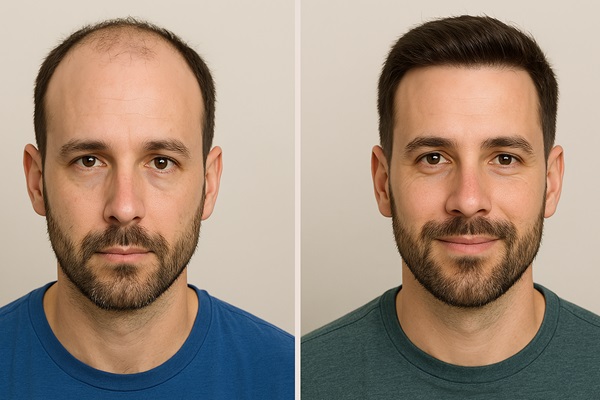
Understanding how does a hair transplant work is crucial for anyone considering a long-term solution to hair loss. The procedure involves carefully extracting healthy hair follicles from a donor area, usually at the back or sides of the scalp, and transplanting them into thinning or bald regions. Beyond the surgical technique itself, success relies on meticulous planning, expert execution, and proper post-operative care.
At CapilClinic, our skilled surgeons specialize in advanced FUE hair transplant methods, offering natural-looking, lasting results. Learn how does a hair transplant work, explore hair transplant costs, and take the first step toward restoring your confidence and achieving a fuller, healthier head of hair.


Responsable – CAPIL SOLUTIONS. S.L
*Términos y condiciones
Finalidad – Dar respuesta a las solicitudes de información, y poder enviarle nuestras publicaciones, promociones de productos y/o servicios, gestionar los comentarios en el blog
Derechos Arco - Acceder, rectificar y suprimir los datos, así como otros derechos, como se explica en la información adicional.
info@capilclinic.us
Legitimación – Consentimiento
Destinatarios – No se cederán datos a terceros salvo obligación legal
Política de privacidad – Puede consultar nuestra política de privacidad aquí
*Política de privacidad