

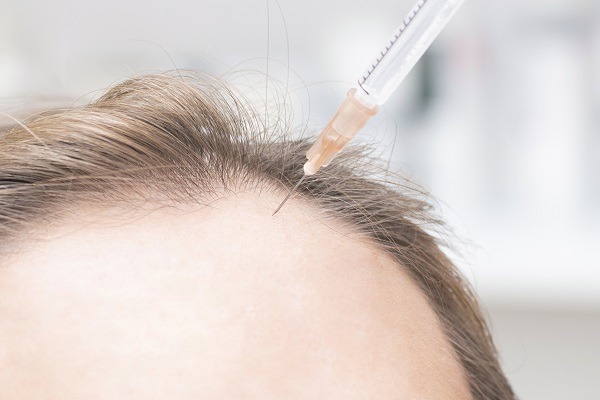
Hair transplant without shaving is an increasingly popular option for both men and women seeking discreet hair restoration. While traditional methods often require shaving the head, newer techniques allow for follicular extraction and implantation without removing large sections of hair. This is especially appealing in hair transplant for men who prefer to maintain their appearance during recovery. Understanding how does a hair transplant work helps clarify why shaving is sometimes necessary, particularly in FUT or FUE procedures. However, no-shave alternatives offer a more subtle approach.
Patients often inquire about hair transplant cost, which may be slightly higher for no-shave methods due to their complexity. Still, the benefits of discretion and comfort make it worthwhile. Many find reassurance in hair transplant before and after photos, which showcase natural-looking results. Consulting with a specialist ensures the best technique is chosen based on individual needs, hair type, and aesthetic goals.
Is a hair transplant without shaving possible?

A hair transplant without shaving is indeed possible, but it largely depends on the patient’s condition and the surgeon’s assessment. However, in some cases, the surgeon has no alternative but to shave the head, especially when the area requiring treatment covers a large surface of the scalp. This approach ensures proper visibility and precision.
For hair transplant without shaving to be feasible and successful, both the donor and recipient areas often still require partial trimming. The type of procedure—FUE (Follicular Unit Extraction) or FUSS (Follicular Unit Strip Surgery)—also plays a significant role in determining whether shaving is necessary.
A key reason for shaving before the procedure is to provide clear and easy access for the surgeon. If you choose to shave your hair, it’s commonly done the day before surgery by the specialist. This step is considered a preoperative protocol to improve efficiency and reduce complications. It is also an important factor that may influence the overall hair transplant cost.
Regardless of whether the hair is shaved or not, patients may experience various side effects. These may include swelling, crust formation, infections, itching, minor bleeding, numbness, inflammation, temporary hair shedding, or shock loss. Each of these effects varies based on the individual and the technique used.
How is a hair transplant without shaving?

Hair transplant without shaving is a cutting-edge technique that allows patients to undergo the procedure without trimming their existing hair. This method is especially popular among individuals who wish to avoid a noticeable post-surgery appearance. It offers the same benefits as traditional methods but without the need to expose the scalp. This approach demands a high level of skill from the surgeon and is ideal for those who need minimal downtime or want to keep their procedure private.
One of the main advantages of a hair transplant without shaving is that it provides immediate aesthetic discretion, allowing patients to return to daily life without visible signs of surgery. The procedure is typically done using the FUE (Follicular Unit Extraction) method, which is less invasive and leaves no linear scars. For anyone wondering how does a hair transplant work, it involves extracting healthy follicles from a donor area—usually the back or sides of the head—and implanting them in areas of thinning or baldness. This promotes natural hair regrowth over time, typically within 3 to 6 months. With advancements in technique and precision tools, this type of transplant offers impressive results for those seeking a subtle transformation.
The rise of non-shaven FUE
Non-Shaven FUE, also known as Unshaven FUE or U-FUE, represents a groundbreaking development in the world of hair transplantation. This technique enables patients to undergo the procedure without needing a complete head shave. Instead, only the donor area required for harvesting is trimmed, leaving the rest of the hair intact.
The Non-Shaven FUE process involves the careful extraction of individual follicles. It offers a discreet and less conspicuous option for those who wish to keep their hair loss treatment private. This method has become increasingly popular among individuals who want to maintain their current hairstyle while addressing their hair loss concerns.
What are the benefits of a hair transplant without shaving?
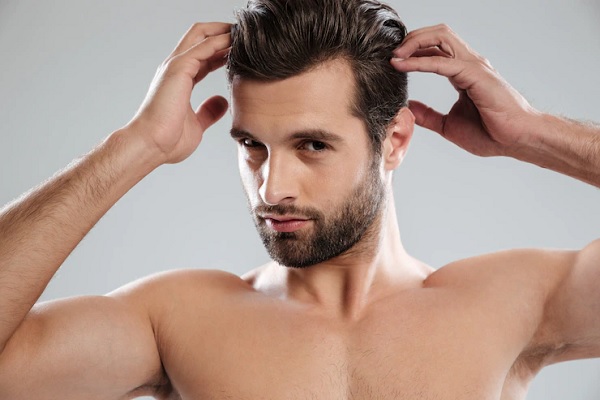
For many individuals considering a hair transplant, the idea of shaving their entire head can be a major concern. Thankfully, advances in modern techniques like Non-Shaven Follicular Unit Extraction (NS-FUE) now offer an alternative. This method allows patients to enjoy impressive results without the need to shave their hair, preserving their appearance and providing other important advantages.
1- No aesthetic disruption
One of the biggest concerns for hair transplant patients is the change in appearance immediately after surgery. With NS-FUE, there’s no need to shave the head, which means the patient’s hairstyle can remain intact throughout the entire process. This is especially reassuring for individuals who want to keep their treatment discreet.
Maintaining the original hairstyle helps patients feel confident and comfortable during recovery, especially in social or professional settings. It eliminates the awkward transition phase and makes it easier to resume everyday activities without drawing attention.
2- Faster recovery time
Another key advantage of a no-shave hair transplant is the speed of recovery. Since the head isn’t fully shaved, the skin experiences less trauma, and the healing process is often quicker than with traditional methods. Patients can typically return to work or social life in a shorter timeframe.
Because there’s no need to wait for shaved hair to grow back, many people report feeling better about their appearance sooner. This reduces downtime and makes the entire experience more manageable and less disruptive.
Natural-looking results
NS-FUE gives surgeons the ability to carefully work around existing hair, which creates a smooth transition between transplanted and natural follicles. This method allows for precise placement, ensuring that each graft blends well with the patient’s original hairline and density.
The result is a seamless, natural-looking finish that’s often undetectable to others. Because the surrounding hair is left untouched, it helps conceal early signs of surgery, contributing to a more discreet and polished outcome.
How is the unshaven hair transplant done?

Hair transplant without shaving is an increasingly popular technique for patients who want to maintain their current hairstyle during the procedure. Many people wrongly assume that the entire head must be shaved before a transplant. This is a common misconception. In reality, clinics apply different methods depending on the case. Some choose to keep the recipient area unshaven while removing hair only from donor sites. This preserves the patient’s appearance, especially in the early stages.
In certain clinics, the donor area is fully shaved but then covered strategically by surrounding hair. This technique ensures access while concealing the treatment zone. In more discreet approaches, neither the donor nor the recipient area is shaved. This allows the procedure to be virtually undetectable. However, not all clinics offer this, and it’s not suitable for every individual. Some scalp types or hair densities may not support the unshaven method effectively.
One essential consideration is that these procedures vary in complexity. The unshaven approach usually takes more time and must be handled by highly trained professionals. It increases the risk of infection if not done under strict clinical standards. Also, visibility during surgery may be reduced, making precision harder to achieve. That’s why such transplants are mostly recommended for small-scale hair loss or localized balding spots. Each case must be assessed individually by a specialist.
Ultimately, only a trained surgeon can determine if this option is appropriate. It is particularly useful for public-facing professionals who cannot afford downtime or visible changes. Patients should also explore visual results, like hair transplant before and after images, to set realistic expectations. Hair transplant without shaving offers a discreet solution, but a full evaluation is essential. To get personalized advice, consult a qualified clinic and consider scheduling an expert assessment.
Why is shaving a preoperative measure in hair transplant?
Before undergoing a hair transplant, many patients wonder why shaving the treatment area is necessary. Although it might seem like a purely aesthetic decision, this step plays a vital role in ensuring the procedure’s safety, precision, and overall success. Below, we break down the main reasons why surgeons recommend shaving before performing a hair transplant.
1- Clear vision

One of the primary reasons for shaving the area is to provide the surgeon with a clear view of the scalp. This visibility allows them to assess hair density, growth direction, and placement with accuracy. When the field is unobstructed, the procedure becomes much more manageable.
Clear visibility enables the surgeon to work more efficiently and produce better, more natural-looking results. It also reduces the risk of error and makes the entire operation smoother and faster.
2- Simpler and faster
Performing a hair transplant without shaving can complicate the process significantly. The surgeon must carefully navigate around existing hair, which slows down the procedure and increases the likelihood of complications. Hair can obstruct instruments or the insertion of grafts, causing delays.
When the area is shaved, the process becomes more streamlined. It allows for faster graft placement and helps maintain consistency in density and direction across the scalp.
3- Elimination of possible risks
Keeping hair in the surgical area increases the risk of tangling, especially with newly implanted grafts. This can lead to unintentional pulling or damage during or after surgery. Tangled hair may also introduce bacteria or compromise the sterility of the environment.
By shaving the affected area, surgeons can work in a safer, more controlled setting. It minimizes unnecessary manipulation and eliminates the chance of graft interference from surrounding hair.
4- Easier postoperative care
After a transplant, keeping the scalp clean is essential to prevent infections and encourage healing. If the hair is left long, it can trap dirt, oils, and debris, making it harder to maintain hygiene in both hair transplant for men and women..
With a shaved scalp, cleaning becomes much simpler and more effective. Patients can apply saline sprays, medicated shampoos, or topical treatments with ease, which supports a smooth recovery process.
5- Simplified aftercare procedure
Post-surgery symptoms like itching or minor bleeding are common and usually treated with sprays like ATP or healing serums. These treatments are more effective when applied directly to the scalp. Hair can act as a barrier, preventing the product from reaching the skin.
Shaving ensures these products are absorbed properly, speeding up results and reducing discomfort. It also makes monitoring for signs of infection or inflammation much easier for both the patient and doctor.
6- Minimal risk of graft detachment
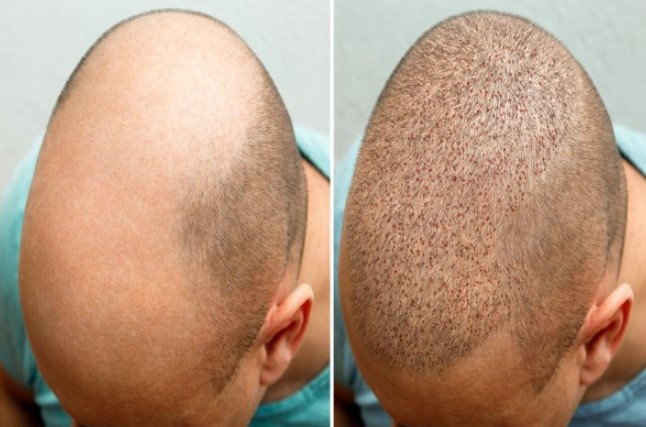
Newly implanted grafts are fragile and can be accidentally pulled out if they catch on surrounding hair. This not only disrupts healing but can also affect the final outcome of the transplant.
That’s why surgeons may recommend shaving even small areas around the transplant zone. Doing so prevents contact between existing hair and the new grafts, ensuring that they remain securely in place and heal properly.
Conclusion
Hair transplant without shaving has become a game-changer for those seeking discreet yet effective hair transplantation. This technique allows patients to undergo treatment without dramatically altering their appearance during the recovery process. By preserving existing hair coverage, it provides a more natural transition and helps individuals maintain confidence throughout the journey.
This method is especially appealing for professionals or individuals in the public eye who prefer minimal disruption to their daily routines. Thanks to advancements in surgical precision and technique, results are not only impressive but also long-lasting. The procedure blends seamlessly with your current hair, ensuring subtle, undetectable improvements.
Moreover, the emotional benefits are just as significant as the physical ones. Avoiding a full shave often means reduced stress and greater overall satisfaction with the process. It’s an approach that respects both aesthetic and psychological needs, making it an ideal choice for many patients.
If you’re considering a solution that combines comfort, discretion, and visible results, hair transplant without shaving could be the right fit. To learn more or schedule a consultation with trusted specialists, visit capilclinic.us today and take the first step toward restoring your hair with confidence.


Responsable – CAPIL SOLUTIONS. S.L
*Términos y condiciones
Finalidad – Dar respuesta a las solicitudes de información, y poder enviarle nuestras publicaciones, promociones de productos y/o servicios, gestionar los comentarios en el blog
Derechos Arco - Acceder, rectificar y suprimir los datos, así como otros derechos, como se explica en la información adicional.
info@capilclinic.us
Legitimación – Consentimiento
Destinatarios – No se cederán datos a terceros salvo obligación legal
Política de privacidad – Puede consultar nuestra política de privacidad aquí
*Política de privacidad