

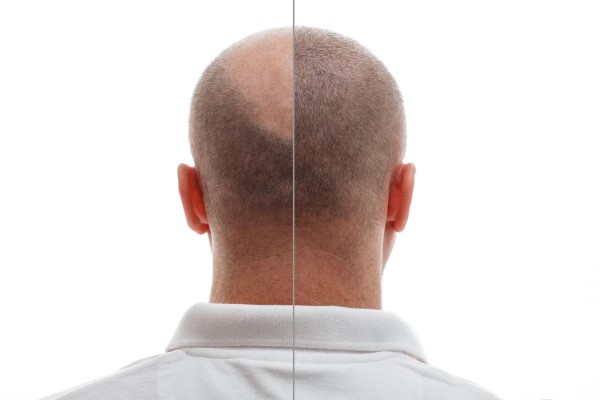
Undergoing a hair transplant is not just about restoring hair—it’s about regaining confidence, youth, and a more balanced appearance. However, anyone considering this procedure usually has one big question in mind: “What do hair transplant results really look like before and after?”
The truth is that the outcome of a hair transplant is progressive and requires patience. While the final look is permanent and natural in most cases, the journey includes different stages: initial shedding, slow regrowth, and gradual thickening until the full result is visible.
In this guide, we’ll break down everything you need to know about hair transplant before and after results, including the growth timeline, the factors that influence the outcome, common challenges, and even the myths about changes in facial appearance. By the end, you’ll have a realistic understanding of what to expect and how to achieve the best possible results.
What Results Can You Expect from a Hair Transplant?
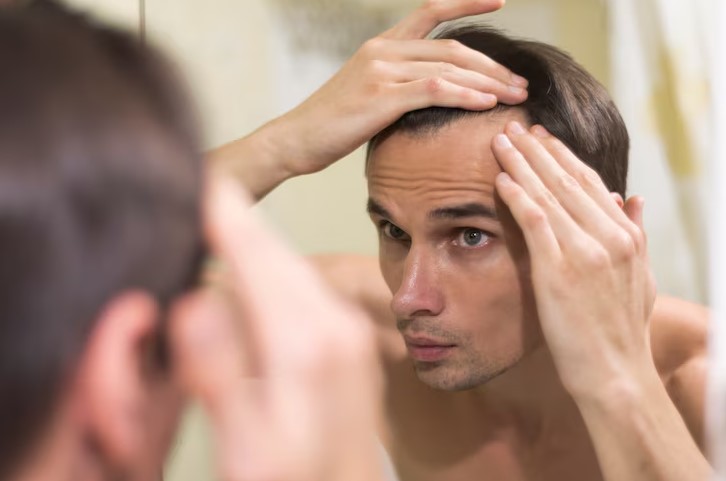
If you’re reading this, chances are you’re wondering: “So… does it actually look good? Is it worth it?” The short answer: yes, but it depends on several factors. Here’s what you can realistically expect, what influences the outcome, and what’s just marketing fluff.
General Overview of the Results (Density, Naturalness, Permanence)
-
Density: Don’t expect a jungle of hair overnight. A transplant can achieve natural-looking coverage, but not always the same density you had as a teenager (that ship sailed a long time ago). When enough grafts are implanted, and if your hair is naturally thick, the result can get very close to native density. Some studies show that modern techniques like DHI can reach up to ~75 grafts/cm², while classic FUE often achieves around ~50 grafts/cm² in certain areas (OAE Publishing – Clinical Studies on Hair Restoration).
-
Naturalness: This depends on angles, direction of growth, hair thickness, and the design of your hairline. When done properly, the result is undetectable. Poor alignment or low density, on the other hand, can give you the dreaded “pluggy” look.
-
Permanence: Transplanted hair follicles are usually taken from the donor area (back or sides of the scalp), which are resistant to DHT—the hormone linked to hair loss. That’s why they keep growing permanently after being relocated. Long-term follow-ups show that properly implanted grafts can last for decades if maintained well (International Society of Hair Restoration Surgery).
Factors That Influence the Final Outcome
-
Technique used: FUE, FUT, DHI… each one differs in scarring, healing, achievable density, and precision.
-
Number of grafts implanted: More grafts = more coverage, but only if your donor area can handle it.
-
Surgeon & medical team: Experience matters. Poor handling can destroy follicles or create unnatural results.
-
Donor area quality: The thicker and denser your donor hair, the better the coverage.
-
Post-op care: Following instructions (washing, avoiding trauma, meds, sun protection) determines how many grafts survive.
Realistic Expectations vs. False Promises
-
Realistic expectations: You’ll face shedding at first, little visible growth in the first few months, then steady progress up to 12–18 months. Results are gradual, not instant.
-
Red flags / false promises: “Full density in one month,” “no scarring at all,” “lifetime results without care,” or “covering total baldness in one session.” If it sounds too good to be true, it usually is.
Book your personalized hair assessment
Hair Transplant Evolution Month by Month
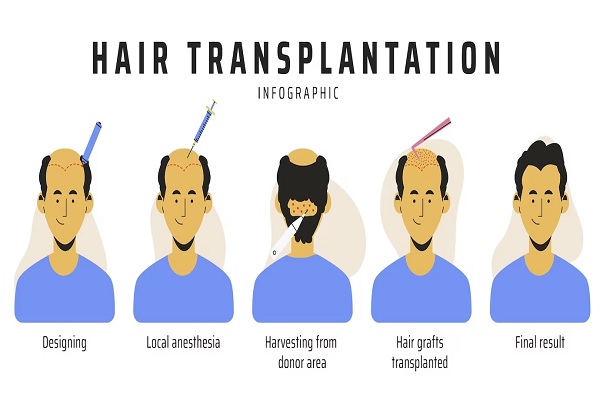
A hair transplant is not an overnight makeover — it’s biology at work. The process unfolds in stages, and while the pace may vary slightly from person to person, the overall timeline is well-documented in scientific literature. Here’s what you can realistically expect.
Week 1: Initial Healing & Shock Loss
-
What happens: Redness, scabbing, swelling, tenderness, or numbness are common immediately after surgery. This is part of normal wound healing.
-
Shock loss: During the first 2–4 weeks, the transplanted hairs (and sometimes nearby native ones) fall out. This shedding phase doesn’t mean the transplant failed — it’s the follicles adjusting to their new environment. According to StatPearls (NCBI), shedding of transplanted hair typically begins within days to weeks after surgery.
Months 1–3: Waiting Phase / Low Visibility
-
For the first few months, the scalp may look very similar to pre-transplant, and many patients feel like “nothing is happening.”
-
The literature notes that new visible growth usually begins between 3 and 6 months post-op.
-
What you may see: thin, irregular hairs emerging, while the scalp continues to heal and redness gradually fades.
Months 4–6: First Signs of Growth
-
Around month 4, the new hair starts to sprout — initially thin and fine, sometimes lighter in color.
-
By month 6, many patients notice meaningful density improvements, though it’s still far from the final result.
-
A comparative clinical study showed significant increases in graft survival and visible hair growth around the 6-month mark.
Months 6–9: Progressive Density
-
The transplanted hairs thicken, darken, and blend better with native hair.
-
Density becomes more uniform, and coverage looks much more natural.
-
By this stage, 60–70% of the final outcome is typically visible, depending on donor quality and technique.
Months 12–18: Final Results
-
At the 12-month point, most patients see their true results: good density, consistent texture, and the ability to cut, style, or dye the hair normally.
-
For crown areas, very fine hair, or slower growers, the full cosmetic effect can take up to 15–18 months.
-
Clinical reviews recommend medical follow-ups during the first 6–12 months to assess graft maturation and long-term survival.
Before and After Hair Transplant Photos
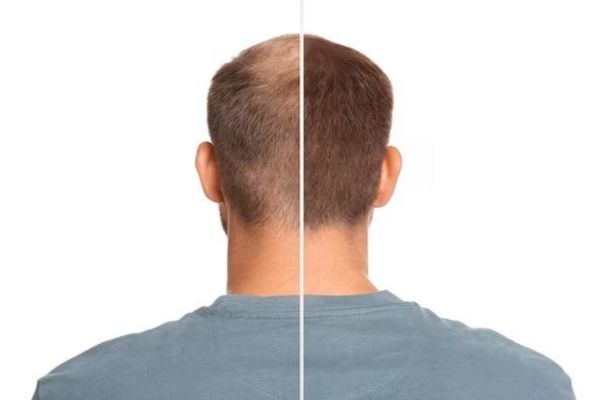
If there’s one thing people want to see before committing to surgery, it’s proof. Words and promises don’t matter nearly as much as real before-and-after transformations. Photos provide the clearest evidence of what a hair transplant can achieve — and just as importantly, what its limits are.
Real Cases: Men and Women
-
Men: The majority of transplants are performed on male patients dealing with receding hairlines, thinning crowns, or advanced male pattern baldness. A well-executed transplant can rebuild a natural hairline and add volume to previously bald areas.
-
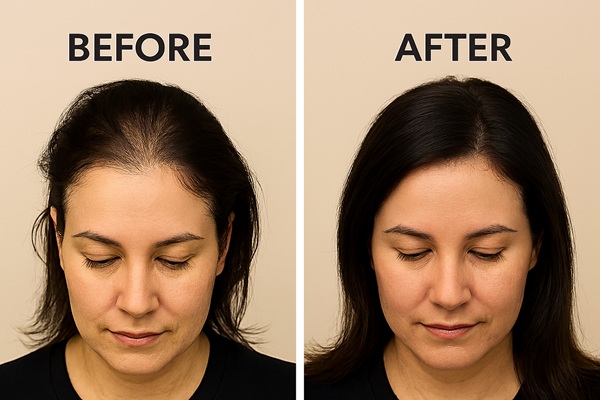
Women: Female hair restoration is less about total baldness and more about improving density in thinning areas (often the mid-scalp or part line). Before-and-after photos in women usually show thicker coverage, making the scalp less visible.
Differences Between Techniques (FUE, DHI, FUT)
-
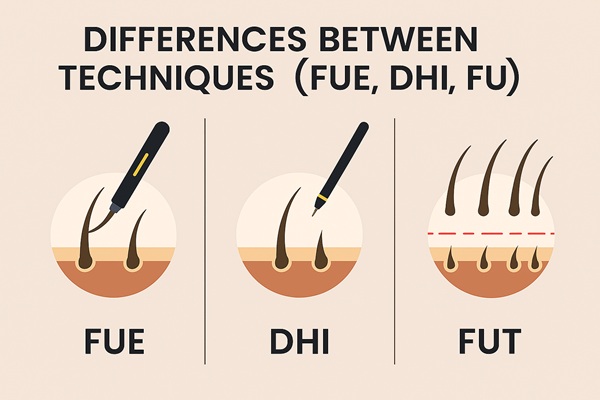
FUE (Follicular Unit Extraction): Minimal scarring, typically faster healing, and highly popular today. Before-and-after results often show natural lines with no visible linear scar.
-
DHI (Direct Hair Implantation): Similar to FUE but allows more precise angle control during placement. The difference in before-and-after photos is often a denser, more natural front hairline.
-
FUT (Follicular Unit Transplant): An older but still effective method. Results can be just as natural in terms of density, but photos often reveal a linear scar at the back of the head if the hair is cut very short.
Examples by Area
-
Hairline (temples and frontal area): Before photos usually show receding corners or uneven lines. After photos display a fuller, youthful-looking frame to the face.
-
Crown (vertex): Often the slowest area to show results, but with patience, before-and-after shots highlight dramatic filling in of what was once a bald “spotlight.”
-
Eyebrows: Growing in popularity — before photos show thin or absent brows, while after shots reveal defined, natural arches.
-
Beard and mustache: Before photos may show patchy or uneven facial hair, with after photos showing a fuller, symmetrical beard line.
Why These Photos Matter
-
They help set realistic expectations — not every patient will get “Hollywood density,” but natural coverage is very achievable.
-
They highlight surgical skill — pay attention to angles, density distribution, and how seamless the hairline looks.
-
They emphasize that results vary — your donor hair quality, graft count, and chosen technique will directly influence what your “after” looks like.
Factors That Influence Final Results
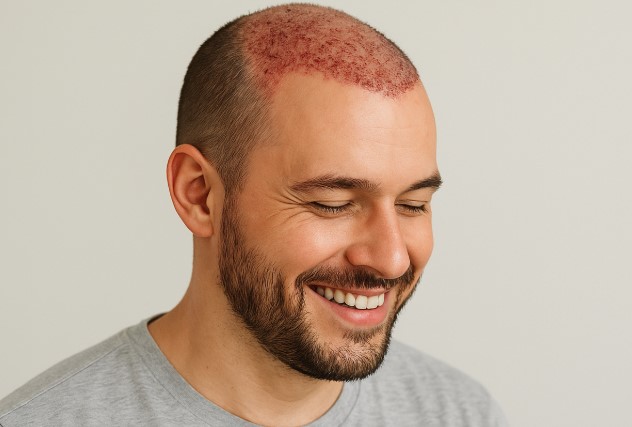
Achieving natural and lasting outcomes in hair transplantation is not just about what happens on surgery day. Multiple variables determine the survival and growth of transplanted follicles, as well as the overall cosmetic appearance.
1. Donor Area Quality
A strong donor area with dense, healthy follicles sets the foundation for success. Hair shaft thickness, follicular density, and scalp vascularization all impact the final density. Studies confirm that both donor and recipient site conditions significantly influence graft survival and hair longevity.
2. Graft Handling and Preservation
It’s not just about the number of grafts implanted, but how they are handled. Follicles are sensitive to dehydration, temperature changes, and prolonged ischemia. Mechanical trauma during extraction and implantation also reduces survival. A review of follicular graft survival highlights that meticulous handling is crucial for long-term growth.
3. Surgical Technique
FUE, FUT, and DHI each have strengths and limitations. The choice depends on the patient’s hair type, scalp characteristics, and degree of baldness. FUT may allow higher graft yield in one session, while FUE and DHI minimize visible scarring but often require careful planning to achieve high density.
4. Postoperative Care
The first few weeks are critical. Proper scalp hygiene, avoiding trauma, and adhering to medical instructions directly affect graft survival. Neglecting these measures can compromise results even after a technically flawless surgery.
5. Lifestyle and Systemic Health
Diet, smoking, alcohol, sleep, and stress management all matter. Patients with healthier lifestyles show faster healing and denser regrowth. A 2024 study demonstrated that smokers had significantly lower graft survival compared to non-smokers, underlining the role of lifestyle in outcomes.
6. Surgeon and Team Experience
The expertise of the medical team is one of the strongest predictors of success. Graft placement, angle design, donor management, and adherence to preservation protocols all require advanced skill. Poor execution can compromise thousands of grafts in a single session.
7. Genetic and Biological Factors
Ultimately, genetics determine how much density is achievable. Patients with advanced androgenetic alopecia, limited donor supply, or high sensitivity to DHT may need realistic expectations. Even with optimal technique, biology sets the upper limit of results.
Common Problems That Can Affect Results
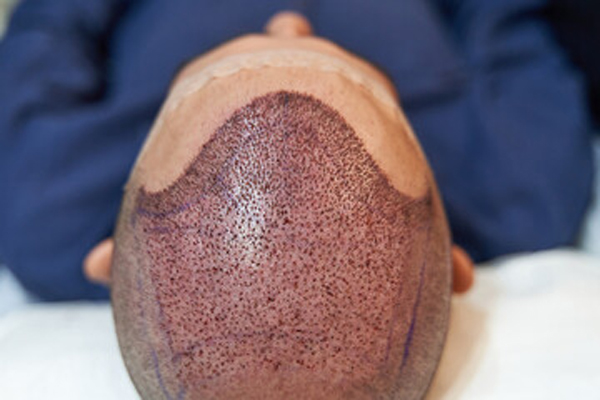
Even though modern hair transplants deliver high success rates, complications and suboptimal outcomes can still occur. Knowing the most frequent problems — and how to avoid them — is essential for patients who want realistic expectations.
Comparative Overview of Common Problems in Hair Transplants
| Problem | How It Appears | Main Causes | How to Prevent It |
|---|---|---|---|
| Insufficient Density | Results look thin, scalp still visible even after regrowth | Limited donor supply, poor graft survival, inexperienced surgeon | Choose an experienced clinic, ensure realistic graft planning, follow postoperative care strictly |
| Visible Scarring | Linear scar (FUT) or dotted scarring (FUE) visible with short hair | Poor surgical technique, aggressive extraction | Select minimally invasive methods (FUE/DHI), proper donor management, scar revision if needed |
| Graft Loss | Transplanted hairs fail to grow or fall out prematurely | Mishandling grafts, dehydration, infection, patient neglect | Careful graft handling, use of preservation solutions, strict hygiene and medication compliance |
| Prolonged Shock Loss | Native hairs around the transplant area fall out for months instead of weeks | Trauma to surrounding follicles, poor vascular support, genetic predisposition | Gentle implantation, optimal density planning, patience (usually resolves), medical treatments (e.g., minoxidil) |
| Unnatural Hairline | Hair grows in wrong direction or looks artificial | Poor angle design, lack of artistry, inexperienced surgeon | Ensure surgeon has proven aesthetic design skills, review before/after cases before surgery |
Key Takeaway
Most problems are not caused by the patient’s biology, but by surgical technique, poor planning, or inadequate aftercare. Choosing the right clinic and strictly following recovery protocols minimizes the risk of complications.
Face Changes After Hair Transplant – Truth or Myth?
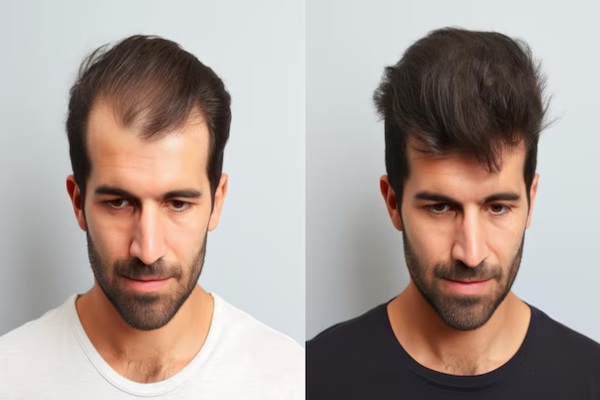
One of the most common questions patients ask is: “Will my face actually look different after a hair transplant?” The answer is both simple and nuanced.
Does the Face Physically Change?
A hair transplant does not alter the bone structure, skin, or natural contours of the face. The procedure is limited to redistributing hair follicles, so the skeletal and muscular anatomy remain the same. From a medical perspective, your face does not “change shape.”
The Illusion of Change
What does change is the frame around the face. A restored hairline softens harsh recession lines and can make the forehead appear smaller or more proportional. This subtle shift can give the impression of a more youthful or balanced facial structure, even though no surgical modification has been made to the face itself.
Psychological and Aesthetic Impact
The most dramatic transformation often comes from self-perception and confidence. Before-and-after comparisons highlight how regaining hair alters how people carry themselves, improving posture, eye contact, and overall presence. Studies have shown that patients report significantly improved self-image and reduced signs of perceived aging after restoration procedures (PubMed Study on Self-Perception After Hair Restoration).
Examples in Before/After Photos
-
Receding hairline restored → Face appears sharper and more youthful.
-
Crown coverage improved → Less “aging spotlight” at the back of the head, reducing the look of thinning.
-
Beard or eyebrow transplants → Provide stronger facial definition, reshaping how features are perceived.
FAQs

When will I see the final results?
Hair transplant results follow a gradual timeline. In the first month, most patients experience shedding (shock loss), which is completely normal. Between months 3 and 6, new hairs start to sprout, but they may look thin or uneven. Noticeable density usually appears from months 6 to 9, with continued thickening. By 12 months, around 80–90% of the growth is visible, while full permanent hair transplant results are achieved between 12–18 months. Patience is essential, as this is a slow biological process, not an overnight transformation.
Will my hair look natural?
Yes — when performed by an experienced surgeon, a hair transplant before and after comparison reveals natural-looking hairlines and density. The key lies in angle placement, graft distribution, and respecting the patient’s original growth pattern. Modern techniques like FUE and DHI make scars almost invisible, allowing patients to wear their hair short if desired. Poorly executed surgeries, however, may result in an unnatural “pluggy” look. Choosing the right clinic, with proven expertise and realistic expectations, is crucial to ensure that your transplanted hair blends seamlessly with the existing one.
Do results last forever?
Hair transplant results are considered permanent, since transplanted follicles are resistant to the hormone DHT, which causes pattern baldness. However, the surrounding non-transplanted hair may continue thinning with age. This means while the transplanted grafts last a lifetime, additional hair loss may occur in untreated areas. To preserve density, some patients complement their transplant with medical treatments like minoxidil or finasteride. Following a healthy lifestyle also supports long-term hair quality. So yes, the transplanted hairs themselves are permanent, but ongoing maintenance may be necessary to maintain overall coverage.
Are touch-ups needed?
In some cases, yes. A single transplant can provide transformative results, but touch-ups may be recommended for several reasons: limited donor supply, progressive natural hair loss, or a desire for more density. Many patients return after a few years to enhance certain areas, like the hairline or crown, as their natural hair continues thinning. Touch-ups are also common in beard or eyebrow transplants, where higher precision is required. While not every patient will need them, being open to the possibility ensures expectations remain realistic about long-term hair transplant evolution.
Conclusion
A hair transplant is not an instant fix but a progressive transformation. Results unfold slowly — from initial shedding to steady growth, and finally to the full density that becomes visible between 12 and 18 months. The success of a hair transplant before and after journey depends on several key factors: the quality of the donor area, the surgical technique, the surgeon’s expertise, and how well patients follow their postoperative care.
Setting realistic expectations is just as important as choosing the right clinic. With proper planning and execution, patients can achieve natural, permanent hair transplant results that restore both appearance and confidence.
Discover real before & after results and start your own transformation today. Visit CapilClinic for a free personalized evaluation.


Responsable – CAPIL SOLUTIONS. S.L
*Términos y condiciones
Finalidad – Dar respuesta a las solicitudes de información, y poder enviarle nuestras publicaciones, promociones de productos y/o servicios, gestionar los comentarios en el blog
Derechos Arco - Acceder, rectificar y suprimir los datos, así como otros derechos, como se explica en la información adicional.
info@capilclinic.us
Legitimación – Consentimiento
Destinatarios – No se cederán datos a terceros salvo obligación legal
Política de privacidad – Puede consultar nuestra política de privacidad aquí
*Política de privacidad