


Running a comb or even your fingers through your hair every morning or night before bed may result in some strands falling out. That is perfectly normal, as old and tired hair needs to fall out for a new supply to replace it. This is what makes your hair look healthy and bulky. In this article, we will talk about how to recover from the loss of density in the hair.
However, a much-dreaded condition that affects men and women is hair thinning or baldness. It, and several other factors we will discuss subsequently, can significantly reduce hair mass. Hair loss can be temporary or permanent, but several options can compensate for it, combat it, and promote hair growth. If you need reliable ways to recover your hair’s loss of density, read on. We will explore hair density, the causes of reduced hair mass, and how to recover lost hair.
What does density in the hair mean?

Hair density refers to the number of hair follicles per square inch on the scalp. Age, genetics, hormonal changes, and external stressors can impact hair density. Identifying the root cause is crucial for devising an effective recovery plan. Hair density is also the thickness of your hair. It may be thin or thick and is determined by many factors.
For instance, if your family has a history of female pattern baldness, you will likely have a thin hair density. The number of strands on your head and their proximity determine your hair density. Other conditions may also result in a meager hair density, and we will discuss them subsequently.
Common Causes of Loss of Density in the Hair
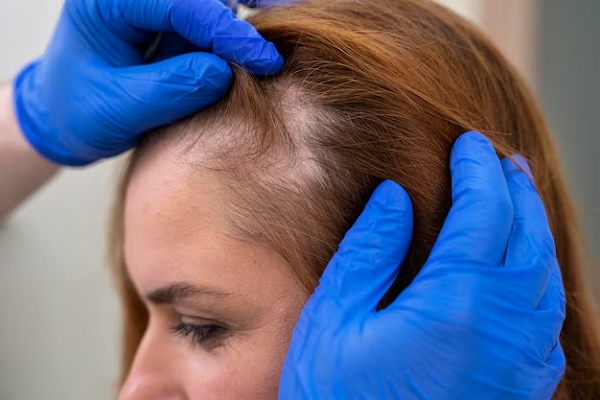
There are many causes of loss of hair density, and it can be anything that has direct or indirect contact with your follicles. For instance, male pattern baldness is a hereditary cause of hair loss. On the other hand, your hair styling products and techniques may play a massive role in your hair loss. Other factors that may cause hair loss include radiation therapy, dietary choices, and medications, among many others.
Genetics and Androgenetic Alopecia
Androgenetic alopecia is often hereditary, commonly known as male-pattern baldness or female-pattern baldness. It results in a gradual reduction in hair follicle size, leading to thinner and shorter hair strands.
Hormonal Changes
Hormonal imbalances can lead to a decrease in hair density. For instance, polycystic ovary syndrome (PCOS) or those experienced during pregnancy, childbirth, menopause, or due to medical conditions. These imbalances can affect the hair growth cycle and result in noticeable hair thinning.
Nutritional Deficiencies
Inadequate intake of essential nutrients, particularly iron, zinc, vitamin D, and B vitamins, can impact hair health and contribute to thinning.
Stress and Telogen Effluvium
Physical or emotional stress can trigger telogen effluvium, a condition in which hair follicles prematurely enter the resting phase, leading to increased shedding.
Medical Conditions
Certain medical conditions, such as alopecia areata, thyroid disorders, and autoimmune diseases, can result in hair loss and reduced density.
Environmental Factors
Exposure to environmental pollutants, harsh chemicals, and excessive heat styling can damage the hair shafts and contribute to density loss over time.
How To Recover the Loss of Density in the Hair

Recovering the loss of density in the hair is not a phenomenon that happens suddenly. Even solutions like hair transplants occur over time, so you must be patient and stay faithful to your chosen routine. There are natural and medically-assisted ways of recovering your lost hair mass, and they include:
Adopt a Nutrient-Rich Diet
Your diet plays an essential role in promoting hair growth and improving hair health. You need an adequate supply of protein, which you can incorporate into your diet as animal or plant protein. If you already do but still experience a loss of density in your hair, it may mean you need to increase your intake.
Other dietary inclusions include avocado, berries, sweet potatoes, oysters, nuts, and sweet peppers. Ensure your diet includes a variety of nutrients essential for hair health. Focus on foods rich in vitamins (especially A, C, and E), minerals (iron, zinc), and omega-3 fatty acids.
Stay Hydrated
Proper hydration is vital for overall health, including hair health. Drinking adequate water helps keep hair follicles hydrated and encourages optimal functioning.
Avoid Harsh Styling Practices
Limit the use of heat styling tools, chemical treatments, and tight hairstyles. Those elements can cause physical damage to the hair shafts and contribute to hair thinning.
Manage Stress
Incorporate stress-management techniques into your routine. Try meditation, yoga, or deep breathing exercises. Chronic stress can contribute to hair loss, and addressing it can help promote hair density recovery.
Scalp Massage
Regular scalp massages stimulate blood circulation to the hair follicles. This can promote nutrient delivery and encourage hair growth. Use nourishing oils like coconut or jojoba for added benefits.
Topical Treatments

Explore over-the-counter or prescription topical treatments containing ingredients like minoxidil. Minoxidil has been shown to promote hair growth and increase hair density. Consult with a dermatologist before starting any treatment.
Prescription Medications
Medications like finasteride can be prescribed for individuals experiencing androgenetic alopecia. Finasteride works by inhibiting the action of dihydrotestosterone (DHT), a hormone associated with hair loss.
Laser Therapy for maintaining the density of the Hair
Low-level laser therapy (LLLT) devices, such as laser caps or helmets, can stimulate hair follicles and promote hair growth. These noninvasive devices are designed for home use.
Supplements
Consider taking supplements that support hair health, such as biotin, collagen, and multivitamins. Consult with a healthcare professional before adding supplements to your routine.
Oil Massage
You may lose your hair density because there is insufficient blood flow to your scalp. This deprives your hair follicles of the materials they need to grow at their usual rate. An oil massage will increase blood flow to your scalp, and when you use essential oils for your scalp massage, you also enjoy their benefits.
Fish Oil
Omega fatty acids are well fortified with nutrients that promote hair growth from the base of the follicles. They also contain antioxidants, which improve hair density. Fish oil is a source of these acids. Remember that you need a prescription before incorporating this supplement into your diet.
Aloe Vera

Vitamins A, C, and E are all present in aloe vera, and the same applies to folic acid, to name a few. Proteolytic enzymes, special enzymes that promote hair growth, are also found in aloe vera. When you apply it to your hair, your hair follicles absorb them and benefit greatly from them. This is a natural remedy for hair loss, and people have used it for centuries.
Sometimes, hair loss occurs because of problems like dandruff and other scalp infections. Again, aloe vera has the right concentration to hydrate your scalp and relieve discomforting symptoms like irritation and itchiness.
Onion and Honey
Onion has a high sulfur content, one of the essential components of the hair. As such, spraying the extract on your scalp promotes hair growth and improves density. On the other hand, honey contains the proper quantity of vitamins, proteins, minerals, and other antioxidant components that soften your hair, control hair breakage, and increase growth.
An onion and honey pack will significantly improve your hair’s condition. Mix the honey and onion juice extract, soak your scalp in it, and rinse off after an hour. Add this to your routine, and you will notice a significant improvement with time.
Coconut Oil
Using coconut oil is a flexible hair improvement routine you can also adopt. Fatty acids are present in coconut oil, providing nutrients to the follicles while preventing protein loss. You can massage coconut oil into your scalp – it serves as a lubricant too. It can be done before bed if you have naturally oily hair so that you can wash it out during your shower.
Platelet Rich Plasma for hair Density
Platelet-rich plasma injections that specialists use to treat male pattern baldness. This treatment involves using a concentration of platelets, which contain growth factors and proteins required for the acceleration of cell and tissue repair. Your specialist extracts a sample of your blood and places it in a centrifuge to separate the necessary components. Then, the PRP fluid will be injected into the area or balding spot on your scalp.
Transplants to Increase Density in the Hair
Hair transplanting is also another option you can look into. It has become popular because of its efficacy. This procedure entails grafting hair follicles from a part of the body with enough hair density and introducing it into your balding area. It takes months for the results to show, but it is a gradual and reliable way to improve the thickness of your hair.
Medications
Finally, you can consider medications for hair loss. Some require a prescription, while others do not. Finasteride, Minoxidil, Avodart, and Carospir, are all effective options.
Professional Consultation
Schedule a consultation with a dermatologist or trichologist. They will help you assess the root cause of your hair density loss. A professional can provide personalized recommendations based on your specific condition.
How do you maintain the Density of the Hair?

Regular Trims
Regular trims are essential for maintaining healthy hair, preventing split ends, and minimizing breakage. These all contribute to the overall health and density of hair.
Gentle Hair Care Routine for Density in the Hair
Use a mild shampoo and conditioner suitable for your hair type. Avoid aggressive scrubbing and excessive washing, as this can strip the hair of natural oils.
Protective Hairstyles
Opt for hairstyles that minimize tension on the hair, such as loose braids or ponytails. Avoid tight hairstyles that can contribute to hair breakage.
Sun Protection
Protect your hair from sun damage by wearing hats or using UV-protective hair products. Sun exposure can weaken the hair shaft and lead to increased breakage.
Regular Check-ups to maintain density in the Hair
Periodic check-ups with a healthcare professional can help monitor your overall health. You will also promptly address any underlying conditions contributing to hair density loss.
Conclusion
Losing your hair density is a challenge you can easily combat. Once you discover the cause, you can consider natural or medically assisted methods of preventing further hair loss and reverting your hair to its previous condition.


Responsable – CAPIL SOLUTIONS. S.L
*Términos y condiciones
Finalidad – Dar respuesta a las solicitudes de información, y poder enviarle nuestras publicaciones, promociones de productos y/o servicios, gestionar los comentarios en el blog
Derechos Arco - Acceder, rectificar y suprimir los datos, así como otros derechos, como se explica en la información adicional.
info@capilclinic.us
Legitimación – Consentimiento
Destinatarios – No se cederán datos a terceros salvo obligación legal
Política de privacidad – Puede consultar nuestra política de privacidad aquí
*Política de privacidad