

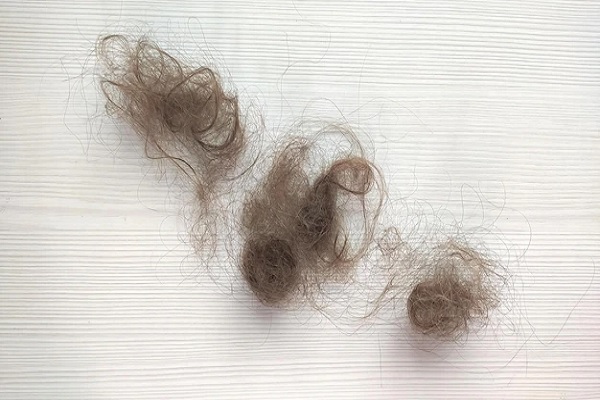
Getting a hair transplant is a major step for anyone who wants to restore their hair and self-confidence. It’s a precise and effective treatment that offers long-term results, but the journey to fuller hair involves several stages. One of these stages is the shedding effect after hair transplant, which can often cause concern for patients who aren’t expecting it. Seeing newly transplanted hairs fall out only weeks after surgery can be alarming, but in most cases, it’s completely normal and even a healthy sign of progress.
The shedding effect after hair transplant happens as part of the body’s natural response to the procedure. The follicles are temporarily shocked by the transplantation process, which can trigger them to release the existing hair shafts. This phase is often mistaken for failure or poor graft survival, but in reality, it’s an essential part of recovery. The roots of the transplanted follicles remain in place, resting before starting a new growth cycle. In the months that follow, stronger and thicker hair begins to emerge. Understanding this stage not only helps manage expectations but also reassures patients that patience is key to achieving lasting, natural-looking results.
What is the Shedding Effect?
The shedding effect after hair transplant refers to the temporary loss of transplanted hairs that typically occurs within the first two to eight weeks after surgery. During this time, the newly implanted follicles enter what is known as the hair shedding phase, where the visible hair shafts fall out while the follicles beneath the scalp remain healthy and intact. This is a normal biological reaction as the scalp adjusts to the transplant procedure.
It’s important to distinguish between shock loss and natural shedding. Shock loss can affect both transplanted and existing native hairs due to surgical trauma or stress to the scalp. This type of hair loss is usually temporary and tends to resolve within a few months as the follicles recover. Natural shedding, on the other hand, happens because the hair follicles enter a resting phase (telogen), before regrowing stronger and healthier hair strands.
Experiencing shedding after a transplant does not mean the procedure has failed. In fact, it’s a positive sign that the follicles are adapting and preparing for a new growth cycle. Most patients begin to notice fresh hair growth within three to four months, with significant improvement visible by the sixth month.
Learn about the main types and causes of alopecia in our complete guide.
Why does hair fall after transplant?
Many patients experience the shedding effect after hair transplant, which can be surprising or even worrying at first. However, this process is completely natural and indicates that the scalp is adapting to the new follicles. To understand why this happens, it helps to know how the hair growth cycle works.
Hair grows in three main phases: anagen, catagen, and telogen. The anagen phase is the active growth stage, where follicles produce new strands. During catagen, the hair stops growing and the follicle begins to shrink. Finally, in the telogen phase, the hair rests before naturally falling out to make room for new growth. After a hair transplant, many follicles temporarily enter the telogen phase, which leads to visible shedding.
This hair shedding phase is triggered mainly by the trauma of surgery. When follicles are extracted and implanted, they undergo a temporary interruption in blood supply and oxygen flow. As they adapt to their new location, the scalp redirects resources to heal the tissue, which can cause the transplanted hairs to fall out before regrowth begins.
Improved blood flow plays a crucial role in recovery. Once the circulation stabilises, the follicles gradually resume normal activity, and new, stronger hairs start to appear. Typically, this regrowth begins around the third or fourth month post-surgery, marking the end of the shedding stage and the start of healthy, permanent growth. The shedding effect after hair transplant is therefore a positive sign of follicle adaptation rather than a failure of the procedure. You will see your transformation and the difference between the hair transplant before and after.
How long does shedding last?
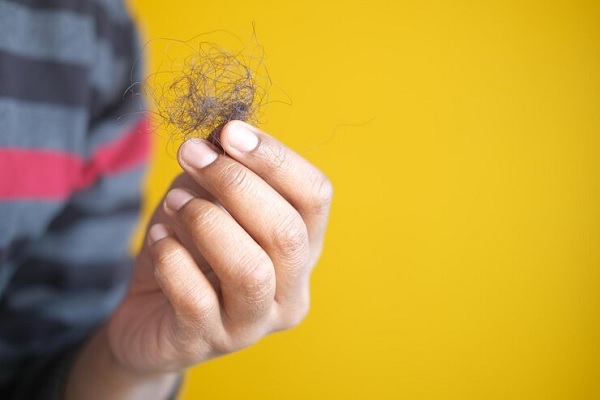
The shedding effect after hair transplant usually starts around two to three weeks after the procedure. This stage can be surprising for many patients, as the newly implanted hairs begin to fall out. However, it is a completely natural part of the recovery process. In most cases, this phase lasts between two weeks and up to three months, depending on individual healing rates and the hair growth cycle.
During the hair shedding phase, the follicles enter a resting period known as telogen. This allows the scalp to recover before new, stronger hairs begin to grow. Seeing hair fall during this time is not a sign of failure—it’s actually a positive indication that the transplanted follicles are adapting and preparing to produce fresh strands.
Normal shedding looks like light, consistent hair fall, often without redness, swelling, or discomfort. The scalp may feel slightly sensitive, but there should be no pain or inflammation. On the other hand, if you notice persistent redness, severe itching, or patchy bald spots that worsen over time, it could signal an infection or improper graft survival and should be checked by your surgeon.
How to manage the shedding effect after hair transplant
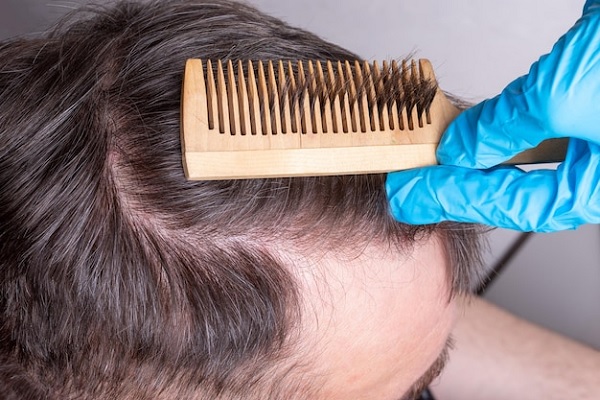
Experiencing the shedding effect after hair transplant can be worrying, but it’s actually a natural part of the recovery process. This temporary hair fall occurs as transplanted follicles adapt to their new environment and enter the resting phase before new growth begins. Understanding how to care for your scalp during this period can help you recover faster and achieve better long-term results.
Post-transplant care plays a crucial role in managing shedding. Patients are usually advised to handle their scalp gently, avoiding scratching or vigorous washing in the first few weeks. Mild, sulphate-free shampoos are preferred to keep the area clean without irritating the grafts. Staying hydrated and protecting the scalp from direct sunlight also supports healing.
Doctors often recommend additional treatments such as PRP therapy to boost growth and reduce telogen effluvium after transplant. This procedure uses the patient’s own platelet-rich plasma to stimulate follicles and shorten the shedding phase. Supplementing with vitamins like biotin, zinc, and vitamin D can further strengthen hair and improve overall scalp health. Consistency with follow-up appointments ensures that any abnormal hair loss is identified and treated early, as we do at the best hair transplant in USA.
| Typ | Duration | Common symptoms | Treatment |
|---|---|---|---|
| Normal shedding | 2–3 weeks | Mild hair fall, no redness | No treatment needed |
| Shock loss | 1–3 months | Patchy thinning | PRP, minoxidil |
When to consult your doctor
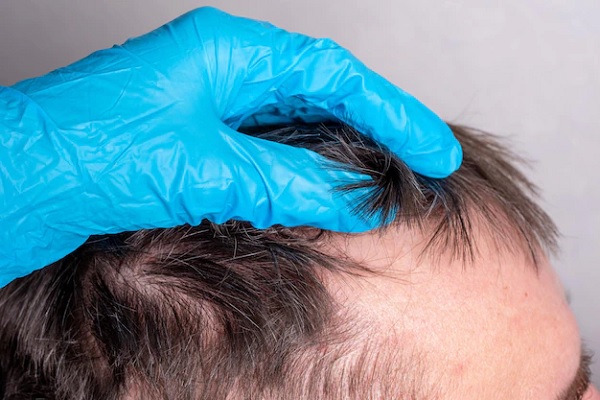
Although mild shedding is expected, there are certain red flags you shouldn’t ignore. Contact your specialist if you notice:
-
Persistent pain
-
Mild discomfort is normal after a hair transplantation, but pain that worsens or does not subside after the first few days may indicate an underlying issue.
-
Could be a sign of infection, nerve irritation, or improper graft placement.
-
Early consultation can prevent complications and ensure proper healing.
-
-
Redness
-
Some redness is expected in the first week or two, but prolonged or spreading redness is a warning sign.
-
May indicate infection, allergic reaction, or inflammation around the grafts.
-
Redness accompanied by warmth or tenderness should be evaluated immediately.
-
-
Inflammation (Swelling)
-
Minor swelling in the scalp or forehead can be normal post-procedure.
-
However, persistent or worsening inflammation—especially if it affects areas beyond the transplanted zone—can signal infection or poor healing.
-
Severe inflammation may need medical intervention, including antibiotics or anti-inflammatory treatment.
-
-
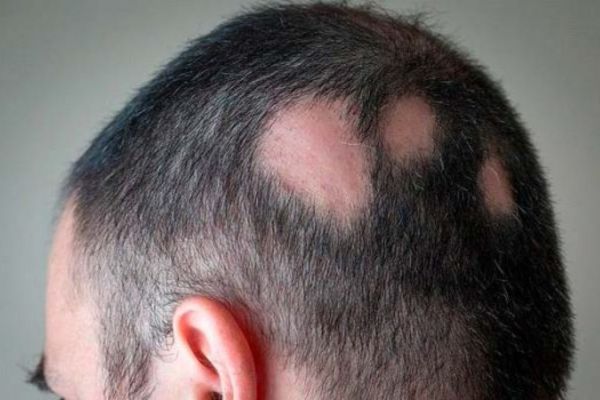
Patchy hair loss beyond three months
-
Some shedding is part of the normal hair shedding phase, but it usually resolves within 2–3 months.
-
If hair loss continues unevenly or in patches beyond this period, it could indicate:
-
Follicle trauma or poor graft survival
-
Telogen effluvium that is unusually prolonged
-
Underlying scalp conditions
-
-
Faq’s
Is shedding the same as shock loss?
Shedding after a hair transplant is often called shock loss, but they aren’t identical. Shedding refers to the natural hair fall that occurs as transplanted follicles enter the resting phase. Shock loss, however, can affect existing nearby hairs and is usually temporary. Both are normal responses and signal that the scalp is healing and follicles are adjusting.
Can I prevent shedding after transplant?
It isn’t possible to completely prevent shedding, as it’s a natural part of the hair growth cycle post-transplant. However, following your surgeon’s care instructions can minimise excessive hair fall. Gentle washing, avoiding harsh chemicals, and supporting scalp health with proper nutrition can reduce stress on follicles and help ensure a smoother recovery and optimal regrowth.
Does everyone experience it?
Most patients experience some degree of shedding after a transplant, but the extent varies. Factors like hair type, age, and the technique used influence how noticeable it is. While some notice a significant initial loss, others see only minor thinning. It’s generally temporary, and new hair growth typically starts within a few months as follicles move into the growth phase.
Conclusion
Experiencing the shedding effect after hair transplant can be unsettling, but it is a completely normal and temporary phase. The transplanted follicles simply enter a brief hair shedding phase before starting to regrow stronger, healthier strands. Patience and proper scalp care are key during this period. If you ever feel unsure or notice persistent redness, pain, or patchy hair loss beyond three months, don’t hesitate to consult your doctor. Early professional guidance ensures your recovery stays on track and helps prevent unnecessary complications. With time, most patients see impressive results as their new hair grows in fuller and thicker than before.


Responsable – CAPIL SOLUTIONS. S.L
*Términos y condiciones
Finalidad – Dar respuesta a las solicitudes de información, y poder enviarle nuestras publicaciones, promociones de productos y/o servicios, gestionar los comentarios en el blog
Derechos Arco - Acceder, rectificar y suprimir los datos, así como otros derechos, como se explica en la información adicional.
info@capilclinic.us
Legitimación – Consentimiento
Destinatarios – No se cederán datos a terceros salvo obligación legal
Política de privacidad – Puede consultar nuestra política de privacidad aquí
*Política de privacidad