


Among the many types of alopecia, this condition refers to the partial or complete loss of hair from different areas of the body. It can develop suddenly or progress gradually over time, and it affects people of all ages and genders. Although some forms of alopecia are temporary and reversible, others may lead to permanent hair loss.
Alopecia isn’t just about appearance—it can also have significant emotional and psychological effects. Millions of people worldwide experience hair loss at some point in their lives, often linked to genetics, hormonal changes, or autoimmune factors. Fortunately, advances in dermatology and trichology have made it easier to identify specific causes and develop targeted treatments for different types of alopecia.
What is Alopecia?
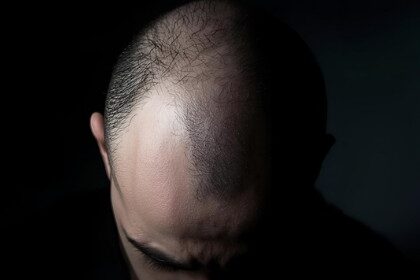
Alopecia is a medical condition that causes partial or total hair loss. It can occur anywhere on the body, including the scalp, beard, eyebrows, eyelashes, and other areas where hair normally grows. The condition affects both men and women and can appear at any age. Depending on the cause and type, hair loss can be temporary or permanent.
Globally, around 50% of men and 25% of women experience some form of alopecia by the age of 50. While it is commonly associated with ageing and genetics, other triggers such as stress, hormonal imbalance, and autoimmune disorders can also play a role. Some key facts about that are:
-
Hair loss can appear gradually or suddenly.
-
It may affect the scalp, beard, eyebrows, or the entire body.
-
Some types are reversible if diagnosed and treated early.
Main types of Alopecia
Dermatologists classify the types of alopecia into several categories based on the origin and behaviour of hair loss. The most common is androgenetic alopecia, often known as male or female pattern baldness, followed by alopecia areata, an autoimmune condition that causes patchy hair loss. Other forms include telogen effluvium, linked to stress or hormonal changes, and scarring alopecia, where inflammation damages the hair follicles irreversibly.
1- Androgenetic Alopecia (Men & Women)
Androgenetic alopecia is the most common among all types of alopecia, affecting both men and women worldwide. It is primarily linked to genetic predisposition and hormonal factors, especially the influence of dihydrotestosterone (DHT). This form of hair loss develops gradually and follows distinct patterns depending on gender.
In men, androgenetic alopecia typically begins with receding hairlines at the temples and thinning at the crown, eventually leading to partial or complete baldness. In women, however, the pattern is different. Hair usually thins diffusely across the top of the scalp, while the frontal hairline often remains intact. Female androgenetic alopecia tends to appear later in life, frequently associated with hormonal fluctuations during menopause.
Treatment options for advanced cases focus on slowing progression and stimulating regrowth. Minoxidil is widely used for both genders, while finasteride is prescribed mainly for men to block DHT production. Other effective options include Platelet-Rich Plasma (PRP) therapy, low-level laser therapy, and in more advanced cases, hair transplant surgery. Early diagnosis plays a crucial role in managing this condition and preserving existing hair.
Male vs Female Androgenetic Alopecia
| Feature | Men | Women |
|---|---|---|
| Typical Onset | 20–40 years | 30–50 years |
| Hairline Recession | Frontal and crown | Diffuse thinning on top |
| Hormonal Role | DHT sensitivity | Estrogen fluctuation |
| Common Treatment | Finasteride, PRP | Minoxidil, PRP, Low-level laser |
Androgenetic alopecia may not be fully curable, but with consistent treatment and professional guidance, its effects can be significantly reduced, allowing patients to maintain a fuller and healthier appearance over time.
2- Female Pattern Baldness

Female pattern baldness, also known as female androgenetic alopecia, is one of the most common types of alopecia in women. It is characterised by progressive thinning of the hair in the central or crown area, while the frontal hairline often remains intact. Unlike men, women rarely experience complete baldness, but the loss of hair density can still be distressing and impact self-confidence.
This condition is primarily influenced by hormonal fluctuations and genetic predisposition. Periods such as pregnancy, menopause, or hormonal treatments can trigger or accelerate hair thinning due to changes in oestrogen and androgen levels. Stress, nutritional deficiencies, and thyroid imbalances may also worsen the problem.
Treatment usually begins with topical minoxidil, which stimulates hair regrowth and slows shedding. Platelet-Rich Plasma therapy and low-level laser therapy have also shown positive results by improving scalp health and follicle activity. In cases linked to hormonal imbalance, anti-androgen medications or hormone regulation therapies may be prescribed under medical supervision.
Preventive strategies focus on early detection, maintaining a balanced diet, managing stress, and avoiding harsh hairstyling or chemical treatments that can weaken the follicles. While female pattern baldness cannot always be completely reversed, timely intervention can effectively preserve existing hair and improve overall scalp condition
3- Juvenile and Premature Alopecia
Juvenile and premature alopecia refer to types of alopecia that appear unusually early in life, typically during adolescence or early adulthood. While occasional hair shedding is normal, experiencing noticeable thinning or bald spots at a young age often points to underlying factors such as hormonal imbalance, genetic predisposition, or certain lifestyle influences.
In many cases, androgenic hormones—particularly dihydrotestosterone (DHT)—play a central role, just as they do in adult pattern baldness. When hair follicles are genetically sensitive to DHT, they gradually shrink, leading to progressive thinning and weaker regrowth. Additionally, conditions such as thyroid disorders, stress, or nutritional deficiencies can accelerate premature hair loss. In adolescent girls, hormonal changes related to menstrual cycles or contraceptive use may also trigger early-onset alopecia.
Beyond the physical aspect, the emotional impact of early hair loss can be profound. Young patients often face issues of self-esteem, anxiety, and social withdrawal due to sudden changes in appearance. Addressing these psychological effects is just as important as treating the physical symptoms.
Treatment options vary depending on the cause and severity. Early interventions with minoxidil, PRP therapy, or nutritional supplementation can help stimulate regrowth and stabilise shedding. In more advanced or hereditary cases, consulting a specialist for long-term management — including possible hair transplant solutions — can make a significant difference. With proper medical care and emotional support, many young individuals can regain both their hair and confidence.
4- Alopecia in Children and Teenagers

Alopecia in children and teenagers is a sensitive and increasingly recognised form of hair loss that can develop for various reasons. Among the different types of alopecia, the most frequent in young patients is alopecia areata, an autoimmune condition in which the immune system mistakenly attacks the hair follicles. This results in small, round bald patches that may appear suddenly on the scalp or other parts of the body.
The good news is that in most cases, this type of alopecia is reversible, especially when treated early. Corticosteroid creams or injections are commonly prescribed to reduce inflammation and suppress the immune response, allowing hair to regrow. In addition, stress management, a balanced diet, and supportive therapies play an important role in controlling flare-ups and maintaining healthy hair growth.
Several triggers can worsen or reactivate the condition, including stressful events, viral or bacterial infections, or other immune-related disorders. Because hair loss at a young age can be emotionally distressing, psychological support and reassurance are crucial during treatment. With the right medical care and emotional support, most children and teenagers affected by alopecia can achieve full or partial hair regrowth and regain their confidence over time.
5- Scarring Alopecia (Cicatricial)
Scarring alopecia, also known as cicatricial alopecia, is one of the more severe types of alopecia because it leads to the permanent destruction of hair follicles. Once these follicles are damaged and replaced by scar tissue, hair cannot grow back. Although it is less common than other forms, it requires early and accurate diagnosis to prevent irreversible hair loss.
This condition can result from a range of inflammatory or autoimmune disorders that attack the scalp. The most frequent causes include lupus erythematosus, folliculitis decalvans, and lichen planopilaris. These diseases cause chronic inflammation around the hair follicles, eventually leading to scarring and permanent bald patches. Symptoms may include redness, pain, itching, or a burning sensation on the scalp, often before visible hair loss occurs.
Because the damage caused by scarring alopecia cannot be reversed, early medical attention is essential. A dermatologist can identify the underlying condition through a scalp biopsy and begin appropriate treatment, which may involve anti-inflammatory medications, corticosteroids, or immunosuppressants. The main goal is to stop the progression of the disease and preserve any remaining hair.
In cases where bald areas are stable and inflammation is fully controlled, hair transplant surgery may be considered as a cosmetic solution. However, this is only viable after the disease has been inactive for a prolonged period. Prompt diagnosis and continuous medical monitoring are key to minimising long-term damage and maintaining scalp health.
6- Frontal Fibrosing Alopecia

Frontal fibrosing alopecia (FFA) is a progressive form of scarring alopecia that primarily affects the frontal hairline. It is most commonly seen in postmenopausal women, though it can also occur in younger adults and, more rarely, in men. The condition is characterised by gradual hairline regression along the forehead and temples, often accompanied by the loss of eyebrows and sometimes body hair.
Research suggests that tight hairstyles, such as ponytails, braids, or buns, may contribute to the condition through mechanical traction, which places repeated stress on the hair follicles in the frontal area. This traction can exacerbate inflammation and accelerate hairline recession.
Early recognition is crucial because once scarring occurs, hair loss becomes permanent. Treatments aim to control inflammation and slow progression, often using topical or oral corticosteroids, anti-inflammatory medications, or 5-alpha reductase inhibitors. Avoiding hairstyles that pull on the hairline can also help protect vulnerable follicles.


Responsable – CAPIL SOLUTIONS. S.L
*Términos y condiciones
Finalidad – Dar respuesta a las solicitudes de información, y poder enviarle nuestras publicaciones, promociones de productos y/o servicios, gestionar los comentarios en el blog
Derechos Arco - Acceder, rectificar y suprimir los datos, así como otros derechos, como se explica en la información adicional.
info@capilclinic.us
Legitimación – Consentimiento
Destinatarios – No se cederán datos a terceros salvo obligación legal
Política de privacidad – Puede consultar nuestra política de privacidad aquí
*Política de privacidad