

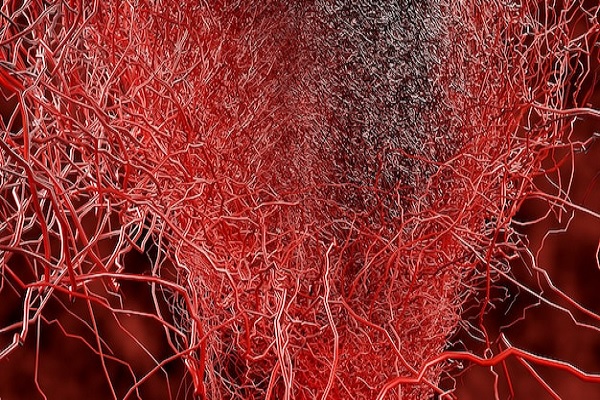
Many people wonder how blood circulation and hair loss are connected. The truth is that your scalp’s blood flow plays a crucial role in the health and strength of your hair. Hair follicles rely on a steady supply of oxygen and nutrients delivered through tiny blood vessels beneath the scalp. When this circulation weakens, follicles receive less nourishment, slowing hair growth and making strands thinner and more fragile over time.
Poor circulation can be caused by several factors, including stress, lack of exercise, smoking, or certain medical conditions. Without proper blood flow, even the best hair care products may struggle to deliver visible results, as the root cause lies deeper — literally beneath the scalp’s surface. Understanding how blood circulation and hair loss work can help you choose the right lifestyle habits and treatments to encourage natural growth.
How blood circulation affects hair growth
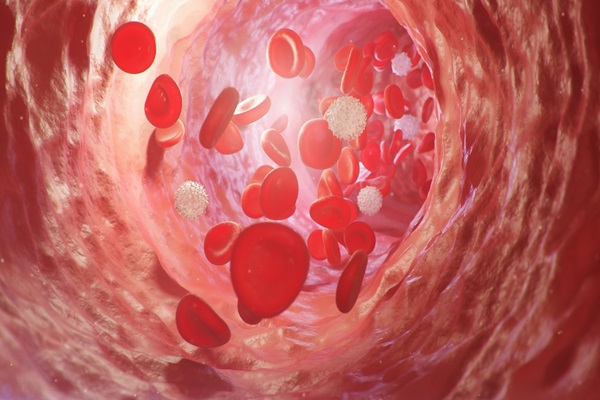
Healthy hair growth depends heavily on the quality of blood circulation in the scalp. Blood carries oxygen and essential nutrients that nourish hair follicles and promote growth. Poor oxygenation means cells within the follicles cannot produce keratin efficiently. On the other hand, consistent and strong blood flow supports cell regeneration and keeps the follicles in their active growth phase longer.
-
Poor oxygenation → weaker follicles
Hair follicles are living structures that depend on oxygen to function properly. When blood flow to the scalp is reduced, the amount of oxygen reaching these follicles also decreases. Without enough oxygen, the cells that produce hair cannot generate energy efficiently. This leads to slower cell turnover, weaker follicle activity, and thinner, more fragile hair strands. Over time, follicles may shrink and enter a resting phase prematurely, which contributes to noticeable hair loss. In simple terms, poor oxygenation starves the follicles of what they need to stay strong and productive.
- Nutrient delivery → vital for regrowth
Blood doesn’t just carry oxygen — it also transports vital nutrients like iron, zinc, vitamins A, C, D, and biotin. These nutrients are essential for building keratin, the protein that forms the structure of your hair. When circulation is healthy, these nutrients continuously nourish the follicles, supporting cell repair and new hair formation. However, when blood flow is limited, nutrient delivery slows down, and follicles cannot maintain normal growth. Ensuring good circulation means follicles receive the steady nutrient supply they need for healthy regrowth and thicker, more resilient hair.
Common circulation problems that affect hair

Several everyday conditions can disrupt healthy blood flow to the scalp and lead to hair thinning or hair loss. Understanding how these issues affect circulation helps identify the root cause of weakened follicles and slow regrowth. Factors such as anaemia, stress, smoking, and a sedentary lifestyle can all restrict oxygen and nutrient delivery, leaving the hair vulnerable to damage and breakage.
Anaemia, for instance, reduces the number of red blood cells responsible for transporting oxygen. Stress triggers hormonal changes that narrow blood vessels and decrease scalp circulation. Smoking also causes vasoconstriction — a tightening of blood vessels — which limits nutrient flow to the follicles. Meanwhile, a lack of physical activity slows the overall movement of blood throughout the body, including the scalp.
When these problems persist, follicles become weaker, growth phases shorten, and hair begins to shed more easily. Addressing these conditions through better lifestyle choices and medical support can significantly improve blood flow and restore healthy hair growth.
| Condition | Circulatory effect | Hair impact |
|---|---|---|
| Anemia | Low oxygen | Thinning |
| Hypertension | Vessel stress | Fragile roots |
| Smoking | Vasoconstriction | Premature loss |
| Sedentary life | Slow circulation | Reduced growth |
| Stress | Hormonal restriction | Increased shedding |
How to Improve scalp circulation
Healthy hair starts with healthy blood flow. Improving scalp circulation can strengthen follicles, enhance nutrient delivery, and support thicker, more resilient hair. Several simple strategies and treatments can make a noticeable difference.
Moderate exercise

Engaging in regular moderate exercise is one of the most effective ways to improve blood circulation throughout the body, including the scalp. When you exercise, your heart rate increases, pumping more oxygen-rich blood to tissues and organs. For hair follicles, this enhanced blood flow means a greater supply of the nutrients and oxygen they need to function optimally. Activities such as brisk walking, swimming, cycling, or yoga are particularly beneficial because they elevate heart rate without placing excessive stress on the body.
Even short daily sessions can have a cumulative effect over time, stimulating circulation in the scalp and encouraging follicle health. Exercise also has indirect benefits for hair growth: it reduces stress, balances hormones, and promotes overall metabolic health, all of which can impact hair strength and density. While exercise alone won’t completely reverse hair loss caused by genetics or medical conditions, it creates the ideal internal environment for follicles to thrive.
Scalp massages
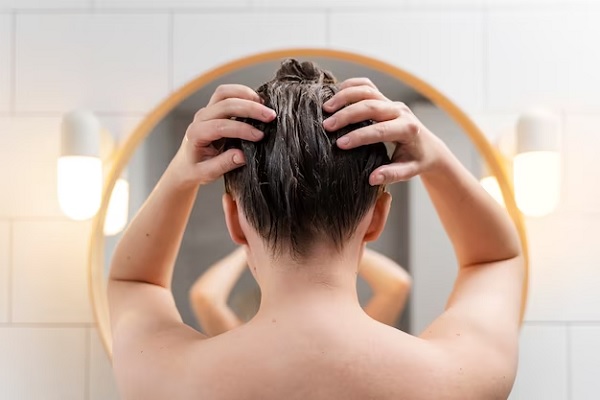
Scalp massages are a simple yet highly effective method to stimulate local blood flow and support hair health. By using the fingertips to apply gentle, circular motions across the scalp for several minutes daily, you encourage blood vessels to expand, allowing more oxygen and nutrients to reach hair follicles. This improved circulation can invigorate dormant or weakened follicles, prolonging the active growth phase of hair and reducing the likelihood of shedding. Beyond circulation, scalp massages also relax tight muscles and reduce tension in the scalp, which can further improve vascular health.
Many people combine massages with natural oils such as rosemary, peppermint, or jojoba, which may provide additional benefits for follicle nourishment and scalp hydration. Over time, consistent massage can improve scalp elasticity and enhance the overall health of the hair shaft. While scalp massages are not a cure for hereditary hair loss, they serve as a preventative and supportive practice, helping maintain follicle vitality and encouraging thicker, stronger strands. Integrating this simple daily routine into your self-care practice can make a meaningful difference in hair resilience and overall scalp wellness.
Iron-rich diet

A nutrient-rich diet is fundamental for maintaining strong, healthy hair, and iron plays a particularly critical role. Iron is essential for producing red blood cells, which carry oxygen to all tissues, including hair follicles. When iron levels are low, oxygen delivery to the follicles is compromised, leading to weaker strands and slower growth. Incorporating iron-rich foods into your daily diet — such as leafy greens like spinach and kale, lean meats, eggs, legumes, and fortified cereals — helps ensure that follicles receive the oxygen and nutrients they need to remain active.
Pairing iron sources with vitamin C-rich foods, like citrus fruits or bell peppers, can improve absorption, further enhancing the effectiveness of your diet. Adequate iron intake supports keratin production, the primary protein forming the hair shaft, and helps prevent thinning caused by poor follicle nourishment. While dietary adjustments alone may not reverse advanced hair loss, they are an essential component of a holistic hair care strategy. By combining an iron-rich diet with good circulation practices, such as exercise and scalp massages, you provide follicles with the foundation they need to grow strong, vibrant, and resilient hair over time.
PRP (Platelet-Rich Plasma) treatment
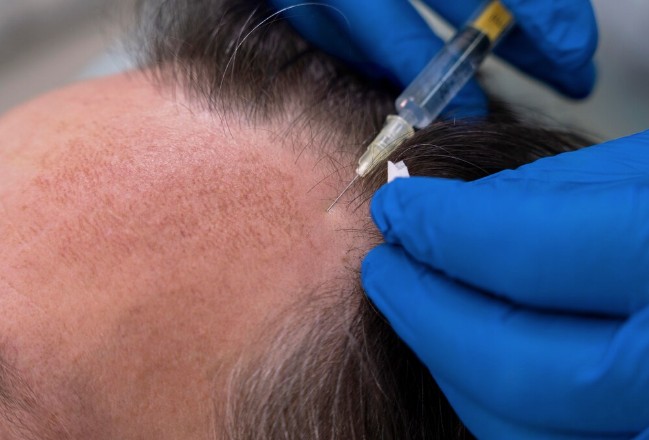
Platelet-Rich Plasma (PRP) therapy is a medical approach designed to stimulate hair follicles and improve scalp circulation in areas affected by thinning or hair loss. The procedure involves drawing a small amount of the patient’s blood, concentrating the platelets, and then injecting this nutrient-rich plasma into targeted scalp areas. Platelets contain growth factors and signalling proteins that promote cell regeneration, stimulate dormant follicles, and enhance blood flow directly at the follicle level. This targeted nutrient delivery can help hair follicles recover from damage, increase hair density, and support stronger, thicker strands.
PRP is particularly effective for individuals experiencing androgenetic alopecia or diffuse thinning, as it addresses both the nutrient supply and vascular health needed for growth. Treatments are typically scheduled in multiple sessions over several months, and many patients report visible improvements in hair volume and strength. While PRP is not a cure-all for all types of hair loss, it complements other circulation-supportive measures like diet, exercise, and scalp massages. For those seeking a clinically backed intervention to enhance blood circulation and hair regrowth, PRP provides a proactive option that combines modern medical science with natural follicle stimulation.
FAQs
Can poor blood circulation cause hair loss?
Yes, reduced blood flow can limit oxygen and nutrient delivery to hair follicles, weakening them over time. This may contribute to certain types of hair thinning or alopecia. Improving circulation through exercise, scalp massages, or targeted treatments can support follicle health and potentially slow hair loss.
Does increasing scalp circulation help regrow hair?
Enhanced blood flow can stimulate follicles, supporting healthier hair growth. Techniques like scalp massage, microneedling, and low-level laser therapy may improve circulation and follicle activity. While it doesn’t guarantee full regrowth, better nutrient delivery strengthens existing hair and may reduce shedding.
Are there medical treatments targeting circulation for alopecia?
Some therapies focus on improving blood flow to the scalp. Topical minoxidil, platelet-rich plasma (PRP), and certain laser treatments aim to enhance circulation, nourishing follicles. These interventions are often combined with other approaches to manage hair thinning effectively, under a clinician’s guidance.
Can lifestyle changes improve hair follicle blood flow?
Yes, regular exercise, a balanced diet, and stress management can boost overall circulation, indirectly supporting hair follicles. Avoiding smoking and excessive alcohol also helps. Additionally, scalp massages or gentle brushing stimulate blood flow locally, potentially benefiting hair health and reducing some forms of alopecia.
Is alopecia always linked to circulation issues?
Not necessarily. Hair loss can result from genetics, hormones, autoimmune conditions, or stress. Circulation problems are just one factor and may worsen hair thinning in susceptible individuals. Proper diagnosis is essential to identify the cause and determine whether circulation-focused interventions are beneficial.


Responsable – CAPIL SOLUTIONS. S.L
*Términos y condiciones
Finalidad – Dar respuesta a las solicitudes de información, y poder enviarle nuestras publicaciones, promociones de productos y/o servicios, gestionar los comentarios en el blog
Derechos Arco - Acceder, rectificar y suprimir los datos, así como otros derechos, como se explica en la información adicional.
info@capilclinic.us
Legitimación – Consentimiento
Destinatarios – No se cederán datos a terceros salvo obligación legal
Política de privacidad – Puede consultar nuestra política de privacidad aquí
*Política de privacidad