


In the realm of modern medical advancements, the field of hair restoration has witnessed remarkable innovations that have transformed the way we approach hair transplant procedures. One such breakthrough is the ARTAS Robotic Hair Transplant, a cutting-edge system that leverages robotic precision for enhanced accuracy and results. This groundbreaking method not only minimises human error but also increases graft survival rates, providing a more consistent and reliable outcome for patients. As awareness grows around how does hair transplant work, interest in automated solutions like ARTAS continues to rise globally.
Unlike traditional techniques, ARTAS uses intelligent algorithms to identify optimal follicles, enhancing the success rate of each procedure. This has positioned the system as a top choice in regions known for excellence in hair procedures, including hair transplant Antalya, where quality and affordability attract patients worldwide.
In this article, we will explore the fascinating world of ARTAS, delving into its history, the technology behind it, and the remarkable benefits it offers to those pursuing a fuller, more confident head of hair. Additionally, we will examine how this innovation compares with conventional methods such as the FUE hair transplant, and what advantages robotic technology brings to the table. As global demand for effective hair restoration increases, patients are becoming more informed and selective about the options available to them.
ARTAS Robotic Hair Transplant is transforming the future of aesthetic medicine through intelligent design and clinical precision. Whether considering your first procedure or seeking improved results, understanding the hair transplant cost and available technologies is crucial. We invite readers to explore further and discover how ARTAS can redefine your hair restoration journey with confidence and clarity.
What is ARTAS robotic hair transplant?

ARTAS Robotic Hair Transplant is a cutting-edge, minimally invasive procedure designed to address hair loss and balding in both men and women. This advanced method combines robotic precision with expert surgical knowledge to produce natural-looking and long-lasting outcomes. The ARTAS system employs an intelligent robotic arm as its core tool.
The procedure starts with the robotic arm scanning and mapping the patient’s scalp in high detail. It then selects the healthiest and most viable hair follicles for transplantation. These donor follicles are typically harvested from the back or sides of the scalp, where hair is more resistant to thinning. This ensures that the transplanted hair retains a natural appearance, blending seamlessly with the existing hairline and overall density.
Once the ideal follicles are selected, the ARTAS robot extracts them with unmatched precision, significantly lowering the margin for human error. This automation improves patient comfort and speeds up recovery time by reducing tissue trauma. After extraction, experienced medical professionals create tiny recipient sites in areas affected by hair loss. Patients often wonder how does hair transplant work, and this procedure exemplifies the latest evolution of that concept.
Following implantation, patients can expect new hair to grow in the months that follow, with full results typically visible within a year. The minimally invasive nature of the procedure means reduced scarring and quicker healing. Those considering solutions for hair loss may find that ARTAS offers one of the most reliable and innovative approaches available today.
History of ARTAS robotic hair transplant
The history of the ARTAS system is a remarkable journey of innovation and progress in modern hair restoration techniques. This breakthrough represents a major leap in combining medical expertise with advanced robotic systems. Developed over two decades, the technology has drastically changed the approach to minimally invasive hair restoration. Its precision and consistency have made it one of the most trusted solutions worldwide.
Early 2000s: The concept of ARTAS robotic hair system emerges
In the early 2000s, the idea of incorporating robotics into hair transplant surgery began to take shape. Scientists and hair restoration experts envisioned a system that could eliminate human error. Their objective was to improve outcomes by automating follicle harvesting with microscopic accuracy. This would ultimately result in better density, minimal downtime, and a more natural appearance. Demand for high-quality procedures also grew in regions like hair transplant Antalya.
Founding of Restoration Robotics
In 2002, medical innovators Dr. Frederic H. Moll and Dr. Robert M. Bernstein launched Restoration Robotics. Their unique blend of experience in surgical robotics and dermatologic surgery was instrumental in shaping the ARTAS platform. The collaboration aimed to bridge the gap between technology and aesthetic medicine. Their mission was clear: empower patients with a high-tech solution for permanent hair loss.
Research and development of ARTAS
Restoration Robotics spent extensive time in R&D to enhance every aspect of the ARTAS system. They focused on image-guided robotics, artificial intelligence, and real-time feedback to ensure accurate graft harvesting. This meticulous development process resulted in one of the most advanced systems in the industry. Today, the ARTAS system is globally recognized for setting the gold standard in robotic hair transplants.
FDA clearance for ARTAS Robotic Hair Transplant (2011)
In 2011, the ARTAS system received FDA clearance for hair transplant procedures. This milestone demonstrated that the technology met rigorous safety and effectiveness standards, solidifying its place as an innovative solution in hair restoration.
Clinical adoption
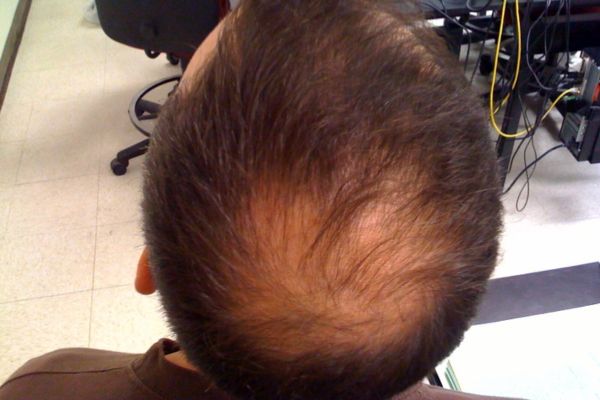
Following FDA clearance, the Artas system began gaining traction in the hair restoration field. More and more medical professionals and clinics have started using the robotic system to perform hair transplant procedures. Its ability to provide consistent and natural results attracted both patients and practitioners.
Ongoing advancements
The ARTAS Robotic Hair Transplant system has continued to evolve through steady improvements and upgrades. These advancements have included increased precision of the robotic arm, smarter software for enhanced follicle selection, and refinements in the overall technique. These upgrades contribute to better outcomes and an improved experience for patients. The system’s consistent innovation has helped maintain its reputation as a cutting-edge option.
Wider acceptance
As the ARTAS system proved its reliability and accuracy, it experienced wider acceptance in the United States and around the globe. Clinics began adopting the technology due to its consistent results. Patients searching for a reliable and minimally invasive hair restoration method increasingly viewed ARTAS as the preferred choice. This robotic solution offered benefits like reduced recovery time and more natural-looking outcomes.
Expansion of applications
Gradually, the ARTAS system broadened its use beyond scalp restoration. It became a powerful tool for eyebrow and facial hair procedures, adapting to different patient needs. With these new applications, it opened doors for treating diverse aesthetic conditions. These added capabilities enhanced its role in cosmetic medicine. Patients now had more comprehensive solutions through a single platform, combining convenience and innovation.
Today, the ARTAS system remains a leading force in hair restoration, offering high precision, efficiency, and minimal invasiveness. Its progress from concept to FDA-approved clinical tool underscores the dedication of researchers and doctors. Their goal is to develop effective treatments for hair loss through science and robotics. As technology continues to evolve, ARTAS stays ahead—reshaping the future of personalised hair restoration.
What are the benefits of ARTAS?
ARTAS represents a major advancement in modern hair restoration. This cutting-edge technology blends robotic precision with physician-guided expertise. As demand grows for safer, faster, and more natural-looking solutions, ARTAS offers a highly sought-after alternative to traditional approaches. Incorporating elements of FUE hair transplant, the ARTAS system is quickly becoming the preferred method for patients worldwide. Below are the standout benefits that make this technique revolutionary in the field of aesthetic medicine.
Minimally invasive
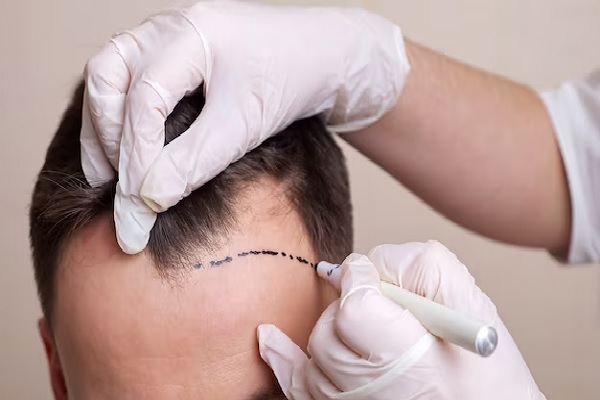
ARTAS is a minimally invasive solution that requires significantly smaller incisions compared to older hair restoration methods. This reduces patient discomfort. Less invasive techniques also mean less trauma to the scalp, leading to faster healing and minimal visible scarring. For many patients, this results in shorter clinical visits and fewer post-operative restrictions.
Natural-looking results
Combining robotic precision with skilled medical oversight, the ARTAS system delivers natural-looking outcomes that blend seamlessly with your existing hair. Each follicle is implanted with care. The technology ensures proper direction, angle, and spacing, making it nearly impossible to distinguish the transplanted hairs. Patients report high satisfaction with the texture and density achieved through this advanced method.
Faster recovery
Because ARTAS is less invasive than traditional procedures, it generally allows for faster recovery times and less downtime. Most patients resume daily routines in just a few days. This shorter recovery is particularly appealing to individuals with busy lifestyles or professional obligations.
Precision and consistency
Thanks to its robotic arm and real-time digital imaging, ARTAS performs follicle selection and extraction with exceptional accuracy and uniformity. This process minimizes human error. Each graft is positioned at the optimal angle, depth, and density to ensure an authentic look. Robotic consistency guarantees that results are symmetrical and long-lasting, offering greater reliability over manual procedures.
Wider range of applications

The ARTAS system is adaptable to a variety of procedures beyond scalp restoration. It’s suitable for eyebrow, beard, and facial hair transplants. Patients also explore options such as capillary micropigmentation. This versatility makes ARTAS an ideal choice for those seeking customised solutions for diverse aesthetic goals. Its adaptability enhances patient satisfaction across a broad range of hair loss conditions.
Reduced donor scarring
The robotic harvesting process minimizes scarring at the donor site, usually on the head’s back or sides. This allows patients to wear shorter hairstyles without worrying about visible scars.
Personalized treatment
The Artas system’s advanced technology allows for a highly personalized treatment plan. It can adapt to each patient’s unique scalp characteristics, ensuring the most suitable donor hair is selected for transplantation.
Minimal human fatigue
Unlike human surgeons, who may experience fatigue during lengthy hair transplant procedures, the Artas system’s robotic arm maintains consistent precision throughout the procedure.
Enhanced efficiency of ARTAS Robotic hair system

The Artas system’s automation speeds up the hair transplant process, reducing the overall duration of the procedure. This can be more convenient for both patients and medical professionals.
Drawbacks of ARTAS Robotic hair transplant
While ARTAS offers numerous benefits, it is also essential to consider its potential drawbacks and limitations. Here are some of the drawbacks associated with this technology:
Cost
ARTAS procedures often come with a higher price tag due to their use of cutting-edge technology. The sophisticated robotic equipment and advanced imaging features increase overall treatment expenses. This makes it less accessible for individuals concerned about hair transplant cost. Although pricing varies by clinic and region, this procedure is generally more expensive than traditional options. Patients should factor in pre- and post-operative care, which can also influence the total cost significantly.
Learning curve
To operate the ARTAS system effectively, medical professionals need specific training and consistent hands-on experience. Not every surgeon has access to or proficiency with this advanced device, resulting in potential differences in patient outcomes. Clinics with experienced ARTAS operators typically deliver better results, but the availability of such professionals may be limited. For this reason, patients are advised to research and choose clinics that specialize in robotic techniques. This ensures they benefit from the full capabilities of the system.
Limited donor hair supply
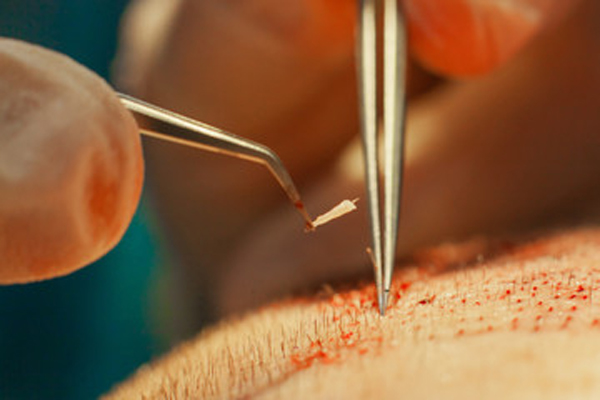
Success with any ARTAS depends largely on the quantity and quality of donor follicles. If a person has a sparse donor area, the technology may not produce ideal results. Robotic harvesting still relies on the presence of sufficient healthy grafts for transplantation. This limitation is especially relevant for individuals with advanced hair loss or certain medical conditions that affect hair density. An evaluation by a qualified provider will determine if the patient is a good candidate.
Hair characteristics
The ARTAS system might not be equally effective for every individual. Certain hair types—such as very curly, fine, or light-colored hair—can pose challenges for robotic precision. These characteristics may affect the accuracy of follicular unit extraction and placement. In such cases, traditional methods could be more suitable. Patients with unique hair textures should consult with a specialist to explore all options. This helps ensure the most effective technique is selected for their needs.
Maintenance
As a sophisticated device, the ARTAS robot demands routine maintenance to ensure consistent, safe performance. Technical failures can interrupt or postpone scheduled treatments. Clinics must invest in software updates, part replacements, and staff training to keep the system functioning smoothly. This ongoing maintenance can indirectly influence the cost for the patient. Choosing a well-maintained and reputable facility reduces risks related to machine malfunction or delays.
Scar visibility
The ARTAS technique is designed to reduce scarring through precise follicle extraction. Still, some patients may notice faint marks in the donor area. This is particularly likely when wearing very short haircuts, where even minimal scarring becomes more noticeable. While the risk is significantly lower than with older methods, it is not completely eliminated. Individuals should weigh this consideration when selecting hairstyle preferences after surgery and discuss it with their provider.
Conclusion
ARTAS Robotic Hair Transplant represents a major advancement in the field of hair restoration, offering an innovative and precise solution for those suffering from hair loss. By integrating robotic technology with digital imaging and artificial intelligence, the procedure delivers consistent results with minimal discomfort and reduced recovery times. This high level of accuracy is particularly appealing to individuals who seek a minimally invasive alternative to traditional hair transplant methods.
What truly sets ARTAS apart is its ability to analyse and select optimal grafts without human error. This translates into a more natural hairline and a higher survival rate for the transplanted follicles. Moreover, the system’s capacity to preserve surrounding hair makes it an ideal choice for patients with specific aesthetic concerns or limited donor areas. It’s no surprise that more people are turning to robotic technology to regain their confidence.
Additionally, the ARTAS procedure eliminates the need for stitches and leaves no visible linear scars, making it suitable for those who prefer short hairstyles. The downtime is significantly shorter compared to manual techniques, and many patients return to their regular routines within just a few days. This convenience, paired with the long-term results, makes ARTAS an increasingly popular option in modern hair restoration.
If you’re considering restoring your hair with the most advanced method available, ARTAS Robotic Hair Transplant may be the right solution for you. To learn more about the procedure and how it can benefit you, we invite you to visit our official website at capilclinic.us. Our team of experts is ready to guide you every step of the way and help you achieve the natural results you deserve.


Responsable – CAPIL SOLUTIONS. S.L
*Términos y condiciones
Finalidad – Dar respuesta a las solicitudes de información, y poder enviarle nuestras publicaciones, promociones de productos y/o servicios, gestionar los comentarios en el blog
Derechos Arco - Acceder, rectificar y suprimir los datos, así como otros derechos, como se explica en la información adicional.
info@capilclinic.us
Legitimación – Consentimiento
Destinatarios – No se cederán datos a terceros salvo obligación legal
Política de privacidad – Puede consultar nuestra política de privacidad aquí
*Política de privacidad