


Although hair transplant surgery is generally considered safe, it is not completely risk-free. Hair transplant complications can range from minor discomfort to severe surgical errors. Some patients may notice small bumps or pimples scalp after transplant, others might develop redness and swelling, and in more serious cases, issues such as an infected hair transplant or even a bad hair transplant with unsatisfactory cosmetic results can occur.
A hair transplant is designed to restore healthy follicles into balding areas, but its success depends on surgical technique, patient health, and proper aftercare. Even minor complications, like temporary scalp pimples, can cause concern, while surgical mistakes may leave permanent scars or unnatural-looking hairlines. This article explores why complications happen, the most common problems and symptoms, and most importantly, what can be done if a procedure goes wrong. Understanding risks beforehand can help patients avoid errors hair transplant and secure the best outcome.
Why Do Hair Transplant Complications Occur?

Complications or errors hair transplant may occur due to a mix of medical, surgical, and post-operative factors.
- Medical factors: A patient’s health status plays a central role. People with chronic illnesses such as diabetes, hypertension, or blood circulation disorders face a higher risk of poor healing or infection. Pre-existing skin conditions like psoriasis, dermatitis, or scalp infections can further complicate the success of graft survival. If these conditions are not addressed before surgery, complications are far more likely.
- Surgical factors: The surgeon’s expertise and chosen technique (FUE vs FUT) are crucial. Poor extraction methods, mishandling of follicles, or using incorrect angles during implantation can lead to visible scarring or unnatural results. Insufficient sterilization, inadequate surgical planning, and substandard facilities are additional risks. Inexperienced surgeons may also design unrealistic hairlines or place grafts too densely, which can damage the donor area and cause long-term problems.
- Post-operative factors: Even with excellent surgical work, complications can arise if the patient does not follow post-care guidelines. Improper scalp hygiene, scratching, early exposure to sun, smoking, or engaging in strenuous activity too soon can all increase the risk of infections, swelling, or graft failure. Certain medications and supplements may also interfere with healing.
- Research shows that modern hair transplants have relatively low complication rates—around 2% to 4.7%—but this figure increases when surgical errors and poor aftercare combine.
Common Hair Transplant Problems and Symptoms
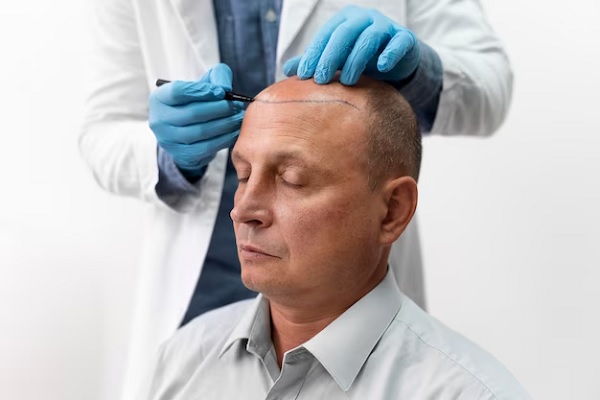
Here are the most frequent complications patients may face after surgery:
Scalp Pimples After Hair Transplant
Pimples scalp after transplant are small bumps that often appear in the recipient area weeks after the procedure. They are usually part of normal healing as follicles adjust. However, if bumps become painful, pus-filled, or are accompanied by fever, they may indicate infection and require medical attention.
Inflammation and Redness
Mild swelling and redness are normal. Inflammation after hair transplant should resolve within 1–2 weeks. Persistent or worsening redness could suggest infection, allergic reaction, or improper healing and should not be ignored.
Infections After Hair Transplant
An infected hair transplant is one of the most serious complications. Symptoms include pain, warmth, swelling, pus, unpleasant odor, and sometimes fever. Treatment may involve oral or topical antibiotics, professional cleaning, or drainage of abscesses.
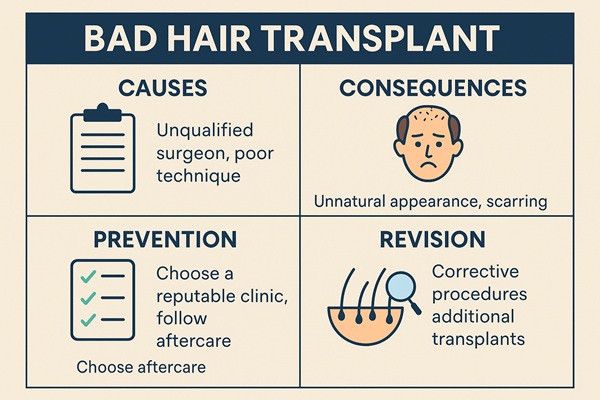
Hair Transplant Scars
Hair transplant scars vary depending on the method used. FUT often leaves a linear scar, while FUE causes multiple tiny round scars. Patients prone to keloids may develop more prominent marks. Options like scar revision, laser treatment, or scalp micropigmentation can help minimize appearance.
Hair Transplant Rejection?
The term hair transplant rejection is misleading. Unlike organ transplants, follicles are not “rejected.” Instead, complications occur when grafts fail to survive due to poor handling, infection, or inadequate blood supply. The result is patchy growth or loss of transplanted hair.
Get Expert Hair Transplant Advice
Bad Hair Transplant: When the Results Go Wrong

A bad hair transplant is one where the outcome fails both functionally and aesthetically.
Warning signs include:
- Low density and patchy hair coverage
- Grafts growing at unnatural angles
- Poorly designed hairline (too low, uneven, or artificial-looking)
- Visible scars in donor or recipient areas
- Clumping of grafts or “pluggy” appearance
- High follicle loss with minimal regrowth
Density plays a huge role: if growth is below expectations after 9–12 months, this may indicate surgical error. Incorrect graft angles can create a “brush-like” or flat look, undermining natural appearance. A poorly planned hairline, not aligned with age or future hair loss patterns, often gives away the procedure.
Studies confirm that aesthetic failures are a significant part of bad hair transplant cases. In fact, many unsatisfied patients report that poor artistic design—rather than medical complications—was the main problem.
Can a Hair Transplant Be Repaired?
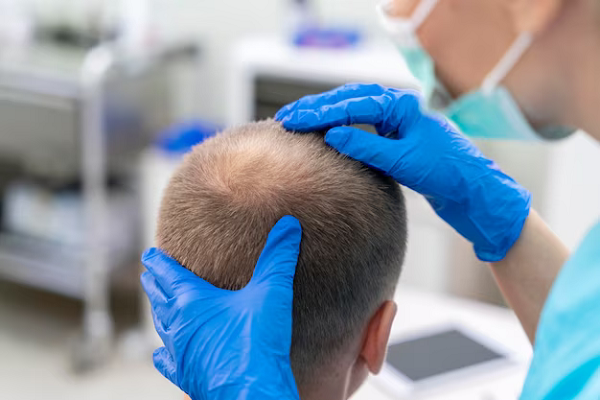
Yes—many times, a hair transplant can be repaired with corrective procedures.
Repair options include:
- Additional grafting: A second surgery can improve density, fix hairline design, or cover patchy spots.
- Graft removal and redistribution: Poorly placed or angled grafts can be extracted and re-implanted properly.
- Scalp Micropigmentation (SMP): Creates the illusion of density or conceals scars when donor supply is limited.
- Medical therapies: Minoxidil, finasteride, or PRP may enhance hair survival and improve final results.
When to seek a second opinion:
- If after 12 months the growth is clearly below expectations.
- If visible scarring or poor aesthetics affect confidence.
- If infections, inflammation, or graft failures persist.
- If your clinic dismisses concerns without offering solutions.
The International Society of Hair Restoration Surgery (ISHRS) provides guidelines on revising previous surgeries and emphasizes that repair often requires more skill than the initial procedure.
How to Prevent Complications
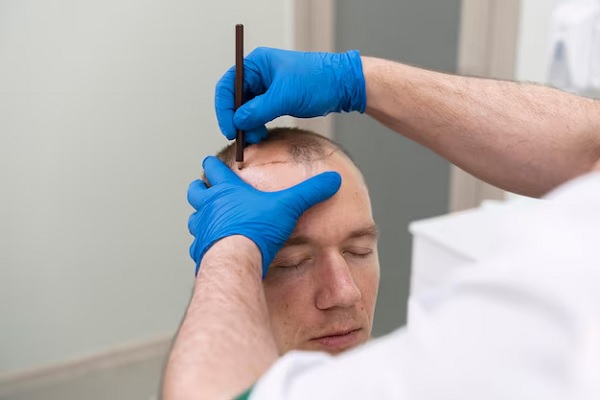
Preventing complications is better than fixing them later.
- Choose a reputable clinic: Verify the surgeon’s certifications, experience, and patient reviews. High-quality clinics use advanced tools, sterile environments, and evidence-based methods. Cheap or unlicensed clinics often increase the risk of errors hair transplant.
- Pre-operative assessment: A proper evaluation should include blood tests, review of medical history, and assessment of scalp conditions. Patients with uncontrolled diabetes, immune issues, or active skin problems should be treated before surgery.
- Follow strict aftercare: Post-op instructions include gentle scalp washing, avoiding scratching, no direct sun exposure, quitting smoking, sleeping with the head elevated, and avoiding heavy exercise. Antibiotics or anti-inflammatories may also be prescribed. Ignoring these rules is one of the top causes of infected hair transplant.
- Regular follow-ups: Post-surgery checkups allow early detection of inflammation, poor healing, or infection. Monitoring progress ensures any complication is treated before becoming severe.
- Realistic expectations: Understanding that density may take up to 18 months, and that not all grafts survive, helps avoid disappointment. Good communication between surgeon and patient prevents psychological distress even if minor side effects occur.
Book Your Hair Transplant Today
FAQ
How common are hair transplant complications?
Complications are relatively rare, with rates reported between 1.2% and 4.7%. Most issues are minor, like temporary pimples, swelling, or redness. Serious complications such as infections or large scars are uncommon if performed by a qualified surgeon.
Are pimples after a transplant normal?
Yes, small bumps are part of healing. But if pimples become painful, pus-filled, or come with fever, they may indicate infection and require medical attention.
Can I still get an infection if I follow aftercare?
Yes, though the risk is much lower. Even with proper care, bacteria or external factors can occasionally cause an infected hair transplant.
Can a bad hair transplant be fixed?
Yes, through corrective grafting, SMP, or removal of poorly placed follicles. Many patients achieve natural results after repair.
What is the best way to prevent complications?
Choose an experienced clinic, follow post-op instructions strictly, attend follow-up appointments, and maintain realistic expectations.
Conclusion
In conclusion, while modern hair transplants are generally safe, patients must be aware of possible hair transplant complications. Common problems include pimples scalp after transplant, prolonged redness or swelling, infected hair transplant, visible hair transplant scars, and poor graft survival sometimes misinterpreted as hair transplant rejection. More severe cases result in a bad hair transplant, where poor planning or surgical mistakes cause unsatisfactory cosmetic results.
The good news is that many of these issues can be prevented by choosing a skilled surgeon, maintaining hygiene, and following post-operative instructions carefully. Even when complications occur, solutions exist—ranging from corrective surgery to scalp micropigmentation.
If you are considering a hair transplant or worried about a past procedure, seek professional advice from trusted clinics. For expert guidance and treatment options, visit CapilClinic and explore safe, effective solutions tailored to your needs.


Responsable – CAPIL SOLUTIONS. S.L
*Términos y condiciones
Finalidad – Dar respuesta a las solicitudes de información, y poder enviarle nuestras publicaciones, promociones de productos y/o servicios, gestionar los comentarios en el blog
Derechos Arco - Acceder, rectificar y suprimir los datos, así como otros derechos, como se explica en la información adicional.
info@capilclinic.us
Legitimación – Consentimiento
Destinatarios – No se cederán datos a terceros salvo obligación legal
Política de privacidad – Puede consultar nuestra política de privacidad aquí
*Política de privacidad