


Burnt hair refers to hair that has been exposed to heat or fire and has undergone a chemical change that alters its appearance and texture. When hair is burned, the high temperature can cause the protein in the hair to break down, leading to a change in color, texture, and even a distinct burnt smell. In this article we will discuss How to recover burned hair.
If you’ve ever experienced the unfortunate event of burning your hair, you’ll know just how distressing it can be. Burnt hair can be caused by exposure to heat styling tools like curling irons or straighteners that are set too high, or by direct exposure to flames. In some cases, burnt hair may be irreparable and require cutting or trimming, while in other cases, it may be treated with conditioning treatments to restore moisture and prevent further damage.
The resulting damage can leave hair looking and feeling brittle, dry, and frizzy, with an unpleasant burnt smell. However, there are several steps you can take to treat burnt hair and restore its health and vitality. In this guide, we’ll explore some of the most effective ways to treat burnt hair, from gentle cleansing and conditioning to deep hydration and nourishment. By following these tips and techniques, you can help your hair recover from the damage caused by heat or fire and restore its natural beauty and shine.
How To Recover Burnt Hair
While it’s not possible to completely reverse damage caused by burnt hair, there are steps you can take to help repair it and prevent further damage. Here are some detailed tips on how to recover burnt hair:
Identify The Cause Of The Damage
The first step in recovering burnt hair is to identify what caused the damage in the first place. Did you use a hair straightener or curling iron at a high temperature? Did you overuse chemical treatments like coloring or perming? Knowing the cause will help you take the appropriate steps to repair your hair.
Trim Your Hair
If your hair is severely burnt and damaged, the best thing to do is to trim it. Cut off the damaged ends and start fresh. This will prevent the damage from spreading further up the hair shaft.
Use A Gentle Shampoo.
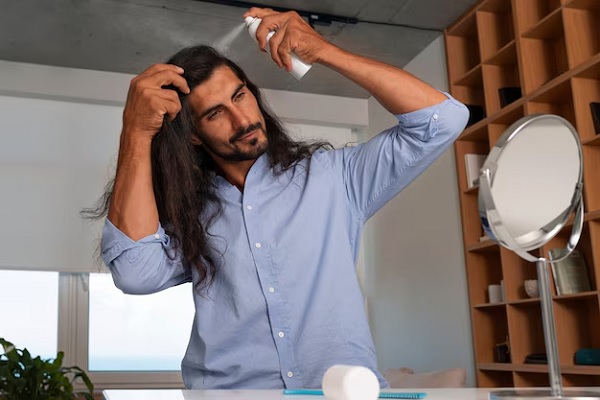
When you wash your hair, use a gentle shampoo that won’t strip away any more of its natural oils. Look for a shampoo that is specifically designed for damaged hair, as these usually contain ingredients that can help repair the hair.
Condition Your Hair
After washing your hair, use a deep conditioning treatment to help repair the damage. Look for a conditioner that contains keratin or other proteins, as these can help strengthen the hair and prevent further damage.
Avoid Heat Styling
If your hair is burnt, it’s important to avoid using heat styling tools like straighteners or curling irons. These can further damage the hair and make it more brittle. If you must use heat styling tools, use them on the lowest temperature setting possible and always use a heat protectant spray.
Use A Hair Mask

In addition to using a deep conditioner, you can also use a hair mask once a week to help repair your hair. Look for a hair mask that contains ingredients like coconut oil, avocado oil, or honey, as these can help moisturize and nourish your hair.
Avoid Chemical Treatments
If your hair is burnt, it’s best to avoid chemical treatments like coloring or perming until it has fully recovered. These treatments can further damage your hair and slow down the recovery process.
Be Patient
Finally, it’s important to be patient when recovering burnt hair. It can take time for your hair to fully recover, so don’t expect immediate results. Stick to a healthy hair care routine and be gentle with your hair, and you will start to see results over time.
Signs Of Burnt Hair

Burnt hair is a clear sign that your hair has been exposed to heat damage or chemical damage. Whether you’ve accidentally left your hair too close to a curling iron or have used too much bleach, burnt hair is not only unpleasant, but it can also indicate serious damage to your locks.
The signs of burnt hair can vary depending on the severity of the damage, but there are some common indicators that you can look out for. These can include dryness, brittleness, split ends, and a lack of elasticity. If you’ve noticed any of these signs, it’s important to take action to prevent further damage and restore the health of your hair.
Steps to prevent further damage and restore the health of your hair
- Split Ends: Burnt hair is prone to breakage, leading to split ends. Unfortunately, there is no way to reverse split ends other than to cut them off.
- Unmanageable Hair: Burnt hair can become stiff, dry, and difficult to style. Over time, daily wear and tear can cause your hair to look dull and lifeless.
- Hair Breakage and Shedding: Burnt hair can become brittle and prone to breakage. Strong heat can weaken the hair shaft, leading to hair loss and thinning. If you are experiencing a lot of hair loss, your heat-styling tools could be to blame.
- Overly Dry Hair: Burnt hair can be stripped of its natural moisture, leaving it dry and brittle. If your hair feels rough and dry even after moisturizing it, it could be a sign of burnt hair.
- Tangles and Knots: Burnt hair can become broken, frizzy, and tangled. When hair loses its natural elasticity, it can become difficult to manage.
- Dull Hair: Burnt hair can look dull and lifeless. This is because damaged hair fibers cause light to scatter instead of bounce back, giving it a rather faded, lusterless appearance.
- Fading Hair Color: If your hair has been severely burnt, it may not retain color as well. Straightening, curling, blow-drying, and chemical treatments can all contribute to fading hair color. While cutting down on heat styling can help prevent further damage, it can be challenging to repair burnt hair. However, there are natural remedies you can try to make your hair more manageable and repair the damage.
Prevention of Future Harm

Heat protection
- Use of heat protectants: Before using any heat tools such as straighteners, dryers, or curling irons, it is essential to apply a heat protectant. These products create a barrier between the hair and heat, reducing the risk of damage. Look for sunscreens that contain ingredients like silicone or natural oils that help seal in moisture.
- Alternatives to using heat tools: Whenever possible, opt for styling methods that don’t require heat. For example, you can use rollers to curl your hair or braiding techniques to create waves. Also, let your hair air dry instead of using a blow dryer.
Home Care
- Natural and sulfate-free products: Sulfates can be harsh and strip the hair’s natural oils, leaving it dry and prone to damage. Opt for sulfate-free shampoos and conditioners with natural ingredients such as aloe vera, coconut oil, and shea butter. With the help of these ingredients, your hair stays hydrated and your hair is in good health.
- Hydration and nutrition routines: Maintain a regular deep hydration routine. Applying moisturizing hair masks once a week. You can make your own homemade masks with ingredients like avocado, honey, and olive oil. Plus, use leave-in conditioners and serums to keep hair nourished and protected throughout the day.
- Avoid excessive use of chemicals: Limit the use of dyes, bleaches, and other chemical treatments that can weaken hair. If you need to color your hair, look for gentler options like ammonia-free dyes and make sure to stick with intensive moisturizing treatments.
- Protection against environmental factors: The sun, wind, and sea or pool water can damage hair. Use scarves or hats as extra protection for your hair, in addition to using products with UV protection. After swimming in the sea or in a pool, rinse your hair with cool water to remove chlorine or salt and apply a moisturizing conditioner.
Conclusion
Recovering burnt hair is a process that requires patience, perseverance and the use of the right products and techniques. Throughout this article, we’ve explored various strategies for identifying and treating damage, from immediate treatments and daily care routines to career options and preventative measures.
The key to maintaining healthy hair and preventing future damage lies in consistency and ongoing care. Adopting a proper hair care routine and protecting your hair from harmful factors will allow you to not only regain its health and vitality, but also keep it strong and beautiful in the long run. Remember that every hair is unique. So it’s important to find the products and methods that best suit your specific needs.


Responsable – CAPIL SOLUTIONS. S.L
*Términos y condiciones
Finalidad – Dar respuesta a las solicitudes de información, y poder enviarle nuestras publicaciones, promociones de productos y/o servicios, gestionar los comentarios en el blog
Derechos Arco - Acceder, rectificar y suprimir los datos, así como otros derechos, como se explica en la información adicional.
info@capilclinic.us
Legitimación – Consentimiento
Destinatarios – No se cederán datos a terceros salvo obligación legal
Política de privacidad – Puede consultar nuestra política de privacidad aquí
*Política de privacidad