


Who is a candidate for hair transplant? is a question that many people ask before committing to surgery. The first thing most patients want to know is how does a hair transplant work. In short, surgeons relocate healthy hair follicles from donor areas—typically the back or sides of the scalp—to thinning or bald regions. While the procedure sounds straightforward, not everyone is a suitable candidate.
This is why the preoperative evaluation is so critical. A thorough medical and scalp assessment helps determine whether the patient has a stable pattern of hair loss, enough donor hair to achieve natural coverage, and the right health conditions to undergo minor surgery. Without this step, even advanced techniques may lead to disappointing results. In this article, we will outline the key requirements, medical limitations, and special cases that define who truly qualifies for a hair transplant.
General Requirements to Be a Candidate
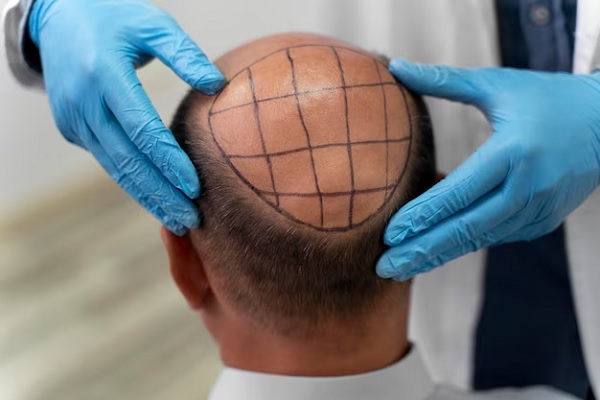
Not everyone who experiences hair loss automatically qualifies for a transplant. To maximize results, surgeons evaluate several clinical and lifestyle factors before approving a patient. Meeting these requirements increases the likelihood of a natural-looking and lasting outcome.
Stable Pattern of Hair Loss
The ideal candidate shows a predictable and stable progression of androgenetic alopecia. If hair loss is still aggressive or rapidly evolving, transplanted grafts may look unnatural as surrounding native hair continues to thin. Stabilization with medical therapy such as finasteride or minoxidil is often recommended before surgery.
Adequate Donor Supply
Successful transplantation depends on a healthy donor area, typically at the back and sides of the scalp, where follicles are resistant to DHT. Surgeons assess density, hair shaft thickness, and scalp laxity. Without robust donor hair, achieving coverage becomes unrealistic.
Good General Health
Even though hair transplantation is minimally invasive, it still requires patients to be in reasonable systemic health. Conditions like uncontrolled diabetes, bleeding disorders, or active infections can compromise healing and graft survival. A preoperative medical history and lab tests are standard steps.
Realistic Expectations
Perhaps the most underrated requirement is patient mindset. A transplant does not restore adolescent density, nor can it stop future hair loss. Surgeons emphasize achievable density, natural hairline design, and the possibility of further procedures down the line. Patients expecting “Hollywood hair overnight” often end up disappointed.
Age Considerations
While there is no strict cutoff, younger patients under 25 are usually advised to wait until their hair loss stabilizes. Older patients, on the other hand, can still be excellent candidates if they have sufficient donor reserves.
Who Is Not a Candidate for a Hair Transplant
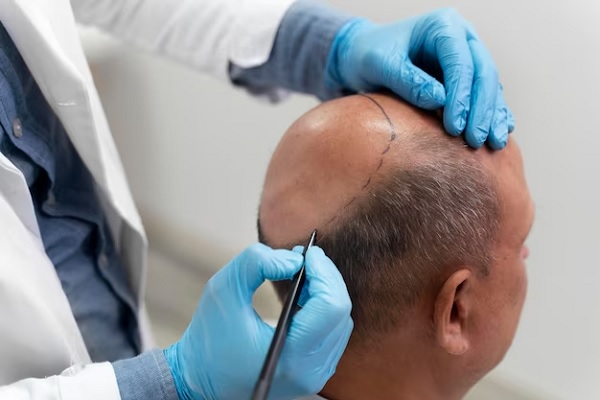
While hair transplantation has become a reliable option for restoring density, not everyone qualifies. Certain medical conditions, scalp disorders, and patterns of hair loss make surgery ineffective or even risky.
Medical Contraindications
Patients with uncontrolled systemic diseases such as poorly managed diabetes, cardiovascular disorders, or bleeding problems face higher surgical risks. These conditions interfere with wound healing, graft survival, and overall safety. Similarly, individuals with autoimmune diseases like lupus or active alopecia areata may experience graft failure, since the immune system can attack transplanted follicles. According to the National Center for Botechnology Information (NCBI), systemic health evaluation is a key step in identifying suitable candidates and preventing complications.
Inadequate Donor Area
A fundamental rule of hair restoration is that transplanted follicles must come from regions resistant to hormonal thinning. Patients with diffuse thinning, where the donor area is also affected, are generally poor candidates because the transplanted hair is equally vulnerable to loss over time.
Scarring and Active Scalp Conditions
Scarring alopecias, infections, or chronic inflammatory scalp diseases often rule out transplantation unless the condition is well controlled. Performing surgery in inflamed or unstable tissue drastically reduces graft survival and can worsen scarring.
Unrealistic Expectations
Finally, individuals seeking results that exceed the natural limitations of the procedure are not ideal candidates. A transplant can improve coverage and create a natural hairline, but it cannot provide unlimited density. Surgeons often decline patients whose expectations are impossible to meet.
Age and the Ideal Timing for a Hair Transplant
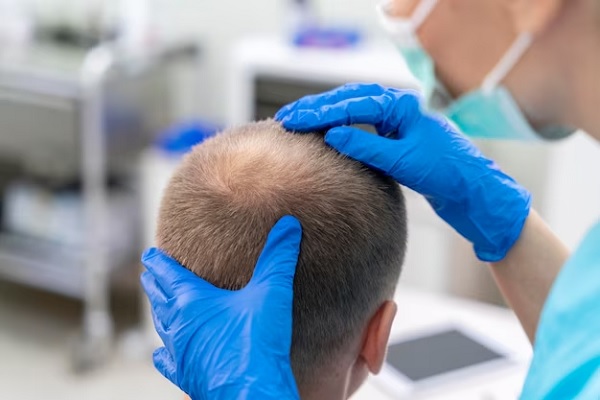
Age plays a crucial role in determining the long-term success of a hair transplant. While there is no strict age cutoff, both younger and older patients face unique considerations that directly impact results.
Younger Patients (<25 years)
Performing a hair transplant on very young individuals is usually discouraged. At this stage, hair loss patterns are often unstable and unpredictable, which means transplanted hair may look unnatural as native hair continues to recede. The American Academy of Dermatology recommends that candidates wait until their pattern of hair loss has stabilized and medical treatments have been considered before opting for surgery.
Mature Adults (25–50 years)
This is considered the ideal window for many patients. By this age, the progression of androgenetic alopecia is easier to predict, allowing surgeons to design a sustainable and natural hairline. Moreover, patients typically still have strong donor reserves, increasing the chances of excellent density and long-lasting results.
Older Patients (>50 years)
There is no maximum age for hair transplantation. Instead, suitability depends on the health of the donor area and overall systemic health. A study published in NCBI StatPearls notes that older patients can still achieve successful outcomes if donor follicles remain robust and medical conditions are well controlled.
Timing Matters
Regardless of age, the best timing is when hair loss has stabilized, the donor supply is adequate, and patients have realistic expectations. Attempting surgery too early or without medical stabilization often leads to poor aesthetic results and multiple future procedures.
The Importance of Dermatologists and Surgeons in the Evaluation
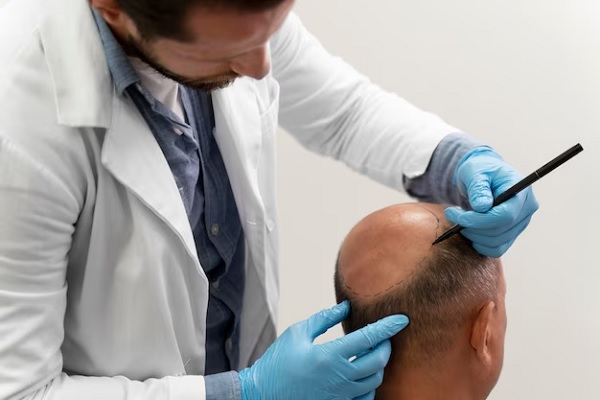
A successful hair transplant begins long before the first graft is extracted. The evaluation process by a dermatologist and a qualified hair transplant surgeon is what separates good candidates from poor ones. Skipping or minimizing this step increases the risk of failed outcomes, wasted donor hair, and patient dissatisfaction.
Importance of dermatologists in hair transplant
Dermatologists are trained to diagnose the exact type of hair loss. Not all alopecia is suitable for transplantation — for instance, alopecia areata or scarring alopecias often require medical treatment before surgery is even an option. A dermatologist can also order blood tests to rule out reversible causes like thyroid disease, iron deficiency, or hormonal imbalances. Identifying the underlying condition ensures that the patient is truly ready for a surgical solution.
Role of the Surgeon
The surgeon’s focus goes beyond diagnosis. They assess:
-
Donor area quality – density, follicle thickness, and resistance to miniaturization.
-
Recipient site planning – designing a natural hairline that matches age, face shape, and long-term progression.
-
Technique selection – deciding between FUE, FUT, or combined approaches based on donor availability.
-
Long-term strategy – preserving donor supply to allow for future procedures as hair loss advances.
Why Both Matter
Without a dermatologist’s diagnostic expertise, the wrong patients may undergo surgery. Without a surgeon’s technical planning, even the right patients may end up with poor density or unnatural results. Together, they form the team that ensures the procedure is safe, medically justified, and aesthetically effective.
Special Cases in Hair Transplant Candidacy

While most candidates fall within the standard guidelines for hair transplantation, there are several special cases where the decision requires more nuance. These scenarios highlight the importance of personalized evaluation, as not every patient fits neatly into the usual profile.
One common case is women with diffuse thinning. Unlike men, whose balding usually follows predictable patterns, women often experience more generalized thinning across the scalp. This makes donor area assessment crucial. In some cases, transplantation is possible, but for others, medical therapies such as minoxidil or PRP may be recommended first to stabilize loss.
Another special category includes patients with previous unsuccessful hair transplants. These individuals may seek corrective procedures to improve density, adjust unnatural hairlines, or fix poor graft survival. Surgeons must carefully evaluate donor reserves, since secondary attempts often face limitations.
Scarring alopecia represents another challenge. Burns, accidents, or surgical scars can leave patches where hair no longer grows. Transplantation can sometimes restore coverage, but scar tissue reduces blood supply, which may affect graft survival. Still, many patients report meaningful cosmetic improvement even with partial regrowth.
Ethnic considerations also matter. Patients of African, Asian, or Middle Eastern descent often have unique hair characteristics—curl, thickness, or direction of growth—that require specific techniques to achieve natural-looking results. A surgeon with multicultural experience is essential in these cases.
Finally, patients with unusual expectations must be managed carefully. Some may seek dense, youthful hairlines that are unrealistic given donor limitations. Others may want surgery at a very early stage of hair loss. In both cases, education and realistic planning are vital to prevent future dissatisfaction.
Special cases underscore one truth: a hair transplant is never one-size-fits-all. Each patient’s background, scalp condition, and goals must be considered before deciding if surgery is truly the right step.
Medical Conditions and Hair Transplants
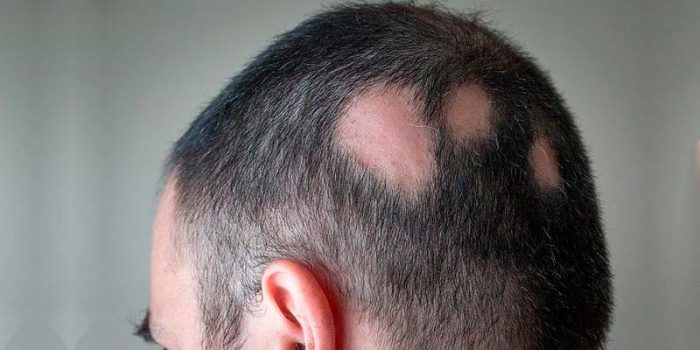
Medical conditions play a decisive role in determining whether someone is a suitable candidate for hair transplantation. Since the procedure is minor surgery, any underlying health problem that affects healing, circulation, or immune response can influence both the safety and the results of the transplant.
Patients with uncontrolled diabetes, for example, may experience delayed wound healing, increasing the risk of infection. Those with autoimmune diseases, such as lupus, may have unpredictable graft survival because their immune system can attack hair follicles. Meanwhile, individuals with bleeding disorders or who take blood-thinning medication face higher surgical risks and may require special adjustments or, in some cases, may be excluded altogether.
Another consideration is scalp disease. Conditions like severe psoriasis or active dermatitis can compromise the stability of transplanted grafts and must be treated before surgery. Even when cleared, these patients require close follow-up to ensure the condition doesn’t flare up postoperatively.
Here’s a comparison of some common medical conditions and their impact on candidacy:
| Medical Condition | Impact on Hair Transplant Candidacy | Recommendation |
|---|---|---|
| Uncontrolled Diabetes | Delayed healing, higher infection risk | Achieve control before considering surgery |
| Autoimmune Disorders (e.g., Lupus) | Possible graft rejection or poor survival | Often contraindicated, depends on severity |
| Bleeding Disorders / Anticoagulants | Increased surgical risk, excessive bleeding | Requires specialist clearance, may not qualify |
| Scalp Psoriasis or Dermatitis | Inflammation interferes with graft stability | Treat condition before transplant |
| Stable, Controlled Hypertension | Generally safe if managed | Typically eligible with medical clearance |
Frequently Asked Questions

How does a hair transplant work?
A hair transplant works by moving healthy hair follicles from the donor area—usually the back or sides of the scalp—to thinning or bald regions. Once transplanted, these follicles continue to grow naturally. The process is minimally invasive, performed under local anesthesia, and usually takes several hours depending on the number of grafts required. Results are permanent but take months to fully develop.
Am I too young for a hair transplant?
Most surgeons recommend waiting until your mid-20s before undergoing a transplant. Hair loss patterns need time to stabilize; otherwise, the procedure may result in an unnatural look as hair continues to thin around the transplanted area. Younger patients may instead benefit from non-surgical treatments until their condition is more predictable, ensuring better long-term results and preservation of the donor area.
Can women get hair transplants?
Yes, women can be candidates for hair transplants, but suitability depends on the type of hair loss. Women with localized thinning or scarring alopecia often respond well, while those with diffuse thinning across the scalp may not. Proper evaluation by a dermatologist is essential, as alternative treatments like medications or platelet-rich plasma (PRP) therapy may sometimes be more effective than surgery in female patients.
Do hair transplants look natural?
When performed by a skilled surgeon, modern hair transplants look completely natural. Techniques like Follicular Unit Extraction (FUE) and Follicular Unit Transplantation (FUT) allow precise placement of grafts, mimicking natural hair growth patterns. The density and hairline design are carefully planned to match the patient’s age, face shape, and ethnic background, ensuring results blend seamlessly with existing hair and avoid the “pluggy” appearance of older methods.
How long is recovery after a hair transplant?
Recovery from a hair transplant is relatively quick. Most patients return to non-strenuous activities within a few days. Redness, swelling, and tiny scabs typically subside in 7–10 days. Transplanted hairs shed within weeks, which is normal, and new growth appears after 3–4 months. Full results are visible between 9–12 months. Proper post-op care, such as avoiding sun exposure and following medication guidelines, is crucial for success.
Conclusion

Deciding whether to undergo hair restoration surgery is never a one-size-fits-all choice. The procedure can deliver life-changing results, but only for those who meet the right conditions. Factors like age, donor hair availability, medical history, and realistic expectations all shape whether surgery is truly the best option. Asking the key question—Who is a candidate for hair transplant—is the foundation of a successful outcome.
Patients must remember that the evaluation process is not just a formality but a crucial step to avoid disappointment. A dermatologist and an experienced hair transplant surgeon will assess not only the scalp but also overall health and the progression of hair loss. This ensures that the plan created matches both current needs and long-term results.
If you are considering the procedure, now is the time to take action. Schedule a consultation with a qualified specialist to determine if you are the right fit. Your journey toward restoring confidence starts with an expert evaluation today.


Responsable – CAPIL SOLUTIONS. S.L
*Términos y condiciones
Finalidad – Dar respuesta a las solicitudes de información, y poder enviarle nuestras publicaciones, promociones de productos y/o servicios, gestionar los comentarios en el blog
Derechos Arco - Acceder, rectificar y suprimir los datos, así como otros derechos, como se explica en la información adicional.
info@capilclinic.us
Legitimación – Consentimiento
Destinatarios – No se cederán datos a terceros salvo obligación legal
Política de privacidad – Puede consultar nuestra política de privacidad aquí
*Política de privacidad