


Caring for your little one’s delicate locks requires gentle attention and the right techniques. If you’re wondering how to care for a baby’s hair, you’re not alone—many parents seek safe and effective ways to nurture healthy strands from day one. In this guide, we’ll share essential baby hair care tips to help you maintain softness, prevent tangles, and support natural growth. From choosing the best baby shampoo to learning how to wash baby hair without irritation, every step matters.
You’ll also discover trusted gentle baby hair products that protect sensitive scalps and promote comfort. For those curious about boosting growth, we’ll touch on natural baby hair growth remedies that are both safe and easy to apply. Whether your baby has fine fuzz or thick curls, understanding how to care for a baby’s hair is key to building a healthy hair care routine from the start.
Care for a baby’s hair
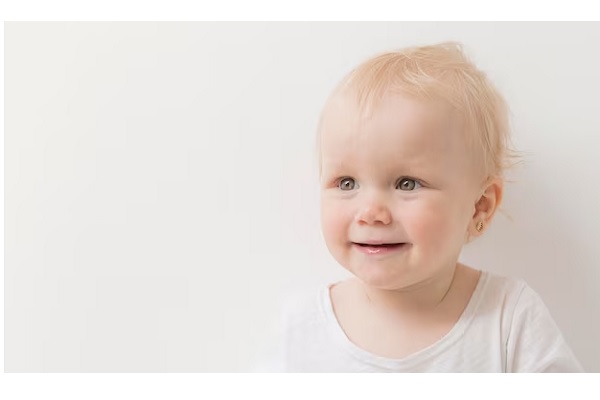
When it comes to newborn grooming, learning how to properly care for a baby’s hair is essential. Baby hair is much finer and more fragile than adult hair, which means it requires a gentler approach and specific products designed for sensitive scalps. Whether your baby has a full head of curls or just a soft layer of fuzz, establishing a routine early on can make a big difference.
The best way to care for a baby’s hair is to wash it gently with lukewarm water and a mild baby shampoo, then pat dry without rubbing. This simple method helps avoid irritation and keeps the scalp healthy. Knowing how to wash baby hair correctly also prevents tangles and discomfort during bath time.
Incorporating baby hair care tips like using a soft-bristle brush and avoiding tight hairstyles can further protect your baby’s delicate strands. If you’re looking to support growth, some parents explore baby hair growth remedies such as natural oils or scalp massages, though results vary.
Choosing the best baby shampoo is key—look for formulas free of harsh chemicals and fragrances. Many brands now offer gentle baby hair products that are hypoallergenic and dermatologist-tested, ensuring safety and comfort.
Understanding how to care for a baby’s hair isn’t just about hygiene—it’s about creating a soothing experience that strengthens the bond between parent and child. With the right tools and techniques, you can help your baby develop healthy hair habits from the very beginning.
The best tips for caring for your baby’s hair
Gently Wash When Needed
Understanding how to care for a baby’s hair starts with knowing that less is more. In the first few months, your baby’s scalp produces minimal oil, so washing their hair two to three times a week is usually enough. Overwashing can strip away natural moisture and irritate the scalp. When bath time arrives, use comfortably warm water and a tear-free baby shampoo that’s gentle on the eyes and skin.
Cradle your baby’s head and neck securely to keep them relaxed and safe. Pour water slowly over their scalp to avoid startling them, and speak softly to create a calming experience. This routine not only keeps their hair clean but also helps build trust and bonding. By following these steps, you’re laying the foundation for a healthy hair care habit and mastering the basics of how to care for a baby’s hair from the very beginning.
Soft and Gentle Cleansing
One of the most important baby hair care tips is to treat your baby’s scalp with extreme gentleness. Their skin is delicate, and vigorous scrubbing can cause irritation or even damage. Use your hand or a soft washcloth to apply shampoo, and gently massage the scalp with your fingertips in circular motions. This helps loosen any dirt or flakes without harming the skin. Avoid using fingernails or applying pressure.
Rinse thoroughly with warm water, making sure no shampoo residue remains, as leftover product can lead to dryness or flaking. This step is essential in maintaining scalp health and comfort. A calm, gentle cleansing routine also helps your baby associate bath time with relaxation. Over time, this consistency becomes part of their comfort zone. Following these baby hair care tips ensures that your baby’s hair stays clean, soft, and healthy without causing stress or discomfort.
Choosing the Right Shampoo
Selecting the best baby shampoo is a crucial step in building a safe and effective hair care routine. Baby shampoos should be free from harsh chemicals like sulfates, parabens, and artificial fragrances, which can irritate sensitive skin. Look for products labeled hypoallergenic and dermatologist-tested. These are specifically designed to cleanse without stripping natural oils or causing dryness. The ideal shampoo will be tear-free, pH-balanced, and gentle enough for daily use if needed.

Some formulas even include soothing ingredients like chamomile or calendula to calm the scalp. When choosing a shampoo, consider your baby’s specific needs—whether they have cradle cap, dry skin, or very fine hair. Reading labels and reviews can help you make an informed decision. Using the best baby shampoo not only keeps your baby’s hair clean but also protects their scalp from irritation, making bath time a pleasant experience for both of you.
Avoid Harsh Products
When learning how to care for a baby’s hair, one of the most important rules is to avoid using adult hair care products. These often contain ingredients like alcohols, synthetic fragrances, and strong detergents that can be too aggressive for a baby’s sensitive scalp and fine hair. Even products labeled “natural” or “organic” for adults may not be suitable for infants. Instead, stick to gentle baby hair products that are specifically formulated for newborns and toddlers.
These are designed to cleanse and nourish without causing irritation or allergic reactions. Using harsh products can lead to dryness, redness, or even breakage in your baby’s hair. Always read labels carefully and consult your pediatrician if you’re unsure about a product’s safety. By choosing mild, baby-friendly formulas, you’re protecting your child’s delicate skin and reinforcing healthy habits. This is a key part of mastering how to care for a baby’s hair safely and effectively.
Be Mindful of Cradle Cap
Cradle cap is a common condition that affects many newborns, appearing as oily, flaky patches on the scalp. While it’s harmless and usually resolves on its own, it can be unsightly and uncomfortable. To treat it gently, apply a small amount of baby oil or coconut oil to the affected area and let it sit for a few minutes. Then, use a soft baby brush to loosen the flakes.
This method is one of the simplest baby hair growth remedies, as it helps clear the scalp and promote healthier hair growth. Avoid picking at the flakes or using medicated shampoos unless recommended by your pediatrician. Regular, gentle washing with a mild shampoo also helps prevent buildup. If the condition worsens or spreads, consult your doctor for guidance. Being proactive and gentle with cradle cap care is part of a broader strategy for how to care for a baby’s hair and maintain scalp health.
Delicate Drying
After washing your baby’s hair, drying it properly is just as important as cleansing. Use a soft, absorbent towel to gently pat the hair and scalp—never rub, as this can cause breakage or irritation. Babies have very fine hair that’s prone to damage, so a gentle touch is essential. If you need to speed up the drying process, you can use a baby-safe hair dryer on the lowest heat setting, keeping it at a safe distance to avoid overheating.
Always test the temperature on your own skin first. This step complements your routine for how to wash baby hair, ensuring comfort and safety. Proper drying also helps prevent scalp issues like fungal growth or irritation caused by lingering moisture. By incorporating this careful approach into your routine, you’re reinforcing the principles of how to care for a baby’s hair while keeping your baby relaxed and happy after bath time.

Brushing
As your baby’s hair begins to grow, brushing becomes an important part of their grooming routine. Using a soft baby brush with natural bristles helps keep the hair neat and prevents tangles. More importantly, gentle brushing stimulates the scalp, promoting circulation and supporting healthy hair development. This simple act is often included in baby hair care tips because it’s both practical and soothing. Brush in the direction of hair growth, and avoid pulling or tugging. If your baby has curly or textured hair, consider using a wide-tooth comb or detangling brush designed for infants.
Brushing also gives you a chance to bond with your baby, turning a basic task into a comforting ritual. Combined with proper washing and drying, brushing completes the cycle of how to wash baby hair and maintain its health. Over time, this gentle routine helps your baby become familiar with hair care and builds trust.
Protect from the Sun
Protecting your baby’s scalp from sun exposure is a key part of how to care for a baby’s hair, especially during outdoor activities. Babies have thinner skin and less hair coverage, making them more vulnerable to UV rays. A lightweight baby hat with a wide brim is an excellent way to shield their scalp and face. If your baby resists wearing hats, you can apply a small amount of baby-safe sunscreen to exposed areas, including the scalp if hair is sparse. Choose formulas specifically designed for infants to avoid irritation.
Sun protection is not just about preventing burns—it also helps maintain scalp health and supports natural hair growth. Overexposure to sunlight can dry out the scalp and weaken hair strands. By incorporating sun protection into your routine, you’re reinforcing the principles of how to care for a baby’s hair while keeping your baby safe and comfortable in all environments.
Embrace Natural Texture
Every baby is born with a unique hair texture—some have silky straight strands, others soft curls or waves. Embracing your baby’s natural hair type is a beautiful part of learning how to care for a baby’s hair. Avoid using styling products, heat tools, or treatments that could alter or damage their delicate hair. Instead, focus on gentle cleansing, moisturizing, and brushing techniques that support their natural texture.
This approach not only protects the hair but also teaches your child to appreciate their own look as they grow. If your baby has textured or curly hair, you may need to use specific gentle baby hair products that provide extra hydration and reduce frizz. The goal is to maintain softness and manageability without interfering with the hair’s natural pattern. By respecting and nurturing your baby’s hair type, you’re building a routine that’s safe, loving, and aligned with the best practices for how to care for a baby’s hair.
Regular Checkups
During routine pediatric visits, don’t hesitate to bring up any concerns about your baby’s hair or scalp. Doctors can offer personalized advice based on your baby’s skin type, hair texture, and overall health. Whether you’re curious about baby hair growth remedies or wondering if a certain product is safe, your pediatrician is a valuable resource. These checkups are also a good time to ask about common conditions like cradle cap, dryness, or slow hair growth.
By staying informed, you’re actively participating in your baby’s well-being and reinforcing your understanding of how to care for a baby’s hair. Pediatricians may recommend specific shampoos, brushing techniques, or even dietary tips that support healthy hair development. Regular communication ensures that your baby’s hair care routine evolves with their needs. It’s not just about aesthetics—it’s about comfort, health, and confidence. Keeping hair care on your radar during medical visits helps you stay proactive and informed.
Choosing Safe and Effective Baby Hair Products

When selecting hair products for your baby, it’s essential to prioritize their delicate and sensitive skin and hair. Understanding how to care for a baby’s hair begins with choosing safe, effective products that support scalp health and natural growth. Here are some key factors to consider when looking for baby hair care tips and products:
Gentle Formulation
Look for baby-specific shampoos and conditioners. These gentle baby hair products are formulated to be kind to your baby’s sensitive skin and eyes. Check for terms like “hypoallergenic,” “tear-free,” and “pediatrician-recommended.”
Avoid Harmful Chemicals
Steer clear of products containing harsh chemicals, fragrances, dyes, and sulfates. These ingredients can irritate your baby’s skin and eyes. Opt for minimal, clean formulas.
pH-Balanced
Choose products that are pH-balanced to maintain the natural acidity of your baby’s scalp. This helps prevent irritation and supports how to wash baby hair safely.
Allergen-Free
Check for common allergens like nut oils, soy, dairy, and wheat—especially if your baby has sensitivities.
Natural and Organic Options
Consider natural or organic options. These often contain fewer synthetic chemicals and may support baby hair growth remedies through gentle nourishment.
Pediatrician-Recommended
Products approved by pediatricians have undergone safety testing and are ideal for how to care for a baby’s hair with confidence.
No Harsh Preservatives
Avoid parabens and phthalates, which may be absorbed through the skin.
Hypoallergenic
For babies with sensitive skin, hypoallergenic products reduce the risk of reactions.
Check for Expiry Dates
Ensure products are fresh and effective.
Consider Specific Concerns
For issues like cradle cap or eczema, consult your pediatrician for targeted solutions.
Read Reviews and Recommendations
Other parents’ experiences can guide you, but remember every baby is unique.
Patch Test
Always test new products on a small area first.
Age-Appropriate Products
Newborns and toddlers have different needs—choose accordingly.
Consider Environmental Impact
Eco-friendly brands offer safe choices for your baby and the planet.
Choosing the best baby shampoo and related products is a key part of building a safe, effective routine. When in doubt, simplicity and professional guidance are your best allies in caring for your baby’s hair.
Conclusion
Mastering how to care for a baby’s hair is a small but meaningful part of your parenting journey. With the right approach, you can ensure your baby’s scalp stays healthy, their hair grows naturally, and bath time becomes a soothing ritual. From selecting the best baby shampoo to applying baby hair care tips like brushing gently and avoiding tight accessories, every detail contributes to your child’s comfort and well-being.
The key to healthy baby hair is consistency, gentleness, and using products designed specifically for infants. Whether you’re learning how to wash baby hair for the first time or exploring baby hair growth remedies to support fuller strands, patience and care go a long way.
It’s also important to choose gentle baby hair products that are free from sulfates, parabens, and artificial fragrances. These formulas are crafted to nourish without causing irritation, making them ideal for daily use. As your baby grows, their hair texture may change, but the foundation you build now will help them develop strong, healthy hair habits.
Remember, how to care for a baby’s hair isn’t just about appearance—it’s about protecting their delicate skin and creating moments of closeness. By following expert advice and using safe, effective products, you’re giving your baby the best start possible.
Whether your little one has wispy strands or thick curls, your loving touch and thoughtful routine will make all the difference. Keep it simple, stay consistent, and enjoy the bonding experience that comes with caring for your baby’s hair.


Responsable – CAPIL SOLUTIONS. S.L
*Términos y condiciones
Finalidad – Dar respuesta a las solicitudes de información, y poder enviarle nuestras publicaciones, promociones de productos y/o servicios, gestionar los comentarios en el blog
Derechos Arco - Acceder, rectificar y suprimir los datos, así como otros derechos, como se explica en la información adicional.
info@capilclinic.us
Legitimación – Consentimiento
Destinatarios – No se cederán datos a terceros salvo obligación legal
Política de privacidad – Puede consultar nuestra política de privacidad aquí
*Política de privacidad