

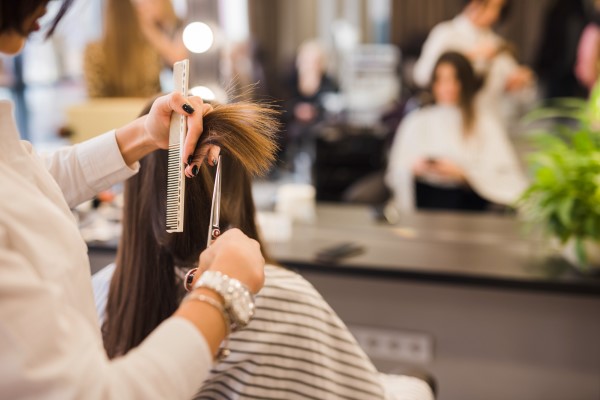
Regular haircuts keep hair healthy and beautiful by preventing split ends, keeping styles fresh, and promoting overall hair health. Many people hesitate to cut their hair frequently, thinking it could damage or slow down growth. However, the opposite is true. In fact, frequent hair cutting strengthens hair and keeps it looking vibrant.
By cutting your hair often, you remove damaged ends before they spread, which reduces breakage. As a result, your hair looks healthier and grows more evenly. Furthermore, frequent trims help maintain your hairstyle, making it easier to manage and style. In this article, we will explain why periodic hair cutting is essential for long-term hair health and its benefits.
Is frequent hair cutting healthy for my hair?

Frequent hair cutting is healthy for your hair. Regular trims can help remove split ends and prevent breakage, promote healthy hair growth, and improve the overall appearance of your hair. By getting rid of damaged ends, your hair can grow stronger and healthier, resulting in a fuller and more voluminous look. Additionally, regular trims can help maintain your desired hairstyle and keep your hair looking polished and well-groomed. Let’s see each benefit in detail.
Benefit #1: Encourages healthy hair growth
Regular haircuts offer numerous benefits for promoting healthy hair growth. By removing split ends and damaged hair, frequent haircuts contribute to the overall health and appearance of your hair. This, in turn, can lead to faster hair growth as healthy hair is less likely to break or become damaged.
In addition to removing damaged hair, regular haircuts help to prevent hair from becoming weak and brittle, which can lead to breakage and thinning. When you get your hair cut, it stimulates the hair follicles, promoting healthy hair growth. Moreover, regular haircuts can improve blood flow to the scalp, nourishing the hair follicles and encouraging healthy growth.
Benefit #2: Maintains hair shape
Frequent haircutting helps maintain the shape of your hairstyle, ensuring it always looks neat and polished. Over time, hair can lose its shape due to uneven growth, split ends, or general wear and tear. Regular trims keep your style defined by removing excess length and damaged ends, making it easier to manage and style.
Moreover, keeping your hair in shape prevents it from becoming unruly or difficult to control. As a result, styling becomes faster and less time-consuming. Consistent trims also keep your hair in better condition, allowing you to maintain your desired look effortlessly.
Benefit #3: Reduces split ends
Regular hair cutting significantly reduces split ends, which can lead to weakened and frizzy hair. Split ends occur when the hair shaft becomes damaged, causing the ends to fray and break. By trimming your hair regularly, you prevent split ends from traveling up the hair shaft, which helps preserve the overall strength and appearance of your hair.
In addition, reducing split ends through regular cuts ensures that your hair stays smooth and healthier-looking. Without frequent trimming, split ends can cause more breakage, making hair appear thin and dull. Consistent haircuts prevent this damage, leaving your hair stronger and more vibrant.
Benefit #4: Prevents knots and tangles

Regular haircutting helps prevent knots and tangles, making your hair easier to manage. As hair grows, damaged ends become rough and more prone to tangling. Regular trims remove these damaged sections, leaving your hair smoother and less likely to knot. This not only saves time when brushing or styling but also reduces breakage caused by detangling.
Additionally, fewer tangles lead to healthier hair overall. Knots can put stress on your strands, resulting in breakage and split ends. By cutting your hair regularly, you keep it free from knots, promoting a smoother, more manageable texture.
Benefit #5: Improves hair texture and shine
Regular haircuts can significantly improve the texture and natural shine of your hair. Over time, split ends and damaged hair can cause your locks to look dry and lackluster. By getting regular trims, you can get rid of these damaged sections, allowing the healthier part of your hair to shine through, giving it a smoother and more polished appearance.
Moreover, these haircuts help in maintaining the overall texture of your hair. Without regular trims, rough ends can make your hair feel coarse and uneven. By keeping your hair regularly trimmed, you ensure that it remains soft, shiny, and healthy-looking from root to tip.
What are the disadvantages of frequent haircuts?
Frequent haircuts can be beneficial for maintaining healthy hair, but there are also several disadvantages to consider. Here are some of the key cons of getting haircuts too often:
Con #1: Limited Hair Growth

Routine haircuts can be disadvantageous for those aiming for longer hair. While regular trims can remove split ends, cutting your hair too often does not accelerate the growth process. Hair tends to grow at a rate of about half an inch per month, and frequent cutting may hinder progress toward longer hair.
Con #2: Increased Costs
Periodic trips to the salon can lead to significant expenses over time. For individuals who require regular haircuts every few weeks to maintain a specific style, the cumulative cost can become quite burdensome. This financial strain can impact many people who are striving to uphold a particular look that demands continuous maintenance.
Con #3: Time commitment
Frequent trims demand a significant time investment. Consistently booking appointments can be bothersome, particularly for individuals with hectic schedules. The time allocated at the salon could be devoted to other pursuits, which may make it less attractive to certain people.
Con #4: Potential for over-trimming
Regular salon visits can increase the risk of over-trimming, potentially resulting in the stylist cutting off more hair than intended. This is especially concerning for those trying to maintain a specific style and can lead to frustration and dissatisfaction with the results.
Con #5: Loss of hair texture
Frequent haircuts can be detrimental for certain hair types, especially curly or textured hair. They can eliminate the necessary weight that helps curls maintain their natural shape and texture, leading to a less defined and disappointing look for those who adore their natural curls.


Responsable – CAPIL SOLUTIONS. S.L
*Términos y condiciones
Finalidad – Dar respuesta a las solicitudes de información, y poder enviarle nuestras publicaciones, promociones de productos y/o servicios, gestionar los comentarios en el blog
Derechos Arco - Acceder, rectificar y suprimir los datos, así como otros derechos, como se explica en la información adicional.
info@capilclinic.us
Legitimación – Consentimiento
Destinatarios – No se cederán datos a terceros salvo obligación legal
Política de privacidad – Puede consultar nuestra política de privacidad aquí
*Política de privacidad