


Are you experiencing oiliness and frequent itching on your scalp? You might have been told these issues are due to an oily scalp. However, it’s important to note that having an oily scalp is a perfectly normal condition. Instead of viewing it as a problem, you can appreciate the natural benefits your scalp provides, such as requiring less moisturizing products.
According to several studies, the itching on your scalp may be closely related to your emotional state and how you feel about your hair. This means that the root cause of the issue is not necessarily your scalp’s oiliness but rather your attitude and, potentially, the way you care for your hair. To gain a comprehensive understanding of this, reading the content all the way through is beneficial.
What causes baldness?
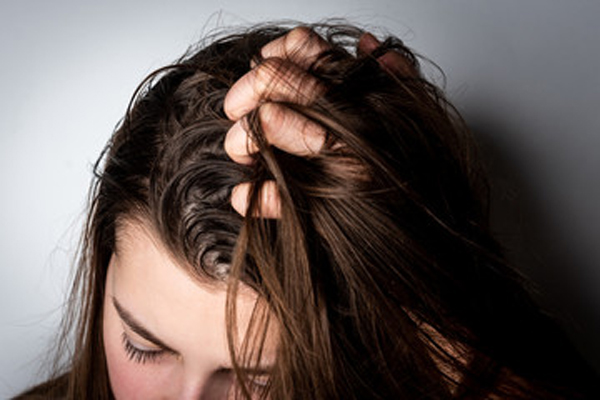
Baldness can be attributed to a variety of factors. The most common type, Male Pattern Baldness (MPB), is primarily caused by the hormone DHT affecting hair follicles or genetics. Untreated scalp conditions can also play a significant role in hair loss. Some examples of such conditions include psoriasis, ringworm, and folliculitis. Folliculitis, closely linked to sebum production, is another condition worth noting.
You’re in the right place if you’re curious about sebum and its connection to baldness. Sebum is the oily substance the scalp produces to maintain its moisture levels. When people talk about having an oily scalp, they’re referring to the amount of sebum on it.
The Oily Scalp Conundrum
Dealing with an oily scalp can be pretty challenging, as an overproduction of sebum characterizes it. Sebum is the natural oil secreted by the sebaceous glands in the scalp and plays a crucial role in maintaining hair health by moisturizing and safeguarding the strands. However, when the sebaceous gland is excessively active, it can lead to an oily scalp, which gives the hair an unwelcome greasy appearance.
This excessive oiliness can potentially contribute to other hair-related issues as well. It’s important to address this condition through proper hair care practices and possibly with the help of specialized hair products designed for oily scalps.
Why does our scalp have excess oil? And what can be done?

There are two primary causes. Firstly, our negligence in regularly and adequately cleansing our hair is significant. This negligence can lead to the accumulation of dirt, oil, and product residues, which can contribute to various hair and scalp issues. The second condition is known as hyperseborrhea, a condition characterized by the excessive production of sebum. This is an oily substance produced by the skin’s sebaceous glands. This overproduction of sebum can lead to oily scalp, greasy hair, and related concerns.
Now, let’s provide a concise overview of both causes and recommendations for addressing them effectively. We will discuss the importance of proper hair cleansing routines, including suitable shampoos and conditioners, as well as techniques for managing hyperseborrhea and regulating sebum production for healthier hair and scalp.
Poor hair care
If we fail to cleanse our hair using a suitable product routinely, our scalp becomes susceptible to sebum buildup. Due to sebum’s oily nature, emulsifying agents such as shampoos are necessary for its effective removal. Nevertheless, it is imperative to exercise additional vigilance when utilizing these products. Misuse can make you susceptible to the harm you were attempting to prevent, as will become evident. Let us examine some of the available washing agents.
Shampoos
Every two to three days, wash your hair with a gentle shampoo that doesn’t have any chemicals or sulfates. Drying out your skin when you wash your hair with hot water can worsen your eczema. Don’t scratch or massage your head too much if you have a headache. Also, remember that using too much shampoo can dry out your hair. It’s also bad for your hair. Know what kind of hair you have and be careful when you use it. The recommendation will be on the product’s label. Keep in mind that different goods will have other recommendations.
Use apple cider vinegar (ACV)
You can’t go wrong with apple cider vinegar as a hair wash. When it comes to reducing hair growth, it shines. Apple cider vinegar (ACV) is great for more than just cleaning; it also nourishes and protects your hair. The potent antimicrobial (antibacterial and antifungal) characteristics found in ACV are one of these advantages. The aforementioned scalp issues can be effectively addressed with this solution.

Hyperseborrhea
A medical situation called hyperseborrhea means that the sebaceous gland is working too hard. Too much oil production. But what could be the cause of this? Here are a few, and then we’ll be done.
Hormonal imbalance
Dihydrotestosterone (DHT), an androgen hormone, is notorious for raising sebum production. An increase in sebum production can also be caused by hormonal changes, such as those that occur during menstruation, pregnancy, or disorders affecting the ovaries, testicles, or adrenal glands. Problems with the pituitary and thyroid glands can also lead to an overabundance of sebum production.
A malfunction of the metabolism
Saturated fat harms the body’s metabolism due to its negative impact on overall health. Hyperseborrhea occurs when the skin excessively produces sebum, leading to scalp buildup and exacerbating this condition.
Infections
Bacterial and fungal infestations are additional significant factors contributing to hyperseborrhea. While limited research is available to substantiate this assertion, specific investigations have established a connection between the microorganism Malassezia yeast and this particular illness.
Understanding the Link between Oily Scalp and Hair Loss
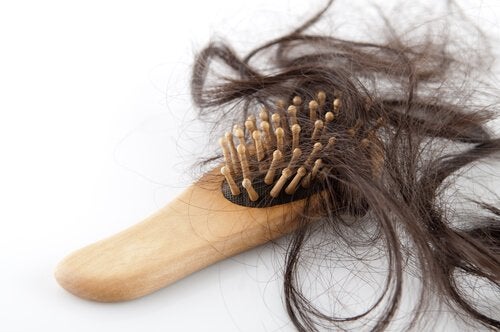
Many factors contribute to hair thinning and an oily scalp. Having an oily scalp isn’t always the cause of hair loss, but it can set the stage for other issues that can cause hair to thin or fall out. Some important things to think about are:
- Clogged Hair Follicles: When hair follicles become blocked by an excess of sebum, it creates an environment where new hair growth is impeded. This can result in a gradual thinning of the hair over time.
- Dandruff and Scalp Conditions: Dandruff and other scalp issues are frequently associated with an overproduction of oil on the scalp. If left untreated, conditions such as seborrheic dermatitis can cause irritation and even lead to hair loss. It’s important to address these scalp issues to maintain healthy hair and skin.
- Weakened Hair Roots: Excessive oiliness of the scalp can compromise the strength of the hair roots, rendering them more vulnerable to breakage and premature shedding. The compromised base can worsen problems related to hair loss.
- Hormonal Factors: Hormonal imbalances can contribute to an oily scalp. They may also be involved in specific forms of hair loss, such as androgenetic alopecia (male-pattern baldness).
Addressing Oily Scalp-Related Hair Loss Concerns
The good news is that there are practical steps individuals with oily scalps can take to manage their hair health and reduce the risk of hair loss. Here are some strategies to consider:
- Balanced Haircare Routine: Adopting a balanced haircare routine is crucial for individuals with oily scalps. Use a gentle, sulfate-free shampoo designed for oily hair to cleanse the scalp without stripping it of essential oils. Washing your hair regularly, every 2-3 days, can help control excess sebum.
- Targeted Scalp Treatments: Incorporating targeted scalp treatments, such as anti-dandruff shampoos or those containing ingredients like salicylic acid or ketoconazole, can address underlying scalp conditions. These treatments can help reduce inflammation, unclog follicles, and promote a healthier scalp environment.
- Avoiding Heavy Hair Products: Oily hair can be exacerbated by the use of heavy or greasy hair products. Opt for lightweight, water-based styling products and avoid applying them directly to the scalp. This prevents product buildup, which can contribute to an oily scalp.
- Regular Scalp Massages: Scalp massages stimulate blood circulation, helping to distribute natural oils and prevent excessive oiliness. Use your fingertips to gently massage your scalp in circular motions for a few minutes during your shower routine.
- Dietary Adjustments: A balanced and nutritious diet contributes to overall health, including the health of your scalp and hair. Consider incorporating foods rich in vitamins, minerals, and omega-3 fatty acids, which support hair health. Drinking plenty of water also helps maintain hydration.
- Stress Management: Stress is a known factor that can exacerbate an oily scalp and contribute to hair loss. Adopting stress management techniques, such as meditation, deep breathing exercises, or yoga, can have a positive impact on both mental well-being and hair health.
When to Seek Professional Advice
If your hair loss worries don’t go away or worsen after taking these precautions, it’s essential to see a doctor. A dermatologist or trichologist can do a full check, figure out what the specific problems are that are causing your oily scalp, and suggest treatments or interventions that will help.
When someone is losing their hair, they may be told to use topical minoxidil or prescription-strength washes. Also, figuring out how hormones might be connected to hair loss can help with specific treatments, like hormone therapy, when needed.
Conclusion
Even though we didn’t talk about how to stop or cure it, reading this piece carefully should give you some basic ideas on how to keep your scalp from getting too oily. Most importantly, it all comes down to how you wash.


Responsable – CAPIL SOLUTIONS. S.L
*Términos y condiciones
Finalidad – Dar respuesta a las solicitudes de información, y poder enviarle nuestras publicaciones, promociones de productos y/o servicios, gestionar los comentarios en el blog
Derechos Arco - Acceder, rectificar y suprimir los datos, así como otros derechos, como se explica en la información adicional.
info@capilclinic.us
Legitimación – Consentimiento
Destinatarios – No se cederán datos a terceros salvo obligación legal
Política de privacidad – Puede consultar nuestra política de privacidad aquí
*Política de privacidad