

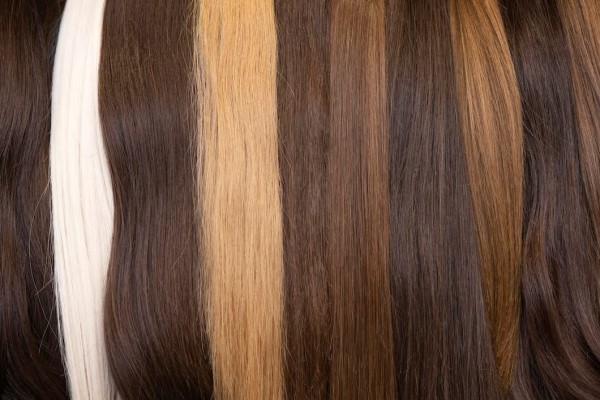
The allure of cascading, voluminous locks has led many to turn to the convenience of hair extensions. However, one lingering question remains: do hair extensions cause hair loss? As we delve into this complex issue, it’s important to separate fact from fiction and uncover the potential risks associated with this popular hair enhancement technique.
At first glance, the promise of instant length and fullness seems irresistible. But do hair extensions cause hair loss? If the follicles are damaged, hair can become thin, break, or even stop growing, leaving unsightly bald patches. Let’s talk more about this next.
Do hair extensions cause hair loss?

Hair extensions generally do not cause permanent hair loss when applied and maintained correctly. However, hair extensions cause hair loss due to improper application or excessive tightness. They can lead to traction alopecia, a type of hair loss caused by tension on the hair follicles. Over time, this tension can damage the hair and scalp, resulting in thinning or breakage.
Excessive use of extensions, especially heavy ones, or when applied too often, can weaken natural hair. To avoid damage, choose high-quality extensions, allow the hair to rest between applications, and ensure proper installation and removal. Regular scalp care and gentle handling of extensions further minimize the risk of hair loss.
Types of hair extension and application techniques
Although hair extensions cause hair loss, several popular techniques for applying them offer different benefits depending on hair type, lifestyle, and desired results. Before, there are the most common methods.

Tape-in extensions
Tape-in extensions involve bonding thin strips of hair extensions to natural hair with a special adhesive tape. This technique is popular for its natural look, as the extensions lay flat against the scalp.
They are semi-permanent, usually lasting 6-8 weeks before needing reapplication. Tape-in extensions are lightweight and gentle on the natural hair when applied correctly.
Clip-in extensions
Clip-in extensions are temporary and easy to apply. They consist of wefts of hair with small clips sewn into them, which are clipped onto natural hair close to the roots.
Clip-ins are perfect for adding volume or length for special occasions and can be easily removed at the end of the day. They do not require a professional application, but care should be taken to avoid tension on the natural hair.
Fusion (Keratin) extensions
Fusion extensions use a keratin adhesive to bond individual strands of extension hair to the natural hair. This method requires a heat tool to melt the keratin and create a secure bond.
Fusion extensions are durable and can last 3-6 months. Still, the application process is time-consuming and can cause damage if not done properly.
Micro-link (bead) extensions

Micro-link extensions use small beads to attach the extensions to natural hair. The beads are threaded through small sections of natural hair and clamped to hold the extension in place without the use of heat or glue.
This method is popular for its flexibility and ease of removal, and the extensions can last 2-4 months with proper care.
Halo extensions
Halo extensions involve a wire placed around the head like a halo, with the extensions attached to it. This method is non-invasive, requiring no heat or glue.
It is easily adjustable and is ideal for adding volume and length for a temporary style. Halo extensions can be a quick solution for special occasions or occasional use.
Sew-in (weave) extensions
Sew-in extensions are commonly used for thicker or coarser hair. The method involves braiding the natural hair into cornrows and then sewing the extensions onto the braids using a needle and thread.
This technique provides a secure, long-lasting style that can stay in for up to 8 weeks. It is ideal for individuals with thicker hair but may cause tension on the scalp if applied too tightly.

Each technique has its advantages and is suited to different hair types and lifestyles. Choosing the right method depends on factors like hair texture, desired outcome, and maintenance preferences. It’s crucial to have a professional in applying extensions to avoid damage and ensure the best results.
Tips to maintain your hair extensions: Step-by-step
Proper maintenance and care of hair extensions are crucial to preserving both the extensions and natural hair’s health. Failure to follow recommended care routines for hair extensions causes hair loss. Following these tips will help your hair not to weaken the hair shaft and contribute to breakage.
1. Washing

Wash your hair extensions with a sulfate-free shampoo to avoid stripping natural oils. When washing, use lukewarm water and avoid rubbing or twisting the extensions. Gently work the shampoo through the hair, focusing on the roots and avoiding the bond or tape areas to prevent loosening.
2. Conditioning
Use a moisturizing conditioner to keep the extensions soft and hydrated. Apply conditioner from mid-length to the ends, avoiding the roots and any bonded areas. Leave-in conditioners can also be helpful for added moisture and protection.
3. Drying
Avoid rubbing your extensions with a towel. Instead, gently pat them dry. Let them air-dry whenever possible for tape-ins, clip-ins, or sew-ins to minimize heat damage. If you must use a blow dryer, set it to a low heat setting. Always use a heat protectant before styling with any hot tools.
4. Brushing
Use a wide-tooth comb or a special extension brush to detangle your hair. Start from the tips and work your way up to the roots, gently detangling to avoid pulling on the extensions. Brushing is crucial to prevent knots and tangles, especially with longer extensions. For clip-ins, make sure to remove them before brushing.
5. Avoiding heat damage
Minimize the use of heat tools, such as straighteners and curling irons, on your extensions. If heat styling is necessary, always apply a heat protectant. High temperatures can weaken the extensions over time, causing them to lose their texture and shine.
6. Regular maintenance

For sew-in or tape-in extensions, schedule regular visits to your stylist for touch-ups. Tape-ins typically need to be moved up every 6-8 weeks, while sew-ins should be redone every 6-8 weeks. This ensures that the extensions stay securely in place and look natural.
7. Avoiding product buildup
Over time, hair products can build up on extensions, leading to dullness and tangles. Use clarifying shampoo occasionally to remove buildup, but not too often, as it can dry out both your natural hair and extensions.
8. Sleeping
To avoid tangling or breakage, always tie your hair up loosely before going to bed. Use a silk or satin pillowcase to reduce friction, or wrap your hair in a silk scarf to protect the extensions overnight.
9. Hydration

Hair extensions, especially those made from synthetic materials, often become dry and brittle over time. To maintain their luster and flexibility, hydrate them regularly. Use a nourishing leave-in conditioner or rich oils.
Apply the product generously and focus on the ends where dryness is most common. This routine helps retain their shine and prevents split ends, keeping your extensions vibrant and healthy.
How to treat hair loss caused by hair extensions

Hair loss caused by hair extensions is often due to tension on the scalp or damage to the natural hair. Here are some tips for treating and preventing further hair loss:
- Remove extensions carefully: Avoid pulling or tugging when removing extensions. If possible, consult a professional stylist to ensure they are removed without causing additional stress to the hair.
- Give your hair a break: Allow your hair and scalp time to recover by avoiding extensions for several months. This rest period helps hair follicles heal and prevents further damage.
- Nourish the scalp: Use gentle shampoos and conditioners that promote scalp health. Massaging the scalp can increase circulation, helping hair grow back stronger.
- Strengthen hair: Apply hair growth serums or oils that contain ingredients like biotin, castor oil, or caffeine. These can help nourish the hair and stimulate growth.
- Avoid heat and chemical styling: Minimize the use of heat styling tools and harsh chemicals. These can further weaken the hair and slow down recovery.
- Consult a dermatologist: If the hair loss is severe or persistent, seek advice from a dermatologist or a trichologist. They can provide tailored treatments such as PRP treatment, medications, or other solutions.
By following these steps, you can promote the regrowth of healing
Faq’s
Can hair extensions cause hair loss?
Yes, hair extensions can lead to hair loss if they are too tight, improperly applied, or left in for long periods. The added weight and tension can strain the natural hair and follicles, causing breakage or thinning.
What type of hair extensions cause more damage?
Tape-in or clip-in extensions tend to be gentler than other types, as they put less stress on the hair. However, proper application and care are essential to avoid damage. Methods like glue-in extensions or weaves that involve significant tension or heat can cause more harm than tape-in or clip-in extensions.
Is hair loss from extensions permanent?
Hair loss caused by extensions is often temporary if the damage is addressed early. However, if the tension on the scalp is prolonged, it could lead to permanent damage to the hair follicles.
Conclusion
Hair extensions can provide an easy way to achieve longer and fuller hair, but they come with some risks if not applied and maintained properly. However, improper application, excessive tension, or prolonged use of extensions cause hair loss, especially in the form of traction alopecia. To reduce these risks, it’s important to choose high-quality extensions, allow your hair to have breaks between applications, and follow proper care routines. Additionally, if you experience hair loss, timely interventions such as gentle removal, scalp nourishment, and consulting a professional can help promote healing and restore hair health.


Responsable – CAPIL SOLUTIONS. S.L
*Términos y condiciones
Finalidad – Dar respuesta a las solicitudes de información, y poder enviarle nuestras publicaciones, promociones de productos y/o servicios, gestionar los comentarios en el blog
Derechos Arco - Acceder, rectificar y suprimir los datos, así como otros derechos, como se explica en la información adicional.
info@capilclinic.us
Legitimación – Consentimiento
Destinatarios – No se cederán datos a terceros salvo obligación legal
Política de privacidad – Puede consultar nuestra política de privacidad aquí
*Política de privacidad