

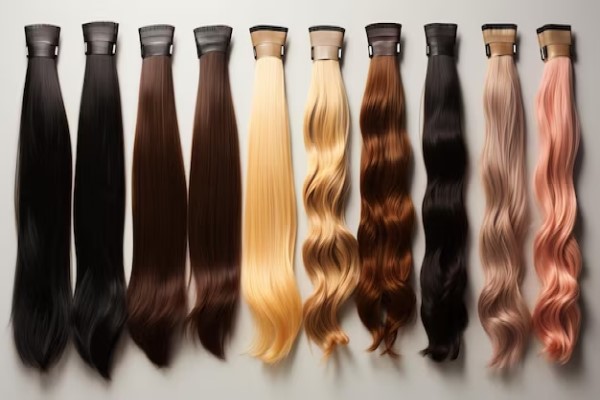
People facing hair loss often seek innovative solutions to restore normalcy and enhance their appearance. Among these options, hair extensions for hair loss have become a versatile and practical choice for addressing hair loss concerns. They effectively add volume and length to thinning hair, helping restore aesthetic satisfaction and boost self-confidence.
Exploring the available options can help individuals make informed decisions about regaining their desired looks and self-esteem. Whether looking for a temporary enhancement or a more permanent solution, hair extensions for hair loss offer a variety of possibilities that meet different preferences and needs.
How are hair extensions for hair loss created?

Types of hair extensions for hair loss
The beauty industry has evolved to provide innovative solutions, with hair extensions for hair loss emerging as one of the most promising options for people with baldness conditions. Once mainly associated with fashion trends and style experimentation, hair extensions have become a transformative tool for addressing hair thinning and baldness.
Designed to help individuals achieve the desired volume, length, and thickness, hair extensions effectively conceal thinning areas or bald patches. They offer a nonsurgical, minimally invasive method of restoring a natural-looking head of hair and regaining the confidence that hair loss may have undermined. Several types of hair extensions cater specifically to hair loss concerns.
Clip-in hair extensions

Clip-in extensions are versatile, temporary hair solutions that users can easily apply and remove. Crafted from high-quality hair wefts, each extension has sturdy clips for secure placement. These extensions can be strategically placed in areas with thinning or baldness. They instantly enhance both volume and length, creating a more luxurious look.
These extensions are perfect for those seeking a rapid transformation. Whether for special occasions, a night out, or everyday wear, they offer a quick, enjoyable way to change your appearance. However, removing them before bedtime is crucial for longevity. Regular care and maintenance are also necessary to keep them looking their best.
Tape-in hair extensions

Sew-in or Weave hair extensions

Sew-in extensions are a popular technique for enhancing hair. This method begins by braiding natural hair into neat cornrows. Once the braids are secure, wefts, strips of hair stitched together, are sewn onto them. This method provides a strong foundation and ensures long-lasting results that can handle daily wear.
These extensions are especially beneficial for those with thicker hair. Such hair can easily support the added weight of the extensions without damage. However, a professional must perform the application process to achieve the best results and minimize tension on the natural hair. Moreover, regular maintenance is essential to keep the extensions and natural hair healthy and looking great.
Micro-link or micro-bead extensions

Micro-link extensions are a popular way to enhance natural hair. This method attaches small wefts of hair using tiny metal beads or rings. It stands out because it doesn’t require heat or adhesives, making it one of the gentlest options for hair extensions. One significant advantage is that it allows the hair to move freely, creating a natural look and feel.
These extensions can be easily adjusted as the natural hair grows, ensuring comfort and style. Micro-link extensions suit various hair textures, making them suitable for many people. Additionally, they are known for their durability, offering a long-lasting enhancement to hairstyles.
Fusion or bonded extensions

Fusion extensions are a popular method for enhancing hair. This technique uses specialized adhesive or heat to attach small strands of extensions to individual sections of natural hair. It is favored for creating a seamless, natural-looking effect, as the bonds blend effortlessly with the hair’s texture and color.
When applied by a professional, fusion extensions offer a long-lasting solution, often lasting for several months. However, having them removed by an expert is crucial to keep your natural hair healthy and undamaged throughout the process.
Wigs and hair toppers

Though not traditional hair extensions for hair loss, wigs, and hair toppers are valuable options for those experiencing significant hair loss. Wigs provide full coverage, seamlessly enveloping the head with a layer of hair. On the other hand, hair toppers are designed to conceal specific areas of thinning or balding.
Both options come in various styles, lengths, and materials, allowing people to customize their appearance. These solutions address hair loss and offer a chance to express personal style confidently. Whether aiming for a natural look or a bold transformation, wigs, and hair toppers provide versatile choices to help regain the desired look and feel.
How to care for hair extensions for hair loss: Step-by-step
Taking care of hair extensions for hair loss is essential to ensure their longevity and maintain the health of your natural hair. Before starting to talk about the care, it’s important to note that you should gently brush your hair extensions daily to prevent tangling and minimize stress on the hair follicles. Use a soft-bristled brush or a wide-tooth comb to avoid pulling on the extensions.
- When washing your hair extensions, use a sulfate-free shampoo and conditioner to keep them clean without stripping away natural oils. Be sure to wash your hair extensions gently, avoiding harsh scrubbing or rubbing that can cause damage. Rinse thoroughly to remove any residue and prevent product buildup.
- If you must use heat, always apply a heat protectant spray to minimize damage. Opt for low-heat settings and avoid excessive heat exposure to prevent hair from drying out. If possible, avoid using heat styling tools frequently to prevent breakage and maintain the strength of your hair extensions.
- Regularly moisturize your hair extensions with lightweight hair oil or serum to keep them hydrated and prevent frizz. Focus on the mid-lengths and ends of the extensions, as these areas tend to be more prone to dryness and damage. Avoid applying oils directly to the roots to prevent weighing down the hair.
- Use a dry shampoo between washes to refresh your hair extensions and absorb excess oils. This will help extend the time between washes and reduce the risk of overwashing, which can lead to dryness and breakage.
TIP: Use regularly a hair mask to moisturize your hair.
How often do you need to maintain hair extensions?
- Clip-in extensions can be removed daily and reapplied as needed. Maintenance is minimal since they aren’t worn continuously; it primarily involves cleaning and detangling.
- Tape-in: These typically need reapplication every 6 to 8 weeks. The tape can lift as your natural hair grows, so regular maintenance is essential to avoid tangling and discomfort.
- Sew-in or Weave: Maintenance is needed every 6 to 8 weeks as the natural hair grows. Check for loose threads or tension on the scalp and re-tighten or reposition the extensions as necessary.
- Micro-link or Micro-bead extensions: They should also be maintained every 6 to 8 weeks. Over time, the beads may shift or loosen, so professional tightening and repositioning are required.
- Fusion or Bonded Extensions: Fusion extensions generally need maintenance every 3 to 4 months. The bonds may break or loosen with time, requiring a reapplication or re-bonding session.
- Wigs and Hair toppers: Wigs and hair toppers don’t need maintenance as often, but they should be cleaned every 2 to 3 weeks. Regular care includes detangling and ensuring the fit is secure. Wigs may also need periodic adjustments or re-styling.
Faq’s
How do I choose the right hair extensions for my hair loss?
The right extensions depend on the degree of hair loss and your personal preferences. It’s best to consult a hair specialist to select extensions that match your hair texture, color, and density. Options like clip-in or tape-in extensions are often recommended for light to moderate hair loss, while more permanent solutions may be suitable for severe cases.
Can hair extensions damage existing hair?
If applied and maintained correctly, hair extensions should not damage natural hair. However, improper installation or excessive tension on the scalp can cause stress and lead to hair breakage. Therefore, choosing a reputable salon and following proper care instructions is essential.
Can I color or style hair extensions?
Yes, most high-quality hair extensions made from Remy human hair can be colored, curled, straightened, and styled just like your natural hair. However, avoiding excessive heat or chemical treatments is crucial, as they can shorten their lifespan.
Conclusion
Hair extensions for hair loss offer a versatile and effective solution for individuals seeking to restore their hair’s volume, length, and thickness. With various types of extensions available, including clip-ins, tape-ins, and sew-ins, individuals can choose the method that best suits their needs and lifestyle. These extensions enhance appearance and provide a non-invasive option for boosting confidence and self-esteem. Proper care and regular maintenance are essential to ensure the extensions’ longevity and maintain natural hair’s health.


Responsable – CAPIL SOLUTIONS. S.L
*Términos y condiciones
Finalidad – Dar respuesta a las solicitudes de información, y poder enviarle nuestras publicaciones, promociones de productos y/o servicios, gestionar los comentarios en el blog
Derechos Arco - Acceder, rectificar y suprimir los datos, así como otros derechos, como se explica en la información adicional.
info@capilclinic.us
Legitimación – Consentimiento
Destinatarios – No se cederán datos a terceros salvo obligación legal
Política de privacidad – Puede consultar nuestra política de privacidad aquí
*Política de privacidad