

Hair Loss Caused by Covid is one of the many doubts that arise around this disease. Recent findings from experts in hair care, skin health, and media reports suggest that some individuals are experiencing hair loss as a consequence of contracting COVID. The potent virus is capable of causing harm throughout the entire body.
It is established that COVID has the potential to impact not only the skin and intestines but also the hair, leading to significant hair loss. This occurs as the immune system combats the illness or due to heightened stress and pressure. Consequently, the hair may lack essential vitamins and minerals, contributing to its loss. Alongside recovering from COVID, many individuals have been subjected to immense psychological stress during the pandemic, resulting in feelings of dread, panic, and concern—factors that can further contribute to thinning hair.
The International Association of Trichologists has identified two distinct categories of COVID-related hair loss: alopecia areata and diffuse hair loss, both of which are widespread. If you are experiencing any of these conditions, you may feel fatigued, emotionally strained due to the pandemic, and distressed by COVID-induced hair loss. Immediate medical attention is advised for those experiencing such conditions.
What Causes Hair Loss?
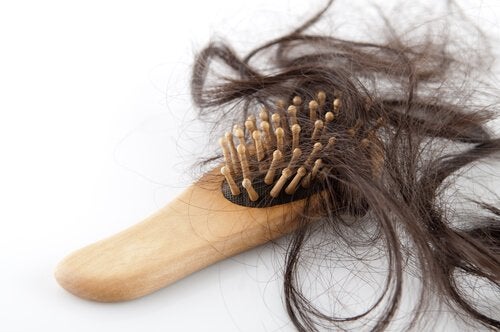
On the flip side, there exists another condition termed telogen effluvium, commonly known as hair loss, with diverse triggers such as infection, trauma, shock, or medication. The onset typically occurs between two to four months after the triggering event, and certain areas of the scalp may undergo more pronounced hair loss. This distressing situation impacts individuals of both genders equally.
The manifestation of hair loss linked to Covid varies from person to person. Some individuals have faced significant hair loss as a consequence of Covid, while others have observed a general impact on their hair health. This results in thinner strands that are more susceptible to breakage. Both scenarios have the potential to be disconcerting. It’s important to note that while supplements cannot cure Covid-related hair loss, they may assist in managing the associated symptoms.
Is It Possible That The Vaccine Could Lead Hair Loss Caused by Covid?
One of the common signs of COVID-19 is an elevated body temperature. After recovering from illness or a fever, many individuals may notice significant hair shedding. Rather than calling it hair loss, it’s more accurately described as hair shedding. This occurs when a larger number of hairs simultaneously enter the telogen phase, a stage in the hair growth cycle where shedding takes place. A heightened temperature or illness can trigger more hairs to go through this shedding phase. This specific type of hair shedding is known as telogen effluvium.
While there have been limited cases linking alopecia areata to the COVID-19 vaccine, such occurrences are rare. It’s essential to note that the substantial benefits of getting vaccinated against COVID-19 far outweigh any potential risks, including the uncommon occurrence of hair shedding.
How Long Will The Process Of Hair Loss Caused By Covid Take?
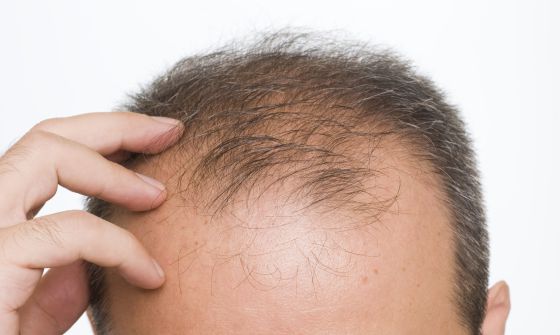
As per research findings, a predominant number of individuals experiencing hair shedding after recovering from COVID-19 witness a natural resolution within a span of 2 to 6 months. This noteworthy duration, however, presents a potential challenge as the prolonged experience of hair loss can contribute to heightened emotional distress. The accumulation of such emotional strain may, in turn, exacerbate the issue, leading to more pronounced and prolonged hair shedding—an outcome one would undoubtedly wish to avoid.
Beyond the physiological aspect, the way individuals choose to style their hair holds substantial cultural significance. Hair serves as a defining element of our collective identity and significantly influences how we are perceived by others. Consequently, the onset of hair loss, especially when it occurs for the first time, becomes more than a physical concern—it transforms into an emotionally distressing and disconcerting experience. The psychological impact of witnessing one’s hair diminish can extend beyond the physical realm, affecting an individual’s sense of self and societal identity.
How Can You Prevent Hair Loss Caused By Covid That’s Triggered By Stress?
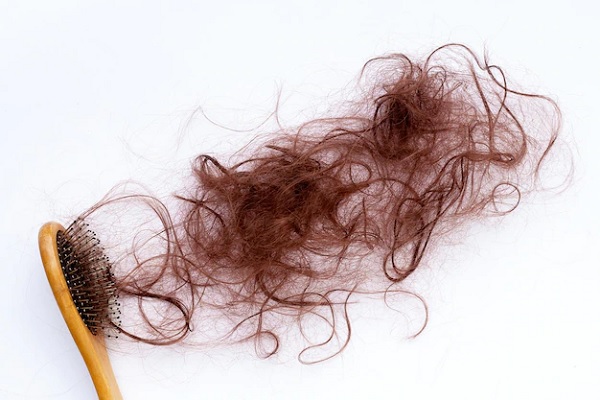
Should your hair loss stem from factors like fever, illness, or stress, the usual outcome involves a spontaneous return to its original state after addressing the root cause. Patience is crucial during this process, as visible signs of regrowth often manifest as short hairs along the hairline. A significant recovery in hair thickness typically occurs within a span of 6 to 9 months. If facing a challenging period, such as dealing with a COVID-19 infection, proactive measures can be taken to mitigate hair loss. These may encompass:
Guidelines for Addressing Hair Loss Related to Covid-19
Prioritize a Well-Balanced Diet
Ensure your hair receives essential nutrients by maintaining a healthy diet rich in proteins, vitamins, and minerals. It’s crucial to incorporate an adequate amount of the following elements either through your food choices or supplements: Proteins, vitamin D, iron, vitamin C, folic acid, zinc, and vitamin B12.
Implement Effective Stress Management Techniques
Coping with stress can be challenging due to its diverse physical and emotional effects. Consider incorporating the following detailed strategies into your routine to reduce stress levels:
Engage in Regular Exercise
Engaging in consistent physical activity serves as a multifaceted approach to stress reduction and overall health enhancement. Consider integrating a variety of exercises into your routine, such as jogging, yoga, or even a leisurely daily walk. These activities not only contribute to physical fitness but also play a pivotal role in mental well-being.
Practice Mindfulness
Delve into the realm of mindfulness and meditation to cultivate a calm and centered mind. Explore guided meditation sessions, practice deep breathing exercises, or leverage mindfulness apps that cater to your preferences. By incorporating these practices into your daily routine, you can significantly reduce stress and enhance your mental resilience.
Cultivate Positive Relationships
Foster and maintain positive connections with friends and family members. Establish a supportive environment where you can openly share your thoughts and feelings. Cultivating healthy relationships contributes significantly to emotional well-being, providing a network of support during challenging times.
Ensure Quality Sleep
Recognize the importance of quality sleep in maintaining overall well-being. Strive for seven to eight hours of restful sleep each night. Establish a calming bedtime routine, limit screen time before sleep, and create a comfortable sleeping environment conducive to uninterrupted rest. Quality sleep plays a vital role in stress management and promotes physical and mental rejuvenation.
Consult with Healthcare Professionals
When exploring stress management strategies, consult with your primary healthcare provider or a qualified therapist. Discuss your specific needs and circumstances to receive personalized advice and support. Healthcare professionals can guide you through alternative stress management approaches, ensuring a tailored and effective plan to address your unique situation.
Take Diligent Care of Your Hair
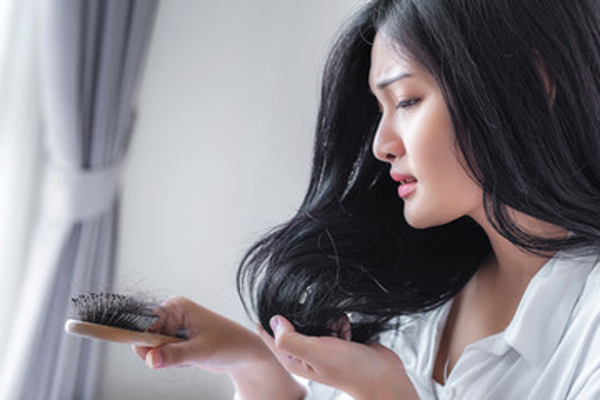
In addition to addressing nutritional and stress-related factors, ensure proper hair care by adopting good hygiene practices, using suitable hair products, and seeking advice from a dermatologist if necessary.
Taking good care of your hair is a crucial aspect of maintaining its health. Here are some detailed guidelines to consider:
Hairstyles
It’s advisable to avoid hairstyles like tightly pulled ponytails and braids. These can exert excessive pressure on the hair, leading to breakage over time. Opt for looser styles to reduce stress on your hair strands.
Heat and Treatments
Shield your hair from extreme heat and harsh chemical treatments. These can damage the hair shaft and lead to brittleness. Use heat protection products and be mindful of the frequency of treatments to maintain the natural strength of your hair.
Patience in Hair Growth
Understand that hair has a natural growth cycle, and regrowth takes time. Despite any setbacks, remain patient and avoid undue stress, as it can contribute to further hair issues. Give your hair the time it needs to recover and rejuvenate.
Doctor’s Visit for Thinning Hair
Wondering when to seek medical advice for thinning hair? If you’ve been experiencing hair loss for more than six months, or if additional symptoms like itching, patches, or irritations accompany it, consult a healthcare professional. Diagnostic tests may be necessary to identify potential causes such as hormonal imbalances, autoimmune conditions, or nutritional deficiencies. Therapy options can also be explored to address the underlying issues during the regrowth period.
Is Covid 19 Hair Loss Permanent?
Generally, the hair loss associated with COVID-19, known as telogen effluvium, is temporary rather than permanent. Telogen effluvium is a condition where a significant number of hair follicles prematurely enter the resting phase (telogen) of the hair growth cycle, leading to increased shedding. In the case of COVID-19, the stress, illness, or other factors associated with the infection can trigger this temporary hair loss. As the body recovers and the underlying issues resolve, the affected hair follicles typically return to the active growth phase, and new hair begins to replace the shed strands.
It’s essential to note that the timeline for hair regrowth can vary from person to person. For most individuals experiencing COVID-19-related hair loss, regrowth occurs within a few months after recovery from the illness. If concerns about hair loss persist or if there are other contributing factors, consulting with a healthcare professional or a dermatologist can provide personalized guidance and potential treatment options.
Conclusion
It’s worth noting that COVID-19 has been identified as a contributing factor to telogen effluvium, a condition characterized by excessive hair shedding. Awareness of this connection is vital for individuals grappling with this specific type of hair loss.


Responsable – CAPIL SOLUTIONS. S.L
*Términos y condiciones
Finalidad – Dar respuesta a las solicitudes de información, y poder enviarle nuestras publicaciones, promociones de productos y/o servicios, gestionar los comentarios en el blog
Derechos Arco - Acceder, rectificar y suprimir los datos, así como otros derechos, como se explica en la información adicional.
info@capilclinic.us
Legitimación – Consentimiento
Destinatarios – No se cederán datos a terceros salvo obligación legal
Política de privacidad – Puede consultar nuestra política de privacidad aquí
*Política de privacidad