

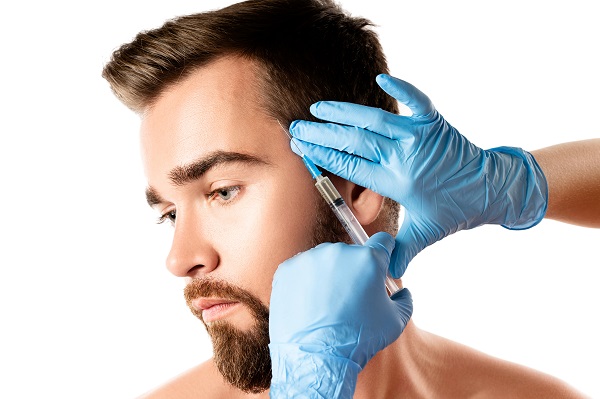
Hair mesotherapy is often promoted as a miracle for thinning hair — but does it really work? This treatment involves microinjections of vitamins, minerals, amino acids, and growth factors directly into the scalp to stimulate hair follicles and improve blood circulation. While the idea sounds promising, the real question lies in how effective it truly is according to scientific evidence. Over the years, numerous clinics have offered hair mesotherapy as a non-surgical solution for hair loss, claiming visible results within a few sessions. However, medical studies show that its success largely depends on the underlying cause of hair thinning, the formulation used, and the practitioner’s technique.
Rather than being a one-size-fits-all remedy, hair mesotherapy works best as a complementary treatment alongside clinically proven therapies such as minoxidil or PRP (Platelet-Rich Plasma). Patients often report improvements in hair texture, reduced shedding, and stronger strands, though complete regrowth is rare. Understanding what hair mesotherapy can and cannot achieve helps set realistic expectations. In this guide, we’ll explore real patient outcomes, scientific data, and the situations where mesotherapy genuinely makes a difference — separating fact from marketing hype.
What is Hair Mesotherapy and how does it work?
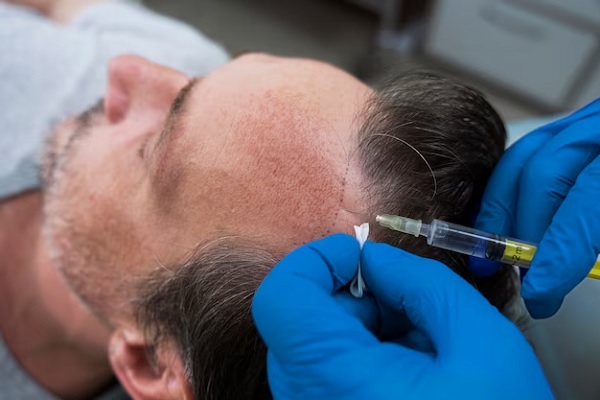
Hair mesotherapy is a minimally invasive treatment designed to nourish and revitalise the scalp at a cellular level. It works through a series of microinjections that deliver a customised cocktail of vitamins, amino acids, peptides, and trace elements directly into the mesoderm — the middle layer of the scalp skin where hair follicles are anchored. This targeted approach enhances microcirculation, boosts oxygen supply, and stimulates follicular metabolism, helping to slow down hair thinning and support healthier regrowth.
Unlike topical products that struggle to penetrate beyond the surface, mesotherapy ensures that essential nutrients reach the follicles precisely where they’re needed. Each session typically involves multiple small injections across the affected areas, using very fine needles to minimise discomfort. The active compounds work synergistically to strengthen the follicle’s structure, regulate oil production, and reduce scalp inflammation, all of which contribute to a more favourable environment for hair growth.
When compared to PRP (Platelet-Rich Plasma) therapy, hair mesotherapy is considered less invasive. PRP relies on plasma extracted from the patient’s own blood, rich in growth factors, while mesotherapy uses synthetic or bioactive solutions formulated to stimulate follicular activity. Both aim to rejuvenate the scalp, but mesotherapy offers greater flexibility in composition and is often chosen for maintenance or early-stage hair loss.
Real Results: Before and After cases
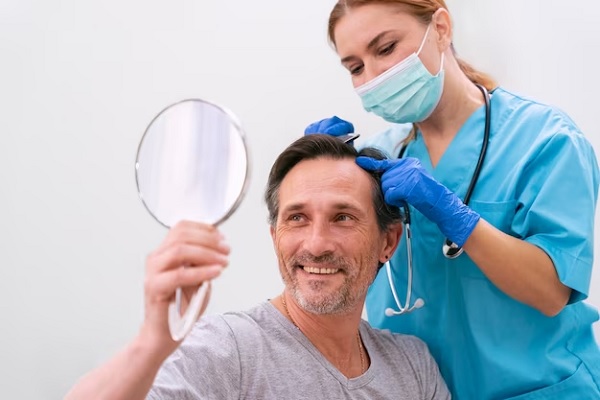
Clinical experience and published studies suggest that hair mesotherapy can produce visible improvements, but the results are gradual rather than instant. Most patients begin to notice changes after three to four sessions, typically spaced two to three weeks apart. The first signs include reduced hair shedding and a healthier scalp texture, followed later by thicker, stronger strands. However, substantial density gains usually require a full course of six to ten sessions, followed by maintenance treatments every few months.
According to a 2022 clinical review published in the Journal of Cosmetic Dermatology, patients with androgenetic alopecia — especially in the early stages — tend to respond best. This form of hair loss benefits from improved follicular nutrition and better microcirculation. Cases of telogen effluvium (stress or nutrient-related shedding) also show good recovery rates when combined with dietary and medical support.
Real-world case data from trichology clinics show that around 60–70% of patients report visible improvement in hair quality and density within three to six months. The outcome depends on individual factors such as hormone balance, scalp health, and adherence to aftercare. While mesotherapy does not restore completely bald areas, it can significantly slow hair loss progression and enhance the results of other treatments like PRP or minoxidil.
Hair Mesotherapy vs PRP: Which one works better?
Both hair mesotherapy and PRP (Platelet-Rich Plasma) aim to revitalise the scalp and stimulate hair growth, yet they work in distinct ways. Mesotherapy introduces a blend of nutrients, vitamins, and peptides through microinjections to nourish and reactivate hair follicles. PRP, on the other hand, uses the patient’s own blood plasma, rich in natural growth factors, to trigger cellular repair and regeneration.
While both treatments are minimally invasive and require little to no downtime, their mechanisms and outcomes vary. Mesotherapy focuses on improving the scalp’s environment by supplying essential compounds externally, while PRP relies on biological stimulation from the body’s own healing components. Patients with mild hair thinning or early signs of shedding often benefit more from mesotherapy, whereas those with early androgenetic alopecia tend to achieve better density improvement with PRP.

| Feature | Mesotherapy | PRP |
|---|---|---|
| Method | Nutrient-based microinjections | Platelet-rich plasma from patient’s blood |
| Best for | Mild thinning, scalp revitalisation | Early hair loss, androgenetic alopecia |
| Downtime | Minimal | Minimal |
| Evidence | Mixed clinical results | Moderate scientific support |
| Sessions required | 6–10 | 3–6 |
| Maintenance | Every 3–4 months | Every 6–12 months |
While both treatments aim to stimulate hair regrowth, PRP therapy often provides deeper regenerative effects thanks to the patient’s own plasma growth factors.
👉 Learn more about how PRP works and whether it’s the right option for you in our PRP hair treatment guide.
When hair mesotherapy doesn’t work
Hair mesotherapy can deliver noticeable improvements — but it’s not effective for everyone. Understanding its limitations is essential to set realistic expectations and avoid disappointment. This treatment works by stimulating existing hair follicles, so it cannot regenerate follicles that have already become inactive or scarred.
The main limitation lies in advanced alopecia, where the scalp has lost most of its viable follicles. In these cases, the injections have little to stimulate, and surgical options like hair transplantation may be the only effective solution. Similarly, untreated hormonal imbalances, such as thyroid disorders or high levels of DHT (dihydrotestosterone), can hinder any progress. Without addressing these underlying causes, even repeated mesotherapy sessions will yield minimal improvement.
Another common issue is unrealistic expectations. Mesotherapy does not create instant regrowth or transform severely thinned areas overnight. Its strength lies in slowing hair loss, improving texture, and supporting other medical treatments.
Experienced dermatologists stress that mesotherapy should be seen as part of a broader, evidence-based plan — not a miracle fix. By identifying the real cause of hair loss and combining the right medical approach, patients can achieve safer and more reliable long-term results.
Side effects and safety considerations
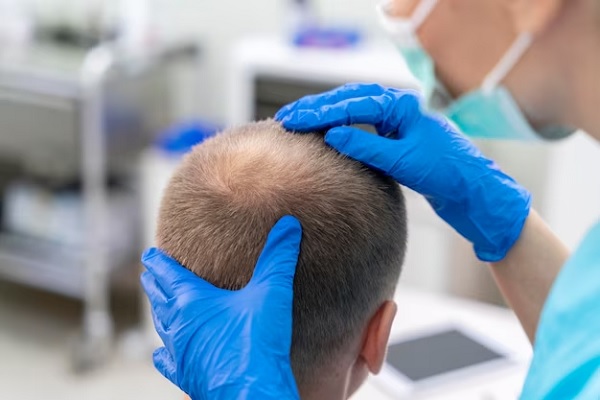
Hair mesotherapy is generally considered a safe and well-tolerated procedure when performed by qualified professionals. However, like any treatment involving injections, it can cause mild and temporary side effects. Patients often experience slight pain or discomfort during the session, followed by redness, swelling, or scalp sensitivity that typically subsides within a few hours. Small bruises or itching at the injection sites may also appear, though these reactions are harmless and short-lived.
To minimise side effects, practitioners use ultra-fine needles and apply soothing serums or cooling gels immediately after the procedure. Patients can further reduce discomfort by avoiding hair washing, intense sun exposure, or tight headwear for the first 24–48 hours. Keeping the scalp clean and hydrated supports faster recovery and enhances the treatment’s benefits.
Allergic reactions are rare, but they can occur if the injected formula contains ingredients the patient is sensitive to. This is why an initial consultation and patch test are essential before starting a mesotherapy plan.
When carried out in a sterile environment by an experienced specialist, hair mesotherapy is a low-risk treatment. Following professional aftercare advice helps ensure safety and maximises visible results over time.
Benefits of Hair Mesotherapy
Hair mesotherapy offers multiple benefits for those experiencing thinning hair or early hair loss. By delivering nutrients directly into the scalp, it tackles the root causes of weak follicles and supports the natural hair growth cycle. Unlike topical products or supplements, it ensures that essential vitamins, peptides, and amino acids reach the follicles effectively, improving hair quality and density without surgery.
- Stimulates hair growth: This treatment boosts blood flow and oxygen delivery to the scalp, reactivating dormant follicles and extending the hair’s growth phase. Patients usually see reduced shedding and fuller strands after a few sessions, as the formula promotes stronger and thicker regrowth.
- Strengthens hair: The combination of vitamins, minerals, and antioxidants reinforces each hair strand from within. It reduces breakage, prevents split ends, and increases resilience against daily damage caused by styling, pollution, or stress. The result is smoother, healthier-looking hair with more volume and shine.
- Improves scalp health: Mesotherapy helps balance the scalp by controlling oil production, reducing inflammation, and restoring hydration. It effectively addresses dandruff, dryness, and irritation, creating a cleaner, healthier environment for continued hair growth.
- Less invasive than surgery: Mesotherapy requires no cuts or stitches, only fine microinjections. Recovery is almost immediate, making it a convenient, low-risk option for people seeking visible improvement without undergoing a hair transplant.
Combined treatments and alternatives
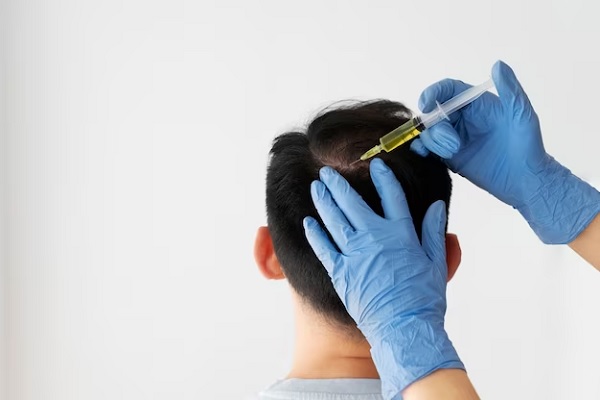
Hair mesotherapy often delivers the best results when combined with other evidence-based hair restoration methods. Dermatologists frequently recommend integrating it with PRP hair treatment to enhance follicular stimulation and prolong the effects of both therapies. PRP provides powerful natural growth factors that activate cellular repair, while mesotherapy supplies essential nutrients that improve scalp health and strengthen the hair shaft. Together, they create a more balanced environment for consistent regrowth and reduced shedding.
For patients with advanced alopecia or significant follicle loss, mesotherapy alone may not be sufficient. In these cases, it is often used as a supportive therapy before or after a hair transplant. When applied post-surgery, mesotherapy can improve graft survival, accelerate healing, and enhance overall hair density.
Some specialists also combine mesotherapy with low-level laser therapy, microneedling, or topical treatments such as minoxidil for a more comprehensive approach. These combinations target multiple aspects of hair loss — from scalp circulation and nutrient delivery to hormonal and cellular activity.
By viewing mesotherapy as part of a wider, medically guided treatment plan, patients can achieve more reliable and lasting results while ensuring each therapy complements the other effectively.
👉 Explore our best hair transplant in USA options to understand when surgical solutions make the most difference.
Faq’s
How long do hair mesotherapy results last?
Results from hair mesotherapy typically last between 12 and 18 months, depending on the individual’s scalp condition, age, and lifestyle. Maintenance sessions every few months help preserve thickness and prevent new shedding. Consistent aftercare, such as using mild shampoos and following a healthy diet, can extend the results even longer.
Is hair mesotherapy better than PRP?
Both treatments work well but serve different purposes. Mesotherapy delivers a customised mix of nutrients and vitamins to nourish the scalp, while PRP (Platelet-Rich Plasma) uses the patient’s own plasma rich in growth factors to stimulate natural repair. PRP generally has stronger clinical backing for hair regrowth, whereas mesotherapy is ideal for improving scalp health and treating mild thinning. Many experts recommend combining both for optimal results.
Can mesotherapy regrow hair permanently?
Mesotherapy cannot permanently regrow hair, as it doesn’t create new follicles. However, it can reactivate weak or dormant ones, leading to thicker and stronger hair. The effects last as long as the treatment is maintained and underlying causes — such as hormonal imbalance or nutrient deficiency — are managed properly.
How many sessions are needed for visible results?
Most people begin to see noticeable improvement after three to four sessions, with optimal results achieved after six to ten treatments. Each session is usually spaced two to three weeks apart, followed by maintenance every three to six months.
Is hair mesotherapy safe?
Yes. When performed by a qualified professional, hair mesotherapy is a safe and minimally invasive procedure. Mild redness or tenderness may appear temporarily, but serious side effects are rare. Choosing an experienced clinic ensures both safety and long-lasting results.
Conclusion
Hair mesotherapy can be an effective, minimally invasive option for people experiencing early hair thinning or mild alopecia. By delivering essential nutrients directly to the scalp, it strengthens existing follicles, improves scalp health, and enhances the effectiveness of other treatments like PRP or minoxidil. While it cannot permanently regrow hair or replace surgical options in advanced cases, it plays a valuable role in maintaining thickness and slowing further loss.
The key to achieving visible, lasting results lies in professional assessment, realistic expectations, and consistent follow-up sessions. When performed by an experienced specialist as part of a personalised hair restoration plan, mesotherapy offers a safe, evidence-based way to revitalise the scalp and restore confidence in your hair’s natural strength and vitality.


Responsable – CAPIL SOLUTIONS. S.L
*Términos y condiciones
Finalidad – Dar respuesta a las solicitudes de información, y poder enviarle nuestras publicaciones, promociones de productos y/o servicios, gestionar los comentarios en el blog
Derechos Arco - Acceder, rectificar y suprimir los datos, así como otros derechos, como se explica en la información adicional.
info@capilclinic.us
Legitimación – Consentimiento
Destinatarios – No se cederán datos a terceros salvo obligación legal
Política de privacidad – Puede consultar nuestra política de privacidad aquí
*Política de privacidad