


Hair plugs hair transplant procedures, once considered outdated and often met with scepticism, have evolved significantly in the world of hair restoration. Hair plugs for a hair transplant techniques have transformed dramatically, offering more natural-looking and permanent results for individuals suffering from hair loss. The evolution of this method has turned what was once a crude approach into a cutting-edge solution that restores both hair and self-confidence. With today’s innovations, it’s now possible to achieve realistic hair density and placement, changing the perception of hair restoration altogether. This article explores the complete transformation of hair plugs within modern hair transplant practices, highlighting their benefits, technological advancements, and overall success rates.
In addition, we will shed light on related financial considerations, including hair transplant expenses and the popular 5000 grafts hair transplant cost Turkey, helping readers make informed choices. Whether you’re researching out of curiosity or seriously considering the procedure, this guide aims to provide trusted insights into the field.
By the end, you’ll have a thorough understanding of how does a hair transplant work and hair plugs hair transplant solutions and the advancements that make them a reliable choice today. From historical context to modern application, this comprehensive overview equips you with the knowledge needed to navigate your options confidently and clearly. Let’s uncover how innovation has turned an outdated method into one of the most effective tools in the hair restoration industry.
What are hair plugs?

Hair plugs hair transplant refers to an older form of hair restoration surgery that has been practised for decades. In this procedure, small, round grafts—each containing several hairs—are removed from the back of the scalp and then transplanted to balding areas. This method was once the go-to solution for hair loss, but today it has taken a backseat to more modern approaches like FUT (Follicular Unit Transplantation) and FUE (Follicular Unit Extraction).
The main difference between these techniques lies in how the donor hair is harvested and implanted. Hair plugs hair transplant may be considered outdated, but they still offer certain advantages that appeal to specific patients. For example, the procedure is often completed in a single day, making it convenient. It’s also more affordable than many current alternatives, which can be attractive for those with budget constraints.
Another benefit is its suitability for individuals with limited donor hair, as the method doesn’t require as much hair to be harvested compared to other options. While newer procedures often deliver more natural-looking results, hair plugs still play a role in the broader conversation around surgical hair restoration.
How do hair plugs work?
Hair plugs hair transplant procedures are commonly performed using a method known as punch grafting. This surgical approach involves extracting small, circular sections of scalp tissue from a donor area using a precision punch tool. Hair plugs hair transplant techniques have evolved over the years, but punch grafting remains a foundational method in restoring hair where thinning or balding has occurred.
The surgeon then places these grafts into the recipient area, typically using a similar punch tool to ensure proper fit and alignment. How does a hair transplant work is a question often asked by those exploring solutions to hair loss. Understanding this process helps patients set realistic expectations and achieve optimal outcomes.
The number and size of the plugs used depend on the degree of hair loss and the specific region of the scalp being treated. Surgeons evaluate each case individually to determine the ideal spacing and plug count required for natural-looking coverage. Hair plugs are usually positioned 1 to 2 centimetres apart to promote healthy growth while maintaining the integrity of surrounding hair follicles. This spacing helps replicate the natural density of hair, leading to more aesthetically pleasing results.
History of hair plugs in hair transplant

The history of hair plugs in hair transplant is a compelling journey of medical progress, persistent trial and error, and increasing sophistication. From crude beginnings to today’s state-of-the-art techniques, this evolution reflects both technological innovation and patient demand for natural-looking results. Hair plugs hair transplant methods were once standard practice, but they have since been replaced by more refined and effective procedures.
1- Early experiments (19th century)
Hair restoration as a concept began in the early 19th century, when pioneers in the medical field began testing ways to move hair from one area to another. These initial techniques were experimental and far from refined. They often involved surgical approaches that lacked precision and yielded poor aesthetic results. Still, they laid the groundwork for future development in the field of hair transplantation. Surgeons of the era were inspired by early theories of donor dominance, though practical results lagged behind the theory.
The earliest hair plugs hair transplant procedures were driven by curiosity rather than cosmetic demand. At the time, no standard approach existed, and results were inconsistent at best. These early efforts were more theoretical than practical, but they created a foundation upon which more advanced techniques could later build.
2- The emergence of hair plugs (1950s)
A major breakthrough came in the 1950s with Dr. Norman Orentreich, who introduced the “punch graft” technique. His revolutionary approach involved removing round plugs of hair-bearing skin and implanting them into bald areas. This was based on his theory that donor hair from the back and sides of the head was genetically resistant to balding. The results demonstrated that transplanted hair could continue to grow even in bald areas, confirming the principle of donor dominance.
Hair plugs hair transplant procedures became the standard during this time, offering hope to many suffering from pattern baldness. While the concept was effective in regrowing hair, the large size of the plugs often resulted in unnatural, patchy outcomes. Still, this was a pivotal moment that shifted hair transplantation from theory into a viable treatment option.
3- Doll’s hair era (1960s-1980s)
Between the 1960s and 1980s, hair plug procedures gained widespread popularity. Unfortunately, their limitations also became more obvious. The use of large grafts—typically containing 20 to 30 hairs—resulted in uneven spacing and a “doll’s hair” look. Patients frequently ended up with hair that looked artificial and clumpy, leading to dissatisfaction and stigma.
This era in hair plug hair transplant history was marked by criticism from both patients and medical professionals. Despite the drawbacks, it was a learning phase that highlighted the importance of natural hairline design and realistic density. Many people today still seek corrective procedures for transplants performed during this time, contributing to increased hair transplant expenses and the demand for modern techniques.
4- Transition to Mini-Micrografts (1990s)

The 1990s marked a turning point in hair transplantation. Surgeons began shifting away from large punch grafts and started using mini and micrografts. These smaller grafts contained one to four hairs, which allowed for a more precise, natural look. The introduction of Follicular Unit Transplantation (FUT) enabled the use of naturally occurring groupings of hairs, improving both the aesthetic and technical success of the procedure.
This evolution addressed many of the criticisms from previous decades. Hair plugs hair transplant techniques became obsolete, replaced by procedures that offered better integration with existing hair and more consistent results. As a result, FUT became the new industry standard, reducing visible scarring and achieving better density and growth patterns.
5- Follicular Unit Extraction (FUE) Revolution (2000s-Present)
In the early 2000s, a new method emerged that would transform hair restoration forever: Follicular Unit Extraction (FUE). Unlike FUT, which required removing a strip of scalp, FUE involves extracting individual hair follicles directly from the donor area using tiny punches. This method dramatically reduced scarring and recovery time while producing more natural results.
FUE replaced the traditional hair plugs hair transplant method entirely and is now considered the most advanced option available. Hair transplantation clinics offering the best hair transplant London services now rely almost exclusively on FUE. Patients benefit from minimal downtime, virtually invisible scars, and precise hair placement tailored to individual needs.
6- Continual Advancements
The field of hair transplantation hasn’t stopped evolving. In recent years, the integration of robotics, AI, and more refined surgical tools has enhanced the precision of FUE procedures. Robotic systems can now assist surgeons in follicle extraction and implantation, making treatments faster and more accurate.
The legacy of hair plugs hair transplant methods has inspired today’s innovations. As patient expectations rise and technology advances, techniques will continue to improve. With growing access to premium clinics and clearer information, more people than ever are exploring these options to restore their hair—and their confidence.
Techniques of hair plugs in hair transplant
Hair plugs, also known as punch grafts, were one of the earliest techniques used in hair transplant procedures. However, they have largely been replaced by more refined and natural-looking methods like FUT and FUE due to the superior results they offer. Nonetheless, understanding the techniques involved in hair plugs can provide insight into the historical development of hair transplantation. Here are the key techniques involved in hair plugs:
1- Donor area selection
Hair plugs were traditionally harvested from areas of the scalp most resistant to hair loss, such as the back or sides. These regions, called “donor sites,” contain follicles unaffected by dihydrotestosterone (DHT), the hormone responsible for most male-pattern baldness. Because of this genetic resilience, the donor hair had a higher chance of long-term survival after transplantation.
Modern hair transplant techniques still rely heavily on this donor zone concept, though extraction tools and precision methods have significantly evolved. The success of hair plugs often depended on the quality of hair in the donor area, as thick and healthy hair could somewhat compensate for the unnatural grouping of plugs.
2- Punch grafting
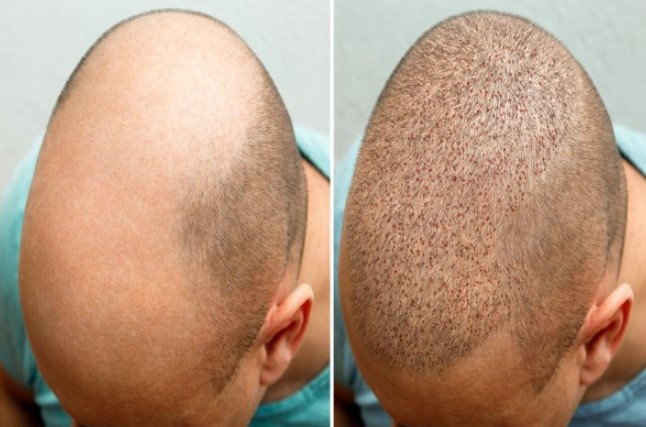
Punch grafting was the core method in early hair plugs. Surgeons used a circular blade or “punch” to extract plugs of hair-bearing tissue, typically around 3–4 mm in diameter. Each of these plugs contained approximately 10–20 follicles. The punch tool cut deep into the scalp to remove full-thickness grafts, which were then prepared for placement. Although it was effective in transferring hair, the result often lacked a natural aesthetic.
Today, techniques like FUE use much smaller tools, allowing the transplantation of individual follicular units rather than large plugs. This evolution drastically improved the appearance of the transplanted area. Patients comparing options today—especially those researching 5000 grafts hair transplant cost Turkey—often find punch grafting outdated but historically relevant.
3- Recipient site preparation
Once the punch grafts were harvested, surgeons would create small slits or holes in the balding area to insert the plugs. These recipient sites were made using a scalpel or needle and arranged according to a rough pattern. The planning of this phase was critical, as it determined the final hairline and density.
However, because the tools were less precise and the plugs larger, the end result could appear patchy or artificial. With today’s tools, surgeons use ultra-fine blades to replicate the natural angle, direction, and density of native hair, which is a key reason newer methods outperform traditional plugs in terms of visual results.
4- Implantation
Once the punch grafts were harvested, surgeons would create small slits or holes in the balding area to insert the plugs. These recipient sites were made using a scalpel or needle and arranged according to a rough pattern. The planning of this phase was critical, as it determined the final hairline and density.
However, because the tools were less precise and the plugs larger, the end result could appear patchy or artificial. With today’s tools, surgeons use ultra-fine blades to replicate the natural angle, direction, and density of native hair, which is a key reason newer methods outperform traditional plugs in terms of visual results.
5- Suture closure
The harvested punch grafts were then manually placed into the prepared recipient sites. Because of their size, these circular grafts often created a doll-like, tufted appearance. They were sometimes spaced inconsistently, leading to a grid-like or “cornrow” effect, which made the transplant noticeably artificial.
This unnatural look is one of the main reasons why hair plugs are no longer commonly used. In contrast, modern implants using FUE or FUT techniques allow seamless blending with the surrounding hair.
6- Postoperative care
After removing the plugs from the donor site, surgeons would suture the area closed. This often left a noticeable linear scar, especially in patients who wore their hair short. Scarring could also stretch over time, affecting aesthetics. Patients who underwent multiple sessions sometimes had several scars on the scalp, leading to discomfort or insecurity.
Today, especially with the introduction of FUE, many procedures avoid sutures altogether. FUE allows for extraction without visible scarring, making it a preferred choice for patients who want flexibility in hairstyles post-transplant.
7- Healing and growth
Hair from the plugs would eventually begin to grow in the new area, usually within several months. However, due to the size and arrangement of the plugs, the regrowth often looked uneven. The hair might grow in tufts or clusters, separated by empty spaces that highlighted the artificial nature of the procedure.
The grid-like pattern of plug growth remains one of the most recognisable signs of early hair transplant attempts. Thankfully, advances in follicular unit transplantation and extraction have made it possible to revise these results, giving patients the option to correct or refine older hair plug work. For many individuals, the affordable and modern treatments available today—such as those in Turkey—offer an opportunity to refresh outdated procedures and achieve more natural-looking results.
How is the recovery from hair plug surgery?
After hair plug surgery, patients will need to wear a bandage on their scalp for several days. The scalp will be sore and swollen for a few weeks, and patients may experience some bleeding and scabbing. Most patients are able to return to work and other activities within a week or two of surgery.
The transplanted hair will begin to shed within a few weeks of surgery. This is a normal part of the healing process, and the hair will eventually grow back in. Most patients will see noticeable results within six months to a year after surgery.
What are the benefits of hair plugs in hair transplant?
Hair plugs, also known as punch grafts, were one of the earliest methods used in hair transplant procedures. While this technique has largely been replaced by more advanced methods like Follicular Unit Transplantation (FUT) and Follicular Unit Extraction (FUE), it’s essential to understand that hair plugs did offer certain benefits, especially in the early stages of hair transplantation. Here are some of the advantages of hair plugs:
1- Historical significance
Hair plugs represent a major milestone in the history of hair restoration. They were some of the earliest surgical attempts to treat hair loss. This pioneering method laid the foundation for developing more advanced and effective hair transplant techniques over time. Understanding hair plugs hair transplant is essential to appreciating how far modern hair restoration has come.
2- Limited donor area
Hair plugs were especially suitable for people with a limited donor hair supply. The technique involved extracting larger grafts from the donor area, which helped cover more scalp with fewer grafts. This was particularly beneficial for patients experiencing extensive hair loss who needed maximum coverage from minimal donor hair.
3- Cost-effective
At the time, hair plugs were often a more affordable solution for those seeking hair restoration. The use of larger grafts meant fewer sessions were required to achieve satisfactory hair density and coverage. This made hair plugs a practical choice for many patients on a budget.
4- Shorter surgery time
Procedures involving hair plugs generally took less time than newer methods like FUT (Follicular Unit Transplantation) and FUE (Follicular Unit Extraction). This was because fewer grafts were implanted, and the process was less intricate.
As a result, patients could complete their surgeries more quickly. However, these advantages were frequently outweighed by several significant drawbacks associated with hair plugs:
5- Unnatural appearance
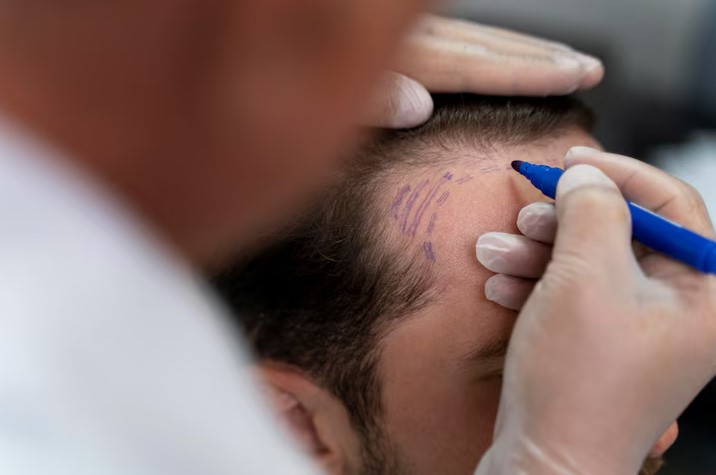
Hair plugs became infamous for creating an unnatural “doll’s hair” look. This effect resulted from the large size of the grafts and the uneven spacing between them. Such an artificial appearance led to widespread patient dissatisfaction and criticism from both surgeons and recipients.
6- Visible scarring
The punch graft method used in hair plugs often caused noticeable scarring at both donor and recipient sites. This scarring was a major disadvantage compared to modern hair transplant techniques, which focus on minimising visible marks and promoting faster healing.
7- Limited styling options
Because of their unnatural look, hair plugs restricted how patients could style their hair. It was difficult to create a natural-looking hairline or a versatile hairstyle, which affected overall confidence and satisfaction.
9- Risk of complications
The large graft size used in hair plugs increased the risk of complications such as graft necrosis (failure of grafts to survive), infection, and poor hair growth. These risks contributed to the decline in popularity of this technique.
10- Evolution of techniques
Significant advances in hair restoration have made hair plugs largely obsolete. Modern procedures like FUT and FUE provide more natural-looking results, cause less scarring, and deliver higher patient satisfaction. These innovations highlight why hair plugs hair transplant is now mostly a historical footnote in the field.
Conclusion
Hair plugs hair transplant procedures remain a viable option for individuals experiencing hair loss, especially those seeking fuller coverage in specific areas of the scalp. Although modern techniques like follicular unit extraction (FUE) and follicular unit transplantation (FUT) have largely replaced traditional hair plugs, the core idea of relocating hair follicles to thinning areas remains the foundation of today’s advanced treatments.
Choosing the right method depends on various factors, including the extent of hair loss, budget, and desired results. Hair plugs can still deliver satisfactory outcomes when performed by skilled professionals, particularly for patients who want quick, noticeable results. However, newer techniques often provide a more natural appearance and minimal scarring.
It’s also essential to consult with a qualified specialist before deciding on any hair restoration method. A thorough consultation will determine the best approach tailored to your needs, expectations, and hair characteristics. Each case is unique, and a personalised treatment plan is the key to long-lasting success and satisfaction.
If you’re considering a hair plug hair transplant, don’t hesitate to explore your options with trusted experts. Visit capilclinic.us to learn more about our advanced techniques and how we can help you achieve the hair restoration results you’ve been dreaming of.


Responsable – CAPIL SOLUTIONS. S.L
*Términos y condiciones
Finalidad – Dar respuesta a las solicitudes de información, y poder enviarle nuestras publicaciones, promociones de productos y/o servicios, gestionar los comentarios en el blog
Derechos Arco - Acceder, rectificar y suprimir los datos, así como otros derechos, como se explica en la información adicional.
info@capilclinic.us
Legitimación – Consentimiento
Destinatarios – No se cederán datos a terceros salvo obligación legal
Política de privacidad – Puede consultar nuestra política de privacidad aquí
*Política de privacidad