


Everyone sheds 50 to 100 strands of hair daily to promote new growth. However, noticeable shedding may signal hair loss, which can affect confidence. Instead, it appears as sparse areas on the scalp, creating an illusion of hair thinning. Early detection is essential for identifying causes and applying targeted interventions.
If you notice hair thinning, there’s no need to worry. This article thoroughly examines factors contributing to hair thinning and offers practical solutions to revitalize your hair. It ensures a clear understanding of the issue and steps for resolution.
What are the causes of Hair Thinning?

Understanding the complex causes equips you with the knowledge needed to combat this issue effectively and rejuvenate a lush head of hair. Numerous noteworthy factors contribute to this phenomenon.
Lifestyle choices
Lifestyle choices significantly impact thinning and often harm its health. Excessive treatments like relaxers, dyes, and perms should be spaced to maintain hair vitality. However, many neglect this advice, leading to thinning. People must have a proper hair care routine, prioritizing health over immediate aesthetics.
Certain hairstyles, particularly tight ponytails, braids, or cornrows, place excessive stress on the hair, causing breakage and gradual thinning. Chemically processed products may provide temporary styling advantages, yet their long-term use weakens hair by stripping its natural oils. Additionally, chronic stress releases hormones that hinder hair growth, resulting in sparse strands and promoting thinning.
Lack of nutrition
Nutritional deficiencies greatly affect hair health, going beyond just appearance. A lack of vital nutrients like iron, essential minerals, folic acid, various vitamins, keratin, and protein disrupts hair growth. These nutrients are crucial for the proper functioning of the complex cells that support hair.
When they are insufficient, hair follicle cells cannot perform efficiently. This often leads to noticeable hair thinning, leaving strands weak and lifeless. Over time, the hair becomes more prone to breakage, highlighting the importance of a balanced and nutrient-rich diet.
Hereditary

Heredity significantly contributes to the multifaceted issue of thinning, an aspect that many individuals may overlook. Genetics plays a crucial role in determining the likelihood and pattern of hair loss throughout an individual’s life. Research suggests that if your parents or grandparents experienced gradual hair loss, statistically, you are more likely to experience a similar progression, highlighting the importance of family history in assessing hair health.
Understanding these genetic factors is essential for taking proactive preventive measures against hair loss. By recognizing the signs of thinning hair early and understanding the hereditary link, you can implement strategies that promote hair vitality and thickness.
Other causes of hair thinning
- Hormonal fluctuations: Changes in hormonal levels within the body can influence the thickness of hair strands. These fluctuations may arise due to various internal and external factors.
- Post-childbirth impact: The aftermath of childbirth is identified as a potential contributor to thinning. Hormonal adjustments during and after pregnancy can have discernible effects on hair density.
- Undisclosed medical conditions: Certain undisclosed health issues and autoimmune diseases have been linked to hair thinning. The interplay of these conditions with the body’s systems can manifest in visible changes in hair texture.
- Medication effects: Specific medications are another catalyst for hair thinning. Various drugs prescribed for different medical conditions may have side effects that impact hair thickness and volume.
- Scalp infections: Infections affecting the skin around the head, particularly the scalp, can contribute to hair thinning. These infections may disrupt the normal growth cycle of hair follicles, leading to observable changes in hair density.
What are the first signs of hair thinning?
Hair thinning can be distressing for many, often reflecting underlying health or genetic changes. It is essential to recognize the early signs of hair thinning and act promptly. Early intervention helps address the issue effectively before it worsens, offering better chances to maintain healthy hair. Let’s examine these symptoms.

Increased shedding
Pay close attention to daily hair shedding. Notice how much hair you lose during activities like showering or brushing. A sudden increase in shedding beyond your usual amount could indicate early signs of hair thinning. It is essential to distinguish normal shedding from an alarming spike, as the latter may require consulting a healthcare professional for further evaluation.
Reduced volume and thickness
Observe any changes in your hair’s volume and thickness. This could signify early thinning if your hair appears less voluminous or feels noticeably thinner. Gently run your fingers through your hair to check for differences in texture or fullness. A marked change might indicate a need to examine your hair health more closely.
Slower growth
Track your hair growth over time. If your hair grows unusually slowly or fails to reach your desired length despite regular trims, this may indicate hair thinning. Identifying slower growth patterns early can help address underlying issues effectively.
Changes in texture as a sign of hair thinning
Monitor shifts in your hair’s texture. Hair that becomes brittle, feels finer, or shows increased fragility might suggest the onset of thinning. Regularly assessing texture helps catch potential problems before they escalate.
More visible scalp
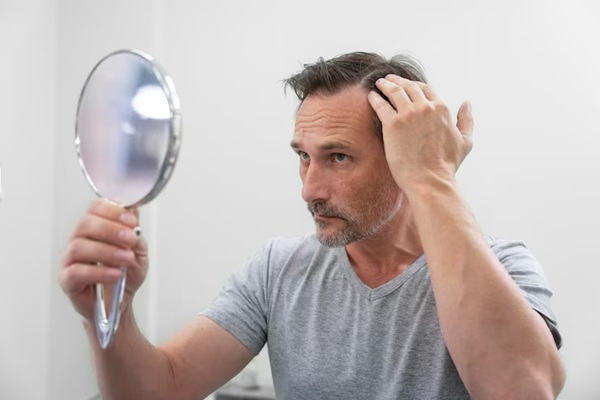
Take note of how visible your scalp becomes, especially under direct light. If areas that once appeared full now expose more scalp, it could indicate thinning hair. This is a crucial sign, even if it initially seems subtle.
Receding hairline
Men should carefully watch for hairline changes. A receding hairline or subtle shifts in its shape are often early indicators of hair thinning. Tracking these changes ensures timely intervention before significant progression.
Thinner ponytail or hair gatherings
Measure the circumference of your ponytail or assess the volume of hair you gather when tying it back. A noticeable reduction signals decreased hair density, making it essential to monitor changes over time to maintain hair health.
What is the best home remedy for hair thinning?
We recommend adopting a set of comprehensive care strategies to effectively address the challenges outlined earlier. These measures aim to resolve immediate issues while establishing a sustainable framework for long-term success. They also focus on fostering improved outcomes and ensuring lasting benefits.
1. Scalp massages with essential oils
Regular scalp massages improve blood circulation and strengthen hair follicles. To promote hair growth and scalp health, use essential oils like rosemary, peppermint, or lavender mixed with carrier oils such as coconut or jojoba oil. Massage the blend into your scalp for 5–10 minutes several times a week.
2. Nutrient-rich diet to prevent hair thinning
A balanced diet is crucial for healthy hair. Prioritize protein-rich foods like eggs, fish, beans, nuts, and seeds. Include biotin, antioxidants, vitamins, zinc, and iron to provide essential nutrients for strong, vibrant hair.
3. Organic hair care products
Replace conventional hair products with organic alternatives to minimize chemical exposure. Organic products nourish the scalp and create a healthier environment for hair growth.
4. Hair thinning medications
For a more focused approach, consider medications like minoxidil, applied topically, and finasteride, taken orally. These treatments target hair thinning at its source, delivering visible results with consistent use.
5. Avoid damaging practices and hair thinning
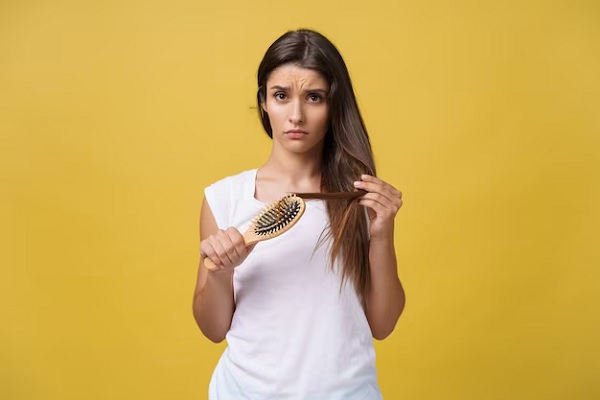
Harsh styling techniques, excessive heat, and tight hairstyles can weaken hair over time. That is why you must limit these activities and use protective products when heat styling is unavoidable to reduce damage.
6. Hair growth serums
Serums with biotin, saw palmetto, and caffeine block DHT (a hormone linked to hair loss) and nourish the scalp. Apply daily to enhance hair density and growth.
7. Apple Cider Vinegar rinse
An apple cider vinegar (ACV) rinse balances scalp pH and clears buildup. Mix 1–2 tablespoons of ACV with water. In addition, use it as a post-shampoo rinse to unclog follicles and refresh your hair.
8. Caffeine-infused products
Caffeine energizes hair follicles and stimulates growth. Incorporate shampoos with caffeine or green tea extract into your routine for thicker, revitalized hair.
9. Proper hairbrush to avoid hair thinning
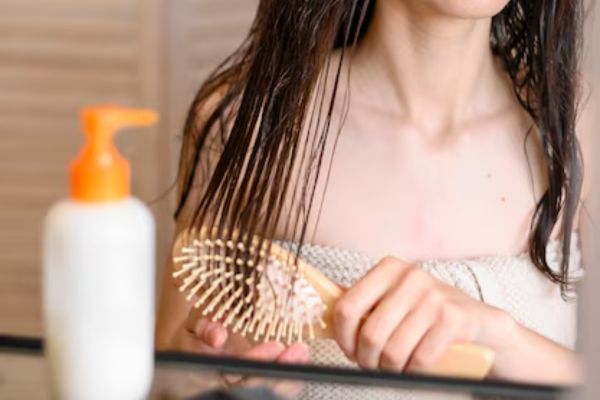
The significance of choosing the right hairbrush in averting snags and potential follicle damage cannot be overstated. Opt for a brush your stylist recommends; when used thoughtfully, it becomes a nurturing tool rather than a threat to your hair. It’s worth dispelling a common myth: gentle brushing if done appropriately, is permissible at any time and won’t adversely affect your hair.
Faq’s
How long does it take to see results from hair thinning treatments?
Results from treatments vary, but it typically takes 3 to 6 months to notice visible hair thickness or growth improvements. Consistency with treatments is key to achieving the best results.
Can hair thinning be reversed?
It can sometimes be reversed, particularly when caught early. Treatments such as medications, lifestyle changes, and proper hair care can help promote regrowth and prevent further thinning.
When should I consult a doctor?
If you notice significant thinning or other concerning symptoms, it’s essential to consult a doctor or dermatologist. They can help identify the underlying cause and recommend appropriate treatments.
Conclusion
Hair thinning is a common issue that can be caused by a variety of factors, including lifestyle choices, genetics, nutritional deficiencies, and medical conditions. Recognizing the early signs, such as increased shedding, reduced volume, and slower growth, allows for timely intervention and effective management. By adopting a care strategy that includes proper nutrition, scalp massages, organic products, and targeted treatments, you can improve hair health and prevent further thinning. Remember, consistency and patience are key, and consulting a healthcare professional can provide tailored solutions for optimal results.


Responsable – CAPIL SOLUTIONS. S.L
*Términos y condiciones
Finalidad – Dar respuesta a las solicitudes de información, y poder enviarle nuestras publicaciones, promociones de productos y/o servicios, gestionar los comentarios en el blog
Derechos Arco - Acceder, rectificar y suprimir los datos, así como otros derechos, como se explica en la información adicional.
info@capilclinic.us
Legitimación – Consentimiento
Destinatarios – No se cederán datos a terceros salvo obligación legal
Política de privacidad – Puede consultar nuestra política de privacidad aquí
*Política de privacidad