

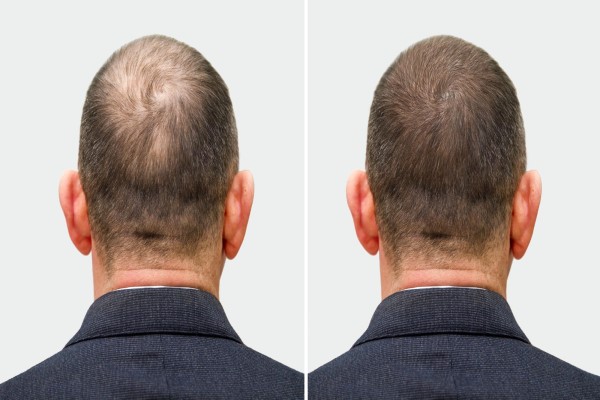
Undergoing a hair transplant is not just about the hours you spend in the surgical chair. The real transformation begins during the recovery process. The postoperative period is when grafts must survive, heal, and integrate with your scalp, making aftercare the decisive factor in determining whether the procedure succeeds or fails. Too many patients think the “hard part” is over once the surgery ends, but in reality, the first days, weeks, and even months that follow require careful attention and discipline.
Your choices—from how you wash your hair to when you resume daily activities—will directly impact your final results. This is not about overprotecting yourself but about being smart with the guidelines your surgeon provides. Think of aftercare as the bridge between hair transplant surgery and seeing natural, lasting growth. In this guide, we’ll break down exactly what you can and cannot do after a hair transplant, step by step.
General Hair Transplant Aftercare Timeline
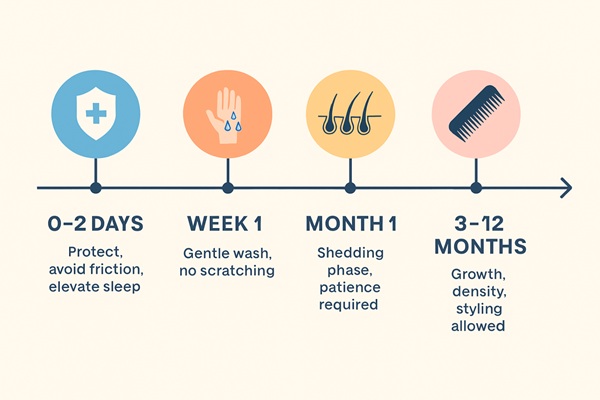
Every successful hair transplant recovery journey follows a timeline of healing and growth. While hair transplant recovery time varies depending on your health, number of grafts transplanted, and technique used, most patients experience similar milestones during the postoperative period after hair transplant. Knowing what to expect allows you to prepare and avoid unnecessary panic.
First 24–48 hours
This is the most delicate stage of the hair transplant recovery process. Hair grafts are freshly implanted and highly sensitive to touch, friction, or infection. Patients are usually advised to sleep with their head elevated, avoid bending forward, and prevent any direct trauma to the scalp after hair transplant. Mild swelling and discomfort are common but manageable.
First week
Hair transplant scabs begin to form around the transplanted grafts. During this time, gentle washing routines (often with prescribed shampoo) help loosen scabs without pulling grafts. Redness after hair transplant and itching are normal, but scratching is strictly forbidden.
First month
By the end of four weeks, scabs after hair transplant typically fall off, and hair shedding after transplant (shock loss) often begins. This is a normal phase in the post hair transplant recovery timeline — new growth will replace these hairs in the months ahead.
3–12 months
From three months onward, new hair growth after transplant gradually emerges. Hair density after hair transplant and texture improve significantly between six and twelve months. By the end of a year, most patients see 80–90% of their final hair transplant results.
The U.S. National Library of Medicine emphasizes that adherence to postoperative care significantly influences graft survival rates
What You Can Wear After a Hair Transplant

Clothing choices might sound trivial, but during recovery, what you wear after hair transplant plays a surprisingly big role in protecting your grafts. Freshly implanted follicles can be easily dislodged with friction or sudden pressure, so you’ll want to think carefully about headwear after hair transplant and even how you put on a T-shirt.
Clothing
In the first week, button-down shirts and zip-up hoodies are your safest options. They prevent fabric from dragging over your scalp, reducing the risk of dislodging grafts. Avoid tight collars or anything you have to pull over your head.
Headwear
Many patients ask when they can wear a hat after hair transplant. Generally, surgeons recommend waiting at least 3–5 days before wearing any loose, soft hat. Caps and helmets, which fit snugly and exert pressure, should be avoided for at least two weeks. When you finally use one, make sure it rests lightly without compressing the grafted area.
Long-term consideration
Sun exposure is another factor. Direct UV rays can damage healing tissue, so a light hat after the first few days can protect the scalp outdoors. Just ensure it doesn’t cause friction or sweating.
Prioritize comfort and avoid anything that could rub against your grafts. Even a seemingly harmless baseball cap can undo hours of surgical work if worn too early or too tight.
Lifestyle Restrictions: Habits That Affect Recovery

The success of a transplant isn’t only about what you do with your scalp—it’s also about your overall lifestyle. Certain habits directly impact blood circulation, wound healing, and graft survival. Let’s break down the major culprits.
Comparative Chart
| Habit | Effect on Recovery | Recommendation |
| Alcohol | Dehydrates the body, increases bleeding risk, delays healing. | Avoid for at least 1–2 weeks post-surgery. |
| Cigarettes | Nicotine reduces oxygen supply to tissues, compromises vascularization. | Quit ideally, or at least stop 2 weeks before and after surgery. |
| Recreational drugs | Some elevate blood pressure or thin the blood, raising risks of bleeding or poor graft survival. | Avoid completely during recovery. |
| Caffeine (excessive) | Can increase blood pressure slightly, not as harmful as smoking/alcohol but moderation is advised. | Limit to 1–2 cups daily. |
Why it matters
Oxygen and nutrient delivery to the scalp is essential in the early stages of recovery. Alcohol-cigarettes hair transplant complications are well documented: smoking alone can increase graft failure rates significantly, while alcohol can lead to swelling and prolonged redness.
The U.S. Centers for Disease Control and Prevention (CDC) highlights how smoking impairs wound healing due to reduced oxygenation. Treat your new grafts like an investment. Cutting back on harmful habits during recovery isn’t just about discipline—it’s about securing long-term results you paid for.
Physical Activity and Sports
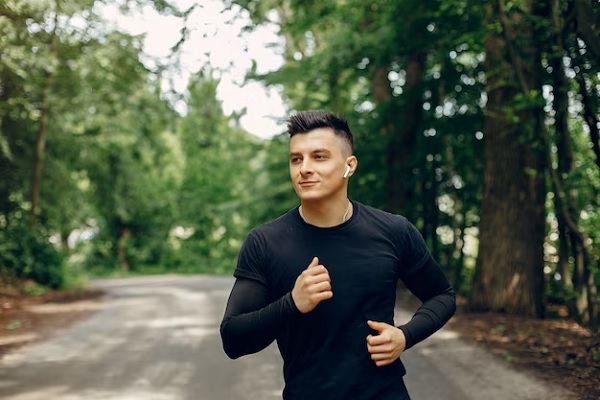
Exercise is healthy, but right after a hair transplant, it can do more harm than good. Sweat, increased blood pressure, and accidental trauma put grafts at risk. Let’s map out when it’s safe to get back into different activities.
Gym after hair transplant
Weightlifting and intense workouts should be avoided for at least 10–14 days. The strain and rise in blood pressure may lead to bleeding, swelling, or even graft displacement. Light stretching or walking is acceptable after the first week, as long as you don’t overheat.
Cardio
Running, cycling, or swimming can be resumed after 2–3 weeks. However, swimming in chlorinated pools should wait at least one month, as chemicals can irritate the healing scalp.
Sports after hair transplant
Contact sports like football, basketball, or martial arts are the riskiest. Direct blows or friction to the scalp can ruin transplanted follicles. Surgeons often advise waiting 6–8 weeks before returning to such sports.
Always listen to your body and your surgeon’s specific instructions. Pushing too early into your old workout routine isn’t worth compromising results that took time, money, and surgery to achieve.
Intimate Life After Hair Transplant

Many patients hesitate to ask this question, but intimacy is an important part of life—and yes, it has to be managed carefully post-surgery. Hair transplant sex can potentially disrupt recovery if resumed too soon.
Here’s why:
- Friction: During sex, accidental rubbing of the scalp can harm grafts.
- Sweating: Excess perspiration creates an environment for infection.
- Blood pressure: Sexual activity raises heart rate and blood flow, increasing the risk of bleeding in the first days.
Recommended timeline:
- First week: Abstain completely. The grafts are too fragile, and swelling is still common.
- After 10–14 days: Many surgeons allow light sexual activity if care is taken to avoid touching or pressing the scalp.
- After 1 month: Most patients can return to normal intimate life without restrictions.
Practical tips:
- Choose positions that reduce the chance of head contact.
- Avoid intense sweating or prolonged activity during the first weeks.
- Communicate with your partner to avoid accidental injury.
It might feel like an awkward sacrifice, but patience ensures that your investment remains safe. Remember: it’s just a few weeks for results that last decades.
Hair and Scalp Care After Surgery
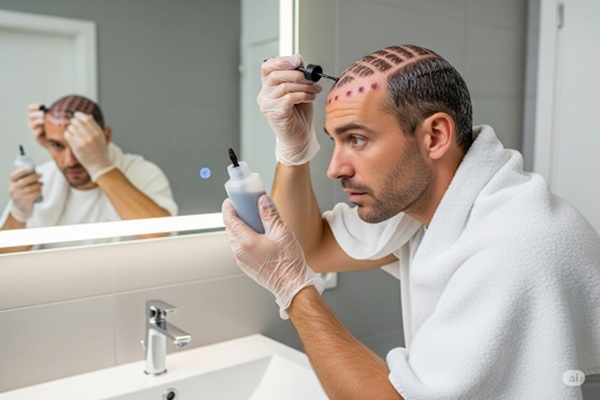
The way you treat your scalp in the first months can make or break your final results. Proper washing, product use, and patience are essential for protecting grafts.
Washing routine
Surgeons usually recommend starting gentle washes 2–3 days post-surgery. Use lukewarm water and a prescribed or baby shampoo. Pour water gently rather than using high pressure. Pat dry—never rub.
Products
Using gel after hair transplant or styling sprays is not advised until at least 3–4 weeks. These products can clog pores, irritate healing tissue, or stick to scabs. Waiting before you dye hair after hair transplant is even more critical. Patients should wait 6–8 weeks before applying chemical dyes, as they can damage fragile follicles.
Managing scalp issues
Itching, flaking, or mild inflammation are common. Resist scratching. Instead, use mild moisturizers or products approved by your surgeon. If redness or swelling persists, seek medical advice.
A review in the Journal of Cutaneous and Aesthetic Surgery emphasizes that postoperative care with gentle cleansing and avoiding harsh chemicals improves graft survival rates.
FAQs
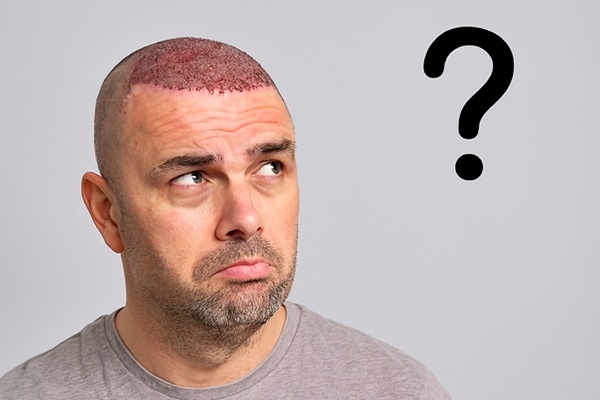
When can I safely cut my hair after a hair transplant?
Most patients can start using barber scissors at around 1 month post-surgery. Clippers and razors should be avoided for at least 3 months, as vibration and pressure can disturb newly implanted grafts. Patience is key to prevent damage.
How should I style my hair to protect grafts?
Avoid harsh brushing, tight hairstyles, or any technique that pulls on the hair. Even after grafts are secure, aggressive styling can stress the follicles and slow growth. Communicate with your barber about your transplant to ensure safe handling.
Can I experiment with different hairstyles long-term?
After 6 months, most patients can safely try different styles. However, final density often develops closer to 12 months, so always handle hair gently during styling.
When can I return to work after a hair transplant?
Your timeline depends on your job type: for desk-based work, work after hair transplant can often resume within 2–5 days, provided the environment is clean and infection-free. Swelling or redness may still be present, so some patients wait a week.
What about physical jobs or social interactions?
For labor-intensive jobs involving lifting, sweating, or outdoor work, wait 10–14 days before resuming. For social situations, loose hats or head coverings (after day 3–5) can help disguise the transplant while protecting the grafts. Some patients choose transparency and openly discuss the procedure—either approach is valid.
Conclusion
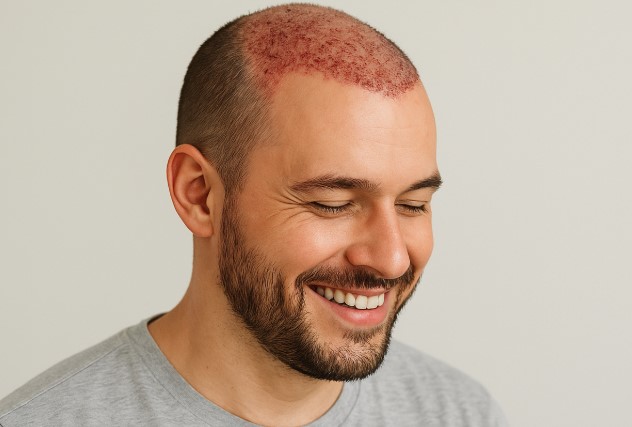
A hair transplant is more than a surgical event—it’s a commitment to recovery. The postoperative period determines whether grafts thrive or fail, and every step you take matters. From the way you wash your scalp to the habits you avoid, aftercare is the key to long-lasting, natural results.
Think of this process as teamwork: your surgeon performs the procedure, but you ensure its success by respecting the healing timeline. Don’t underestimate the impact of lifestyle habits, clothing choices, or physical activities. Each small precaution builds toward a bigger payoff—thicker, healthier hair.
Above all, consistent medical follow-up is non-negotiable. Surgeons at Capilclinic and other leading centers emphasize that no online guide can replace professional advice tailored to your case. If you’re serious about protecting your investment, follow your surgeon’s instructions, and never hesitate to book a consultation to address your concerns. Your results depend on it.


Responsable – CAPIL SOLUTIONS. S.L
*Términos y condiciones
Finalidad – Dar respuesta a las solicitudes de información, y poder enviarle nuestras publicaciones, promociones de productos y/o servicios, gestionar los comentarios en el blog
Derechos Arco - Acceder, rectificar y suprimir los datos, así como otros derechos, como se explica en la información adicional.
info@capilclinic.us
Legitimación – Consentimiento
Destinatarios – No se cederán datos a terceros salvo obligación legal
Política de privacidad – Puede consultar nuestra política de privacidad aquí
*Política de privacidad