

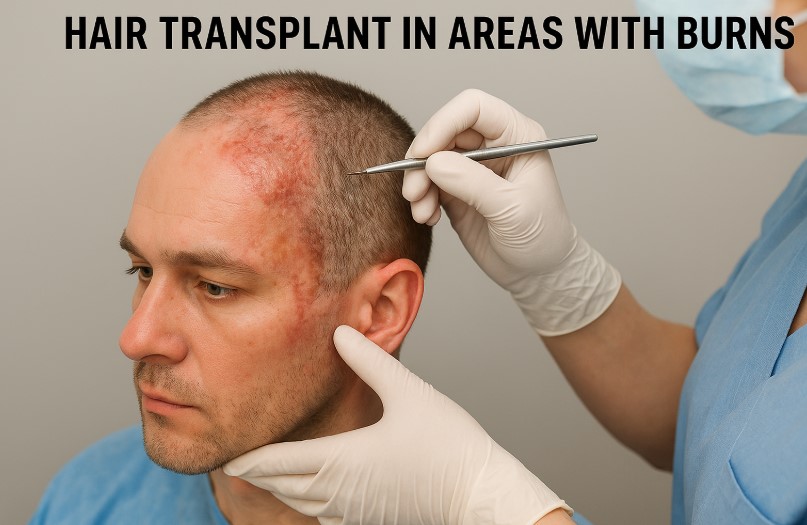
Hair transplant in areas with burns is a surgical solution that allows restoring hair in regions affected by trauma or scarring. This technique involves relocating healthy hair follicles from donor areas—typically the back or sides of the scalp—to zones where hair no longer grows due to injury. This method is especially beneficial for patients who have suffered burns, since these incidents often damage both the skin and underlying follicles, leading to irreversible hair loss.
Many patients often ask, “How does a hair transplant work?” and whether it is effective on scarred or damaged tissue. The process begins with a thorough evaluation of the scalp, determining donor viability and the condition of the burned area. Hair transplant in areas with burns can be performed on the scalp, eyebrows, or even beards, adapting to each individual’s needs.
Types of hair transplant in areas with burns
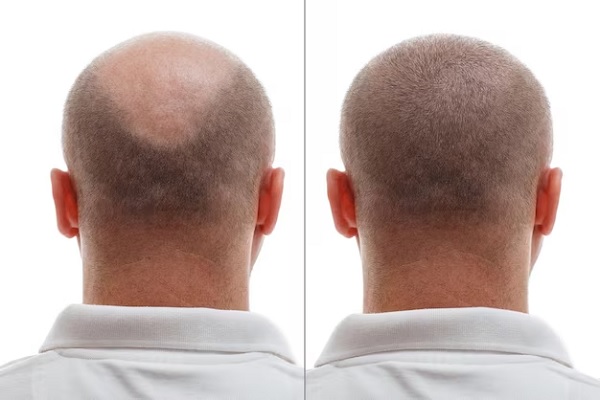
Hair transplant in areas with burns is a specialised medical procedure designed to restore hair growth in regions affected by traumatic injuries. These burns can damage the hair follicles and the surrounding skin, making regrowth difficult without surgical intervention. In such cases, a transplant can offer both aesthetic improvement and emotional relief. There are two main techniques used: FUT and FUE, both adaptable to burn-affected areas depending on the patient’s condition and hair availability.
Understanding how does hair transplant work is crucial before choosing the right method. In essence, the procedure involves harvesting healthy hair follicles from a donor area—typically the back or sides of the scalp—and implanting them into the damaged or balding area. The success of the transplant depends on factors such as scar tissue thickness, skin flexibility, and blood circulation in the affected site.
Follicular Unit Transplantation (FUT)
FUT involves surgically removing a strip of skin that contains hair follicles from a donor site, usually the occipital region of the scalp. This strip is then microscopically divided into individual follicular units. These units are carefully implanted into the burn-affected area, allowing new hair to grow naturally over time. This method may be ideal for patients who require a large number of grafts in one session.
Follicular Unit Extraction (FUE)
FUE is a less invasive and more modern alternative. It involves extracting individual follicular units directly from the donor area using a fine punch tool. These follicles are then placed in the recipient site, even if the skin has been altered due to burns. The advantage of FUE is minimal scarring and quicker recovery, though it may require multiple sessions for full coverage.
Find out how much your treatment costs today
Common areas treated with hair transplant after burns
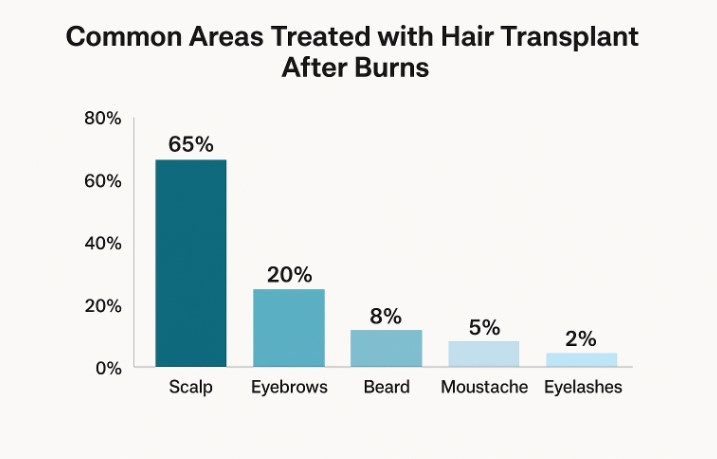
Burn injuries can affect different parts of the body, leading to permanent hair loss. Hair transplantation offers a reconstructive solution in several areas, not just the scalp. The following graphic illustrates the most common regions treated, based on clinical observations and case reports.
-
Scalp restoration dominates: Around 65% of burn-related transplants target the scalp, where scarring is most frequent.
-
Eyebrow transplants are the second most common, accounting for 20% of procedures, as burns often damage facial symmetry.
-
Facial hair areas such as the beard (8%) and moustache (5%) are also reconstructed in cases of severe facial burns.
-
Eyelashes represent the smallest share (2%), yet they are critical for both functional and cosmetic reasons.
Key considerations for hair transplant in areas with burns
Undergoing a hair transplant in areas with burns is a highly personal and impactful decision. It not only affects physical appearance but also emotional recovery and self-esteem. For individuals with burn-related scars, restoring hair can symbolise a return to normalcy.
However, several essential aspects must be considered to ensure a successful procedure and satisfactory results. Choosing the right technique and professional support is crucial for long-term success. Below are the most important factors to evaluate when considering this type of procedure.
1- Medical evaluation and eligibility

A thorough medical evaluation is essential to determine eligibility for hair transplantation. Not all patients are suitable candidates, especially those with underlying medical conditions that may interfere with healing or graft acceptance. A specialist will review your medical history and perform diagnostic assessments to identify potential complications or limitations. In cases of severe trauma, additional clearance from other healthcare professionals might be required.
2- Burn severity and location
The severity and location of burn scars significantly influence transplant feasibility. Scarred tissue may have reduced vascularity or compromised elasticity, which can affect graft survival. Surgeons must assess the texture, blood flow, and stability of the skin before moving forward. (Source: PubMed)
The success of the procedure greatly depends on the condition of the recipient area, making this evaluation a vital step. Secondary considerations include the extent of scarring and proximity to sensitive areas like the face or neck.
3- Patient expectations
Setting realistic expectations is critical for anyone undergoing this treatment. Hair transplantation can restore density and improve the visual balance of the scalp, but full recovery to a pre-burn state may not be possible.
Patients should be fully informed about potential outcomes, healing times, and necessary follow-up sessions. Emotional readiness plays a key role in patient satisfaction. Support from counselling or peer groups may also benefit individuals during their recovery journey.
4- Choice of Surgeon
Selecting an experienced surgeon is the most important factor for success. Professionals with specific expertise in burn-related cases understand the complexities of working with scar tissue. Reviewing a surgeon’s portfolio and patient testimonials helps verify their competence.
Look for board certifications and experience with techniques like FUE and FUT, as these may be more or less effective depending on individual conditions. Choosing a clinic that offers transparent communication and personalised planning is ideal.
5- Hair graft source
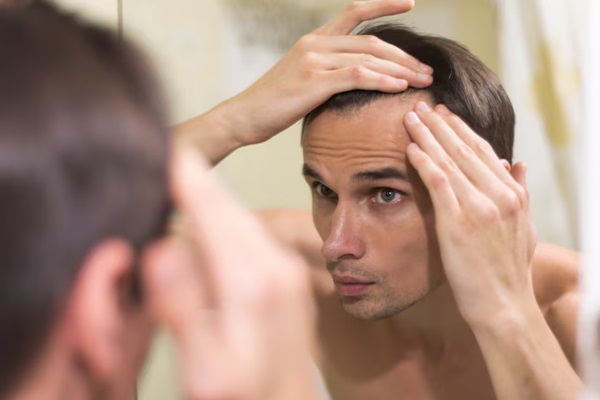
The source of hair grafts is another critical element. Donor hair usually comes from the back of the scalp. In some cases, surgeons use body hair instead. They make this decision based on donor availability.
Hair texture and compatibility with the recipient area also influence the choice. Surgeons tailor their approach for each patient, using techniques that maximise graft survival and aesthetic integration. An in-depth consultation will help identify the most effective strategy.
6- Hair transplantation technique
Modern techniques such as Follicular Unit Transplantation (FUT) and Follicular Unit Extraction (FUE) offer tailored solutions for burn-related hair loss. (Source: Europe PMC) Each method has pros and cons depending on scar condition and patient goals.
FUT is often chosen for larger areas, while FUE may be ideal for patchy scars or limited donor supply. Surgeons will explain the advantages of each to help patients make informed decisions.
7- Postoperative Care
Post-surgical care is crucial. Patients must follow recovery protocols, including proper wound cleaning, medication, and avoiding physical stress to the treated area. Healing may take weeks, during which visible scabbing and redness are normal.
Following all aftercare instructions ensures optimal graft retention and reduces complications. The surgical team will schedule follow-up appointments to monitor healing and provide continued guidance.
8- Cost and financing
Hair transplant fees can vary widely depending on the technique, clinic location, and complexity of the case. Patients should request a detailed cost breakdown, including pre-operative assessments and aftercare. For those considering medical tourism, questions like how much is a hair transplant in Turkey can arise, as this destination is popular for affordable options. While pricing abroad may be attractive, quality, safety, and long-term follow-up should always be prioritised.
Get your personalized quote in minutes!
Risks of hair transplant in areas with burns
Hair transplant in areas with burns is a remarkable procedure that offers hope and transformation for individuals suffering from burn-related hair loss. While it opens the door to recovery, it’s essential to delve into a more detailed understanding of the potential risks and complications involved.
Scarring
Scarring is an expected outcome of any surgical procedure, including hair restoration surgeries. The scars left by hair transplants are generally minimal and often hidden beneath existing hair. Nevertheless, when the recipient site has previous burn scars, the situation requires more attention.
Scar tissue behaves differently during healing and may lead to less predictable results. The final appearance of the transplant may include more visible or irregular scarring. Professional surgeons use techniques to lessen this impact, though patients should be prepared for potentially more noticeable marks in these areas.
Hair growth discrepancy
A significant concern with, for example, hair transplant for men in areas with burns is the inconsistency in hair growth post-surgery. In many cases, transplanted follicles may not grow at the same rate or quality as existing hair due to the altered environment of scar tissue.
Scarred skin typically has reduced blood flow and limited access to nutrients, which affects follicle survival and performance. As a result, patients might observe patchy or uneven hair growth. Surgeons apply tailored approaches, including careful graft placement and supplementary therapies, to encourage consistent results and enhance overall appearance.
Infection
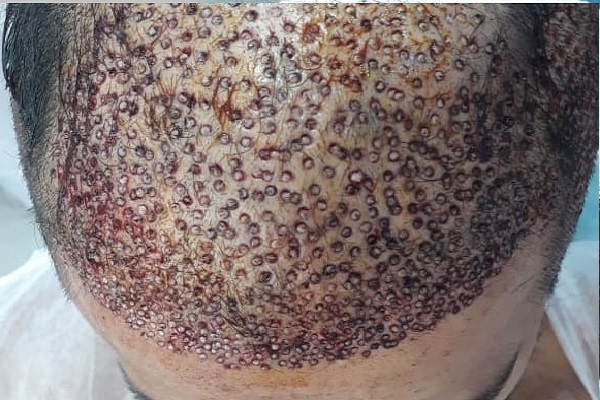
Infection is one of the primary risks associated with hair transplantation, and this concern becomes more pronounced in burned areas. Burn-damaged skin tends to be more vulnerable to bacterial invasion due to its compromised protective barrier.
This impaired ability to defend against pathogens requires thorough preoperative sterilisation and highly attentive postoperative care. (Source: Turkish Journal of Plastic Surgery)
Surgeons must implement strict protocols, including prophylactic antibiotics and frequent monitoring, to minimise this risk effectively. Any signs of infection must be addressed promptly to avoid further complications.
Bleeding
While bleeding is typically minimal in most hair transplant procedures, it cannot be completely ruled out, especially in compromised areas. During the operation, minor bleeding might occur and is usually well controlled with sutures or cauterisation techniques.
However, in burn-affected zones where blood vessels may be irregular or damaged, the situation becomes more complex. Surgeons must exercise great care to maintain proper haemostasis and reduce the likelihood of excessive bleeding. Careful handling of the tissue is essential to avoid further trauma.
Schedule a consultation with a hair transplant specialist
Faq’s
Can you get a hair transplant in areas with burns?
Yes, hair transplants can be performed on areas affected by burns, but it depends on the condition of the skin. If the scar tissue has good blood supply and elasticity, it can support transplanted follicles. A specialist will first evaluate the scar to see if you are a suitable candidate.
How successful are hair transplants in burn scars?
The success rate varies depending on the severity and type of burn scar. In many cases, transplanted hair grows well, but density may be lower than in normal skin. Modern techniques like FUE can improve results by carefully placing grafts in scar tissue.
Is a hair transplant painful for burn survivors?
Most patients feel little to no pain during the procedure because local anesthesia is used. You may experience mild discomfort or tightness after surgery, but it usually improves within a few days. Pain is generally much less than expected.
How long does it take for transplanted hair to grow in burn areas?
New hair growth usually starts about three to four months after surgery. It continues to thicken over the next six to twelve months. In burn areas, the growth may be slightly slower, but results often improve gradually with time.
Are there risks with hair transplants in burn scars?
Yes, as with any procedure, there are some risks. These may include lower graft survival, uneven density, or minor scarring. However, with proper assessment and an experienced surgeon, most patients achieve satisfying and natural-looking results.
Do I need multiple sessions for a hair transplant in burned skin?
In some cases, yes. Because scar tissue can limit how many grafts survive, several sessions may be needed to achieve fuller coverage. Your surgeon will create a treatment plan based on your scar’s condition and your goals.
Who is a good candidate for a hair transplant after burns?
Good candidates are people with stable burn scars, healthy donor hair, and realistic expectations. The scar should be fully healed before surgery. A consultation with a hair restoration specialist is essential to confirm eligibility.
Conclusion
Opting for a hair transplant in areas with burns requires a deep understanding of both the opportunities and challenges involved. Restoring hair in burn regions is a highly technical procedure that can significantly improve one’s appearance and self-esteem.
A burn area hair restoration procedure isn’t just about aesthetics—it’s a step toward emotional healing and renewed confidence. Patients considering a hair graft in scar tissue from burns must be aware of potential complications such as lower graft survival rates or altered healing processes.
If you or a loved one is exploring the possibility of a hair transplant in burned scalp areas, we invite you to visit capilclinic.us. Our team of experts helps patients achieve lasting, natural results—even in the most complex cases. Take the first step toward restoring your confidence today!


Responsable – CAPIL SOLUTIONS. S.L
*Términos y condiciones
Finalidad – Dar respuesta a las solicitudes de información, y poder enviarle nuestras publicaciones, promociones de productos y/o servicios, gestionar los comentarios en el blog
Derechos Arco - Acceder, rectificar y suprimir los datos, así como otros derechos, como se explica en la información adicional.
info@capilclinic.us
Legitimación – Consentimiento
Destinatarios – No se cederán datos a terceros salvo obligación legal
Política de privacidad – Puede consultar nuestra política de privacidad aquí
*Política de privacidad