


Hair loss is a common part of ageing, with many men and women noticing a receding hairline or thinning crown as they reach their 50s and 60s. Hair transplant at 50 has become an increasingly popular solution for those experiencing age-related hair thinning. While this change is often attributed to genetics, hormonal shifts, and lifestyle factors, it can still have a significant impact on self-esteem and confidence. For some, accepting hair loss is simply part of the ageing process. For others, especially in today’s image-conscious world, finding a solution becomes a priority. One of the most effective ways to combat this issue is by choosing a hair transplant, especially when supported by proper assessment and expert care.
In recent years, there’s been a noticeable rise in the number of people over 50 seeking this procedure. Thanks to advances in technology and improved surgical techniques, this treatment is now safer and more accessible than ever. Hair transplant cost has also become more competitive, making it a viable option for more individuals.
From the precision of a FUE hair transplant to the growing interest in hair transplant for men, the industry has evolved to cater to older patients with exceptional results. But that leads to an important question: Is a hair transplant at 50 or even 60 truly effective?
Can you get a hair transplant at 50 or 60?

Yes, you can absolutely get a hair transplant at 50 or 60—provided you meet certain medical criteria. Age alone does not disqualify someone from the procedure. In fact, many people in this age group are excellent candidates.
What matters most is your overall health, the condition of your scalp, and the quality of your donor hair. A healthy scalp with good elasticity and a strong donor area at the back or sides of the head provides the foundation for a successful outcome. If you suffer from underlying health conditions, such as uncontrolled diabetes or heart issues, you’ll need medical clearance before proceeding.
Biological health is more important than chronological age. A fit and active 60-year-old may be a better candidate than someone younger with poor health or severe scalp damage. During a consultation, a surgeon will evaluate your medical history, lifestyle, and hair characteristics before recommending treatment.
A common myth is that it’s too late for a hair transplant at 50. This simply isn’t true. In fact, many specialists prefer working with older patients because their pattern of hair loss is often more stable. This means there’s less chance of future thinning that could impact the transplant’s appearance. With the right expectations and proper aftercare, a hair transplant at 50 can be just as effective—if not more so—than in younger patients.
What are the benefits of getting a hair transplant at 50?
Many individuals discover that a hair loss solution in their fifties offers more advantages than undergoing the procedure earlier in life. Alongside advancements in techniques, older patients benefit from predictable results and renewed self-esteem.
Boosted confidence and sense of youth
-
Many patients report improved self-esteem and confidence after the procedure, feeling younger and more vibrant in everyday interactions.
-
This renewed sense of identity has a significant positive impact on emotional well-being, especially in social and professional environments.
-
Restoring hair in your 50s often leads to a noticeable emotional uplift that restores confidence and improves quality of life.
Stable hair loss patterns in older adults
-
Hair loss tends to stabilise with age, giving surgeons a clearer picture of permanent baldness and donor areas.
-
This stability allows for more accurate planning, enhancing both the aesthetic and long-term success of the hair transplant procedure.
-
Older individuals generally experience fewer unexpected changes post-surgery compared to younger patients, improving satisfaction with the results.
Advanced techniques for natural-looking results
- Modern methods such as FUE and DHI produce realistic outcomes that blend seamlessly with existing hair, even on ageing scalps.
- These techniques offer minimally invasive solutions with quicker recovery times and reduced risk of visible scarring post-procedure.
- Technology today ensures refined hairline design, matching the natural hair growth pattern and age-appropriate density.
Hair transplant cost and value
-
The hair transplant cost varies by clinic, surgeon experience, and technique used, but it offers excellent long-term value for older patients.
-
Investing in restoration at this stage of life brings both emotional and visual benefits, whether it’s a hair transplant for men or women, making the expense worthwhile for many.
-
When considering confidence, convenience, and appearance, the hair transplant cost can be seen as an investment in well-being.
Challenges and considerations for older patients
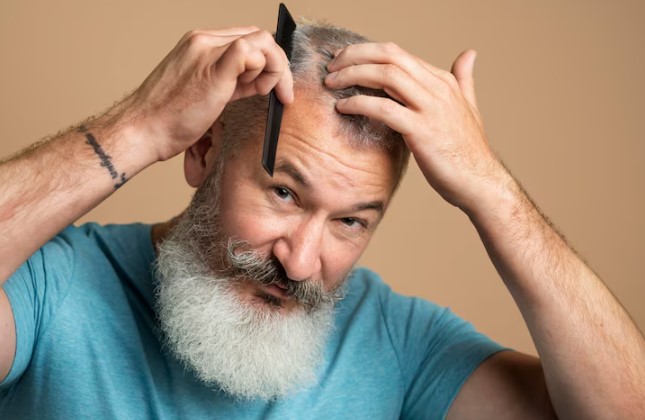
While hair replacement options for over-50s can be highly effective, there are a few challenges to keep in mind. Older patients may experience a slower healing and recovery process. The body takes longer to regenerate tissue, which means it might take more time for redness, swelling, or scabbing to subside after surgery. Patience and proper aftercare are essential.
Another key factor is your medical background. Conditions such as high blood pressure, diabetes, or heart disease need to be well managed before surgery. Some medications—especially blood thinners or those that affect immune response—can also influence healing or increase the risk of complications. It’s important to share your full medical history with your surgeon during the consultation.
Managing expectations is just as important as managing health. At 50 or 60, you may not achieve the same density as someone in their 30s. The goal is to enhance your appearance in a way that suits your age and facial features. Most reputable clinics will focus on creating natural-looking results, rather than simply chasing volume.
Types of hair transplant techniques
When considering a hair transplant at 50, it’s essential to understand the two main techniques available: FUE (Follicular Unit Extraction) and FUT (Follicular Unit Transplantation). Hair loss solution in your fifties can be successful using either method, depending on individual needs and expectations. Each method offers distinct benefits and may suit different types of patients based on their hair loss patterns and lifestyle.
FUE
FUE hair transplant involves removing individual hair follicles from the donor area, usually the back of the scalp, and transplanting them one by one. This method leaves tiny, dot-like scars that are barely visible to the naked eye. It is less invasive, has a faster recovery time, and is ideal for those who prefer to wear their hair short without worrying about noticeable scars. Many older patients opt for FUE hair transplant because of its minimal scarring and quicker healing process.
FUT
On the other hand, FUT, also known as the strip method, involves removing a thin strip of skin from the donor area and then dissecting it into individual follicular units for transplantation. This technique allows for transplanting a larger number of grafts in a single session, which can be particularly useful if more coverage is needed. However, it does leave a linear scar, which may be a concern for some patients, especially those who prefer very short hairstyles.
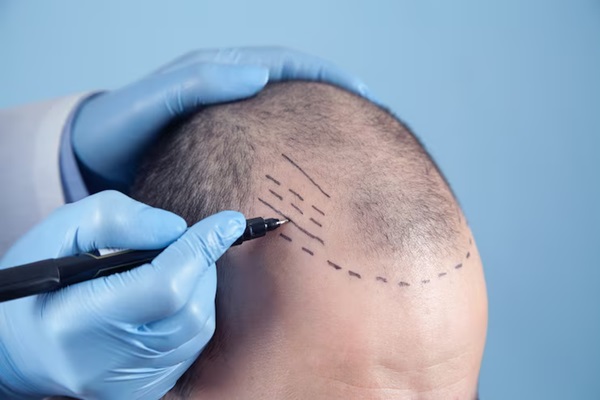
For most patients considering hair replacement options for over-50s or 60, FUE hair transplant is generally the preferred choice. It causes less trauma to the scalp, suits older skin better, and significantly reduces downtime after the procedure. That said, FUT may still be recommended if you have a strong donor area and require significant restoration to achieve your desired look.
Non-surgical alternatives and complementary treatments
Not everyone ready to tackle hair loss at 50 or beyond immediately chooses surgery. For many, non-surgical alternatives offer a less invasive way to manage thinning hair and improve scalp health. These treatments can be used alone or alongside a hair transplant at 50 to enhance and maintain results.
Platelet-Rich Plasma (PRP) Therapy
One of the most promising complementary treatments is PRP (Platelet-Rich Plasma) therapy. This procedure involves drawing a small amount of your blood, processing it to concentrate the platelets, and injecting the plasma back into your scalp. The growth factors in PRP help stimulate dormant hair follicles, encouraging thicker, healthier hair growth.
PRP is especially popular among older patients seeking to maximise their transplant results. Many surgeons recommend PRP before and after getting a hair transplant in your 50s to improve healing, boost hair density, and prolong the lifespan of transplanted hair.
Medications: Finasteride and Minoxidil
Medications remain a cornerstone of hair loss treatment, particularly for those at the early or moderate stages. Two main drugs are widely prescribed:
-
Finasteride is an oral medication that blocks the conversion of testosterone to dihydrotestosterone (DHT), the hormone primarily responsible for male pattern baldness. It helps slow or stop hair loss in many men and can stabilise thinning before or after a transplant.
-
Minoxidil is a topical solution applied directly to the scalp. It works by widening blood vessels, increasing blood flow to hair follicles and promoting regrowth. Minoxidil is available over the counter and is used by both men and women.
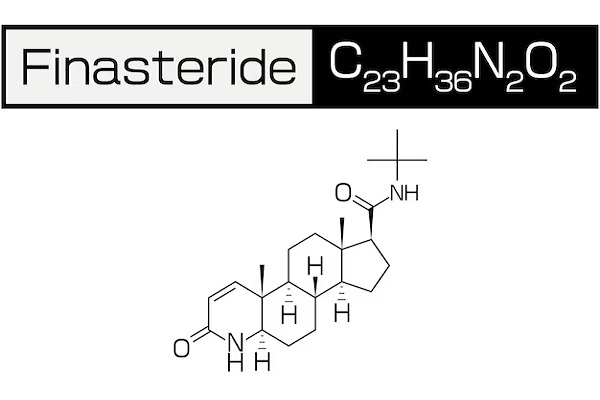
Both medications require consistent use for several months to see results and work best when started early. While not a substitute for a hair regrowth treatment at age 50, they can support surgical outcomes or serve as standalone treatments when surgery isn’t an option.
Lifestyle adjustments to support hair health
Healthy habits play a crucial role in maintaining and improving hair quality, particularly as you age. Simple lifestyle changes can make a significant difference:
-
Eating a balanced diet rich in vitamins and minerals such as biotin, zinc, and iron supports strong hair growth.
-
Managing stress through exercise, meditation, or hobbies helps prevent hair shedding triggered by emotional strain.
-
Avoiding harsh chemical treatments and excessive heat styling protects fragile hair strands.
-
Staying hydrated keeps your scalp healthy and prevents dryness.
While lifestyle adjustments alone won’t reverse extensive hair loss, they complement medical and surgical treatments and promote long-term scalp health.
When might non-surgical options be preferable?
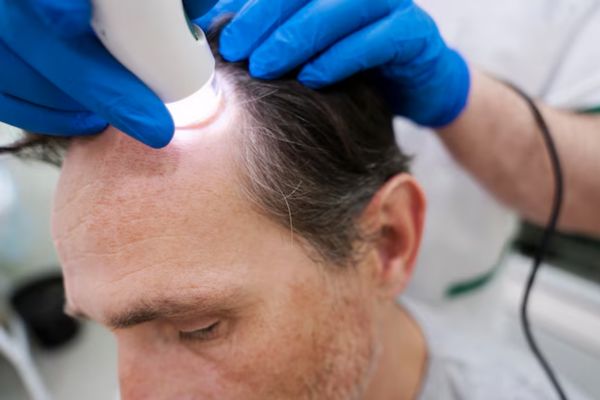
For some people over 50, non-surgical treatments are the best or only viable choice. If you have health conditions that increase surgical risks, or if your hair loss is still in the early stages, these methods can provide noticeable improvement without the need for invasive procedures.
Non-surgical treatments can also be an effective first step before committing to hair restoration for people over 50. They help stabilise hair loss, improve scalp condition, and may delay the need for surgery altogether. Considering the hair transplant cost, starting with non-surgical options can be a more affordable and less risky way to manage hair loss initially.
Conclusions
Choosing a hair transplant at 50 is a smart and effective option for many individuals facing age-related hair thinning. With stable hair loss patterns and advanced techniques such as FUE, getting a hair restoration procedure in your fifties can yield natural, long-lasting results. This treatment offers a significant boost in confidence and helps restore a youthful appearance, tailored to suit your age and lifestyle.
Many patients over 50 find that a hair transplant is particularly beneficial because it allows surgeons to work with well-established hair loss patterns. This stability improves the predictability of results and reduces the likelihood of needing further procedures. Moreover, the healing process, while slightly slower than in younger patients, still leads to impressive outcomes when paired with proper aftercare and medical supervision.
Advancements in technology have made hair transplantation for people in their 50s safer, less invasive, and more accessible. The focus on natural-looking hairlines and appropriate hair density means that older patients can enjoy results that blend seamlessly with their existing hair. Whether you choose FUE or FUT techniques, the goal is to enhance your look while respecting your unique hair loss progression and health profile.
If you are considering a hair transplant at 50 or beyond and want to explore the best options tailored to your needs, visit capilclinic.us. Our experienced team offers personalised consultations and cutting-edge treatments designed to help you regain your confidence and achieve natural, lasting hair restoration. Don’t wait to take the next step toward revitalising your hair and self-esteem today!


Responsable – CAPIL SOLUTIONS. S.L
*Términos y condiciones
Finalidad – Dar respuesta a las solicitudes de información, y poder enviarle nuestras publicaciones, promociones de productos y/o servicios, gestionar los comentarios en el blog
Derechos Arco - Acceder, rectificar y suprimir los datos, así como otros derechos, como se explica en la información adicional.
info@capilclinic.us
Legitimación – Consentimiento
Destinatarios – No se cederán datos a terceros salvo obligación legal
Política de privacidad – Puede consultar nuestra política de privacidad aquí
*Política de privacidad