

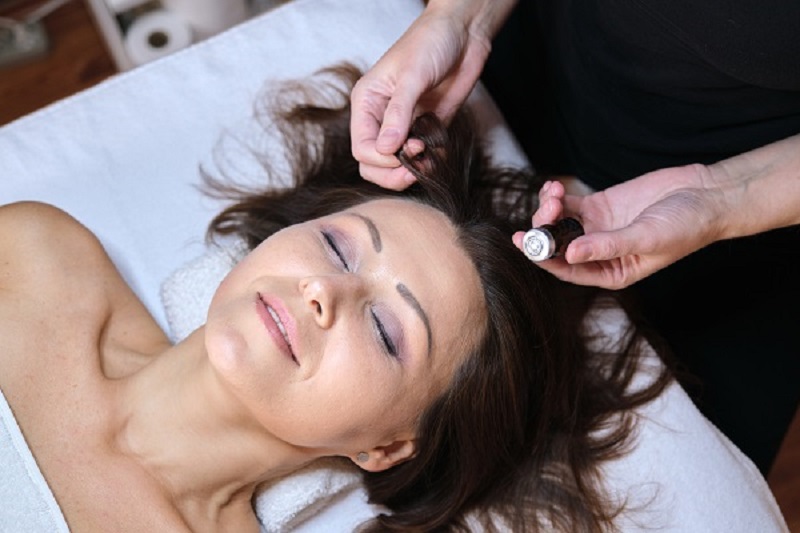
Undergoing a hair transplant on forehead in women is an important step toward addressing hair thinning and achieving natural-looking results. Before surgery, patients must consider their budget, do thorough research, and prepare for the outcome. Understanding how does hair transplant work helps set realistic expectations. Post-operative care is essential—patients should avoid trauma, follow medical guidelines, and practice proper scalp hygiene.
Those opting for FUE hair transplant benefit from reduced scarring and quicker recovery, while others evaluating a hair transplant for men must follow instructions tailored to their case. The timeline of hair growth and consulting a certified specialist are vital to success. Assessing hair transplant expenses ensures transparency and better financial planning. Choosing a qualified clinic improves results and comfort. With the right approach, both men and women can enjoy lasting improvements in confidence and appearance through modern hair restoration techniques
What is a hair transplant on forehead in women?
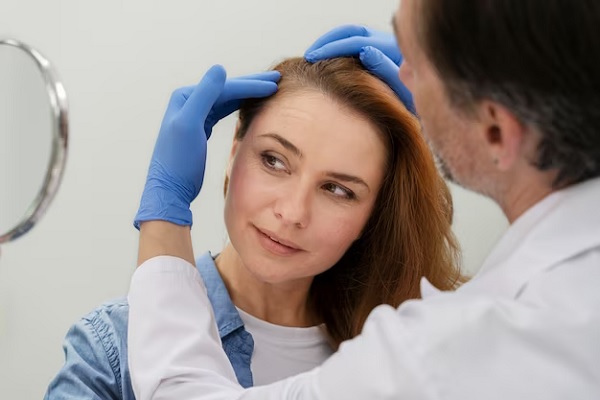
Hair transplant on forehead in women is becoming increasingly popular as more individuals aim to enhance their facial aesthetics. Beyond its cosmetic appeal, this procedure can significantly improve self-esteem and boost overall confidence. Typically, suitable candidates include those affected by female or male pattern baldness or individuals seeking a more defined and youthful hairline.
Recovery timelines can differ from person to person. However, most patients begin to see new hair growth a few months after the procedure. The final, fuller appearance is generally achieved after about a year. To ensure optimal results, it’s essential to follow all post-operative care instructions provided by your specialist and understand how does hair transplant work to manage expectations effectively.
Tips to maintain hair transplant on forehead in women
Below are unique and creatively rephrased tips for women to ensure the best outcomes from their hair transplant on forehead in women. Follow these guidelines carefully to enjoy lasting, natural-looking results and avoid common mistakes during the healing process.
Post-hair transplant on forehead in women
In the initial stages after your hair transplant surgery, meticulous post-operative care is essential to facilitate the healing process and achieve optimal results. One vital aspect of this aftercare regimen involves regularly applying a saline solution to your scalp.
This saline solution serves a multifaceted purpose: it speeds up follicle healing and prevents scabs and infection, allowing your scalp to recover efficiently. To apply it, be diligent and cautious, ensuring it is administered every 12 hours and followed by proper rest. Adhering to this routine will ensure a swift and seamless recovery.
Lifestyle
Your lifestyle choices during the post-transplant recovery period can significantly impact the outcome of your procedure. It’s crucial to steer clear of habits that could hinder the rapid healing of your newly transplanted hair follicles. Smoking and alcohol consumption, in particular, should be avoided, as they can impede the body’s natural healing processes. This advice applies not only to hair transplant on forehead in women, but also to hair transplant for men, reinforcing the importance of overall wellness in hair restoration success.
Protection
Following your hair transplant, your dermatologist will provide you with a specialized hairnet, carefully chosen to safeguard the integrity of your newly implanted hair follicles. It’s important to refrain from wearing head coverings that might compromise healing. Such contraindicated headwear includes hard hats, helmets, bandanas, or durags. The specialized hairnet is designed to promote proper airflow and prevent any inadvertent disturbance to the newly transplanted hair grafts.
Hair care
Considering the numbness of your scalp post-surgery, it’s imperative to avoid activities involving hair-pulling, such as combing. If your hair becomes tangled, it’s advisable to address this issue only when it is firmly rooted in the scalp. In such cases, employ a gentle approach to hair care, ensuring your hair is thoroughly wet before combing. This gentle technique will minimize discomfort and potential damage to the transplanted follicles.
Diet
To foster robust hair growth, focus on a nutrient-rich diet that gives your body the essential elements it needs. Incorporate protein-rich foods such as eggs and fish, which are abundant in biotin and packed with protein and are known to expedite hair growth. Add foods rich in essential vitamins, including berries, spinach, avocados, nuts, and seeds, into your daily meals. These dietary choices play a significant role in encouraging healthy hair growth.
Hydration
If you exhaust your supply of saline solution, tap water can be a reliable substitute. Regularly misting your head with tap water is essential to prevent scab formation at both the transplanted area and the donor site. Consistent hydration is crucial for the survival and success of your transplanted hair grafts.
Hair products
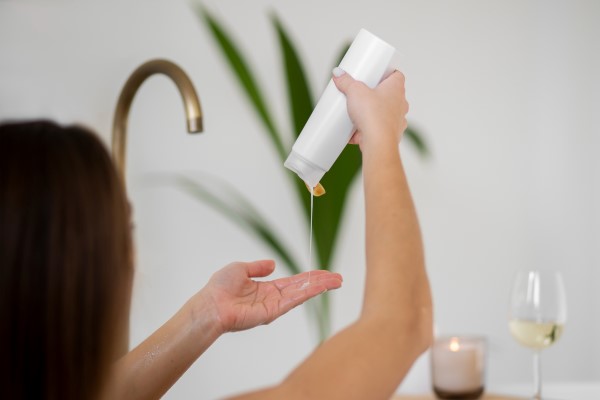
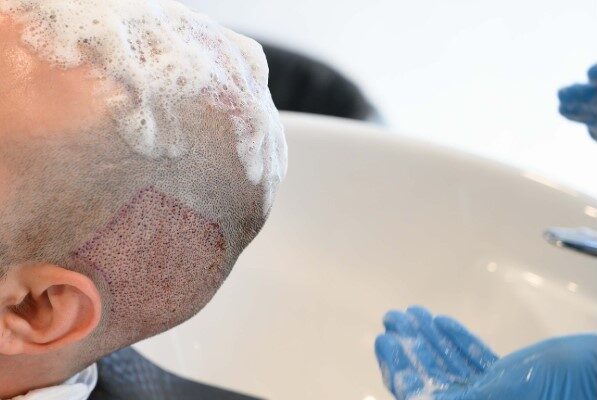
If shampooing your hair becomes necessary, exercise caution and moderation. Prepare a mixture of approximately 10 ml of shampoo in a bowl filled with lukewarm water and gently apply it to the transplanted area and the extraction site. During this critical healing period, it’s vital to avoid using any chemical-laden hair products that could compromise the healing process. Furthermore, refrain from standing directly under a high-pressure shower, as the intense pressure could disrupt the newly transplanted hair follicles.
Stitches
In hair transplantation, like FUE hair transplant, it’s standard practice to bid adieu to the stitches adorning your scalp within a window of seven to ten days post-surgery. However, the wise course of action here is to entrust the delicate task of stitch removal to a seasoned dermatologist who possesses the expertise to ensure a seamless transition in this crucial phase of recovery.
Physical activities
With your newly implanted hair, it becomes imperative to exercise caution when it comes to physical exertion. Avoid rigorous and demanding activities like powerlifting, arduous mountain treks, high-intensity cycling, a spirited game of golf, competitive tennis matches, or even leisurely swims.
This restraint is not just a precaution but an essential step in safeguarding the integrity of your scalp and preventing any undue stretching of the nascent scars. Start gently as you gradually reintegrate into your active lifestyle, allowing your entire system to adapt to the revised regimen gracefully without undue stress.
Intimacy’s interlude
Although the call of passion may beckon, such ideas should be put aside temporarily. Physical intimacy generates perspiration, which is counterproductive during this crucial healing period. Such activities can also elevate blood pressure and heart rate, which is not ideal for recuperation.
Bleeding
In the event of any mild bleeding occurring on the scalp post-transplant, a measured response is key. Gently applying gauze to the affected area is recommended. Care must be taken during this procedure to ensure the undisturbed convalescence of the newly implanted hair follicles.
Itching
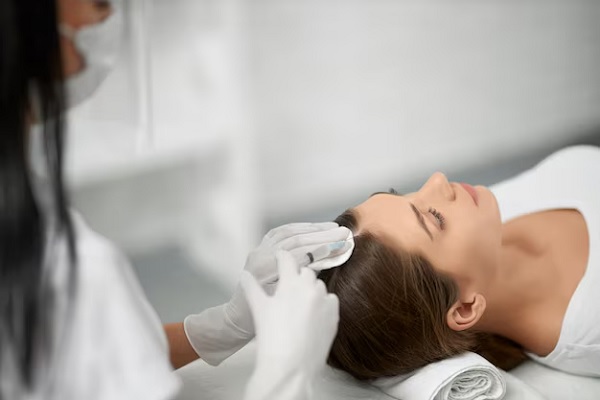
Sensations of tingling and itching may manifest on your scalp, especially in areas from which hair follicles were extracted. These sensations typically endure for a duration ranging from two weeks to three months. Consulting a dermatologist and obtaining an appropriate ointment tailored to your unique needs is a reliable strategy for quelling these sensations and ensuring your comfort during this phase.
Swelling
Swelling is another aspect of the post-transplant experience. It typically occurs within a day to three days following the procedure. This swelling might affect the forehead region and extend to the eyelids, particularly for people undergoing forehead reduction procedures.
Potential side effects of this swelling include headaches, which can vary from mild discomfort to more severe pain. To alleviate this discomfort, a judicious use of pain relievers is recommended. It is vital to adhere strictly to your dermatologist’s prescription for managing the swelling, ensuring a smoother healing journey.
Pain

Pain, as an expected companion in the aftermath of a hair transplant, often focuses its discomfort on the donor area. Should this discomfort surface, it’s highly recommended that you follow your dermatologist’s guidance on pain management. This typically involves taking prescribed painkillers at regular intervals, roughly every three hours, to ensure you experience maximum relief.
Why should you maintain hair transplants on forehead in women?
Proper maintenance of a hair transplant on forehead in women is crucial for preserving the outcome and ensuring long-term satisfaction. It not only supports the health of the transplanted follicles but also helps maximise the results. Let’s explore why post-procedure care is essential and how it affects your overall experience.
Protect your investment in the hair transplant on forehead in women
A transplant involves substantial hair transplant expenses, making it a significant personal and financial commitment. After investing time, resources, and undergoing surgery, consistent maintenance becomes vital. Neglecting care can lead to complications or diminished results, affecting both appearance and value.
Natural-looking results
The goal of this procedure is a natural look. To achieve this, it’s important to maintain the health and direction of the implanted hair. Good hygiene, the right products, and professional follow-ups prevent an artificial outcome. Skipping proper care might compromise the texture and integration with existing hair.
Boost confidence
Confidence is closely linked to how we perceive ourselves. A successful transplant often restores a youthful, fuller hairline, especially in women. Maintaining these results ensures you continue feeling positive about your appearance. Consistent care after surgery reinforces this renewed sense of self-assurance.
Preserve your new hairline after the hair transplant on forehead in women
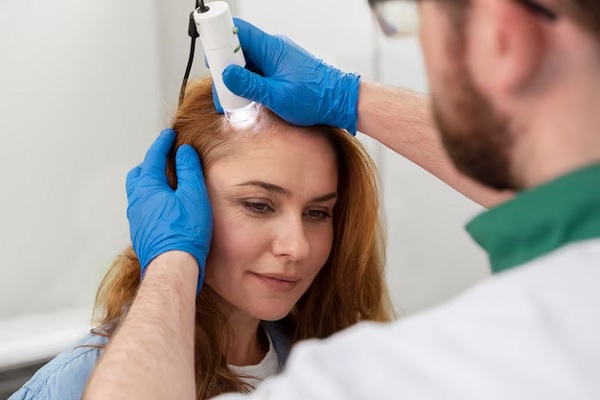
One primary goal of a forehead hair transplant is to create a natural and aesthetically pleasing hairline. Proper maintenance prevents the transplanted hair from receding or thinning, ensuring that your new hairline remains as perfect as the day it was created.
Psychological well-being
Hair loss can take a toll on your psychological well-being. Reversing this process with a hair transplant is a positive step. By maintaining your results, you can continue to enjoy the psychological benefits of a fuller head of hair.


Responsable – CAPIL SOLUTIONS. S.L
*Términos y condiciones
Finalidad – Dar respuesta a las solicitudes de información, y poder enviarle nuestras publicaciones, promociones de productos y/o servicios, gestionar los comentarios en el blog
Derechos Arco - Acceder, rectificar y suprimir los datos, así como otros derechos, como se explica en la información adicional.
info@capilclinic.us
Legitimación – Consentimiento
Destinatarios – No se cederán datos a terceros salvo obligación legal
Política de privacidad – Puede consultar nuestra política de privacidad aquí
*Política de privacidad