

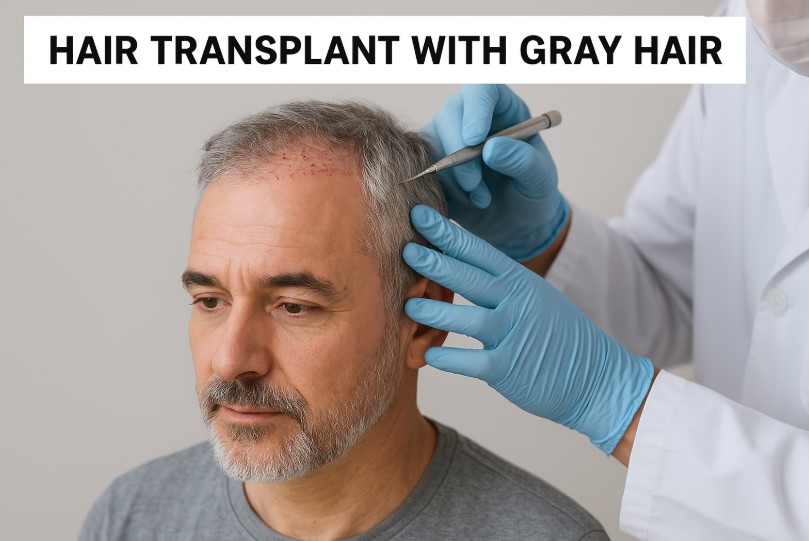
Hair transplant with gray hair is an effective solution for individuals seeking natural results without dyeing. It’s especially suitable for those with partially or fully grey hair, offering a discreet way to restore thinning areas. Many patients inquire about the hair transplant expenses, which vary depending on location and clinic standards.
The 5000 grafts hair transplant cost Turkey offers is particularly attractive, drawing international patients. Still, beyond price, it’s crucial to assess surgical expertise, hygiene, and aftercare. In hair transplant for men, grey hair adds complexity, but when handled precisely, it delivers excellent, natural-looking outcomes. A successful hair transplant with gray hair depends on choosing a certified clinic that tailors the procedure to your hair color, texture, and goals.
Can I have a hair transplant with gray hair?

Gray hair follicles often have a finer and more delicate structure, making them slightly more difficult to extract and implant successfully. These characteristics demand a skilled and experienced surgeon capable of handling the intricacies of working with different hair textures and tones, like the ones at the best Turkey hair transplant.
To obtain optimal outcomes, specialists must meticulously choose the most robust and viable follicles. They focus on proper orientation and placement to ensure natural growth patterns and a seamless appearance. Hair restoration for grey hair requires precision in aligning the hair direction, especially when combining it with darker follicles for a balanced and realistic look.
Surgeons may sometimes mix gray and pigmented hair grafts to increase density and improve the aesthetic outcome. Each case is unique, and treatment plans are customised according to hair colour, follicle health, and patient expectations.
Turkey is a popular destination for hair restoration due to its affordable prices and high-quality clinics. Clinics often provide comprehensive options, including a 5000 grafts hair transplant cost Turkey that may cover everything from accommodation to post-surgery care.
Find out how much your treatment costs today
What are the causes of hair transplant with gray hair?
Various factors, including genetics, hormonal changes, and medical conditions, can lead to hair loss and graying. The most common cause of hair loss in men and women is androgenetic alopecia, also known as male or female pattern baldness.
So, before we start talking about hair transplant on grey hair, let’s see what the main factors are that cause gray hair to appear, even at a young age. Understanding these causes helps determine the right timing and expectations when considering restorative procedures. (Source: GQ)
1- Genetics
Genetics plays a major role in determining when a person will experience gray hair. If one or both parents began graying early, their children are more likely to inherit this trait. Several specific genes regulate the production of melanin, the pigment responsible for hair color. These genes influence how efficiently pigment is transferred to hair strands.
Specialized cells called melanocytes produce melanin. Variations in certain genes, especially the MC1R gene on chromosome 16, can disrupt the transfer of melanin to the hair shaft. This disruption ultimately leads to premature graying of the hair. In some cases, individuals may notice strands turning silver or white even before their mid-twenties, depending on inherited patterns.
2- Stress

Oxidative stress is a major cause of premature hair graying. Free radicals build up in the body, leading to this stress. While normal metabolic processes generate these radicals, environmental factors like pollution and tobacco smoke also contribute. External triggers may amplify internal imbalances.
Over time, the damage caused by free radicals harms melanocytes, the cells that produce hair pigment. This damage impairs their function, leading to gray hair. Chronic stress further increases oxidative stress, worsening the damage to these vital cells and speeding up the graying process. Stress hormones like cortisol also tend to accumulate in the body the longer we live. Daily exposure to mental or emotional strain may accelerate follicular aging.
3- Diseases
Abnormalities in thyroid function can interfere with the hormonal signaling crucial for maintaining the health and vitality of melanocytes. Additionally, autoimmune diseases may mistakenly provoke the immune system to attack these vital pigment-producing cells. This mistaken response leads to pigment loss and may cause other hair texture changes.
Furthermore, deficiencies in essential nutrients such as Vitamin B12 or iron, especially when severe, can hinder the synthesis of melanin, the pigment that colors our hair, leading to the earlier onset of hair transplant with gray hair. In such cases, addressing the underlying health condition may slow down the graying process. Monitoring nutritional intake and ensuring balance may delay or reduce premature signs of aging.
Hair transplant with gray hair process

A hair transplant with gray hair follows the same steps as traditional procedures, but it requires careful planning to ensure natural results. Surgeons use advanced techniques to extract and place follicles, considering how colour and texture will blend over time. With the right approach, even fully gray or partially graying hair can be successfully transplanted for a natural and lasting outcome.
The surgeon extracts follicular units from a donor area, usually from the back and sides, and transplants them into the recipient site. A gray hair transplant procedure is safe and effective when performed by a skilled specialist. This technique works whether the hair is gray, thinning, or bald.
Blending gray and non-gray hair after transplant
After the transplant, donor hair that is not fully gray blends naturally as it grows in. Transplanting only gray hair may look less natural in areas that were not previously gray, but strategic placement can manage this effect.
Will transplanted hair turn gray over time?
Like natural follicles, transplanted hair will eventually turn gray. Still, grafting helps restore a fuller hairline or improve density in the short to medium term. For men with partial graying, this makes the procedure a practical and appealing solution. Touch-up sessions can later address further greying by adding new grafts.
Colouring options for transplanted gray hair
Colour treatments can improve uniformity during the transition from natural to gray. Although these require ongoing upkeep, they help transplanted hair blend seamlessly with existing strands.
Advances in hair transplant techniques for gray hair
Hair grafting techniques have developed rapidly in recent years. Modern procedures for gray hair transplantation are highly refined and deliver natural, aesthetically pleasing results.
Receive detailed information at no cost
How do hair follicles act?

Hair follicles are tiny structures that are located within the skin of the scalp. They play a vital role in hair production. Each hair strand is made up of a strong protein called keratin, which is synthesised inside these follicles. Hair follicles follow a natural cycle of growth, rest, and shedding to maintain healthy hair density. When a follicle enters the resting phase, the hair eventually falls out and is naturally replaced by new growth.
Hair follicles are not exclusive to the scalp; they are distributed across the entire body, although most densely packed in the scalp area. The number of hair follicles on the scalp differs from one individual to another. On average, a person has between 100,000 and 150,000 hair follicles on the scalp.
Understanding how follicles function is crucial for anyone considering treatments such as hair transplant with gray hair, as the success of the procedure depends on follicle viability. For those exploring options like hair transplant for men, knowing the natural life cycle of follicles can help set realistic expectations and improve outcomes.
Natural remedies to prevent hair graft with gray hair
One of the most effective home treatments is henna. Used for centuries in Indian culture for its hair conditioning properties, henna contains lawsone that adheres to the hair follicles. When applied, it masks the pigmentation of gray hair and gives the hair a lustrous shine.
1- Henna
Antioxidant-rich foods like berries, nuts, and green tea can also help maintain hair pigment. Gray hair is caused by oxidative stress that damages melanin pigment production over time. A diet rich in antioxidants fights free radical damage to the pigment stem cells in the follicles.
For an extra boost, massage coconut, argan, or olive oil into your hair before showering: its vitamin E content nourishes the strands, enhancing the success of hair transplants.
2- Antioxidants
Antioxidant-rich foods like berries, nuts, and green tea can also help maintain hair pigment. Gray hair is caused by oxidative stress that damages melanin pigment production over time. A diet rich in antioxidants fights free radical damage to the pigment stem cells in the follicles.
For an extra boost, massage coconut, argan, or olive oil into your hair before showering: its vitamin E content nourishes the strands, enhancing the success of hair transplants.
3- Anti-DHT supplements
Another option is herbal supplements containing natural DHT blockers. Saw palmetto and nettle extract act on dihydrotestosterone, a hormone linked to premature graying and hair loss.
Taking a daily supplement can promote the longevity of pigment cells and support healthy graft growth, especially important when undergoing a hair transplant treatment for grey hair.

Learn about the most advanced hair transplant techniques
With patience and consistency in using these gentle therapies, you can delay graying hair for years and keep it as vibrant as ever. Try including some of these tips for radiant, youthful hair in your routine.
Gray hair transplant outcomes
Transplanting gray hair brings unique challenges—such as fragility and reduced pigment—but studies have shown high graft survival rates and even surprising phenomena like repigmentation. Below is a snapshot of such findings, reinforcing the viability of gray-hair transplants with real-world evidence. (Source: ISHRS)
How to care for gray hair?
Taking care of gray hair requires a personalised approach to maintain its health and enhance its natural beauty over time. When considering a hair transplant with gray hair, understanding proper hair care is essential to preserve the transplanted follicles and keep your hair looking vibrant. As gray hair transitions, it often becomes drier and more vulnerable to damage, which makes targeted care even more important.
Therefore, adopting specific hair care tips can help you maintain the vibrant, healthy look of your gray hair and ensure long-lasting results after treatments. Up next, we’ll explore effective strategies for caring for gray hair, from choosing the right products to protecting it from environmental stressors and managing hair transplant expenses. (Source: PMC)
1- Use color-safe shampoo
Choosing the right shampoo is fundamental for caring for gray hair and maintaining transplanted hair. Opt for a shampoo made specifically for grays that is gentle and sulfate-free. Sulfates can strip precious colour from gray strands much more easily than other hair colours, leading to dullness.
For those who have undergone a hair surgery for grey hair, using gentle shampoos helps prolong the grafts’ vitality. Look for formulas that support scalp health while maintaining the natural silver tone.
2- Deep condition regularly
Moisture is key, as gray hair naturally tends to be drier and more brittle. To keep locks feeling soft and looking lush, deep-condition hair regularly yourself at home or with professional treatments. Hunt for a rich, nourishing conditioner without alcohol or dyes.
Then, slather generously onto damp hair once a week and leave in for 5-10 minutes before rinsing away the excess. This routine is especially crucial for those managing the healing phase of a hair transplantation on grey hair, ensuring the scalp and hair remain hydrated.
3- Choose hair products with dye
When picking hair styling products, seek out formulas containing natural dyes like henna, cinnamon, or camu camu in addition to moisturizing oils. These ingredients will work together to subtly enrich grays while also shielding strands from environmental stressors such as UV rays and pollution.
Look for products containing nourishing oils like argan oil, coconut oil, or jojoba oil to hydrate strands deeply. Natural dyes help maintain the brilliance of gray tones, which is important after investing in a hair transplant for aging hair.
4- Get olaplex treatments
If colouring hair helps disguise grays temporarily, request Olaplex bonding treatments from your hairstylist before and after each appointment. These repairs strengthen bonds in hair compromised by the colouring process, protecting delicate gray strands from breakage.
For patients who have undergone a grey hair restoration transplant, Olaplex treatments can also protect transplanted follicles, improving the overall quality and resilience of the hair.
5- Exfoliate your scalp weekly

Exfoliating your scalp weekly using a coffee scrub or gentle microdermabrasion deeply cleanses and stimulates follicles. It promotes circulation and healthy regrowth. The increased blood flow nourishes weakening gray hair at the root, supporting hair transplant success.
This simple routine helps maintain a healthy scalp environment, which can positively impact hair transplant expenses by reducing the need for corrective treatments.
6- Protect from sun damage
In warm months when rays are strongest, grays demand protection from sun damage and discoloration. Wear a wide-brimmed hat or seek UV-filtering hair products to shield strands and keep silvers looking radiant.
This advice applies equally to natural gray hair and hair following a hair transplant with gray hair, as sun exposure can weaken new grafts and cause premature fading.
7- Consider supplements
Consult your doctor before beginning any supplements to nourish hair from within. Consider supplements containing biotin, vitamin D, and keratin to actively feed the hair bulb and maintain lush locks.
These nutrients are beneficial for everyone, but especially important for those who want to support the growth of transplanted gray hair and optimise the longevity of their investment. Managing hair transplant expenses wisely includes investing in proper nutrition to boost hair health naturally.
Request your free hair transplant evaluation in Turkey
Faq’s
Can you get a hair transplant with gray hair?
Yes, you can get a hair transplant with gray hair. The procedure works the same way as it does for darker hair, since follicles are transplanted regardless of color. What matters most is the health and density of the donor area.
Does gray hair affect hair transplant results?
Gray hair does not affect the success of a hair transplant. However, because gray and white hairs can reflect less light, they may give the illusion of less density compared to darker hair. Skilled surgeons account for this when planning the procedure.
Is a hair transplant more difficult with gray hair?
Transplanting gray hair can be slightly more challenging because lighter hairs are harder to see under magnification. Surgeons may use special lighting or dye the donor hair temporarily to improve visibility during the procedure.
Do transplanted gray hairs stay gray?
Yes, transplanted hair keeps its natural characteristics, including color. If the donor hair is gray, it will remain gray after transplantation. Over time, if the rest of your hair continues to lose pigment, the transplanted hair will age naturally too.
Can gray hair regrow after a transplant?
The transplanted gray hair will regrow just like normal hair. The follicles remain healthy and continue to produce hair for a lifetime. As with any transplant, growth may take a few months to become noticeable.
Is a hair transplant with gray hair suitable for older patients?
Yes, many older patients choose hair transplants with gray or thinning hair. Age itself is not a limiting factor, as long as the patient is in good health and has a sufficient donor area for transplantation.
How much does a gray hair transplant cost?
The cost of a hair transplant with gray hair is generally the same as with any other hair color. Pricing depends on factors like the number of grafts, the clinic’s location, and the surgeon’s expertise, not the color of the hair.
Conclusion
Hair transplant with gray hair is a viable and popular solution. It helps restore hair density and a youthful appearance despite natural greying. Advanced techniques use follicular unit extraction and implantation. The result looks natural and blends well with existing hair. This approach also addresses unique concerns like texture and colour. It guarantees optimal results for graying hair.
Performing hair restoration on gray hair needs specialised knowledge and experience. Hair transplant experts tailor treatments to these factors carefully. Using gentle, colour-preserving shampoos helps maintain hair health. Nourishing conditioners also support strength and vibrancy. A diet rich in antioxidants further benefits transplanted gray hair.
If you consider a hair transplant with gray hair, seek expert guidance and care. Our experienced team specialises in personalised hair restoration treatments. We design these treatments to meet your unique needs. Take the first step to reclaim your confidence and fuller hair. Explore the options available at Capilclinic.us today!


Responsable – CAPIL SOLUTIONS. S.L
*Términos y condiciones
Finalidad – Dar respuesta a las solicitudes de información, y poder enviarle nuestras publicaciones, promociones de productos y/o servicios, gestionar los comentarios en el blog
Derechos Arco - Acceder, rectificar y suprimir los datos, así como otros derechos, como se explica en la información adicional.
info@capilclinic.us
Legitimación – Consentimiento
Destinatarios – No se cederán datos a terceros salvo obligación legal
Política de privacidad – Puede consultar nuestra política de privacidad aquí
*Política de privacidad