

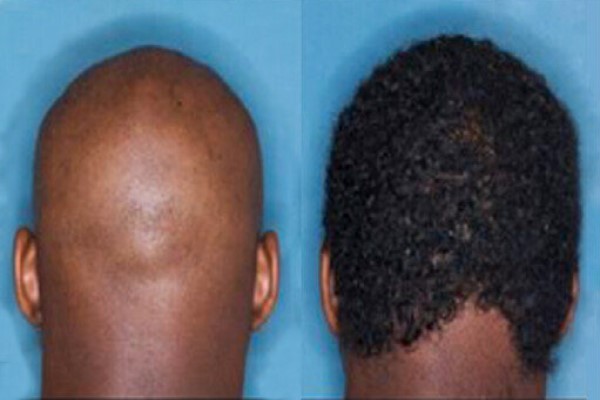
JAK inhibitors for alopecia areata represent a transformative advance in the treatment of this autoimmune disease. Alopecia areata is a complex and unpredictable disease characterized by irregular hair loss, and for years, the available therapeutic options were limited and often unsatisfactory. However, the introduction of these JAK inhibitors has opened new avenues for patients, offering hope and the possibility of significant hair regrowth.
A vital aspect of this breakthrough is the understanding of the underlying mechanisms of alopecia areata. Researchers have discovered the pivotal role of the Janus kinase (JAK) pathway in the autoimmune response that leads to hair follicle destruction. In this article, we will learn more about these JAK inhibitors for alopecia areata that can help you control this autoimmune disease.
How JAK inhibitors help with Alopecia Areata
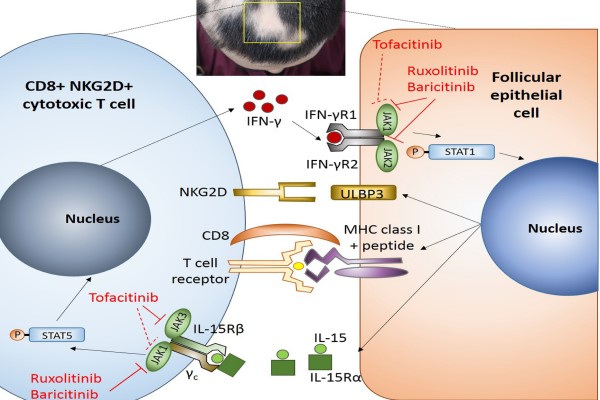
JAK inhibitors for Alopecia Areata work by targeting the JAK-STAT pathway, a key signalling mechanism in the immune system. Normally, this pathway helps the body respond to infections and regulate immune activity. However, in Alopecia Areata, it becomes overactive, causing immune cells to attack hair follicles. By blocking the JAK enzymes, these medications disrupt the JAK-STAT signalling, effectively reducing inflammation around the hair follicles and allowing them to recover.
Clinical studies have shown that JAK inhibitors can provide meaningful results, even in severe cases. On average, about 30–40% of patients with extensive hair loss experience significant improvement after using these medications. Some individuals may see partial or full hair regrowth within 3–6 months, although response times vary depending on the severity of the condition and the type of JAK inhibitor used.
It’s important to note that results are not permanent without ongoing treatment. Many patients require continued use to maintain hair growth, and doctors usually monitor them carefully to manage potential side effects. Despite this, JAK inhibitors represent a significant breakthrough in managing Alopecia Areata, particularly for those who have not responded to conventional therapies such as corticosteroids or topical immunotherapy.
What are JAK Inhibitors for Alopecia Areata?
JAK inhibitors for Alopecia Areata are a class of medications that target specific signalling pathways in the immune system. In simple terms, they work by blocking enzymes called Janus kinases (JAKs), which are responsible for sending inflammatory signals in the body. In Alopecia Areata, the immune system mistakenly attacks hair follicles, leading to patchy hair loss or, in severe cases, complete hair loss on the scalp and body.
By blocking JAK enzymes, these medications help calm the immune attack and create an environment where hair follicles can potentially recover and produce new hair. Several main types of JAK inhibitors have been studied and used for Alopecia Areata, each with slightly different targets and forms of administration.
What is the role of JAK enzymes in the immune system?
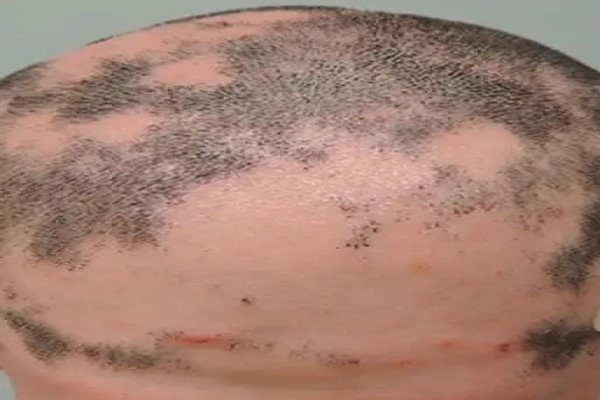
JAK enzymes, which include JAK1, JAK2, JAK3, and TYK2, play a critical role in immune signaling. These intracellular tyrosine kinases transmit signals from cell surface receptors to the nucleus, regulating the activity of immune cells such as T cells, B cells, and natural killer cells.
When cytokines or other immune molecules bind to their receptors, they activate JAK enzymes. This activation phosphorylates and activates STAT proteins, which then move into the nucleus. Once there, STAT proteins control the expression of genes essential for immune response, cell growth and differentiation.
Advantages of JAK Inhibitors for Alopecia Areata
Revolutionary advancements have been made in the treatment of alopecia areata using JAK inhibitors. These medications offer a promising solution for people suffering from this autoimmune condition. Among the main advantages are:
1- Efficacy
JAK inhibitors deliver impressive results by stimulating significant hair regrowth in individuals with alopecia areata. Clinical trials consistently show that up to 50% of patients achieve at least 80% scalp coverage after treatment. This outcome represents a substantial improvement compared to traditional therapies, which often provide only temporary or minimal benefits. These innovative medications set a new standard in treating this challenging condition.
2- Targeted mechanism of action
JAK inhibitors target the immune dysfunction that drives the autoimmune attack on hair follicles in alopecia areata. By inhibiting JAK enzymes, these treatments disrupt the inflammatory process responsible for the condition. This targeted approach directly addresses the root cause, enabling hair follicles to recover and regrow hair rather than merely masking symptoms.
3- Sustained results
Unlike conventional treatments that offer only short-term improvements, JAK inhibitors for alopecia areata provide more durable hair regrowth and better disease management. Clinical studies reveal that patients maintaining their JAK inhibitor regimen experience sustained results over time. This durability makes these therapies a resilient solution for those struggling with alopecia areata’s ongoing challenges.
4- Broader treatment applicability
JAK inhibitors effectively manage various severities and patterns of alopecia areata, including localized patches and widespread hair thinning. Their adaptability enables healthcare providers to tailor treatment plans to individual patient needs. This flexibility moves beyond a one-size-fits-all approach, offering personalized care for optimal outcomes.
5- Improvement in quality of life
The remarkable hair regrowth facilitated by JAK inhibitors significantly enhances patients’ quality of life. Beyond physical transformation, regaining hair boosts confidence, reduces social stigma, and improves overall well-being. These therapies address emotional and psychological challenges, offering comprehensive relief to those affected.
The success of initial JAK inhibitors has spurred continuous research into new molecules and formulations. Ongoing innovation promises even more effective and patient-friendly options in the future. This progress offers hope for advancing the management of this complex and distressing condition.
Disadvantages of Jak Inhibitors for Alopecia Areata

When treating alopecia areata, JAK inhibitors provide a promising option. However, it’s important to recognize and understand the potential risks and side effects associated with their use. Here are some of the known risks to keep in mind:
1- Limited long-term safety data
One major concern is the lack of extensive long-term safety data. Since JAK inhibitors are relatively new for alopecia areata, their prolonged effects on the body remain unclear. Patients and healthcare providers must weigh the unknown risks against the potential benefits, especially with extended use.
2- Risk of adverse effects
JAK inhibitors can cause adverse effects, including upper respiratory infections, headaches, and acne, which are typically manageable. However, serious risks like increased infections or changes in blood cell counts may occur, necessitating close monitoring throughout treatment.
-
Infections – because the immune system is partially suppressed, there is a slightly higher risk of common infections, including colds or urinary tract infections.
-
Changes in cholesterol levels – some patients may see elevated cholesterol, which requires monitoring and possibly lifestyle adjustments.
-
Liver enzyme changes – certain JAK inhibitors can affect liver function, so regular blood tests are recommended to track enzyme levels.
-
Other minor effects – fatigue, headaches, and gastrointestinal upset are sometimes reported, depending on the medication and dose.
3- Variability in treatment response
The response to JAK inhibitors varies among patients due to the disease’s heterogeneous nature. Some patients may see limited or temporary results, requiring alternative therapies or adjustments to their treatment plans.
4- Potential for relapse
Even after significant regrowth, patients face the risk of relapse upon discontinuing the medication. Studies suggest hair loss may recur, emphasizing the need for long-term maintenance strategies or intermittent treatment to sustain results.
5- Accessibility and affordability
These inhibitors are more expensive than traditional treatments, limiting their accessibility. Patients with financial constraints or healthcare systems with limited resources may find these therapies unattainable, exacerbating disparities in treatment availability.

Despite their promise, JAK inhibitors for alopecia areata leave many questions unanswered. Researchers still need to explore optimal treatment durations, the potential role of combination therapies, and the long-term impact on the immune system. These gaps highlight the need for continued investigation.
Comparing JAK Inhibitors for Alopecia Areata
The following table summarises the main JAK inhibitors, their typical administration, common side effects, and effectiveness in clinical studies:
| Drug | Dosage | Common Side Effects | Effectiveness |
|---|---|---|---|
| Baricitinib | Oral | Fatigue, infections | 60–70% regrowth |
| Tofacitinib | Oral | Gastrointestinal upset | 50–60% regrowth |
| Ruxolitinib | Topical | Mild skin irritation | 40% regrowth |
FDA approval of JAK Inhibitors for Alopecia Areata

The approval of JAK inhibitors by the FDA marked a breakthrough in managing alopecia areata. In 2022, the FDA approved baricitinib (Olumiant) as the first JAK inhibitor specifically for this condition. This landmark decision expanded access to an innovative therapy, ushering in a new era for patients with moderate to severe alopecia areata. Clinical trials revealed remarkable results, with many patients achieving at least 80% scalp hair coverage.
In 2023, the FDA further advanced treatment options by approving ritlecitinib (marketed by Pfizer) for adults and children aged six and older. Together, these approvals have revolutionized care. They provide targeted treatments that address the autoimmune root cause of alopecia areata, moving beyond symptom management and offering new hope to affected individuals.
Faq’s
What are JAK inhibitors for Alopecia Areata?
JAK inhibitors are medications that target Janus kinase enzymes involved in the autoimmune process causing hair loss in Alopecia Areata. By blocking these enzymes, the drugs reduce inflammation around hair follicles, potentially allowing hair to regrow. They offer a promising treatment option for those with patchy or extensive hair loss.
How effective are JAK inhibitors for hair regrowth?
Effectiveness varies depending on individual factors such as age, disease duration, and severity. Clinical studies show that around 50–70% of patients experience noticeable hair regrowth after several months of consistent treatment. Results may take time, and some people might require ongoing therapy to maintain hair density and prevent relapse.
Are JAK inhibitors safe for long-term use?
JAK inhibitors are generally safe under medical supervision, but long-term use carries potential risks. Common concerns include increased susceptibility to infections, elevated cholesterol levels, and changes in liver function tests. Regular monitoring by a healthcare professional is crucial to detect and manage any side effects promptly.
What are the common side effects of JAK inhibitors?
Typical side effects include fatigue, mild infections such as colds or flu, gastrointestinal issues, and temporary changes in blood tests like liver enzymes or cholesterol. Serious complications are rare but possible. Patients should report any unusual symptoms to their doctor to ensure the treatment remains safe and effective.
Can children use JAK inhibitors for Alopecia Areata?
Some JAK inhibitors have been studied in adolescents and older children, but use should always be under strict dermatologist supervision. Dosing differs from adults, and long-term safety data are limited. Careful monitoring is required to ensure the treatment is effective while minimising potential risks or adverse effects in younger patients.
Conclusion
JAK inhibitors for alopecia areata revolutionize its treatment by delivering targeted and effective therapies that address its autoimmune root. These treatments not only promote significant hair regrowth but also enhance quality of life and provide long-lasting results. Consequently, they establish a new benchmark for managing this challenging condition. However, the presence of challenges, including limited long-term safety data, potential side effects, and accessibility barriers, emphasizes the importance of ongoing research and careful evaluation. The FDA’s approvals of baricitinib and ritlecitinib represent a significant advancement, granting wider access to these groundbreaking therapies.


Responsable – CAPIL SOLUTIONS. S.L
*Términos y condiciones
Finalidad – Dar respuesta a las solicitudes de información, y poder enviarle nuestras publicaciones, promociones de productos y/o servicios, gestionar los comentarios en el blog
Derechos Arco - Acceder, rectificar y suprimir los datos, así como otros derechos, como se explica en la información adicional.
info@capilclinic.us
Legitimación – Consentimiento
Destinatarios – No se cederán datos a terceros salvo obligación legal
Política de privacidad – Puede consultar nuestra política de privacidad aquí
*Política de privacidad