

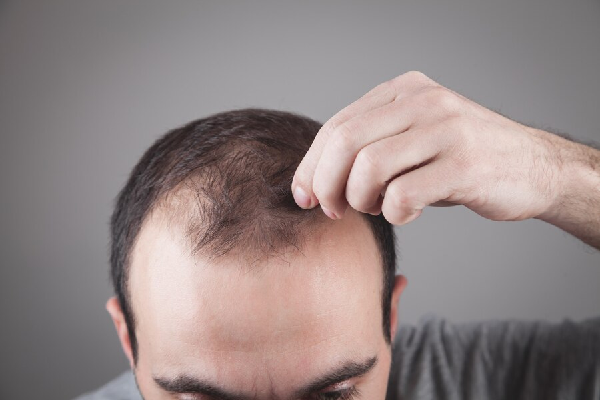
Widespread and unavoidable, air pollution permeates diverse environments, making it challenging to manage our level of exposure. Beyond its recognized impact on the skin, emerging evidence indicates a noteworthy connection between air pollution influence hair loss. The implications extend to the scalp, introducing substantial consequences.
Residual pollutants from the air can accumulate on our hair, resulting in a lackluster, soiled, and untidy appearance. Additionally, this contamination may play a contributory role in more intricate problems, including the significant issue of hair loss. Enclosed is a comprehensive overview of the pertinent information on this intricate relationship.
How Pollution Can Lead to Hair Loss and Impact Hair Health

The Impact of Air Pollution on Hair Health
Recent research has shed light on the intricate interplay between exposure to air pollutants, specifically particulate matter (PM), and a consequential decrease in a vital protein found within the cells of hair follicles. This particular protein is instrumental in fueling and sustaining the development of hair. Upon exposure to common air pollutants—such as byproducts emanating from the combustion of fossil fuels and general particle dust—follicle cells undergo a transformation in their functionality. The outcome is a notable reduction in their capacity to generate new hair growth. In simpler terms, the very cells responsible for fostering hair development lose their effectiveness in the face of pollution, ultimately contributing to hair loss.
The severity of this hair loss is directly proportional to the extent of pollution to which the follicles are exposed. To put it succinctly, the more extensive the exposure to pollution, the more pronounced the adverse impact on hair health. A growing body of comprehensive studies consistently underscores the pivotal role played by pollution in influencing the occurrence of hair loss.
Air Pollution Fades Hair Color

Exposure to air pollution can result in oxidative stress affecting the color of our hair. This phenomenon mirrors the gradual loss of vibrancy in our skin over time due to oxidative stress. The influence of free radicals on hair manifests in diverse ways, including the noticeable loss of color, commonly recognized as the graying of hair, and in some cases, even leading to hair loss.
The reduction in pigment is a natural aspect of the aging process, but the pace at which it occurs is intricately connected to the intensity of oxidative stress. Essentially, oxidative stress, induced by exposure to pollutants, can expedite the natural process of hair pigment reduction, ultimately affecting the appearance of our hair.
Air Pollution Influence Hair Loss Buildup

The impact of air pollution on hair loss is a multifaceted process intricately linked to the accumulation of particulate matter, comprising minuscule particles and droplets commonly associated with air pollution. Over the course of time, these microscopic elements amass on the scalp, giving rise to issues such as persistent dandruff and irritation. The failure to effectively eliminate this buildup and shield the scalp can potentially pave the way for air pollution to exert a detrimental influence on the natural hair growth process.
This influence extends beyond the scalp, permeating the very strands of your hair. The consequential buildup can manifest in your hair appearing and feeling dirty, presenting a lackluster and weighed-down appearance. The particles encompassing dust, pollutants, filth, and daily grime, encountered routinely, gradually adhere to each individual strand. This phenomenon mirrors the accumulation on the skin when proper cleansing measures are neglected.
Pollutants Accelerate the Natural Aging Process of Hair
The premature aging of hair, akin to the accelerated aging of skin due to oxidative stress, is significantly influenced by exposure to environmental pollutants. While the natural graying of hair is a well-known aspect of the aging process, we aim to unravel the intricacies of various dimensions of hair aging.
Among the observed phenomena are not only the typical graying but also a broader spectrum of aging indicators. These include a notable decline in the overall production of hair, coupled with a reduction in the size of both hair follicles and individual strands. Delving into the molecular level, oxidative stress emerges as a key player in these transformations.
Oxidative stress, triggered by prolonged exposure to air pollution, manifests in the accelerated aging of hair. It not only contributes to the graying process but also plays a significant role in the general decline of hair production and the shrinkage of follicles and strands. The intricate interplay between environmental pollutants and the biological processes governing hair health highlights the multifaceted nature of premature hair aging.
How To Protect Your Hair

Embrace the Benefits of Collagen Supplementation
In a world where shielding oneself entirely from the impacts of pollution is unattainable, the focus shifts to repairing internal damage caused by free radicals. Hair, composed mainly of keratin—a protein, and structural lipids, demands various amino acids for its construction. The essential amino acids, crucial for keratin synthesis, are predominantly present in collagen peptides. Facilitating this process involves consuming abundant antioxidants like vitamins C and E, and supporting your body with hydrolyzed collagen supplements.
The building blocks of cell membranes and hair, known as amino acids, share a common composition. Key to keratin, a vital substance in hair, is the amino acid proline, also found in collagen peptides. Maintaining adequate levels of these essential components is suggested for overall well-being. Supporters argue that consuming these amino acids can contribute to sustaining natural levels, offering a compelling reason to include them in your diet. Additionally, collagen supplements may possess antioxidant properties, potentially counteracting the adverse effects of free radicals induced by oxidative stress.
To promote healthier hair, focus on eliminating pollutants from both the scalp and hair. This holistic approach aims to address external factors that may impact hair health.
Embrace a Shampoo Combating Environmental Stress
Suppose you find yourself deeply concerned about the adverse effects of prevalent air pollution. In such a scenario, it would be prudent to explore the option of investing in a specialized shampoo meticulously formulated to counteract and alleviate these environmental impacts. This innovative shampoo goes beyond ordinary cleansing. It’s designed to thoroughly purge your strands and scalp of any detrimental pollutants and debris. Notably, it doesn’t stop at cleansing alone but also ensures that vital components such as natural oils and powerful antioxidants are retained. This unique blend not only cleanses but also actively contributes to the health and vitality of your hair.
The inclusion of beneficial elements serves a dual purpose. Firstly, it actively works to seal the hair’s cuticle, providing a protective shield against external pollutants and damage. Secondly, these retained components contribute to the overall preservation of your hair, imparting a visibly healthier and more vibrant appearance. By making a conscious choice to incorporate this advanced shampoo into your hair care routine. You can expect not only cleanliness but also a renewed sense of well-being for your hair. It’s a holistic approach to hair care that addresses not just the visible aspects but also the underlying health. Ensuring your hair not only looks but genuinely feels healthier.
Prioritize the Health of Your Scalp for Optimal Hair Care

The vitality of your hair and its aesthetic appeal is intricately tied to the condition of your scalp. Identifying early signs of scalp inflammation, including the presence of buildup, redness, irritation, or heightened sensitivity, necessitates the initiation of a well-thought-out and regular scalp-care regimen. When left unaddressed, severe accumulation on the scalp can have detrimental effects, potentially leading to hair loss. The intensity of irritation surrounding the hair follicles can disrupt the natural growth cycle, resulting in increased hair shedding. To counteract these issues, it is imperative to adopt proactive measures aimed at sustaining a healthy and balanced scalp environment.
Embarking on a comprehensive scalp-care routine involves not only addressing visible symptoms but also understanding the underlying factors contributing to inflammation. This could include considerations such as lifestyle, diet, and environmental factors that may impact scalp health.
Safeguard Your Tresses With Sunscreen
It’s not just your skin that faces the consequences of ultraviolet light. Your scalp is equally susceptible, exacerbating the detrimental effects of environmental pollution. The relentless penetration of UV rays onto your scalp underscores the need for a comprehensive protective strategy. Shielding your hair and scalp from the pervasive influence of pollution may seem like an insurmountable task. But a nuanced approach can make a significant difference. Consider incorporating specialized styling products into your hair care routine – those armed with a multi-layered defense system. Seek out formulations that boast UV filters, creating a robust barrier against the sun’s harmful rays. These filters act as a first line of defense, preventing UV light from penetrating deep into your hair shaft and scalp.
But protection doesn’t end there. Opt for products infused with conditioning agents, designed not only to enhance the texture. And manageability of your hair but also to provide an extra layer of defense. These conditioning chemicals create a shield that helps mitigate the adverse effects of pollution, leaving your hair not only looking healthy but also resilient. Furthermore, explore products that contain free radical scavengers. These substances actively combat the oxidative stress induced by pollutants, preventing damage at the molecular level. By neutralizing free radicals, these scavengers contribute to maintaining the vitality and integrity of your hair.
Conclusion
The well-being of our hair and scalp undergoes a significant influence from pollution. Emanating from both outdoor and indoor sources of particulate matter. Given the limited control one has over daily exposure to pollution. It becomes crucial to maintain hair health through the application of antioxidants. The use of supplements, and adopting proper washing routines.


Responsable – CAPIL SOLUTIONS. S.L
*Términos y condiciones
Finalidad – Dar respuesta a las solicitudes de información, y poder enviarle nuestras publicaciones, promociones de productos y/o servicios, gestionar los comentarios en el blog
Derechos Arco - Acceder, rectificar y suprimir los datos, así como otros derechos, como se explica en la información adicional.
info@capilclinic.us
Legitimación – Consentimiento
Destinatarios – No se cederán datos a terceros salvo obligación legal
Política de privacidad – Puede consultar nuestra política de privacidad aquí
*Política de privacidad