

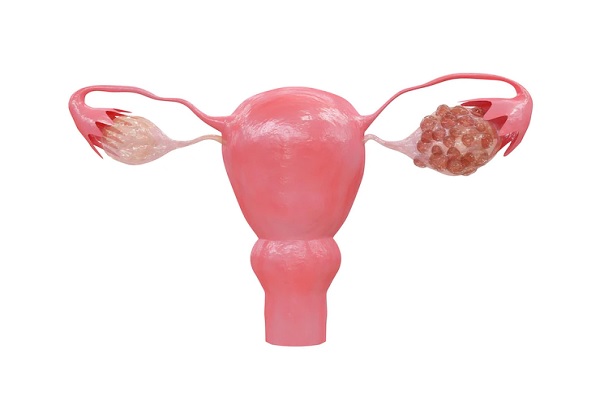
Hair loss is a particularly distressing consequence of polycystic ovarian syndrome (PCOS), affecting individuals both physically and emotionally. When you begin to notice a significant increase in hair shedding or a noticeable thinning of your hairline, it becomes crucial to delve into the root causes of this issue and explore the available treatments. In this discussion, we will delve into the intricate relationship between polycystic ovary syndrome and hair loss, shedding light on the complexities involved and potential solutions.
Relationship Between Polycystic Ovary Syndrome And Hair Loss
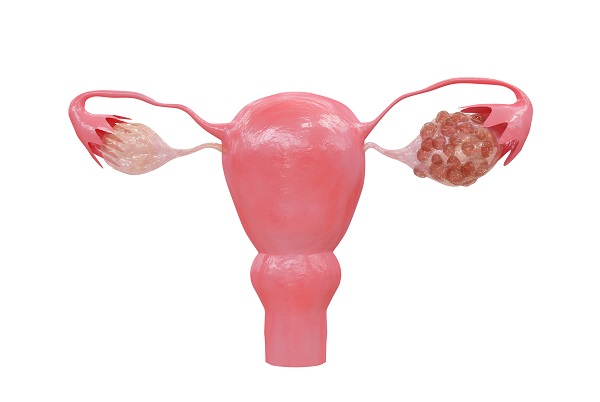
Emerging evidence suggests a correlation between hair loss in women and Polycystic Ovary Syndrome (PCOS). This association is rooted in the heightened levels of androgenic hormones prevalent in those with PCOS, resulting in a spectrum of issues such as thinning hair, acne, and hair that exhibits fragility, brittleness, and susceptibility to breakage. Additionally, this hair tends to be damaged and dry. Androgenic alopecia, commonly known as pattern baldness, is an outcome of hormonal imbalances. The nuanced characteristics of this condition encompass:
Localized Hair Loss Patterns
The preeminent areas affected by hair loss are the frontal and parietal (side) regions of the scalp. This localization contributes to a distinct pattern of hair thinning.
Gradual Thinning in the Parting Region
The hair follicles in the parting region undergo a gradual thinning process, leading to a noticeable reduction in hair density over time. This phenomenon further accentuates the manifestation of androgenic alopecia.
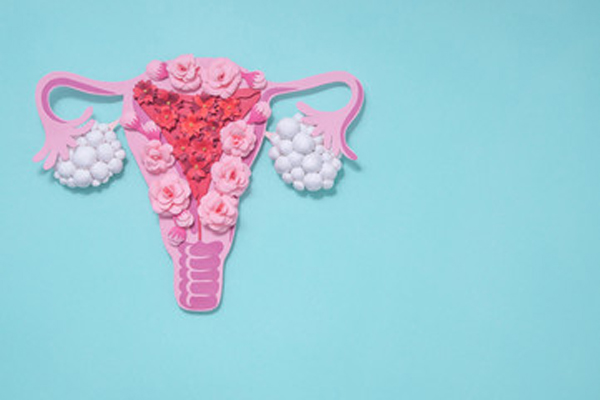
Temporal Thinning and Receding Hairline
The temples serve as a focal point for the initiation of hairline thinning and recession. Observable changes in the hairline, especially around the temples, add to the multifaceted nature of androgenic alopecia associated with PCOS.
Restoring a harmonious hormonal balance is essential to address the problem at hand. Specialized medical professionals, such as gynecologists and endocrinologists, employ a range of intricate examinations to achieve this goal. They then provide recommendations for hormone-based interventions to rectify the imbalance. In addition to the previously outlined factors, a variety of other elements can contribute to hair loss. These include:
Environmental Factors
Exposure to severe temperatures, whether excessively hot or cold, can adversely affect the health of your hair follicles, potentially leading to hair loss.
Health Conditions
Prolonged infections and chronic diseases may contribute to the weakening of hair roots and result in hair loss over time.
Medication Side Effects
The use of specific pharmaceuticals as part of medical treatments can have unintended consequences, including hair loss.
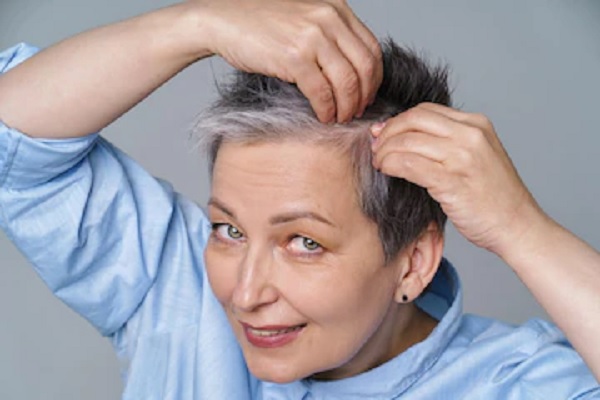
Nutritional Deficiencies
Anemia, often linked to an insufficient intake of iron, can negatively impact the blood flow to the hair follicles, affecting their health and leading to hair loss.
Vitamin and Mineral Imbalances
A deficiency in essential vitamins and minerals required for overall well-being can also manifest in hair loss, as the hair follicles depend on a balanced nutrient supply.
Emotional and Psychological Factors
High-stress levels, whether due to work, personal life, or other factors, can contribute to hair loss. The intricate relationship between stress and hair health is a notable aspect of understanding the causes of hair loss.
Exploring these diverse factors provides a comprehensive view of the various elements that can impact hair health and contribute to hair loss in different individuals.
Hair Thinning and Other Symptoms Connected To Polycystic Ovary Syndrome
Polycystic Ovary Syndrome (PCOS) can manifest in increased hair loss, presenting itself in various ways. Beyond the typical shedding, individuals with PCOS often observe an excess of fallen hair on clothing and furnishings. Moreover, nightly accumulations on the pillow and noticeable clumps during showers become commonplace.
The impact on hair occurs through two primary mechanisms in PCOS: first, there’s a loss at the root, where the entire hair, including the follicle, is shed; second, breakage of the hair strand happens, exacerbated by dryness, making it more susceptible to damage from brushing and exposure to heat. These distinctive patterns of hair loss are notably more prevalent in women with PCOS.
The aesthetic characteristics of PCOS-affected hair go beyond mere quantity. Hair may exhibit increased fragility, making styling a more intricate task that often necessitates the use of additional products to impart body and fullness. Beyond the visual aspect, individuals with PCOS may also contend with issues like buildup and dandruff. Furthermore, the scalp itself undergoes changes, potentially becoming drier and more prone to itching, adding another layer of discomfort to the array of challenges associated with PCOS.
Is It Possible to Reverse Hair Loss Caused By PCOS?
Diagnosing PCOS involves evaluating clinical indicators, utilizing ultrasound, and conducting blood tests. Addressing hair loss related to PCOS requires managing and rectifying the root cause, often a hormonal imbalance. Healthcare professionals can offer guidance on treatment options for PCOS if it’s identified as the culprit. To mitigate extensive hair loss, individuals with PCOS need to undergo thorough treatment, which proves beneficial in preventing further complications.
- Promote an optimal hormonal balance
- Revitalize and nourish hair follicles for enhanced vibrancy.
Embarking on a holistic approach to well-being involves embracing a lifestyle that incorporates effective stress management strategies, consistent physical exercise, and a nutritional regimen characterized by a reduced intake of carbohydrates. This comprehensive approach is designed to synergistically support and enhance the overall effectiveness of the treatment for maintaining healthy hormones and promoting robust hair follicle rejuvenation.
How To Cure Hair Loss Caused By Polycystic Ovary Syndrome
Therapeutic options exist for addressing hair loss associated with Polycystic Ovary Syndrome (PCOS). Conventional remedies, including treatments for hair, specialized shampoos, and vitamins tailored for skin, hair, and nails, offer promising starting points. In cases where conventional methods prove ineffective, consulting with a healthcare professional may open avenues for alternative strategies.
What To Do To Avoid Alopecia In Children
Effectively managing PCOS-related hair loss requires a multifaceted approach. External interventions encompass the use of high-quality hair care products, while internal strategies involve adopting a well-rounded approach to diet and regular exercise. Seeking guidance from a healthcare professional is imperative to explore the potential benefits of various medications. Patience is key, as visible improvements from these treatments may manifest anywhere from six months to a year. Consistent adherence to prescribed medication schedules and routine hair care rituals is paramount for optimal results.
The intricate connection between hormonal imbalances and hair thinning necessitates a focus on regulating hormone levels. This is particularly relevant for individuals experiencing PCOS-related hair issues. Beyond external and internal care, addressing hormonal imbalances becomes pivotal for a comprehensive approach to hair restoration.
Delving into the nutritional aspect
Minerals such as magnesium, iron, and zinc play crucial roles in overall health, including hair health. Sources like nuts, legumes, eggs, and mushrooms provide these essential minerals. Notably, PCOS is often associated with reduced ferritin levels, a primary contributor to hair loss. Managing iron deficiency through a combination of iron-rich foods and supplements can significantly enhance iron levels and contribute to improved hair health. Expanding the spectrum, minerals like zinc and selenium, along with nutrients such as choline, silicon, and biotin (vitamin B7), are indispensable for robust hair development. These components collectively contribute to the intricate matrix of factors influencing hair health.
A nuanced understanding of the interconnected dynamics of external care, internal health, and hormonal balance is pivotal for an effective and detailed management strategy tailored to address the complexities of PCOS-related hair concerns. Choosing the right products is a pivotal aspect of nurturing the growth of healthy hair. It’s imperative to steer clear of hair care formulations that incorporate mineral oils or wax, as these components have the potential to create a barrier on the scalp. This barrier, in turn, can disrupt the regular production of sebum by the sebaceous glands, which is essential for maintaining hair health. Opting for products enriched with hydrolyzed proteins such as collagen, keratin, and vitamin B can prove beneficial for the overall well-being of your hair.
Moreover, subjecting your hair to elevated temperatures, such as those generated during blow drying or through the use of curling irons, can contribute to structural damage. Similarly, the application of harsh chemicals found in hair dyes, straighteners, perms, or relaxers poses a threat to the integrity of already fragile hair. It’s crucial to be mindful of these factors to ensure the enduring health and vitality of your hair.
Medical Treatments
There exist various medical interventions designed to address the challenges posed by polycystic ovary syndrome (PCOS) and the consequential hair loss. Individuals grappling with this condition and experiencing related scalp issues like dandruff and dryness may find relief through a range of treatments recommended by healthcare practitioners.
To counteract hair loss and tackle scalp problems, healthcare providers may propose antiandrogens, oral contraceptives, or the application of prescription-strength therapeutic shampoos. Each of these approaches targets specific aspects of PCOS-related symptoms, contributing to an overall improvement in the patient’s condition.
Metformin, a medication recognized for its role in regulating insulin levels, emerges as another potential avenue for managing PCOS and its associated hair loss. By stabilizing insulin levels, Metformin not only addresses the root causes of PCOS but also induces weight loss, which, in turn, positively impacts both hormonal balance and hair loss.
In conclusion, seeking guidance from a healthcare professional regarding PCOS-induced hair loss opens the door to a comprehensive understanding of how PCOS influences the condition. It also facilitates exploration of tailored treatment options suited to the unique needs of individuals contending with this multifaceted disorder.


Responsable – CAPIL SOLUTIONS. S.L
*Términos y condiciones
Finalidad – Dar respuesta a las solicitudes de información, y poder enviarle nuestras publicaciones, promociones de productos y/o servicios, gestionar los comentarios en el blog
Derechos Arco - Acceder, rectificar y suprimir los datos, así como otros derechos, como se explica en la información adicional.
info@capilclinic.us
Legitimación – Consentimiento
Destinatarios – No se cederán datos a terceros salvo obligación legal
Política de privacidad – Puede consultar nuestra política de privacidad aquí
*Política de privacidad