

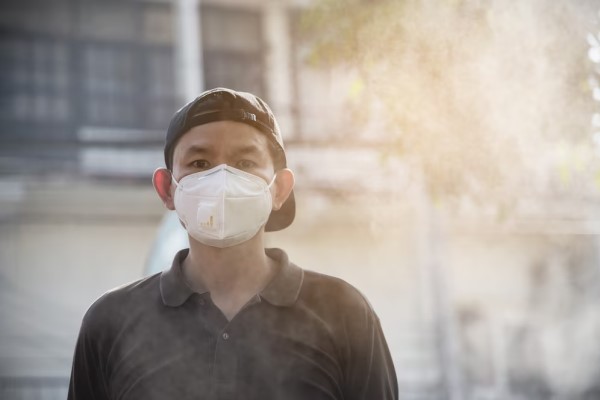
In today’s bustling urban environments, our hair is constantly exposed to a wide array of pollutants that can have adverse effects on its health and appearance. Factors such as air pollution, dust, UV radiation, and even certain chemicals present in the atmosphere can lead to hair damage, dryness, dullness, and even hair loss over time. To maintain lustrous and healthy locks, adopting a proactive approach to protect hair from pollution is essential.
This guide will explore practical strategies and practices to help you protect hair from pollution, helping you maintain vibrant and resilient hair in the face of environmental challenges. From simple daily habits to specialized hair care products, we’ll explore options for keeping your hair looking its best despite the urban onslaught.
Why should we protect hair from pollution?

Hair pollution can be caused by various environmental factors, many of which are commonly found in urban and industrialized areas. These factors contribute to the accumulation of impurities on the hair and scalp, leading to various issues like dryness, brittleness, dullness, and even hair loss. Let’s look at some of the primary factors contributing to hair pollution.
Protect hair from air pollution

Urban environments are frequently saturated with harmful pollutants, including particulate matter, volatile organic compounds (VOCs), and nitrogen dioxide. These toxic substances are primarily released from vehicle exhaust, factory operations, and various industrial activities. As these pollutants linger in the air, they can settle onto our hair and scalp, creating a delicate but concerning layer of impurities.
This accumulation can significantly undermine hair integrity, leading to increased dryness, brittleness, and an overall lack of vitality. Over time, hair can appear dull and lifeless, highlighting the adverse effects of urban pollution on our everyday beauty.
UV Radiation

The sun’s ultraviolet (UV) rays pose a significant threat to hair’s delicate structure, explicitly targeting the cuticle—the hair’s outermost protective layer. When exposed to these harmful rays, the cuticle can become damaged, leading to a cascade of issues such as moisture loss, which can leave hair feeling dry and brittle.
Additionally, UV exposure can cause vibrant hair colors to fade prematurely, diminishing their luster and richness. This risk is heightened for those with colored or chemically treated hair, making it crucial to take proactive measures to shield your hair from the sun’s potentially damaging radiation. Protecting your hair not only preserves its health but also maintains its beauty and vibrancy.
Hard water

Hard water is characterized by elevated concentrations of minerals, particularly calcium and magnesium. When you wash your hair with hard water, these minerals can cling to the hair shaft, resulting in a stubborn residue that can sap your hair of its natural vitality.
This accumulation often leaves hair feeling parched, heavy, and challenging to manage. Additionally, the presence of these minerals can dull your hair’s natural luster, robbing it of the shine that contributes to its overall health and beauty.
Chemicals

Many hair care products contain chemicals like sulfates and parabens, which can harm hair health. These aggressive ingredients often strip away the hair’s essential oils, resulting in increased dryness and a weakened natural protective barrier.
When this protective layer is compromised, the hair becomes more susceptible to the harsh effects of environmental pollutants, making it even more vulnerable to stress and damage. Consequently, the hair is exposed and struggles to maintain its vitality and resilience in the face of everyday challenges.
Protect hair from pollution by avoiding Heat styling

Heat styling tools like hairdryers, curling irons, and straighteners can damage hair health. The intense heat generated by these devices can severely disrupt the protein structure of each hair strand, leaving it brittle and vulnerable to breakage.
When the internal integrity of the hair is compromised, it loses its strength and resilience. That makes it increasingly susceptible to environmental stressors like pollution and harsh weather conditions.
Sweat and sebum

The blend of sweat and sebum—natural oils secreted by the scalp—creates an ideal breeding ground for pollutants and bacteria. This undesirable mix can disrupt scalp health and lead to various irritating conditions.
These include bothersome dandruff, relentless itchiness, and an overall sense of discomfort. A deteriorating scalp environment severely hinders hair growth. It can also worsen the concerning issue of thinning hair.
Inadequate hair care

Poor hair care practices can further complicate the challenges surrounding hair health, significantly deteriorating the condition of your locks. Neglecting to wash your hair regularly allows dirt, excess oils, and environmental pollutants to accumulate, forming a hazardous build-up on both the strands and the scalp. Using hair products not tailored to your specific hair type can exacerbate this issue, leaving your hair dull and lifeless.
Additionally, failing to cleanse the scalp thoroughly can create a barrier that clogs hair follicles, stifling their ability to grow and contributing to the increasing problem of thinning hair. This combination of neglect and improper care can lead to a cycle that is difficult to break, further diminishing the vibrancy and health of your hair.
Seasonal changes

Seasonal changes bring their own set of hurdles for maintaining healthy hair. In humid weather, the increased moisture in the air creates the perfect conditions for pollutants to cling to the hair. At the same time, the colder months introduce dry air that generates static electricity.
This phenomenon makes hair more prone to attracting unwanted debris, which can lead to frizz and flyaways. Each season presents its own unique challenges, introducing a variety of environmental stressors that can significantly impact hair vitality, texture, and overall appearance.
What effects does pollution have on the hair?
Pollution can have several detrimental effects on hair health, primarily due to exposure to various environmental toxins and particulate matter. Here are some of the key impacts:
Hair damage
Pollutants can wreak havoc on hair’s delicate structure, leading to serious consequences for its health and appearance. Prolonged exposure to elevated levels of contaminants can inflict extensive harm on the hair’s outer cuticle and inner cortex. This damage manifests as hair breakage, a harsh and brittle texture, and an overwhelming sense of dryness that can leave locks looking lifeless and dull.
Dullness and discoloration
Environmental pollutants, including the pervasive effects of smog and soot, can accumulate on the hair shaft, leading to a lackluster and dreary appearance. This coating diminishes the hair’s natural shine and can cause it to take on an unhealthy, faded hue, robbing it of its vibrancy and life.
Dryness and Brittleness
The damaging impact of pollutants doesn’t stop with appearance; they can strip away the hair’s essential natural oils, resulting in severe dryness and a brittle texture. This depletion leaves the hair more vulnerable to breakage, making it feel rough and straw-like to the touch and with compromised integrity overall.
Scalp irritation
The effects of air pollution extend to the scalp, where irritants can wreak havoc. People may experience various distressing symptoms, including persistent redness, uncomfortable itchiness, and flaky dandruff. This irritation can disrupt the delicate balance of healthy hair follicles, potentially hindering hair growth and contributing to an unhealthy scalp environment.
Hair thinning and loss

Prolonged exposure to harmful substances such as heavy metals and fine particulate matter can significantly disturb the hair growth phases. Studies suggest that these pollutants may inhibit the production of vital proteins essential for robust hair growth, resulting in noticeable thinning and, in some cases, progressive hair loss.
Increased inflammation
The presence of particulate matter can trigger inflammatory responses in the scalp, exacerbating hair loss and other related conditions. Additionally, elevated levels of reactive oxygen species (ROS) induced by pollution can lead to significant cellular damage within hair follicles, further compromising their health.
Accelerated aging
Pollutants are notorious for containing free radicals that can accelerate the aging process of hair. As a result, hair may quickly lose its youthful sheen and vitality, appearing older than it actually is. This accelerated aging manifests as a dullness that detracts from the hair’s overall health and beauty, leading to a more weary, lifeless appearance.
How to protect hair from pollution?
Protecting your hair from pollution requires a combination of preventive measures, proper hair care routines, and the use of suitable products. Here’s a comprehensive guide on how to shield your hair from the damaging effects of pollution:
Protect Hair from Pollution by covering your hair
When stepping out in highly polluted areas, consider covering your hair with a scarf, hat, or cap. This physical barrier prevents pollutants from directly settling on your hair and scalp.
Rinse regularly
Frequent rinsing is key to removing surface pollutants. However, be cautious not to over-wash, as excessive washing can strip your hair of its natural oils, leading to dryness and damage. Aim to wash your hair 2-3 times a week.
Pre-Rinse with Water
Before shampooing, give your hair a thorough rinse with plain water. This initial rinse helps dislodge and wash away a significant portion of pollutants, making the subsequent shampooing more effective.
Utilize a clarifying shampoo
Include a shampoo that clarifies your hair care routine once or twice a month. These shampoos are designed to deeply cleanse your hair and scalp, removing accumulated residues from pollution, styling products, and hard water minerals.
Proper conditioning
Conditioning is essential for replenishing moisture and creating a protective barrier. Focus on applying conditioner primarily to the lengths and ends of your hair. Avoid using it on your scalp, as it can lead to greasiness.
Oil massage

Regular oil massages provide essential nutrients to your hair and scalp while creating a natural shield against pollutants. Massaging oils like coconut, argan, or jojoba onto your scalp stimulates circulation and strengthens hair strands.
Anti-Pollution hair products
Look for hair care products specifically designed to combat pollution. These products often contain antioxidants like vitamin E and vitamin C, which neutralize free radicals caused by pollutants. Barrier-enhancing ingredients like ceramides and protective polymers can strengthen your hair’s defense.
Limit heat styling
Excessive utilization of heat styling appliances might affect hair’s structure, making it more susceptible to pollution damage. Opt for heat-free styling methods or use heat-protectant products when using hot tools.
Protect hair from pollution with Regular trims
Regular hair trims remove split ends and prevent damage from spreading up the hair shaft. Trim your hair every 6-8 weeks to maintain healthy ends.
Hydration and diet
Staying hydrated and consuming a balanced diet rich in vitamins and minerals supports overall hair health. Proper hydration ensures your hair remains resilient against external stressors.
UV Protection
Protect your hair from the sun’s UV radiation by wearing hats or using hair products with UV filters. Just as UV rays damage your skin, they can also cause hair to become brittle and dull.
Faq’s
How does pollution affect hair health?
Pollution exposes hair to harmful particles, such as dust, dirt, and chemicals, that can damage the scalp and hair strands. Over time, this can lead to dryness, breakage, hair thinning, and even scalp conditions like dandruff or irritation.
Can diet help protect hair from pollution?
Yes, a nutrient-rich diet can strengthen hair from within. Include foods high in antioxidants, vitamins (A, C, D, and E), and omega-3 fatty acids to promote resilience and repair damage caused by pollution.
What ingredients in hair care products protect hair from pollution?
Look for products containing antioxidants (like vitamin C or green tea), nourishing oils (such as argan or coconut), silicones or dimethicone, and other film-forming agents that can create a protective barrier against pollutants.


Responsable – CAPIL SOLUTIONS. S.L
*Términos y condiciones
Finalidad – Dar respuesta a las solicitudes de información, y poder enviarle nuestras publicaciones, promociones de productos y/o servicios, gestionar los comentarios en el blog
Derechos Arco - Acceder, rectificar y suprimir los datos, así como otros derechos, como se explica en la información adicional.
info@capilclinic.us
Legitimación – Consentimiento
Destinatarios – No se cederán datos a terceros salvo obligación legal
Política de privacidad – Puede consultar nuestra política de privacidad aquí
*Política de privacidad