

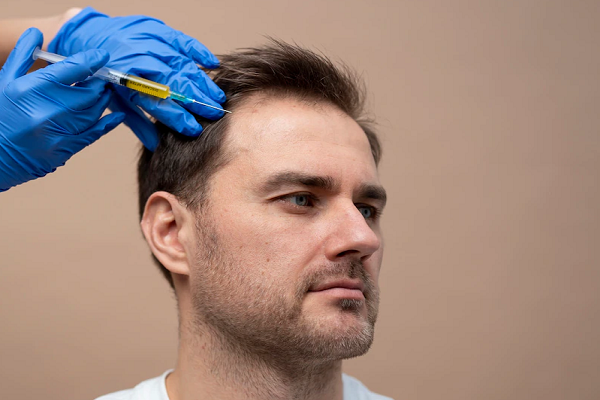
Platelet-Rich Plasma (PRP) therapy has become one of the most popular complementary treatments for hair loss in recent years. By using the patient’s own blood, this innovative procedure stimulates natural hair growth and supports the regeneration of weakened follicles. It is often recommended alongside hair transplants or as a standalone therapy for men and women who wish to strengthen their hair without surgery.
In this article, we will take a closer look at PRP treatment results, explaining what the process involves, what you can realistically expect, and how it contributes to healthier, thicker hair over time. Our goal is to inform, guide, and reassure those considering this therapy. Whether you are at the start of your hair restoration journey or looking to enhance transplant outcomes, understanding how PRP works can help you make confident, well-informed decisions about your treatment.
What is PRP Treatment for Hair Loss?
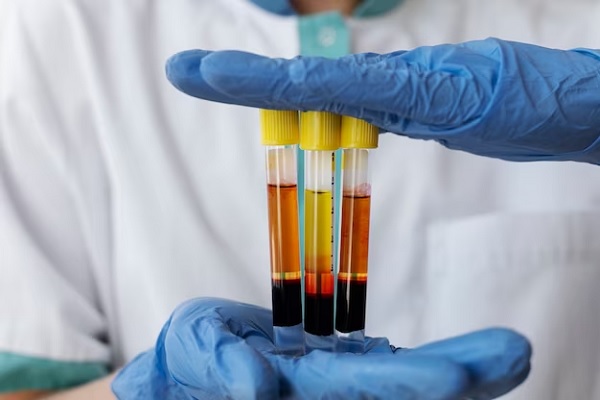
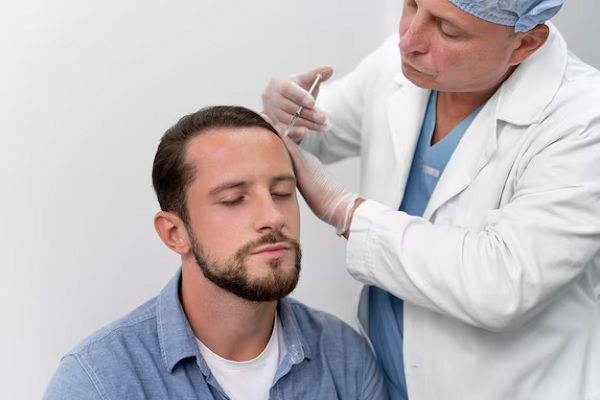
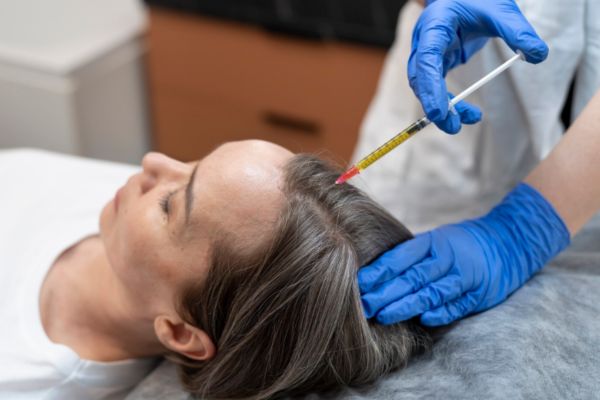
Platelet-Rich Plasma (PRP) treatment for hair loss is a non-surgical, regenerative procedure designed to stimulate hair growth using the patient’s own blood. The process begins with a small blood sample, which is placed in a centrifuge to separate the platelet-rich plasma from other blood components. This plasma, rich in growth factors and healing properties, is then carefully injected into areas of the scalp where hair is thinning or shedding.
The platelets release essential growth factors that help repair and rejuvenate damaged hair follicles. By increasing blood flow and promoting cell regeneration, PRP encourages dormant follicles to enter a new growth phase, resulting in stronger, healthier hair strands. It is often used to slow down mild to moderate hair loss and, in some cases, to enhance the outcomes of hair transplant surgery.
Although PRP treatment for hair loss has shown promising effects in clinical practice, it is not a one-size-fits-all solution. The results depend largely on the individual’s condition, the underlying cause of hair loss, and the accuracy of the initial diagnosis. Therefore, consulting an experienced specialist is key to determining whether PRP is the most suitable treatment for your specific needs.
PRP Hair Treatment Benefits
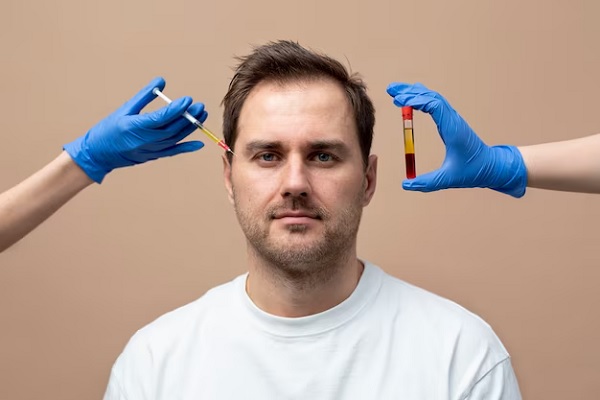
PRP therapy offers a natural and scientifically backed approach to hair restoration. Because it relies on the patient’s own biological material, it provides a safe and minimally invasive option for those seeking to strengthen their hair and prevent further loss. Over time, regular sessions can help restore the scalp’s vitality and encourage healthy, natural regrowth.
Some of the main benefits of PRP hair treatment include:
-
Improves hair thickness and strength. The growth factors released from platelets help nourish the follicles, leading to thicker, more resilient hair strands.
-
Reduces hair shedding. Consistent treatments can slow down active hair loss by strengthening the roots and improving follicular stability.
-
Stimulates dormant follicles. PRP helps “wake up” inactive follicles, encouraging them to re-enter the growth phase and produce new hair.
-
Enhances scalp circulation and health. Increased blood flow brings oxygen and nutrients to the scalp, creating an optimal environment for hair growth.
-
Uses the patient’s own blood cells, which significantly reduces the risk of allergic reactions or rejection.
-
Suitable for both men and women suffering from androgenetic or diffuse alopecia, regardless of age.
-
Minimal downtime and quick sessions, often completed in less than an hour, allowing patients to resume normal activities immediately.
-
Complements other hair-loss therapies, including topical solutions, supplements, or laser devices, for enhanced results.
While PRP is a promising option, it’s important to maintain realistic expectations. Results can vary depending on factors such as age, hair condition, and overall health. Multiple sessions are usually required for noticeable improvements, followed by maintenance treatments to sustain progress over time.
PRP vs other hair loss treatments
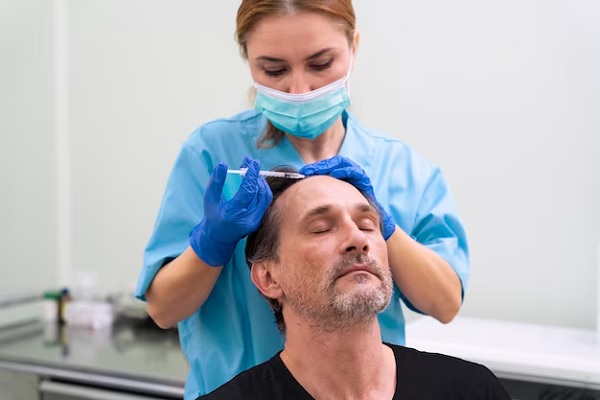
PRP therapy is one of several modern options available to combat hair loss, each with its own benefits, level of invasiveness, and time frame for visible results. Understanding how PRP compares to other treatments helps patients make better-informed decisions based on their needs, expectations, and lifestyle. While PRP uses the body’s own healing power to restore hair growth, other methods rely on medications, technology, or advanced cellular regeneration techniques.
Hair laser therapy, for instance, is a completely non-invasive option that uses low-level laser light to stimulate hair follicles and improve scalp circulation. It is painless and safe, but usually requires continuous sessions for sustained improvement. Medications like minoxidil can also help reduce shedding and promote growth; however, results depend on consistent use and may reverse once treatment stops.
Stem cell treatment, though still under research, aims to regenerate hair follicles using advanced cellular methods. It is more invasive and costly, yet potentially offers long-term benefits. Hair mesotherapy, on the other hand, delivers vitamins and nutrients directly into the scalp to strengthen hair shafts and boost growth.
Below is a quick comparison to highlight how PRP stands among these popular options:
| Treatment | Invasiveness | Time to noticeable results | Duration of effect | Cost level | Natural origin |
|---|---|---|---|---|---|
| PRP | Low | ~3–6 months | ~9–12 months (maintenance) | Medium | Yes (own blood) |
| Hair Laser Therapy | Very Low (non-invasive) | ~2–4 months | Needs ongoing sessions | Low–Medium | Device based |
| Medications (e.g., Minoxidil) | None | ~4–6 months | Continuous use required | Low | No |
| Stem Cell Treatment for Alopecia | Medium–High | ~6–12 months | Under research | High | Yes (cell based) |
| Hair Mesotherapy | Low–Medium | ~3–4 months | Varies | Medium | No/Yes depending |
PRP therefore stands out as a balanced approach — natural, effective, and minimally invasive — ideal for those seeking visible results without surgery.
FAQs
Is PRP painful?
PRP treatment involves drawing a small amount of blood, separating the plasma, and injecting it into the scalp using fine needles. Most patients describe the sensation as mild discomfort or a brief pinching feeling rather than real pain. A topical anaesthetic or cooling device is often applied to reduce sensitivity. Overall, the procedure is well tolerated and considerably less painful than surgical hair restoration, though sensitivity may vary from person to person.
How many PRP sessions do I need?
The standard protocol usually includes three to four initial sessions spaced about four to six weeks apart. Once the first cycle is completed, maintenance sessions are typically advised every six to twelve months to sustain progress. The total number depends on the extent of hair loss, individual response, and whether other therapies—such as laser treatment or medication—are used alongside PRP.
When will I see PRP results?
Patients often notice early signs of improvement, such as reduced shedding or better hair texture, around the three-month mark. Thicker and stronger regrowth usually becomes more visible between four and six months. The most significant transformation can take up to nine to twelve months. Consistency with follow-up sessions and complementary care greatly enhances and prolongs the results.
Are PRP results permanent?
PRP enhances hair follicle activity and boosts growth, but it does not eliminate the root causes of conditions like androgenetic alopecia. Without regular maintenance or additional treatments, results may gradually fade. It is best viewed as a regenerative therapy that supports ongoing hair health rather than a permanent cure. Periodic sessions help sustain density and prevent future thinning.
Who should avoid PRP treatment?
People with blood-related conditions, platelet dysfunction, or clotting disorders should avoid PRP until medically cleared. It is also unsuitable for those with active scalp infections, severe inflammation, or untreated thyroid or autoimmune issues. Pregnant individuals, patients on anticoagulants, or anyone with unrealistic expectations should always seek professional assessment before proceeding.
Conclusion
Platelet-Rich Plasma (PRP) therapy stands out as a regenerative and natural approach to addressing hair loss. By using the patient’s own blood, it stimulates follicle repair, enhances scalp health, and encourages thicker, stronger hair growth over time. With its minimal invasiveness and strong safety profile, PRP can also be effectively combined with other treatments such as laser therapy or medication to achieve more comprehensive results.
However, achieving the best possible outcome depends on several key factors. A thorough medical evaluation, an accurate diagnosis, and realistic expectations are essential. Continuous follow-up and proper maintenance sessions help sustain the benefits and prevent future thinning. PRP is not a miraculous fix, but when integrated into a well-designed treatment plan and supported by a healthy lifestyle, it can be a reliable and valuable option within the therapeutic arsenal against alopecia.
Hair loss can be distressing, affecting not only appearance but also confidence. Yet, taking informed action is the most empowering step towards recovery. Consulting a qualified hair restoration specialist will help you understand your options and design a plan tailored to your needs — one that restores not just your hair, but also your sense of self-assurance and well-being.


Responsable – CAPIL SOLUTIONS. S.L
*Términos y condiciones
Finalidad – Dar respuesta a las solicitudes de información, y poder enviarle nuestras publicaciones, promociones de productos y/o servicios, gestionar los comentarios en el blog
Derechos Arco - Acceder, rectificar y suprimir los datos, así como otros derechos, como se explica en la información adicional.
info@capilclinic.us
Legitimación – Consentimiento
Destinatarios – No se cederán datos a terceros salvo obligación legal
Política de privacidad – Puede consultar nuestra política de privacidad aquí
*Política de privacidad