

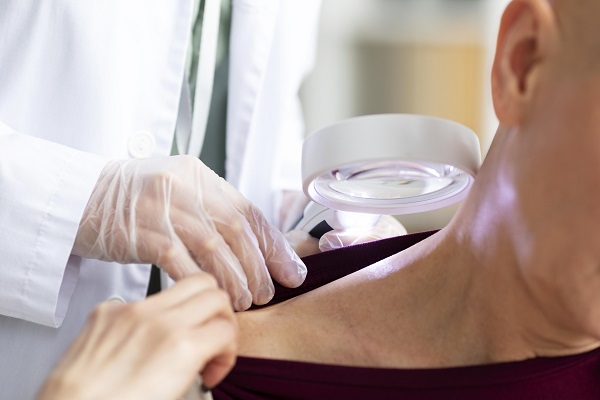
Psoriasis is a disease that can affect different parts of the body. This condition can be prevented thanks to capillaries. These tiny blood vessels transport oxygen and nutrients to every corner of the body. They also help eliminate waste products and by-products of energy metabolism.
This enduring condition affects the upper layers of the skin, impacting both men and women. Common areas where psoriasis manifests include the inside of the elbows, the scalp, the knees, and various other patches across the body. However, this article will focus on the causes, symptoms, treatment, and impact of psoriasis on capillaries.
What is scalp psoriasis?

Scalp psoriasis is a chronic inflammatory skin disease that leads to red, scaly patches on the scalp. Skin cells multiply rapidly in affected areas, forming silvery-white scales that can be itchy and unsightly. The itching may become a constant nuisance, disrupting sleep and concentration.
The severity of psoriasis can vary, and treatment may include medicated shampoos, topical creams, or even oral medications to manage symptoms. For those with the condition, visible outbreaks can be embarrassing, causing self-consciousness and frustration. This adds an additional layer of complexity for patients dealing with the condition.
What are the causes of Psoriasis?
The exact cause of psoriasis remains unknown. However, many believe it results from a complex interaction between genetic factors and environmental influences. Experts suggest that psoriasis is an autoimmune disorder. In this condition, the immune system mistakenly targets healthy skin cells as foreign invaders. This triggers inflammation and causes a rapid turnover of skin cells, resulting in the red, scaly patches characteristic of psoriasis. Let’s look at the different causes that can lead to scalp psoriasis.
Disorder of the immune system
Psoriasis is a common skin condition caused by a disruption in the body’s immune system. The immune system includes white blood cells and proteins. It typically protects the body from threats like bacteria, viruses, and germs. However, in some cases, it mistakenly targets the body’s own cells. Specifically, it targets the epidermal cells that form the skin’s outer layer.
The epidermis constantly renews itself by shedding old cells to make room for new ones. This process keeps the skin fresh and healthy. The balance between old and new cells must be maintained. When this balance is disrupted, the immune system overproduces skin cells. It also attacks its own cells, leading to a premature buildup of cells on the skin’s surface. This results in flaky, crusty patches covered with silvery scales.
Hereditary twist
Beyond the complexities of immune dysfunction, psoriasis has another dimension that is intertwined with our genetic code. Heredity plays a significant role in this complicated drama. This is not to say that people with a family history of the disease will fall into its clutches. But genetic inheritance is a formidable player; its presence is palpable.
Many sufferers are linked to a lineage marked by the disease’s shadow. This reinforces the hypothesis that, in many cases, heredity is the thread that weaves the tapestry of psoriasis.
Stress

Both physical and emotional stress significantly worsen psoriasis symptoms, which are characterized by red, scaly patches. When stress levels rise, the immune system weakens, leading to inflammation and painful flare-ups. This strong connection between stress and psoriasis highlights the critical need for effective stress management.
Incorporating mindfulness meditation, yoga, and therapeutic counselling can help alleviate stress. These practices can reduce the frequency and severity of flare-ups. Furthermore, healthcare providers play an essential role in this process. They offer guidance, support, and personalized strategies to help patients manage stress effectively.
Infections
Certain infections, especially those caused by streptococcal bacteria, can trigger or worsen psoriasis in genetically predisposed people. For example, even a mild case of strep throat can spark a significant psoriasis flare-up. This highlights the link between infections and the development of psoriasis.
Additionally, respiratory and skin infections can worsen the condition’s progression, leading to increased symptoms and discomfort. However, with timely and effective medical intervention, the adverse effects of infections can be significantly reduced. It helps people regain control over their psoriasis and skin health.
Medications
Certain prescription medications can trigger psoriasis flare-ups in genetically predisposed people. Doctors prescribe drugs like lithium for high blood pressure. However, these drugs are also linked to psoriasis flare-ups. Additionally, physicians commonly use lithium to manage mood stabilization in bipolar disorder, along with beta-blockers.
Patients should discuss openly with their healthcare providers, sharing their medical history and symptoms. This proactive communication helps identify potential drug-related triggers and find suitable alternatives if needed.
Skin injuries

Psoriasis can worsen due to skin damage, a phenomenon known as the Koebner response. Trauma such as cuts, scrapes, sunburns, and insect bites can trigger new lesions. For people with psoriasis, protecting the skin from injury is essential.
Even minor injuries can worsen symptoms, as new patches may develop at the site of the trauma. Therefore, taking preventive measures and being vigilant about skin health are crucial for effectively managing psoriasis.
Topical remedies
These formulations, including emollients, corticosteroid creams, Vitamin D analogues, calcineurin inhibitors, coal tar products, and dithranol, are applied topically to the skin and are critical in managing various dermatological conditions.
- Emollients hydrate and soften the skin, helping restore its natural barrier function and alleviating dryness associated with conditions like eczema and psoriasis.
- Corticosteroid creams are anti-inflammatory treatments that reduce redness and swelling, quickly relieving symptoms.
- Vitamin D analogues, which mimic the action of natural vitamin D, help regulate skin cell production and reduce scaling and plaque formation, particularly in psoriasis.
- Calcineurin inhibitors are non-steroidal medications that suppress the immune response in the skin, . They are beneficial for conditions like eczema without the side effects of steroids.
- Coal tar products have been used for centuries and work by slowing down skin cell turnover and reducing itch.
- Dithranol is a topical medication that helps normalize skin cell production and can effectively treat psoriasis.
Together, these treatments form the first line of defence against the manifestations of skin conditions, providing relief and aiding in managing symptoms.
Laser therapy

Laser therapy, also known as phototherapy, involves the controlled exposure of the skin to ultraviolet (UV) light to treat various skin conditions. This technique leverages advanced technology to deliver targeted light exposure directly to affected areas, making it a highly specialized and precise form of treatment. While it can be an effective remedy for conditions such as psoriasis, eczema, and acne, the process can be costly compared to traditional therapies.
The efficacy of light therapy stems from its ability to penetrate the skin layers, thereby reducing inflammation, slowing down skin cell proliferation, and promoting healing in specific problem areas. This targeted approach allows for more effective treatment outcomes while minimizing potential side effects associated with systemic medications.
Systemic medications
Healthcare providers typically reserve systemic medications for severe conditions or when other treatments are ineffective. Systemic medications can be administered in various forms, including oral supplements, tablets, or liquids. It depends on the specific medication and condition being treated. They can also be given through injections, such as intramuscular, subcutaneous, or intravenous routes,
The selection of the medication’s strength and dosage is intricately linked to the severity of the diagnosed ailment. For instance, patients with more advanced or aggressive conditions may require higher dosages or more potent formulations to achieve the desired therapeutic outcomes.
Are approved drugs available for treating scalp psoriasis?
Approved medications for managing scalp psoriasis fall into two main categories: non-biological and biological treatments. Each offers unique mechanisms and levels of efficacy. Dermatologists often prescribe non-biological remedies like Methotrexate, Closporin, and Acitretin.
Methotrexate suppresses the immune system and slows down skin cell replication, making it practical for various autoimmune conditions. Ciclosporin similarly modulates the immune response, providing rapid relief for severe cases. Acitretin, a derivative of Vitamin A, helps normalize skin cell growth and may benefit patients requiring systemic therapy.
In recent years, biological treatments have gained prominence for their targeted action against specific immune system components. This category includes Etanercept, Adalimumab, Infliximab, and Ustekinumab. Etanercept and Adalimumab are both tumour necrosis factor (TNF) inhibitors, which significantly reduce inflammation. Infliximab is another TNF inhibitor, delivered via infusion and often utilized in more severe cases. Ustekinumab targets interleukin-12 and interleukin-23, key players in the inflammatory process of psoriasis, offering a novel approach to treatment.

These pharmaceutical options vary significantly in potency, mechanism of action, and potential side effects. Qualified healthcare professionals must carefully select and manage these treatments to ensure safety and efficacy for each patient’s needs.
Faq’s
What causes scalp psoriasis?
The exact cause is not fully understood, but it is believed to involve a complex interaction between genetic and environmental factors. Scalp psoriasis is an autoimmune disorder where the body’s immune system mistakenly attacks healthy skin cells, leading to their rapid buildup.
Who is at risk of developing scalp psoriasis?
Scalp psoriasis can affect people of any age, but it most commonly first appears between the ages of 15-35. Having a close relative with psoriasis increases the risk. Certain triggers like stress, infections, and skin injuries can also contribute to flare-ups.
Does scalp psoriasis go away?
Scalp psoriasis is a chronic condition that tends to go through cycles of flare-ups and remission. While it cannot be cured, proper management and treatment can help control symptoms and minimize the frequency and severity of outbreaks.
Conclusion
Psoriasis, particularly scalp psoriasis, is a complex skin condition influenced by various factors such as immune system dysfunction, genetics, stress, and infections. While the exact cause remains unclear, effective treatments are available. Topical remedies, laser therapy, and systemic medications can help manage symptoms, reduce flare-ups, and improve quality of life. As psoriasis affects each individual differently, patients must work closely with healthcare providers to identify the most suitable treatments. Proper management allows patients to control the condition better and minimize its impact on daily life.


Responsable – CAPIL SOLUTIONS. S.L
*Términos y condiciones
Finalidad – Dar respuesta a las solicitudes de información, y poder enviarle nuestras publicaciones, promociones de productos y/o servicios, gestionar los comentarios en el blog
Derechos Arco - Acceder, rectificar y suprimir los datos, así como otros derechos, como se explica en la información adicional.
info@capilclinic.us
Legitimación – Consentimiento
Destinatarios – No se cederán datos a terceros salvo obligación legal
Política de privacidad – Puede consultar nuestra política de privacidad aquí
*Política de privacidad