


Dealing with a lice infestation can be distressing and frustrating. While harmless, these tiny parasites can cause intense itching and discomfort, making their presence an urgent concern. If you’re looking for effective ways to remove lice from hair permanently and regain peace of mind, you’ve come to the right place.
To remove lice from hair permanently and successfully requires a multi-faceted approach that combines proper treatment, thorough cleaning, and preventive measures to disrupt the life cycle of these pesky creatures. This guide will address various aspects of lice removal, including understanding the lice life cycle, identifying infestations, choosing the right treatment methods, and implementing effective preventive strategies. Let’s get these bugs out of our heads!
How to remove lice from hair permanently?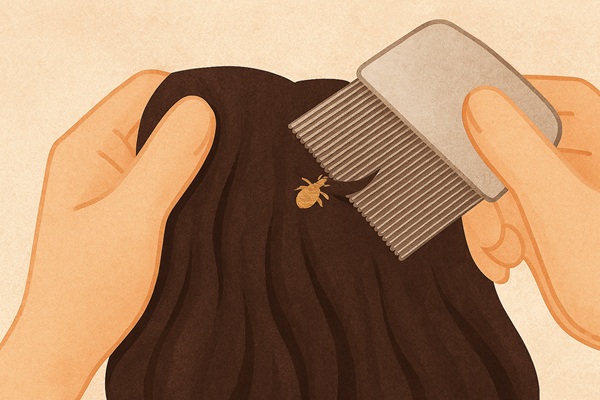
If you were wondering how to remove lice from hair permanently, you might know that dealing with lice can be frustrating. But don’t worry—it’s totally manageable! Here’s how to remove them from your hair for good.
1. Use the correct treatment to remove lice from hair permanently
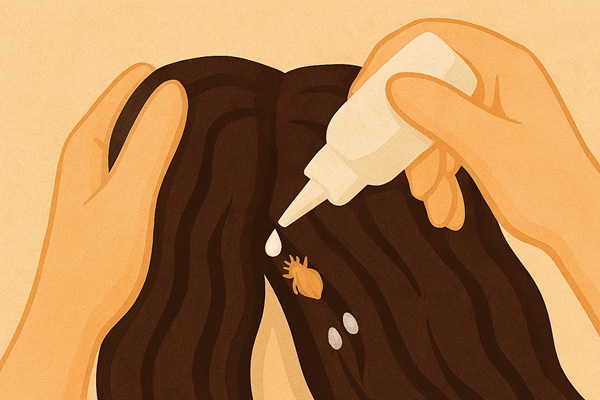
The first step to remove lice from hair permanently is to choose a potent treatment that works for you. You can easily find over-the-counter products, like shampoos or creams, containing active ingredients such as permethrin or pyrethrin. These are particularly effective in killing lice.
If you prefer a natural approach, try using essential oils like tea tree oil, which has insecticidal properties. Be sure to follow the instructions carefully to ensure the treatment works properly and targets the lice effectively.
2. Comb through your hair
Once you’ve applied the treatment, it’s time to move on to the next step: combing through your hair. First, grab a fine-toothed lice comb. This tool is crucial, as it helps remove both lice and nits, ensuring a thorough cleaning. Next, wet your hair and divide it into small sections. This will make it easier to comb through each part of your hair.
Slowly and carefully comb through each section from the roots to the tips. Also, pay extra attention to your scalp and the nape of your neck, as lice often hide in these areas. After each pass, rinse the comb to remove any lice or nits you’ve collected. This will keep the process clean and effective, helping you achieve better results.
3. Wash everything to remove lice from hair permanently
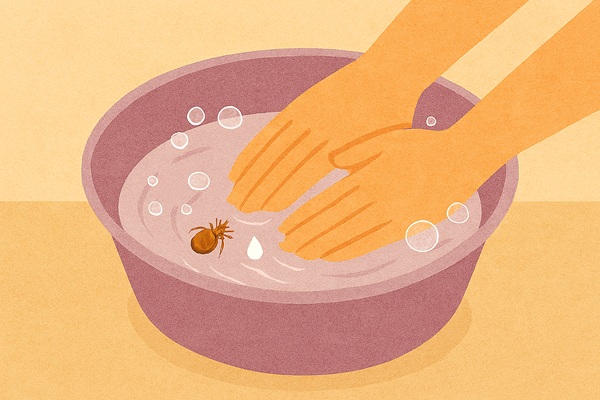
Lice can quickly spread, so washing everything that has come into contact with your hair is essential. This includes your bedding, clothes, and towels. Use the hottest water setting that your fabrics can handle. Hot water is vital to kill any remaining lice or eggs. By doing this, you’ll make sure your environment stays free from lice.
4. Repeat the process to remove lice from hair permanently
Lice treatments usually need to be repeated after about a week. This is necessary to catch any lice that may have hatched after your first treatment. Don’t skip this step! It’s also essential to continue combing your hair regularly for at least two weeks after the initial treatment. This ensures you’ll catch any lice or eggs that might have been missed the first time.
5. Remove lice from hair permanently and Prevent reinfestation
To avoid getting lice again, keep your hair clean and avoid sharing personal items like combs, brushes, or hats. You might also want to use a preventive spray made with essential oils. This can help remove lice from hair permanently and provide a protective barrier against reinfestation.
What are the causes of lice in Hair?
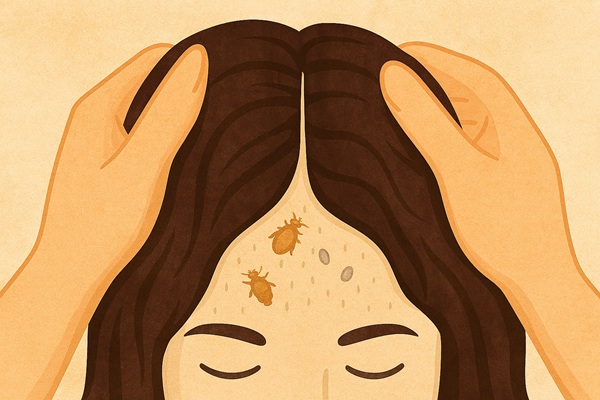
Lice infestations occur due to the transmission of tiny insects known as lice. These parasites primarily affect the scalp, although they can also be found in other body hair regions. The leading causes of lice in the hair are the following.
Direct contact
Lice are tiny parasitic insects that primarily spread through direct head-to-head contact with infected people. This transmission mode is prevalent among children, who often engage in close physical interaction during playtime, allowing ample opportunity for lice to transfer from one person to another. Additionally, children frequently share personal items such as hats, brushes, hair accessories, and even pillows, which can also facilitate the spread of lice.
Engaging in various physical activities, such as sports or group games, that require close contact further increases lice transmission risk. Parents and caregivers must be vigilant, especially in environments like schools and daycares where close contact is prevalent. Regular checks for lice and educating children about avoiding sharing personal items can be crucial steps in preventing an outbreak.
Indirect contact
While less frequently observed, lice can be transmitted indirectly by sharing personal items that come into contact with the hair or scalp. Specifically, items such as hats, stylish scarves, protective helmets, grooming combs, hairbrushes, decorative hair accessories, and even headphones often serve as the unwitting vehicles for this transmission.
Lice, as well as their eggs—commonly referred to as nits—have a remarkable ability to survive for a short duration away from their human host. This resilience allows these pesky parasites to leap from infested items directly into the unsuspecting strands of another person’s hair, creating a new breeding ground for their proliferation.
Proximity
Lice often spreads among people who spend extended periods of time in close proximity to one another. This situation frequently arises in environments such as sleepovers, slumber parties, and sleepaway camps, where multiple people share sleeping arrangements or personal items.
Due to close interactions and shared belongings, the likelihood of transmission escalates significantly during these gatherings. For example, when people share pillows, blankets, or hats, lice can easily transfer from one person to another. Additionally, activities where heads come into close contact, like storytelling or watching movies, further increase the risk of infestation.
School and childcare settings
In school and daycare environments, children often interact closely with one another, engaging in various activities such as playing games, sharing toys, and participating in group projects. This close physical contact, while essential for social development and bonding, unfortunately, makes them more susceptible to lice infestations, a common concern in communal settings.
As a result, lice can rapidly spread from one child to another, often moving swiftly, unnoticed, through hair and clothing. Consequently, this creates a continuous cycle of transmission that can be difficult to control, as an outbreak can quickly escalate and affect a larger group of children than initially thought. Therefore, it becomes essential for caregivers and educators to be vigilant in monitoring and regularly checking for any signs of lice among the children they look after.
Community spread
Lice infestations are a significant public health concern, particularly in communities with specific characteristics that facilitate the spread of these parasites. Infestations can proliferate rapidly in environments with shared living spaces, such as schools, dormitories, and low-income housing facilities. High population density contributes to the ease of transmission, as close physical contact allows lice to move quickly from one individual to another.
Additionally, limited access to effective treatments and preventive measures, such as regular screenings and education about hygiene practices, exacerbates the situation. Communities with inadequate resources often find it challenging to effectively control and manage lice outbreaks, leading to prolonged infestations.
How do lice reproduce?
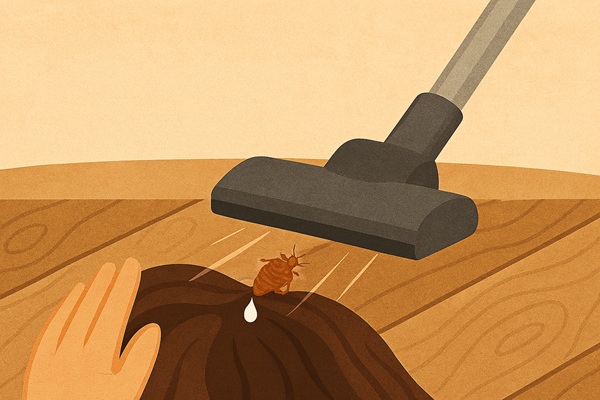
Lice are like fleas. They reproduce through a lifecycle that includes three main stages: egg (nit), nymph, and adult. The female louse starts by laying eggs, known as nits, typically attached to the hair shaft near the scalp. These eggs are oval-shaped and hard to spot, often mistaken for dandruff. After about 6 to 9 days, the eggs hatch into nymphs. Nymphs look like adult lice, but they are smaller. They undergo several molts before reaching full maturity, which takes about 7 days. During this time, they feed on blood from the scalp.
Once fully grown, adult lice can live for up to 30 days on a person’s head. They need to feed on blood several times a day to survive. A female louse begins laying eggs just 1 to 2 days after mating and can produce 3 to 8 eggs per day for up to 16 days. This rapid reproduction cycle means that a single louse can quickly lead to a large infestation if left untreated. As a result, it is essential to intervene promptly to manage and prevent lice infestations effectively.
Faq’s
Does poor hygiene have to do with lice infestations?
Contrary to common misconceptions, lice do not arise from poor hygiene or unclean hair. Lice infestations can affect people of all ages and various backgrounds. Additionally, it is noteworthy that they can infest people with a wide range of hair types. This unfortunate reality occurs regardless of how clean or well-groomed a person may be. Therefore, it becomes crucial to understand that anyone can fall victim to a lice infestation.


Responsable – CAPIL SOLUTIONS. S.L
*Términos y condiciones
Finalidad – Dar respuesta a las solicitudes de información, y poder enviarle nuestras publicaciones, promociones de productos y/o servicios, gestionar los comentarios en el blog
Derechos Arco - Acceder, rectificar y suprimir los datos, así como otros derechos, como se explica en la información adicional.
info@capilclinic.us
Legitimación – Consentimiento
Destinatarios – No se cederán datos a terceros salvo obligación legal
Política de privacidad – Puede consultar nuestra política de privacidad aquí
*Política de privacidad